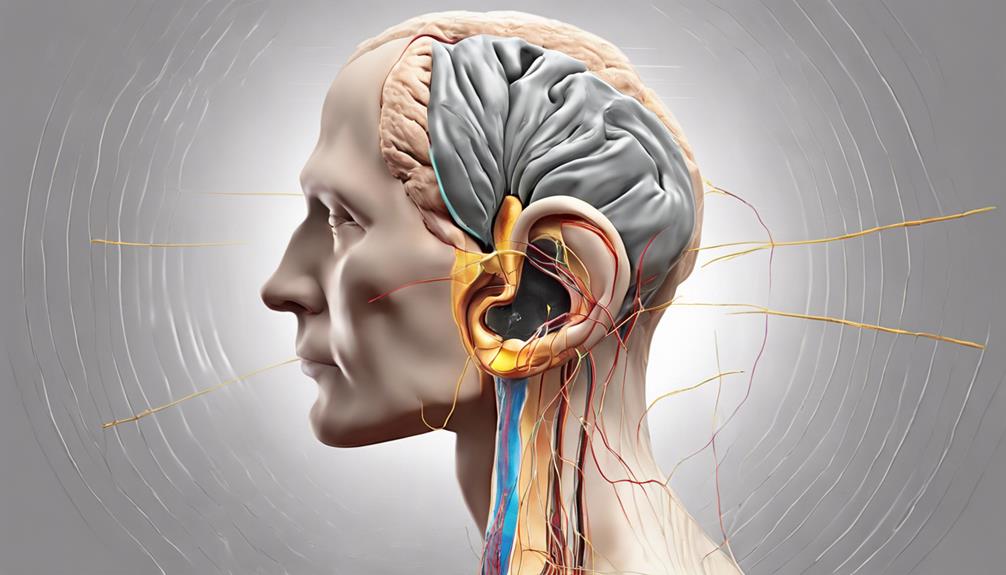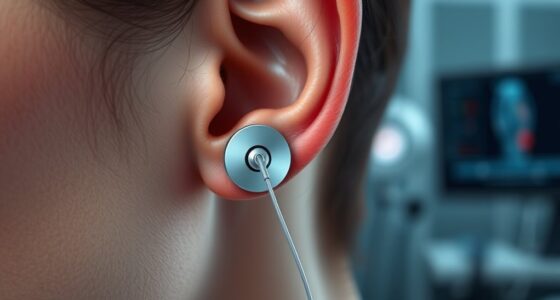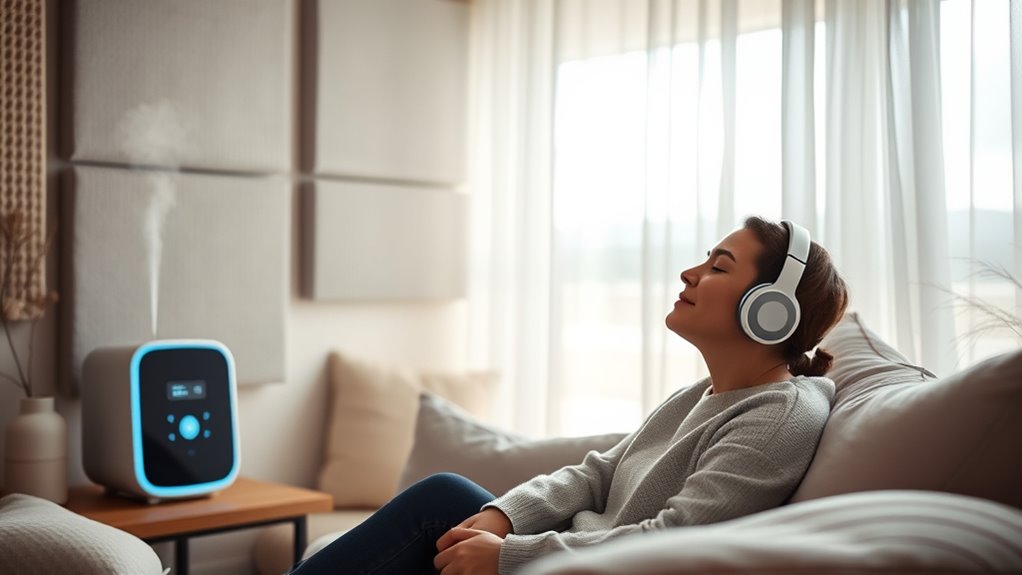

Sound therapy options for tinnitus include music therapy and hearing aids that help mask or distract from ringing and buzzing sounds. Music therapy uses calming, tailored music to promote relaxation, reduce stress, and improve sleep. Hearing aids amplify ambient sounds and often feature built-in masking programs, making it easier to focus on surroundings instead of tinnitus. Both methods engage your auditory system and can lessen symptoms over time—exploring these options further can help find what works best for you.
Key Takeaways
- Music therapy uses soothing sounds or melodies to mask tinnitus and promote relaxation.
- Hearing aids amplify ambient sounds, providing background noise that reduces tinnitus awareness.
- Both options help rewire auditory pathways, decreasing tinnitus severity over time.
- Combining music therapy with hearing aids can enhance overall symptom management and quality of life.
- Professional guidance ensures personalized sound therapy strategies for effective tinnitus relief.
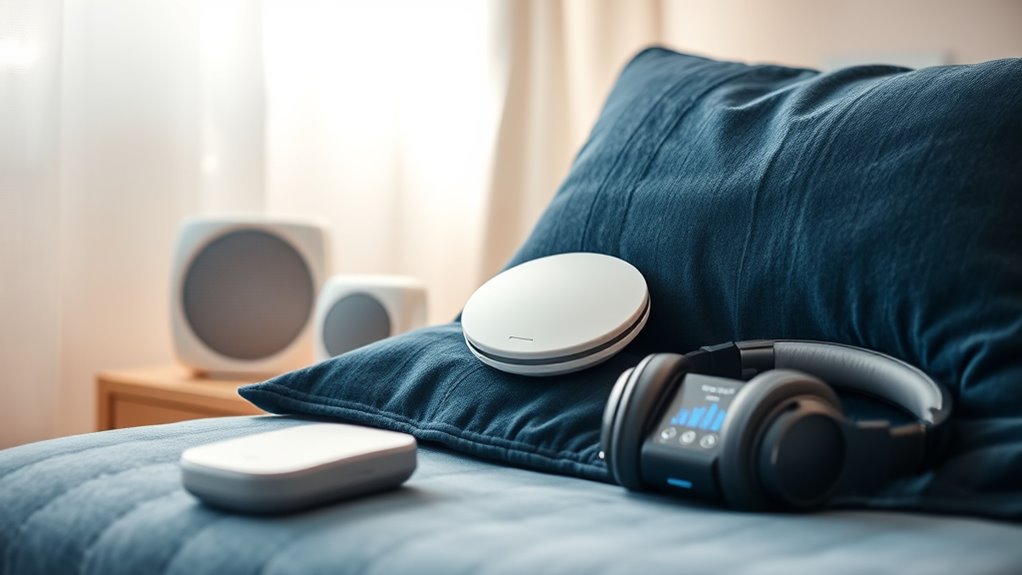
Tinnitus can be overwhelming, but sound therapy offers effective ways to manage its symptoms. One popular method is music therapy, which involves listening to specially selected music or sounds designed to mask or distract from the ringing or buzzing in your ears. Unlike simply playing any music, music therapy uses carefully curated sounds that are soothing and tailored to your preferences, helping you relax and reduce the perception of tinnitus. When you incorporate music therapy into your daily routine, you can find moments of relief, especially during stressful times or when your tinnitus feels most intrusive. Listening to calming melodies can also help you fall asleep more easily, which is vital since tinnitus often worsens with fatigue and stress. Additionally, ongoing research in neuroplasticity suggests that sound therapy can promote positive changes in the brain’s response to tinnitus over time. Another effective approach involves the use of hearing aids, especially if you have hearing loss alongside tinnitus. Hearing aids don’t just amplify sounds; they can also serve as a form of sound therapy by providing a constant, gentle background noise that masks the tinnitus. When you wear hearing aids, you’re actively reducing the contrast between tinnitus sounds and ambient noise, making the ringing less noticeable. Modern hearing aids often come with features tailored to tinnitus management, such as built-in sound generators or noise masking programs. These devices allow you to customize the sounds, creating a more comfortable listening environment that helps you focus on external sounds instead of your tinnitus. Wearing hearing aids during the day can improve your overall hearing, boost your communication, and decrease the emotional distress associated with tinnitus.
Both music therapy and hearing aids work by engaging your brain and auditory system, helping to rewire your response to tinnitus. When you consistently use these therapies, you may notice a decrease in the severity of your symptoms over time. The key is to integrate sound therapy into your daily routine, making it part of your coping strategy. While these methods don’t cure tinnitus, they can markedly diminish its impact, allowing you to regain control over your daily activities. Remember, the effectiveness of these options varies from person to person, so working with a healthcare professional can help you find the best combination suited to your needs. By actively exploring sound therapy options like music therapy and hearing aids, you’re taking positive steps toward managing tinnitus and improving your quality of life.
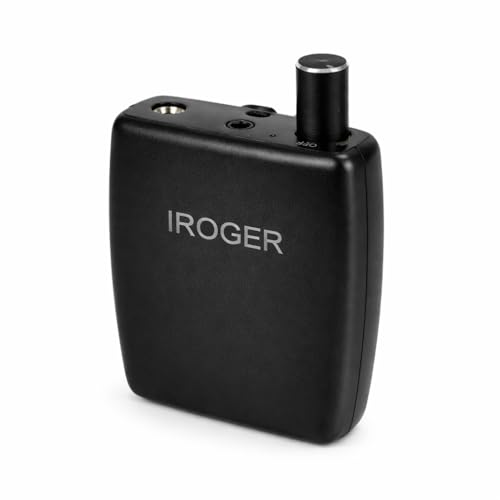
IROGER Hearing Amplifier for Seniors, Personal Sound Amplifier
rechargeable battery fully charges in just one hour and provides up to 120 hours of continuous use.
As an affiliate, we earn on qualifying purchases.
Frequently Asked Questions
Can Sound Therapy Cure Tinnitus Permanently?
Sound therapy can’t cure tinnitus permanently, but it can help you manage symptoms effectively. It promotes hearing restoration by reducing the perception of ringing and noise, making life easier. Additionally, sound therapy aids in stress reduction, which can lessen tinnitus intensity. While it may not provide a permanent cure, consistent use improves your quality of life, helping you adapt better and reduce the impact of tinnitus over time.
Are There Risks Associated With Sound Therapy?
There are some risks with sound therapy, especially if you have hearing loss or ear damage. Using loud sounds or improper devices can worsen hearing issues or cause ear damage. It’s important to follow your healthcare provider’s advice and use sound therapy tools properly. Regular check-ups help ensure your ears stay safe, and you avoid potential risks like hearing loss worsening or ear discomfort.
How Long Does Sound Therapy Typically Take to Work?
The therapy duration varies, but you might notice some relief within a few weeks. Typically, the effectiveness timeline depends on your specific tinnitus and how consistently you follow the treatment plan. Some people experience improvements in as little as 2 to 4 weeks, while others may need several months. Staying patient and committed increases your chances of achieving the best results from sound therapy.
Is Sound Therapy Suitable for Children With Tinnitus?
You might wonder if sound therapy is suitable for children with tinnitus; the answer is yes, but with child-friendly approaches. You’ll need to tailor the therapy to be engaging and gentle, almost like a comforting lullaby. Parental involvement is essential, guiding your child through the process and ensuring they feel safe and supported. With patience and the right approach, sound therapy can help your child find calm amid the noise.
Can Sound Therapy Be Combined With Medication?
Yes, you can combine sound therapy with medication, but you should consult your doctor first. Medication interactions might affect sound therapy’s effectiveness or cause side effects. Your healthcare provider can help you determine the best approach, ensuring both treatments work harmoniously. Combining these options may improve your tinnitus management, but professional guidance is essential to maximize benefits and minimize risks.

WinBridge Voice Amplifier with Bluetooth, Portable Speaker and Microphone Set, Wireless Mic Headset Speaker for Teachers, Tour Guide, Public Speaking, Fitness Instructors, Features Mute, 15W WB002
Teacher must haves: WB002 Bluetooth voice amplifier can be a thoughtful and practical gift for a teacher who...
As an affiliate, we earn on qualifying purchases.
Conclusion
Ultimately, exploring sound therapy options can make a real difference in managing your tinnitus. Whether you try masking sounds, personalized devices, or relaxation techniques, find what works best for you. Remember, “A journey of a thousand miles begins with a single step,” so don’t hesitate to take that first step toward relief. With patience and persistence, you can regain control and silence the noise that disrupts your peace.

Neosonic Rechargeable Hearing Amplifier to Aid TV Watching and Conversation, Wireless Neckband Headphones for Seniors & Adults, Remote Microphone Noise Cancelling - NW10 Pro
BACKGROUND NOISE REDUCTION - Equipped with a wireless external microphone, the NW10 Pro allows you to place the...
As an affiliate, we earn on qualifying purchases.

Voice Amplifier Wireless Microphone Headset, Original Sound Ultra Portable Microphone and Speaker, 15W Megaphone Speaker with Bluetooth Mic, Personal PA System for Teachers Classroom Tour Guide B002
Powerful & Original Sound:Experience true-to-life audio with the upgraded B002 wireless voice amplifier ! Its crystal-clear output delivers...
As an affiliate, we earn on qualifying purchases.