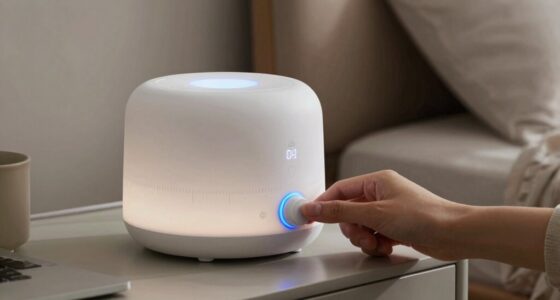
Many veterans experience tinnitus, a common condition that impacts daily life by causing constant ringing or buzzing in the ears. It often leads to trouble concentrating, poor sleep, and emotional stress such as anxiety or frustration. Fortunately, support options like sound therapy, counseling, and support groups are available to help manage symptoms and improve your quality of life. To find out more about how you can access these resources and support, keep exploring what’s available to you.
Key Takeaways
- Tinnitus is highly prevalent among veterans due to exposure to loud combat and operational noise.
- Many veterans experience significant mental health challenges, including anxiety and depression, linked to tinnitus.
- Support options include sound therapy, cognitive-behavioral therapy, support groups, and medication tailored for veterans.
- Addressing both physical and emotional impacts is essential for effective tinnitus management in veterans.
- Resources such as VA programs and counseling services are available to help veterans cope and improve their quality of life.

Tinnitus, a persistent ringing or buzzing in the ears, is a common challenge faced by many veterans returning from service. It can markedly impact your daily life, making it difficult to concentrate, sleep, or even feel relaxed. While the physical symptoms of tinnitus are often the focus, it’s equally important to recognize how it affects your mental health. The constant noise can lead to stress, anxiety, and depression, creating a cycle that’s tough to break. Fortunately, there are treatment options that can help manage both the auditory symptoms and the mental health challenges that accompany tinnitus.
Tinnitus impacts daily life and mental health, causing stress, anxiety, and depression, but effective treatments are available.
Understanding how tinnitus influences your mental health is essential. The persistent noise can cause frustration and feelings of helplessness, especially when it interferes with your ability to rest or focus at work. You might start avoiding social situations or experience heightened anxiety, which can further worsen your perception of the ringing. Recognizing these emotional responses and seeking support is a key step toward improving your quality of life. Mental health plays a prominent role in coping with tinnitus, and addressing it alongside physical symptoms can lead to better outcomes.
When it comes to treatment options, you have several choices tailored to your specific needs. Some veterans find relief through sound therapy, which uses background noise or white noise machines to mask the ringing. Cognitive-behavioral therapy (CBT) is another effective approach, helping you change negative thought patterns and develop coping strategies to reduce the emotional toll of tinnitus. In some cases, counseling or support groups provide a safe space to share experiences and learn from others facing similar challenges. Additionally, medication may be prescribed to address anxiety or depression that can accompany tinnitus, further supporting your mental health.
It’s important to work closely with healthcare professionals who understand the complexities of tinnitus among veterans. They can help you develop a detailed treatment plan that considers both physical symptoms and mental well-being. Managing tinnitus isn’t just about reducing the ringing; it’s about reclaiming your peace of mind and resilience. By exploring these treatment options and prioritizing your mental health, you can better navigate the challenges of tinnitus and regain control over your daily life. Remember, you’re not alone in this, and help is available to support you every step of the way. Resources and support
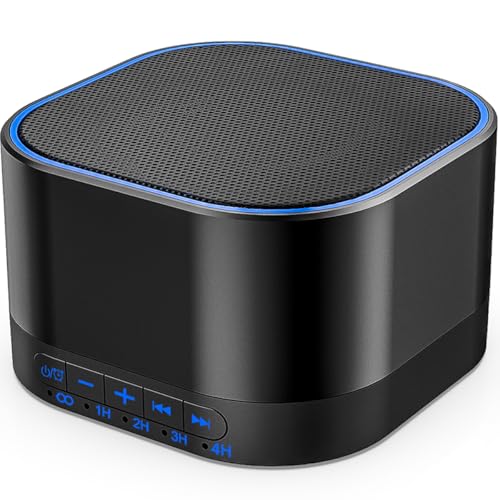
Magicteam Sound White Noise Machine with 20 Non Looping Natural Soothing Sounds and Memory Function 32 Levels of Volume Powered by AC or USB and Sleep Sound Timer Therapy for Baby Kids Adults
❤20 Non-Looping Sleep Sounds: White noise ,Brown noise, pink noise, blue noise, fan,brook, rain, ocean,bird and Bonfire,suitable for…
As an affiliate, we earn on qualifying purchases.
As an affiliate, we earn on qualifying purchases.
Frequently Asked Questions
Are There Specific Treatments Tailored for Veterans With Tinnitus?
Yes, there are specific treatments tailored for veterans with tinnitus. You can benefit from veterans-specific therapies, which address unique experiences and needs. Tailored sound therapies are often used to mask or reduce tinnitus symptoms effectively. These treatments are customized to your condition, helping you manage the noise perception better. Working with healthcare providers familiar with veteran issues guarantees you receive the most appropriate and supportive care for your tinnitus.
How Does Tinnitus Impact Veterans’ Mental Health Long-Term?
You may find that tinnitus substantially affects your mental health long-term, leading to emotional resilience challenges and social isolation. The constant ringing can increase anxiety and depression, making it harder to cope with daily stressors. Over time, these effects can reduce your social interactions and support networks, intensifying feelings of loneliness. Addressing these mental health impacts early through therapy and support groups can help you rebuild emotional resilience and reconnect socially.
What Are the Most Effective Coping Strategies for Veterans?
You can manage tinnitus effectively by practicing mindfulness techniques, which help reduce stress and improve your focus. Joining peer support groups allows you to share experiences and gain coping tips from others who understand what you’re going through. Consistently using these strategies can lessen the impact of tinnitus on your daily life, providing emotional relief and a sense of community, ultimately helping you regain control and improve your well-being.
How Accessible Are Tinnitus Support Programs for Veterans Nationwide?
Veterans’ access to tinnitus support programs varies nationwide, but many support services are available through VA clinics and online platforms. You can find resources that offer counseling, sound therapy, and coping strategies. While access is generally good, some veterans in rural or underserved areas may face challenges. It’s important to reach out to your local VA or veteran service organization to explore the specific tinnitus support services accessible in your community.
Are There Any New Research Developments in Tinnitus Management?
New research is exploring novel therapies and experimental medications for tinnitus management. You might find promising results from sound therapy advances, neuromodulation techniques, and drugs targeting neural pathways. These developments aim to reduce tinnitus perception and improve quality of life. While some treatments are still in trials, staying informed through recent studies can help you access emerging options and participate in clinical trials if you’re interested in cutting-edge solutions.

Cognitive Behavioral Therapy for Tinnitus
As an affiliate, we earn on qualifying purchases.
As an affiliate, we earn on qualifying purchases.
Conclusion
Understanding tinnitus among veterans is like steering a stormy sea—you need awareness and support to find calm waters. By recognizing its prevalence and seeking help, you can steer through the noise and regain control of your life. Remember, you’re not alone in this battle; resources and understanding are there to help you weather the storm. Together, you can turn down the volume of tinnitus and find a peaceful silence amid the chaos.

Sound Oasis® Bluetooth Tinnitus Sound Therapy System® Alarm Clock – Sleep Better, Manage and Mask Tinnitus, 30 Built-in Sounds for Tinnitus Relief, Sleep-Friendly Lighting, Travel Friendly (BST-150T)
✅ 30 SOUNDS HELP YOU MANAGE YOUR TINNITUS. Manage your tinnitus with the same Sound Oasis sounds used…
As an affiliate, we earn on qualifying purchases.
As an affiliate, we earn on qualifying purchases.

Deepure Tinnitus Auditory Support Capsules-Day & Night Formula with Magnesium Ginkgo and Ashwagandha for Focus,Sleep,Inner Ear Comfort Promote Quieter Mental Clarity Non-GMO Vegan Formula 120 Count
Dual-Action Support Tinnitus: Our unique system offers tailored support for both morning and night. Start your day with…
As an affiliate, we earn on qualifying purchases.
As an affiliate, we earn on qualifying purchases.