
Tinnitus is when you hear ringing, buzzing, or other sounds in your ears that aren’t caused by anything outside. It happens because your auditory system isn’t processing sound properly, often due to damage to tiny hair cells in your inner ear or other issues like noise exposure or stress. While it’s not a disease by itself, it signals underlying ear or health problems. If you’re curious, you’ll discover more about what causes it and how to manage it.
Key Takeaways
- Tinnitus is the perception of ringing, buzzing, or hissing sounds in the ears without an external source.
- It results from damage or disruption in the auditory system, often due to noise exposure or aging.
- Tinnitus is a symptom, not a disease, indicating underlying hearing or health issues.
- Managing stress, avoiding silence, and using sound-masking devices can help reduce its impact.
- Early detection and professional evaluation are important for effective treatment and protecting hearing health.
Have you ever experienced a constant ringing or buzzing in your ears that seems to have no external source? If so, you’re not alone. This persistent sound, known as tinnitus, can be disorienting and even distressing. It affects your hearing health and how you perceive sound, making everyday activities like conversation, watching TV, or listening to music more challenging. Tinnitus isn’t a disease itself but a symptom of underlying issues affecting your auditory system. Understanding what’s happening inside your ears and brain can help you manage or even reduce its impact.
Tinnitus occurs when your auditory system, which processes sound, becomes disrupted. Normally, sound waves travel through the ear canal, vibrate the eardrum, and are transmitted through tiny bones in the middle ear to your cochlea in the inner ear. There, hair cells convert vibrations into electrical signals sent to your brain, where they’re interpreted as sound. With tinnitus, this delicate process is disturbed. Damage to the hair cells—often caused by noise exposure, aging, or ear infections—can send false signals to your brain. These signals are perceived as ringing, buzzing, hissing, or other phantom sounds, even when there’s no external noise present.
Disrupted auditory signals from damaged hair cells cause phantom sounds like ringing or buzzing.
Your hearing health plays a vital role in sound perception, and when it’s compromised, so is your ability to interpret sounds accurately. Tinnitus might be a sign that your auditory system is under stress or damage. It can also be linked to other health issues, such as earwax buildup, high blood pressure, or neurological conditions. The key is recognizing that tinnitus isn’t just an annoyance; it’s a symptom that your hearing health needs attention. The more you understand about how sound perception works, the better equipped you are to identify triggers or underlying causes. For example, exposure to loud noises can damage your hair cells over time, making tinnitus more likely. Protecting your ears with earplugs or limiting noise exposure can help preserve your hearing health and reduce tinnitus episodes.
While tinnitus can be persistent, there are strategies to cope with it. Managing stress, avoiding silence, and limiting caffeine or alcohol intake can sometimes lessen its severity. Hearing aids or sound-masking devices might also help by providing background noise that distracts your brain from the phantom sounds. If you notice persistent ringing or buzzing, it’s important to consult a healthcare professional. They can evaluate your hearing health, identify any underlying issues, and recommend appropriate treatment options. Remember, understanding how sound perception works and maintaining good hearing health are key steps toward managing tinnitus effectively. Additionally, hearing loss can often be a contributing factor, making early detection and intervention crucial.

Sound Oasis® Bluetooth® Tinnitus Sound Therapy System® – Sleep Better, Manage and Mask Tinnitus, 25 Built-in Sounds for Tinnitus Relief, 12-Hour Sound Duration
Play 25 Built-in Sounds: Discover a variety of sounds designed specifically for all night tinnitus relief, recommended by…
As an affiliate, we earn on qualifying purchases.
As an affiliate, we earn on qualifying purchases.
Frequently Asked Questions
Can Tinnitus Be Cured Permanently?
Tinnitus can’t usually be cured permanently, but you can manage it effectively. You might find relief through lifestyle adjustments like reducing stress, avoiding loud noises, and practicing relaxation techniques. The psychological impact can be tough, but therapy or support groups can help you cope better. While a permanent cure isn’t common, these strategies can improve your quality of life and lessen the tinnitus’s effects over time.
Is Tinnitus More Common in Certain Age Groups?
You might notice tinnitus is more common as you age, especially in those experiencing age-related hearing loss. Senior prevalence of tinnitus increases because natural hearing decline affects more older adults. If you’re in your senior years, you’re more likely to encounter tinnitus compared to younger people. This age-related hearing change makes tinnitus a common concern among seniors, emphasizing the importance of regular hearing check-ups and early intervention.
What Are the Main Causes of Tinnitus?
Think of your inner ear as a delicate garden, easily disturbed. The main causes of tinnitus are damage or stress to this garden, often from noise exposure or aging. Loud sounds can harm your inner ear hair cells, causing ringing or buzzing. Other factors include ear infections, earwax buildup, or certain medications. Protect your ears from loud noises to keep this garden healthy and reduce tinnitus chances.
Can Tinnitus Lead to Other Health Problems?
Yes, tinnitus can lead to other health problems like stress, anxiety, and sleep disturbances. When you struggle with constant ringing, it’s essential to practice stress management techniques to reduce its impact. Sound therapy can also help distract your mind and ease symptoms. By addressing these issues early, you can prevent tinnitus from worsening and improve your overall well-being. Don’t ignore these signs—taking action makes a difference.
Are There Effective Natural Remedies for Tinnitus?
Yes, some natural remedies can help manage tinnitus. You might find herbal remedies like ginkgo biloba or zinc supplements beneficial, though results vary. Sound therapy, such as white noise or calming music, can also diminish the perception of ringing. While these approaches may help, it’s best to consult a healthcare professional to tailor treatments to your needs and guarantee safety. Combining natural remedies with medical advice often yields the best results.

Lenicany 30Pair Soft Foam EarPlugs, 32dB Disposable Sound Blocking Noise Cancelling Ear Plugs for Sleeping/Concerts Loud Music/Shooting Guns/Work Construction, Hearing Safety Protection (Blue)
【Soft-Comfortable】The ear plugs are made of PU foam material, clean and safe.30 Pairs reusable ear plugs.
As an affiliate, we earn on qualifying purchases.
As an affiliate, we earn on qualifying purchases.
Conclusion
So, if you’re hearing ringing or buzzing that won’t quit, remember, you’re not alone in this endless symphony. Tinnitus might feel like a never-ending noise storm, but it’s something you can manage and understand. Don’t let it take over your life—take action, seek help, and reclaim your peace. Because, honestly, living with tinnitus doesn’t have to mean losing your silence forever; your quiet moment could be just around the corner!
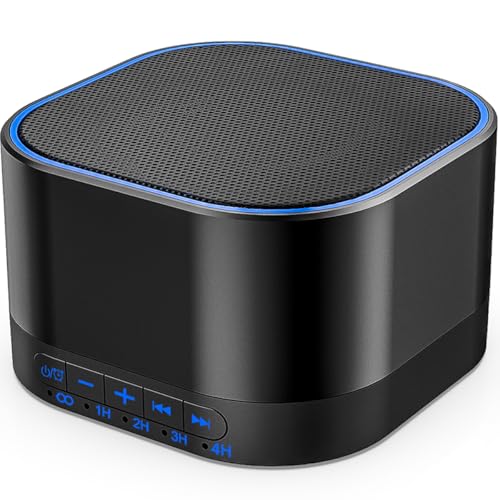
Magicteam White Noise Machine with 20 Non Looping Natural Soothing Sounds Memory Function 32 Levels of Volume Powered by AC or USB and Sleep Sound Timer Therapy for Baby Kids Adults Black
❤20 Non-Looping Sleep Sounds: White noise ,Brown noise, pink noise, blue noise, fan,brook, rain, ocean,bird and Bonfire,suitable for…
As an affiliate, we earn on qualifying purchases.
As an affiliate, we earn on qualifying purchases.
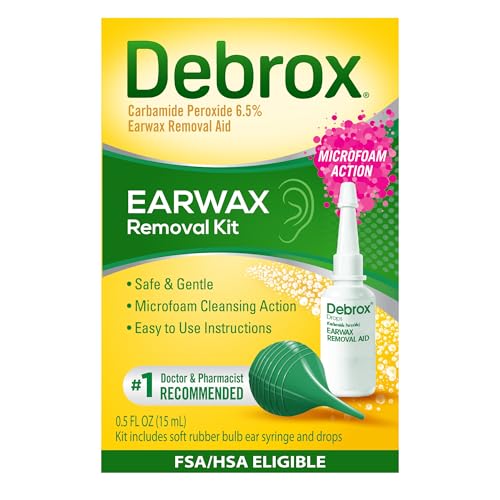
Debrox Ear Wax Removal Kit, Bulb Syringe & 0.5 Fl Oz Ear Wax Removal Drops with Carbamide Peroxide
Debrox Ear Wax Removal Drops use microfoaming action to gently soften and loosen excess ear wax, allowing it…
As an affiliate, we earn on qualifying purchases.
As an affiliate, we earn on qualifying purchases.