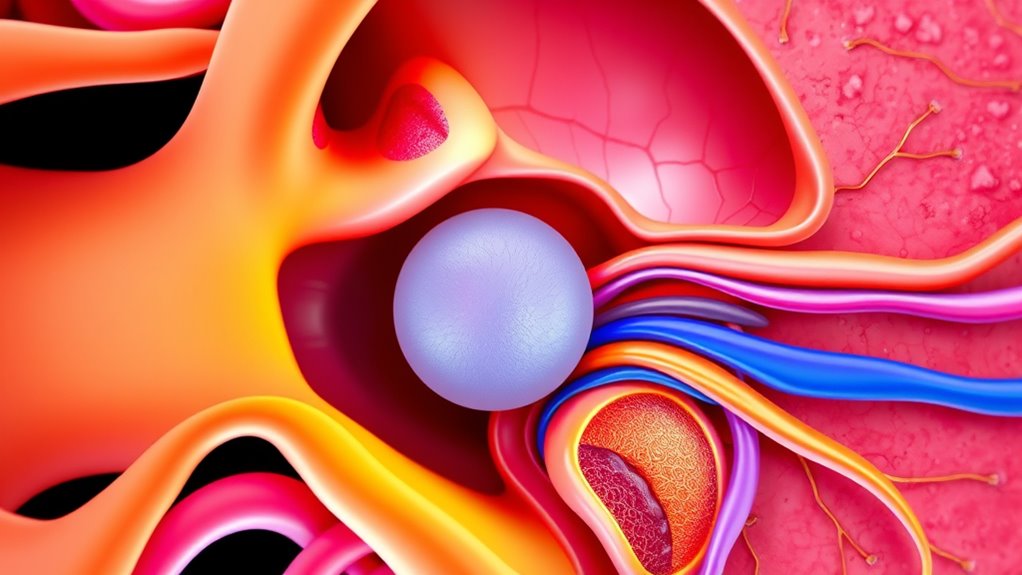

A vestibular schwannoma, or acoustic neuroma, is a benign tumor that develops from Schwann cells on your vestibular nerve, which controls balance and hearing. You might notice symptoms like hearing loss, ringing in your ears, or dizziness. Diagnosis typically involves MRI scans and hearing tests. Treatment options include surgery, radiation, or observation, depending on the tumor’s size and growth. Understanding these options can help you make informed decisions — and there’s more you can discover about managing this condition.
Key Takeaways
- Vestibular schwannoma is a benign tumor originating from Schwann cells on the vestibular nerve.
- Symptoms include hearing loss, tinnitus, dizziness, and balance issues.
- Diagnosis primarily involves MRI with gadolinium contrast and hearing tests like audiometry.
- Treatment options include surgery, stereotactic radiosurgery, or watchful waiting, depending on tumor size and symptoms.
- Early detection and regular monitoring improve management and help preserve nerve function and quality of life.

Vestibular schwannoma, also known as acoustic neuroma, is a benign tumor that develops from the Schwann cells covering the vestibular nerve, which is responsible for balance and hearing. As you begin to notice symptoms like hearing loss, tinnitus, or dizziness, it’s natural to wonder what’s causing these issues. The first step in addressing this concern involves understanding the diagnostic techniques used to confirm the presence of a vestibular schwannoma. Your healthcare provider might recommend imaging tests such as magnetic resonance imaging (MRI), which provides detailed images of the inner ear and brain. An MRI with gadolinium contrast is particularly effective in detecting small tumors early. In some cases, hearing tests like audiometry are performed to assess the extent of hearing loss and to help differentiate between different inner ear conditions. These diagnostic techniques are *essential* because early detection allows for more treatment options to be considered.
Once diagnosed, you’ll want to explore the treatment options available. The approach depends on factors like tumor size, growth rate, your age, overall health, and personal preferences. Surgery is a common treatment choice, especially for larger tumors or those causing significant symptoms. During surgery, the goal is to remove the tumor while preserving nerve function as much as possible, but it may involve risks such as hearing loss or facial weakness. Alternatively, stereotactic radiosurgery, such as Gamma Knife therapy, offers a non-invasive option that delivers targeted radiation to stop tumor growth. This method is often recommended for small to medium-sized tumors or for patients who aren’t good candidates for surgery. Observation, or “watchful waiting,” might also be appropriate if your tumor is small and not causing severe symptoms. Regular monitoring through MRI scans helps track tumor growth over time, allowing you and your doctor to decide when intervention might be necessary.
Regardless of which treatment route you choose, understanding the diagnostic techniques and treatment options empowers you to make informed decisions about your care. It’s normal to feel overwhelmed at first, but with advances in medical technology, many people manage vestibular schwannomas effectively. Your healthcare team will guide you through each step, ensuring you understand the risks and benefits of each approach. By staying informed and working closely with your specialists, you can navigate the diagnosis and treatment process confidently, aiming for the best possible outcome and quality of life.
Frequently Asked Questions
What Are the Latest Advancements in Vestibular Schwannoma Treatment?
You should know that recent advancements focus on targeted therapy and minimally invasive procedures for vestibular schwannoma. These treatments aim to reduce side effects and improve outcomes, with stereotactic radiosurgery like Gamma Knife offering precise, non-invasive options. Researchers are also exploring molecular therapies that specifically target tumor growth, providing hope for more personalized and effective management of the condition.
How Does Vestibular Schwannoma Affect Overall Quality of Life?
Ever wondered how a tumor might change your life? Vestibular schwannoma can impact your overall quality of life by causing balance issues that make daily activities challenging. It can also take an emotional toll, leading to anxiety or depression as you cope with symptoms and treatment uncertainty. While some find ways to adapt, others struggle with the ongoing emotional impact, making support and understanding essential.
Are There Any Alternative Therapies for Vestibular Schwannoma Management?
You can explore complementary therapies like acupuncture and meditation to help manage symptoms and improve well-being. Lifestyle modifications, such as reducing stress, maintaining a balanced diet, and staying physically active, may also support your overall health. While these approaches shouldn’t replace medical treatment, they can complement your management plan and potentially enhance quality of life. Always consult your healthcare provider before trying new therapies or making significant lifestyle changes.
What Are the Long-Term Prognosis and Survival Rates?
Your long-term survival rate for vestibular schwannoma is generally high, especially with early diagnosis and proper treatment. The prognosis depends on factors like tumor size, location, and your overall health. Most patients live many years post-treatment, with many experiencing minimal recurrence. Regular follow-ups are essential, as they help manage potential complications and improve long-term outcomes, ensuring you maintain a good quality of life.
How Do Genetic Factors Influence Vestibular Schwannoma Development?
Genetic factors play a significant role in vestibular schwannoma development. You’re more likely to develop these tumors if you have genetic mutations, especially in genes like NF2. Hereditary syndromes, such as Neurofibromatosis Type 2, increase your risk, often leading to multiple tumors. These genetic influences help explain why some individuals are more susceptible, guiding both diagnosis and personalized treatment approaches.
Conclusion
While vestibular schwannomas can seem intimidating, early diagnosis and treatment options like surgery or radiation make managing them feasible. You might worry about the risks involved, but advances in medical technology have considerably minimized complications. With prompt medical attention, you can preserve your hearing and balance, maintaining your quality of life. Remember, staying informed and proactive is your best defense—so don’t hesitate to seek professional guidance if you experience symptoms.