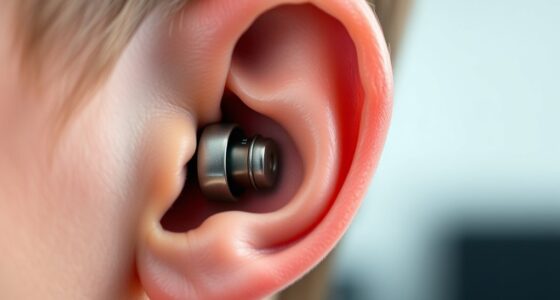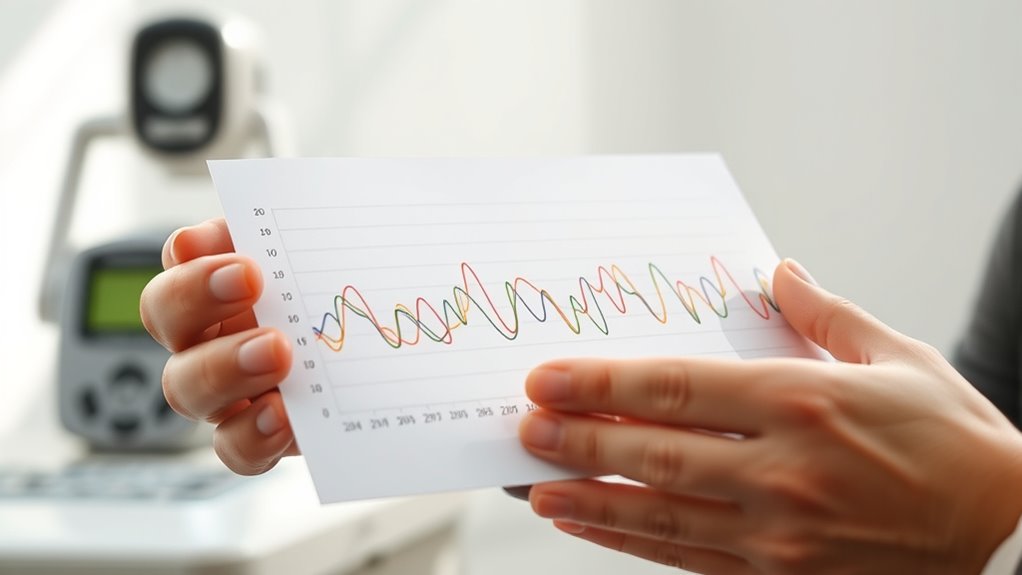

Getting a second audiogram is crucial because it helps you spot any changes in your hearing that you might not notice day to day. It allows your healthcare provider to verify if your hearing has worsened, improved, or stayed the same, so they can adjust treatments accordingly. Early detection of hearing shifts means you can explore options sooner, protect your hearing, and stay on top of your health. Keep going to discover more about why this step truly matters.
Key Takeaways
- Detects subtle hearing changes that may not be noticeable otherwise, enabling early intervention.
- Confirms whether hearing has worsened, improved, or remained stable for accurate diagnosis.
- Facilitates ongoing monitoring to identify gradual hearing loss over time.
- Helps uncover underlying causes like noise exposure or health issues for targeted treatment.
- Ensures current hearing needs are properly addressed, improving treatment effectiveness and peace of mind.
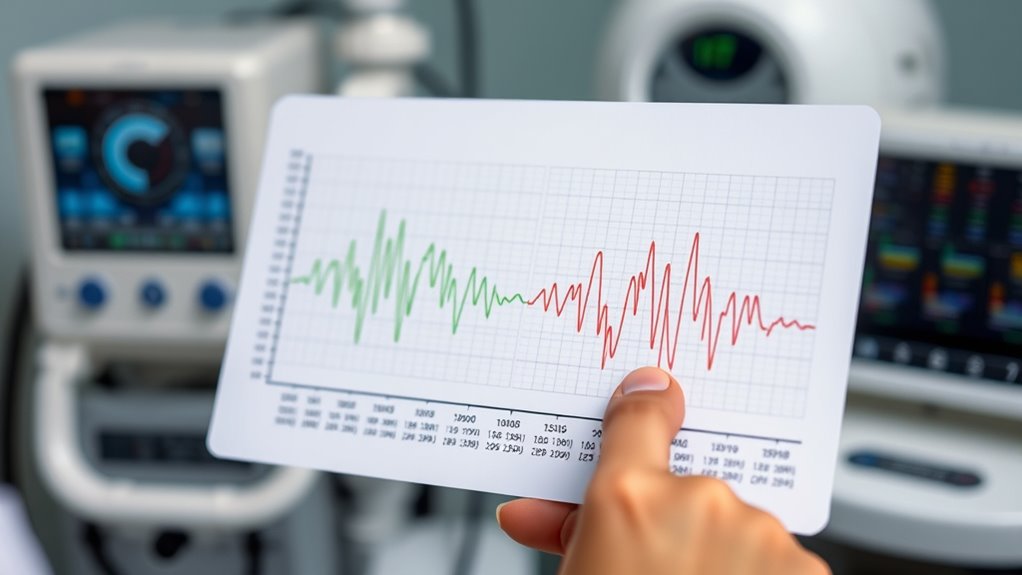
Have you ever wondered why scheduling a second audiogram is essential after an initial hearing test? It’s a question many people overlook, but it’s a crucial step in maintaining your hearing health. An initial audiogram provides valuable information, but a follow-up test can reveal important changes you might not notice otherwise. Early detection of any hearing loss is vital because it allows you to explore treatment options sooner, preventing further deterioration and improving your quality of life.
Scheduling a second audiogram ensures early detection and better hearing health management.
When you get a second audiogram, you’re essentially pinpointing whether your hearing has worsened, improved, or stayed the same. This helps your healthcare provider determine if your initial diagnosis was accurate or if adjustments are needed. Without this follow-up, you might miss subtle shifts in your hearing ability, which could be critical in managing your condition effectively. For instance, even slight changes can impact your communication skills, social interactions, and overall well-being.
Scheduling that second test is also about proactive health management. Hearing loss can develop gradually, often over months or years, so early detection through regular audiograms allows you to stay ahead of any potential issues. It’s much easier to address hearing concerns when caught early, whether that means fitting you with hearing aids, recommending certain therapies, or advising lifestyle adjustments. The sooner you identify a decline, the more treatment options you’ll have at your disposal, increasing the chances of preserving your hearing function.
Furthermore, a second audiogram can help you and your healthcare provider tailor a personalized plan based on your current needs. You might have started with mild hearing loss, but over time, your condition could change, requiring different or more advanced solutions. Monitoring your hearing regularly ensures that you’re not only reacting to issues but actively managing your hearing health with precision and confidence.
In addition, repeat testing can uncover underlying causes of hearing changes, such as noise exposure, aging, or health conditions like diabetes or cardiovascular issues. Recognizing these factors early can prompt broader health interventions that support your overall wellness. It also reassures you that your hearing health is being closely watched, giving you peace of mind and motivation to continue caring for your ears.
Getting a second audiogram also provides a more accurate assessment of your current hearing status, which is essential for effective treatment planning. Recognizing these factors early can prompt broader health interventions that support your overall wellness. It also reassures you that your hearing health is being closely watched, giving you peace of mind and motivation to continue caring for your ears.
In short, scheduling a second audiogram isn’t just about confirming what you already know; it’s about taking control of your hearing health. Early detection through follow-up testing opens up more treatment options, helps prevent further loss, and ensures you receive the most appropriate care. By staying proactive, you’re giving yourself the best chance at maintaining good hearing for years to come.

Decibel Meter, RISEPRO® Digital Sound Level Meter 30 – 130 dB Audio Noise Measure Device Backlight MAX/MIN, Data Hold Auto Power Off Dual Ranges HT-80A
USEFUL TOOL IN YOUR WORK & LIFE – This sound level meter is a great tool for checking,…
As an affiliate, we earn on qualifying purchases.
As an affiliate, we earn on qualifying purchases.
Frequently Asked Questions
How Often Should I Schedule a Second Audiogram?
You should schedule a second audiogram based on your hearing health needs and your audiogram frequency recommendations. Typically, it’s advised to get tested every 1 to 3 years, especially if you notice changes or have hearing concerns. Regular check-ups help track your hearing health over time, ensuring any issues are caught early. Always follow your audiologist’s advice for testing intervals to maintain superior hearing health.
Can a Second Audiogram Detect New Hearing Loss?
A second audiogram can indeed detect new hearing loss by providing a baseline comparison to your previous results. This helps your audiologist identify any changes early, which is vital for effective intervention. Regular testing ensures you catch any deterioration in hearing promptly, enabling timely treatment. So, yes, scheduling a second audiogram is a smart step toward early detection, safeguarding your hearing health and maintaining your quality of life.
What Factors Might Cause Differences Between Audiograms?
You might notice differences between audiograms due to testing accuracy and equipment variability. Factors like background noise, tester experience, or equipment calibration can impact results. Even small changes in testing conditions can cause discrepancies. These variations highlight the importance of considering multiple tests over time to accurately monitor your hearing health. By understanding these factors, you can better interpret audiogram results and make sure your hearing assessments are reliable.
Is a Second Audiogram Necessary After Hearing Aid Fitting?
You should consider a second audiogram after fitting your hearing aid to guarantee ideal hearing aid calibration and audiogram accuracy. This follow-up helps your audiologist verify that the device properly amplifies sounds based on your current hearing profile. Changes in hearing can occur over time, so a second audiogram confirms that your hearing aid settings remain effective, providing you with the best possible hearing experience.
How Does Age Influence the Need for a Second Audiogram?
Imagine your hearing as a garden that changes with seasons. As you age, age-related decline can subtly shift your hearing, making initial audiogram results less accurate over time. You need a second audiogram to verify your hearing profile remains precise, guiding effective treatment. Regular testing accounts for these changes, helping you maintain clarity and connection as your hearing landscape evolves.

Pryqutia Audiometer Earphone Air Conduction Headphone for Hearing Test, Air Transducers Headsets Headphone for DD45 and TDH39
High-quality: Our earphones features high sensitivity, low distortion, and a broad frequency response (125-8000Hz) to ensure crystal-clear audio…
As an affiliate, we earn on qualifying purchases.
As an affiliate, we earn on qualifying purchases.
Conclusion
Just like a wise traveler checks their map again before reaching their destination, getting a second audiogram guarantees you’re truly on the right path. It’s your chance to catch what might have been missed and protect your future hearing. Don’t let silence become your unwelcome companion. Remember, your journey to better hearing isn’t a one-time trip—it’s a continuous adventure. Stay vigilant, stay informed, and keep listening to life’s beautiful sounds.

Audien Atom One OTC Hearing Aids – Wireless, Rechargeable, and Comfortable | Clear Sound in a Small, Discreet Design for Seniors & Adults with Hearing Loss
Hear What Matters Most: Hearing isn’t one-size-fits-all. That’s why our adjustable frequency system lets you personalize your sound…
As an affiliate, we earn on qualifying purchases.
As an affiliate, we earn on qualifying purchases.
professional audiogram equipment
As an affiliate, we earn on qualifying purchases.
As an affiliate, we earn on qualifying purchases.