
TL;DR
New Mexico and Quebec are piloting programs based on the World Health Organization’s ICOPE framework, which screens adults over 65 across areas such as mobility, cognition, mood, hearing and vision. The programs offer self-management guidance and links to services, but their effects on health, independence and costs have not yet been established.
New Mexico and Quebec are piloting programs based on the World Health Organization’s Integrated Care for Older People framework, using app or online screening to identify health needs among adults over 65. The initiatives aim to help older adults address changes in areas such as mobility, cognition, mood, hearing and vision, and to support their ability to live independently; their impact has not yet been established.

Get everyday helpers delivered free with Prime
- Fast, free delivery on millions of items
- Prime Video, Amazon Music and more included
- Member-only deals all year
The ICOPE framework guides screening across multiple aspects of what the WHO calls intrinsic capacity, including cognitive function, mobility, nutrition and vitality, mood, vision and hearing. Participants can receive self-management suggestions and, when appropriate, referrals or information about providers. The framework is intended to complement care by drawing attention to needs that may not be covered in appointments focused on a particular illness.
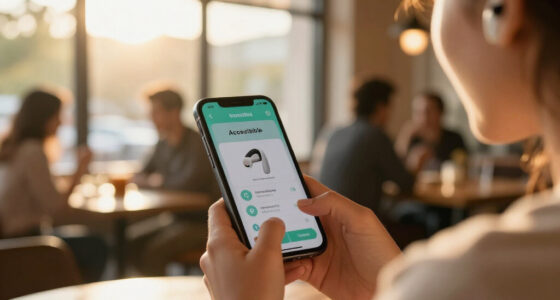
In New Mexico, the Vive Bien/Live Well program uses a mobile phone app to ask questions about physical abilities, mental health and cognition. It gives users a score and recommendations if screening indicates they may be at risk, and provides a printout they can take to a doctor. The program invites participants to repeat the assessment after six months. Its leaders are promoting the app through health insurers and older-adult centers.
Quebec’s program uses an online screening tool that combines screening with questionnaires and offers a list of nearby providers. Program director Dr. Gustavo Duque told Being Patient that 500 people had been screened in the first three weeks of operations in September. He said hearing difficulties were the most common deficit identified in that early group, rather than cognitive impairment. The report does not specify the year or provide further details about the participants.
Screening Beyond Individual Diseases
The programs address a practical problem described by their organizers: health systems can be organized around individual diseases, while older adults may have several needs affecting daily function at once. A brief, broad assessment could help people notice a concern and bring it to a clinician, while directing them toward relevant services. In areas where specialist access is limited, the approach may also give older adults a way to identify issues before they are discussed in a medical appointment.
That potential is not the same as proven benefit. The report describes screening activity and program goals, but does not establish that the tools prevent illness, delay disability, reduce hospital use or help participants remain independent longer. New Mexico plans to study emergency visits, hospitalizations and other measures; Quebec is collecting information on service needs and how useful participants and caregivers find the tools.
Products Worth Considering

Samsung Odyssey OLED G8 34-Inch Curved Ultra WQHD Gaming Monitor

Sonos Era 100 Wireless Smart Speaker with Alexa, Black

Bose QuietComfort Wireless Bluetooth Noise-Cancelling Headphones, Ice Blue
As an affiliate, we earn on qualifying purchases.
How the WHO Framework Is Being Adapted
The WHO began developing ICOPE in 2017 and supplies tools that regions can adapt to local programs. The framework emphasizes person-centered assessment rather than care organized only around separate diagnoses. According to the Being Patient report, France is among its earliest adopters and has screened 150,000 older adults. The report also cites a 2026 UN General Assembly progress report saying that 54.6 percent of member states had implemented a comprehensive assessment of older people, one component of ICOPE.
New Mexico’s medical operations director, Dr. Annashia Shera, described the state as resource-constrained and said its aging population faces difficulty accessing specialists. Quebec is testing a different delivery route through a website, while training cleaners who provide services to older adults to tell them about the program. The different approaches reflect local efforts to connect screening with existing community and health services.
“The “ICOPE approach helps shift care from a fragmented, disease-by-disease response to a more person-centred approach.””
— Dr. Yuka Sumi, WHO medical officer leading ICOPE’s development, in an email to Being Patient
Evidence on Outcomes Is Still Pending
The programs are pilots, and the report does not provide results showing whether screening leads to improved health or longer independence. New Mexico’s planned evaluation will track emergency-room visits, hospitalizations and other measures, but its schedule and methods are not specified. Quebec is collecting information on regional service needs and participant and caregiver views; the report does not give results beyond the initial screening count and the hearing-related finding.
It is also unclear how many people who receive screening will follow recommendations, obtain referrals or complete follow-up assessments. The source does not state the year of Quebec’s September launch, give a full description of the screened group, or say when either pilot will report outcome data. Screening results should not be treated as a diagnosis; the programs point users toward self-management information or health providers when needs are identified.
Evaluations Will Test the Pilots
New Mexico’s team is expected to assess whether the program is associated with changes in emergency visits, hospitalizations and other measures, and whether it can produce cost savings. Quebec’s team is gathering data to help identify where services may be needed and to learn how participants and caregivers rate the tools. The source report gives no timetable for either evaluation.
If the Quebec pilot is viewed as successful, its organizers hope to expand a similar program across Canada. For now, the immediate next steps are to continue connecting older adults with the screening tools, track how they are used and determine whether identified needs lead to appropriate support.
Key Questions
What is the WHO ICOPE framework?
ICOPE is WHO guidance for assessing several areas of older adults’ health and function, including mobility, cognition, mood, nutrition and vitality, vision and hearing. It also outlines self-management support and referral pathways.
Who can use the New Mexico and Quebec programs?
The programs are designed for older adults, including people over 65. The report describes app-based screening in New Mexico and an online tool in Quebec, but does not provide full eligibility rules for either pilot.
Do the screening tools diagnose health conditions?
The report describes screening and recommendations, not diagnosis. The tools are meant to flag possible needs and help people seek information or discuss concerns with a health professional.
Have the programs been shown to keep people independent longer?
That has not yet been established. The pilots are collecting information, and New Mexico plans to examine measures including emergency visits and hospitalizations. The report does not provide outcome data demonstrating that the programs extend independence.
Source: beingpatient.com