TL;DR

Get everyday helpers delivered free with Prime
- Fast, free delivery on millions of items
- Prime Video, Amazon Music and more included
- Member-only deals all year
A Sixty and Me report describes intimacy and sexuality as personal parts of well-being that can continue after 60, while stressing that neither is an obligation. It cites research associating sexual activity and emotional closeness with greater enjoyment of life, but says the study does not show that sex causes better health or longer life.
Intimacy and sexuality can remain part of well-being after 60, but they need not follow one pattern or be pursued at all, according to a Sixty and Me report drawing on guidance from the National Institute on Aging and other health organizations. The report also points to a study linking sexual activity and emotional closeness with greater enjoyment of life, while cautioning that the association does not prove sex improves health or extends life.
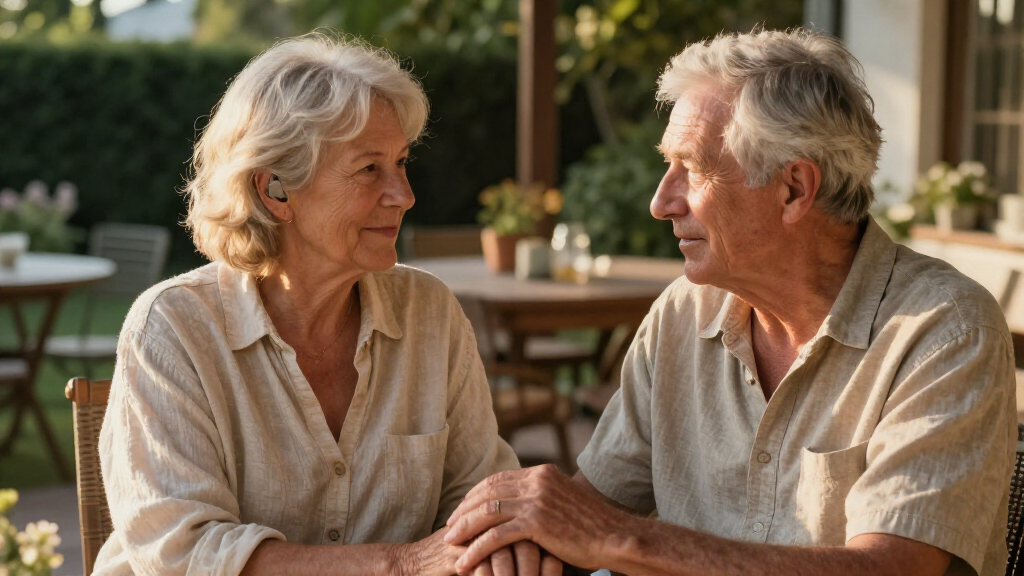
The report defines intimacy broadly: it may involve holding hands, kissing, affectionate touch or private conversation, as well as sexual activity. It says older adults can decide what forms of closeness suit them, whether they have a partner or are single. For people in relationships, discussing what feels comfortable now may help address preferences that have changed over time.
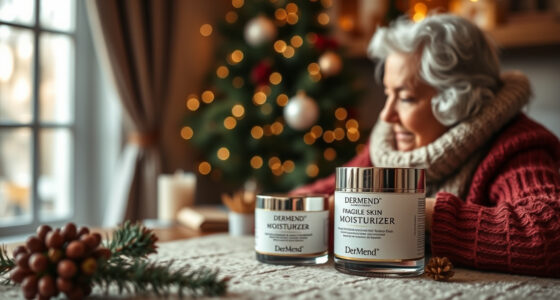
Physical changes after menopause can also affect comfort. Lower estrogen levels may contribute to vaginal dryness and changes in tissue elasticity, which can make sexual activity uncomfortable. The Menopause Society says lubricants can reduce friction during sexual activity, while vaginal moisturizers are used regularly for ongoing dryness. The report advises speaking with a health professional about persistent pain, bleeding or troublesome dryness; treatment options depend on a person’s history.
For people exploring sex with a new partner, the report recommends discussing condoms and testing for sexually transmitted infections, noting that menopause does not remove the risk of infection. It also describes masturbation as one possible way to explore pleasure, while emphasizing that penetration is optional and that no one has to pursue sexual activity if they do not want to.
Making Room for Comfort and Choice
The report matters because it treats sexuality as a subject of well-being without presenting it as a requirement for healthy aging. Older adults may face changes in their bodies, bereavement, caregiving demands or shifts in desire. Framing intimacy as something each person can define may give readers language for discussing needs, boundaries and discomfort without assuming that everyone wants the same kind of relationship or sexual life.
It also distinguishes practical support from broad health promises. Addressing dryness or pain can make intimacy more comfortable for some people, but the report does not claim that sexual activity is necessary to stay healthy. Its account of the research is deliberately limited: an association with enjoyment of life is not proof of a health benefit caused by sex.
That distinction is relevant to readers weighing health information. A satisfying intimate life may have personal value through pleasure and connection, but it should not be treated as a prescription, a measure of successful aging or a guarantee of longevity. The report says people can take a small step if they want greater intimacy, or choose not to pursue it.
Products Worth Considering

Bose QuietComfort Headphones (2nd Gen), Wireless Noise-Cancelling Over-Ear Headphones, Eucalyptus Green

Sony WH-1000XM6 Wireless Noise-Canceling Over-Ear Headphones, Blue, Bundle

Jackery Solar Generator 1000 V2 with 200W Solar Panel
As an affiliate, we earn on qualifying purchases.
What the Research Can Show
The report cites a 2019 study of older adults in England, which found that sexual activity and emotional closeness during sexual activity were associated with greater enjoyment of life. The source material does not provide the study’s sample size, specific measures or effect estimates, so those details cannot be assessed from the report alone.
The authors of the Sixty and Me report caution that the finding is an association, not evidence that sexual activity causes greater enjoyment, better health or longer life. Healthier people may be more able to remain sexually active, and relationship quality may also matter. The report specifically warns against claims that sex or masturbation prevent cognitive decline, strengthen immunity or guarantee longevity.
Its practical guidance draws on several organizations: the National Institute on Aging for the range of ways older adults may experience intimacy, the Menopause Society for information on lubricants and moisturizers, and the American College of Obstetricians and Gynecologists for masturbation as one option for exploring sexual pleasure.
“There is no single pattern you must follow.”
— Sixty and Me report
Limits of the Evidence and Advice
The source material does not give the 2019 study’s sample size, methods, effect size or follow-up period. It is therefore not possible from the report alone to judge how strong the observed association was or how well it applies to older adults outside England. The report itself says the research does not establish cause and effect.
Menopause-related symptoms and treatment choices vary. The report notes that low-dose vaginal estrogen may be appropriate for some people depending on their medical history, but it does not assess individual suitability. Anyone with persistent pain, bleeding or troublesome dryness should discuss symptoms with a qualified health professional. It also remains a personal matter whether someone wants sexual activity or intimacy at all.
Personal Choices and Clinical Conversations
The report does not announce a new policy, study or clinical guideline. Its suggested next steps are personal: people who want more closeness might arrange uninterrupted time with a partner, talk about changing preferences or explore forms of affection that feel comfortable. Those experiencing discomfort can raise it with a healthcare professional rather than silently enduring it.
For a new partner, discussing condoms and STI testing can help address infection risk. If desire has changed in a way that causes concern, the report suggests asking whether medication, illness, stress or relationship concerns could be contributing. The source gives no timeline for further research or updated guidance; readers seeking medical decisions should consult a qualified professional familiar with their health history.
Key Questions
Does sexual activity improve health or extend life after 60?
The cited research does not establish that. A 2019 study of older adults in England found an association between sexual activity and emotional closeness during sex and greater enjoyment of life. Association alone does not show that sex caused the reported difference or extends life.
What can help with dryness or discomfort after menopause?
The report says lubricants can reduce friction during sexual activity and vaginal moisturizers can help with ongoing dryness. Persistent pain, bleeding or troublesome dryness warrants a conversation with a qualified health professional, who can discuss options in light of your medical history.
Does intimacy have to involve intercourse or a partner?
No. The report includes affection, kissing, touch and conversation among forms of intimacy. It also describes masturbation as one option for people who want to explore pleasure, and says penetration is optional. Sexual activity is not an obligation.
Can sexually transmitted infections still be a concern after menopause?
Yes. The report says menopause does not remove STI risk. With a new partner, it recommends discussing condoms and testing for sexually transmitted infections.
Source: sixtyandme.com