
Yes, old military records can still help your hearing claim by providing key evidence of your service and exposure to loud noises, such as gunfire or explosions. These documents verify your service dates, discharge status, and any related health issues, strengthening your case. Even if records are incomplete, additional supporting info like medical records or buddy statements can make a difference. Keep exploring to discover more ways these records can support your claim.

Get everyday helpers delivered free with Prime
- Fast, free delivery on millions of items
- Prime Video, Amazon Music and more included
- Member-only deals all year
Key Takeaways
- Old military records verify exposure to loud noises and support service connection for hearing loss claims.
- They provide official service dates, discharge details, and medals, strengthening the claim’s credibility.
- Medical records from service can document hearing issues or related health concerns.
- Accessing these records helps build a comprehensive case, improving chances of claim approval.
- Even older or incomplete records can be supplemented with buddy statements or additional evidence.
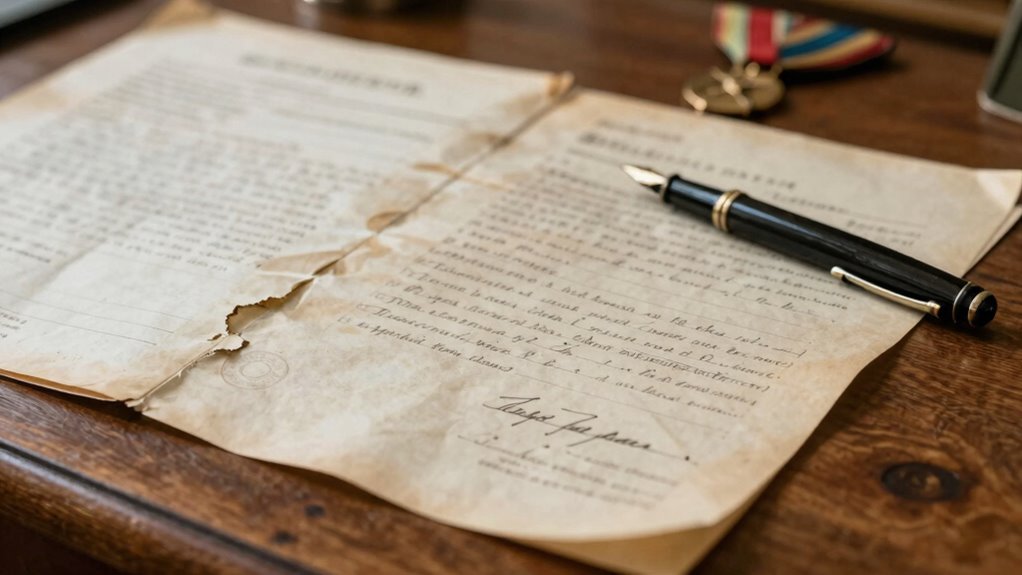
Old military records can be invaluable when filing hearing claims**, especially for veterans seeking benefits related to service-connected hearing loss or damage. These records serve as critical evidence to support your case and can considerably influence the outcome of your claim. When you’re trying to establish that your hearing issues are linked to your military service, having detailed documentation from your time in the service can make a real difference. They help verify your exposure to loud noises**, such as gunfire, explosions, or heavy machinery, which are common causes of hearing damage. Without solid proof, it might be challenging to prove the connection between your hearing loss and your military service.
Old military records are essential for proving service-related hearing loss claims and supporting your case.
Your military discharge documentation is particularly important in this process. It provides official confirmation of your service, including your dates of service, the nature of your discharge, and any medals or citations received. This information helps the VA understand your military background and the context of your service-related health issues. A discharge characterized as honorable, for example, typically strengthens your claim, while a less-than-honorable discharge might require additional evidence or explanation. When filing your claim, providing these documents ensures that the VA has a clear record of your service history, which is essential in establishing your eligibility for veteran health benefits.
In some cases, old military records might contain medical files or service treatment records that document hearing problems during your active duty. If you can locate records indicating that you received treatment for hearing issues or were diagnosed with hearing loss during your service, this evidence directly links your condition to your military experience. Even if your records don’t explicitly mention hearing problems, any documentation related to noise exposure, injuries, or other health concerns can support your claim. It’s worth digging through your old files or requesting records from military archives, as these can be instrumental in building a strong case. Additionally, old military records can sometimes contain detailed accounts that help corroborate your claim when other evidence is limited. Accessing these records can be a crucial step in strengthening your case, especially when trying to establish a clear connection to your service. Having access to comprehensive documentation can significantly strengthen your case by providing a complete picture of your service and health history. Furthermore, digital record retrieval services are now available to help veterans access these important documents more efficiently.
Ultimately, the more detailed and extensive your military records are, the better your chances of receiving the veteran health benefits you deserve. They provide the foundation for your claim, validating your service and the circumstances that led to your hearing loss. If your records are incomplete or missing, you can still gather supporting evidence, such as buddy statements or medical opinions, but having your official documentation is always a notable advantage. To increase your chances of success, verify your military discharge documentation and any related health records are thorough and up-to-date before submitting your claim.
Military service record retrieval
As an affiliate, we earn on qualifying purchases.
As an affiliate, we earn on qualifying purchases.
Frequently Asked Questions
How Can I Access My Old Military Records?
You can access your old military records through military record retrieval methods like the National Archives. Start by submitting a Standard Form 180 online or by mail. The process supports historical document preservation by ensuring your records are maintained properly. Be prepared to provide details like your full name, service number, and dates of service. This way, you can retrieve essential documents needed for benefits claims, genealogical research, or personal records.
Are Military Records Always Complete and Accurate?
Military records aren’t always complete and perfectly accurate, due to factors like record preservation issues or historical accuracy challenges. You might find gaps or errors, especially in older documents. It’s crucial to verify your records through official sources and cross-reference any discrepancies. Despite potential flaws, these records often provide valuable information that can support your hearing claim, especially when combined with other evidence or updated records.
Do I Need Military Records to File a Hearing Claim?
Yes, you typically need military records to support your hearing claim. Veteran benefits often rely on these records to verify service details and medical history. Record preservation is vital, as older documents can still be valuable even if they seem outdated. Accessing complete records helps strengthen your case, making it easier to obtain the benefits you deserve. Make sure you gather all relevant documents to improve your chances of a successful claim.
How Long Do Military Records Remain Available?
Military records remain accessible for decades due to diligent record preservation. Typically, historical documentation is stored securely, often for 62 years or more, ensuring long-term availability. The preservation process safeguards these records, making them valuable assets for veterans seeking benefits. You can confidently access old military records, knowing they’re preserved for decades, providing essential details to support your hearing claim. Stay proactive—your records remain a reliable resource for your benefit journey.
Can Military Records Prove Service-Connected Hearing Loss?
Yes, your military records can help prove service-connected hearing loss. They provide valuable hearing loss documentation and confirm your service details, ensuring military record accuracy. These records often include audiograms and medical reports that support your claim. Even older records can be useful, so it’s important to gather and review them thoroughly. Accurate military records strengthen your case by clearly linking your hearing loss to your military service.
Conclusion
So, don’t toss those old military records aside like forgotten relics. They’re treasure chests filled with clues that can open your hearing claim’s success. Like a lighthouse guiding ships through foggy waters, these records illuminate your path to rightful benefits. Keep them close, and let their stories speak for you. With a little patience and persistence, you’ll find the key to clear hearing and brighter days ahead.
Columbus Day / Indigenous Peoples' Day Picks
long weekend sales
As an affiliate, we earn on qualifying purchases.