

VA hearing care benefits cover evaluations, hearing aids, maintenance, and tinnitus management, helping you maintain your hearing health. Most standard digital hearing aids, including behind-the-ear, in-the-ear, and receiver-in-canal types, are covered, but advanced features like Bluetooth may cost extra. Tests and services are often free at VA clinics, but upgrades or specialized devices might not be fully covered. To get the most out of your benefits, guarantee you understand what’s included and explore available options.

Get everyday helpers delivered free with Prime
- Fast, free delivery on millions of items
- Prime Video, Amazon Music and more included
- Member-only deals all year
Key Takeaways
- The VA covers hearing assessments, hearing aids, tinnitus management, and advanced assistive listening devices.
- Approved hearing aid types include digital, BTE, ITE, and RIC models, with coverage for maintenance and repairs.
- Custom devices offer better fit but may cost more; standard devices are more affordable and easier to replace.
- VA benefits typically involve no out-of-pocket costs for clinic visits and device maintenance, but private services may have fees.
- Certain premium features like Bluetooth connectivity or specific brands may require additional costs or are not fully covered.
digital behind-the-ear hearing aids
As an affiliate, we earn on qualifying purchases.
As an affiliate, we earn on qualifying purchases.
What Hearing Care Services Does the VA Cover?
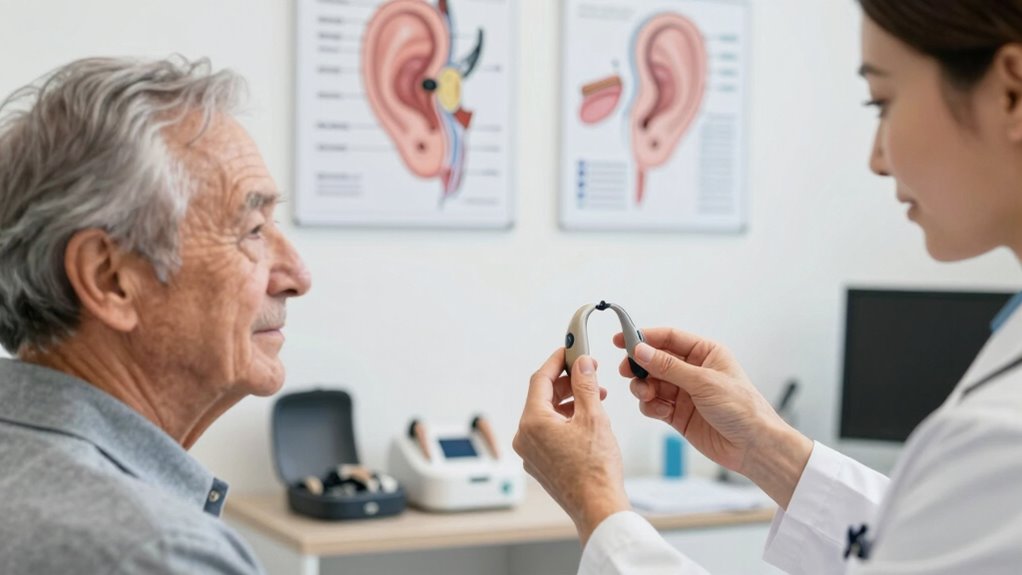
The VA provides a range of hearing care services to eligible veterans, guaranteeing they receive the support they need for hearing loss and related issues. This includes thorough hearing assessments and personalized treatment plans. If you use hearing aids, the VA covers hearing aid maintenance, helping you keep your devices in prime condition. For those experiencing tinnitus, the VA offers tinnitus management programs that include counseling and sound therapy options. These services aim to improve your quality of life by addressing both hearing loss and associated conditions. Additionally, the VA emphasizes the importance of hearing health maintenance to prevent further deterioration. They also incorporate advanced assistive listening devices and other innovative solutions to enhance communication. The VA’s goal is to ensure you have access to necessary treatments and support, so you can manage your hearing health effectively. Regular hearing screenings are encouraged to monitor your progress and catch any issues early. Engaging in preventive care can significantly reduce the risk of additional hearing problems in the future. Moreover, the VA promotes early intervention strategies to address hearing issues promptly, minimizing long-term impacts. Rest assured, these services are designed to meet your needs and enhance your daily life.
Which Hearing Devices Are Included in VA Benefits?
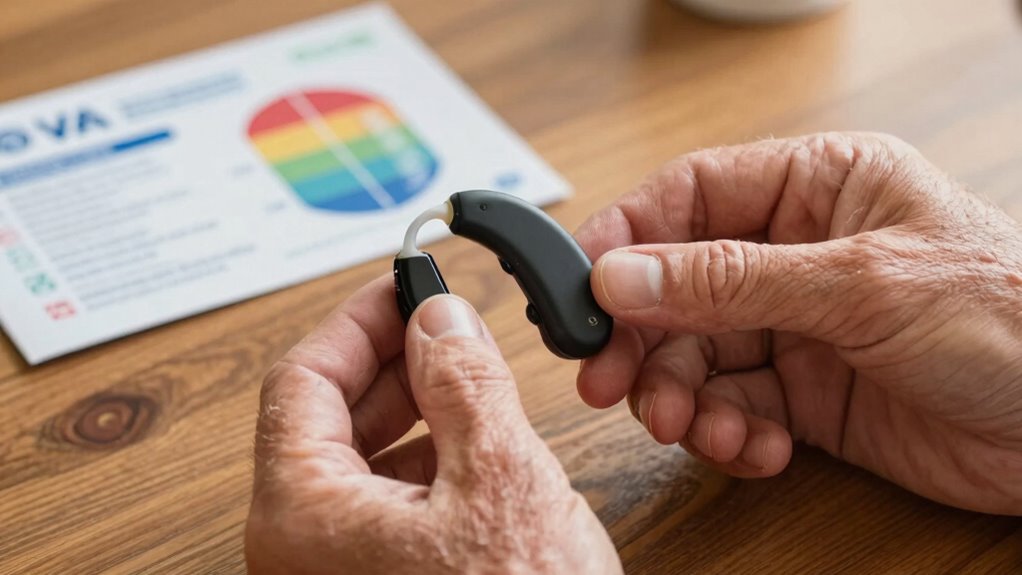
You’ll find that VA benefits cover approved hearing aid types, including both custom and standard devices. Modern digital technologies are also included to guarantee you get the latest features. Understanding these options helps you choose the best device for your needs. Additionally, the selection process can be influenced by the technology used in hearing aids, ensuring you receive a device that offers optimal sound quality and performance. Recognizing the advancements in hearing aid technology can further assist you in making an informed decision about your hearing health. Being aware of Free Floating options can help you explore innovative solutions for your hearing needs, especially as new insulation techniques are being developed to improve device comfort and sound clarity. Staying informed about sound processing methods can also help you select devices that better adapt to your listening environment.
Approved Hearing Aid Types
When it comes to VA hearing aid benefits, a variety of device types are approved for coverage, guaranteeing you have access to the technology that best meets your hearing needs. The VA typically covers different hearing aid types, including behind-the-ear (BTE), in-the-ear (ITE), and receiver-in-canal (RIC) devices. These device options cater to various preferences and levels of hearing loss. BTE models are durable and versatile, while ITE and RIC options offer discreetness and comfort. The VA aims to provide you with the most suitable hearing aid type for your specific condition. By covering these device options, the VA ensures you can choose among high-quality hearing aids that improve your hearing and overall quality of life. Hearing aid technology continues to advance, providing more personalized and effective solutions for users, and staying informed about covered devices can help you make the best choice for your needs. Additionally, understanding the warranty coverage and potential limitations of reconditioned or new devices can influence your selection process. Furthermore, recent innovations in hearing aid features are designed to enhance user experience through improved sound quality and connectivity options, making it even more important to stay updated on available device capabilities. Moreover, being aware of the benefits of new devices can help you decide whether to opt for brand-new or reconditioned hearing aids based on your circumstances.
Custom Versus Standard Devices
Many VA-covered hearing devices fall into two main categories: custom and standard models. Custom devices are tailored to fit the unique shape of your ear, offering comfort and a more precise fit. Custom devices provide better comfort and sound accuracy. Additionally, custom fitting procedures ensure optimal performance tailored to your ear’s anatomy. Incorporating advanced fitting technology can further enhance the personalized fit and performance of your hearing aids. Standard devices, on the other hand, come in generic sizes and are typically easier to replace or upgrade. Standard devices are often more affordable and readily available. Custom devices may require more fitting appointments. Both types of devices can incorporate innovative European cloud solutions to enhance functionality and connectivity. Understanding the features and compatibility of each option helps you choose the most suitable device for your lifestyle needs. Knowing which type fits your needs helps you make informed choices within VA benefits. Additionally, understanding the differences in styling and application can help you select the most suitable device for your daily needs.
Modern Digital Technologies
Modern digital hearing devices are now standard within VA benefits, offering advanced features that improve sound clarity and user experience. Thanks to tech advancements, these digital hearing aids can automatically adjust to different environments, filter out background noise, and provide clearer speech. VA covers a variety of devices equipped with digital hearing technology, ensuring you get high-quality support. Here’s a quick overview:
| Device Type | Features | Suitable For |
|---|---|---|
| Behind-the-Ear (BTE) | Digital sound processing | Severe to profound loss |
| In-the-Ear (ITE) | Custom, discreet, digital tech | Mild to moderate loss |
| Receiver-in-Canal (RIC) | Advanced noise reduction | All levels of hearing loss |
| Bone-Conduction Devices | Digital signal transmission | Conductive loss |
| Cochlear Implants | Direct nerve stimulation | Profound hearing loss |
These tech advancements guarantee you receive tailored, effective hearing solutions through VA benefits. Digital hearing technology continues to evolve, offering even more personalized and seamless hearing experiences. Additionally, the integration of smart features into some devices allows for remote adjustments and health monitoring, enhancing user convenience and care.
Are Hearing Tests Fully Covered by the VA?

Hearing tests are generally fully covered by the VA when they are recommended as part of your hearing care benefits. This means you won’t have to worry about out-of-pocket costs for standard assessments through VA audiology services. The VA covers hearing test coverage to help diagnose your hearing issues accurately, ensuring you get the appropriate treatment. To maximize your benefits, schedule your hearing tests through VA audiology clinics, and confirm that the appointment qualifies under your current benefits. Keep in mind, if additional tests or specialized evaluations are needed, coverage may vary. Always check with your VA provider beforehand to understand what’s included in your coverage and avoid surprises. Staying informed ensures you access the care you need without unnecessary costs. Hearing test coverage is designed to support veterans in managing their hearing health effectively, and understanding the scope of benefits can help you utilize available resources fully. Additionally, the VA’s coverage policies are regularly updated to reflect advancements in audiology, so staying in touch with your provider can ensure you receive the most comprehensive care.
Are There Hearing Aids or Devices That Aren’t Covered by VA?
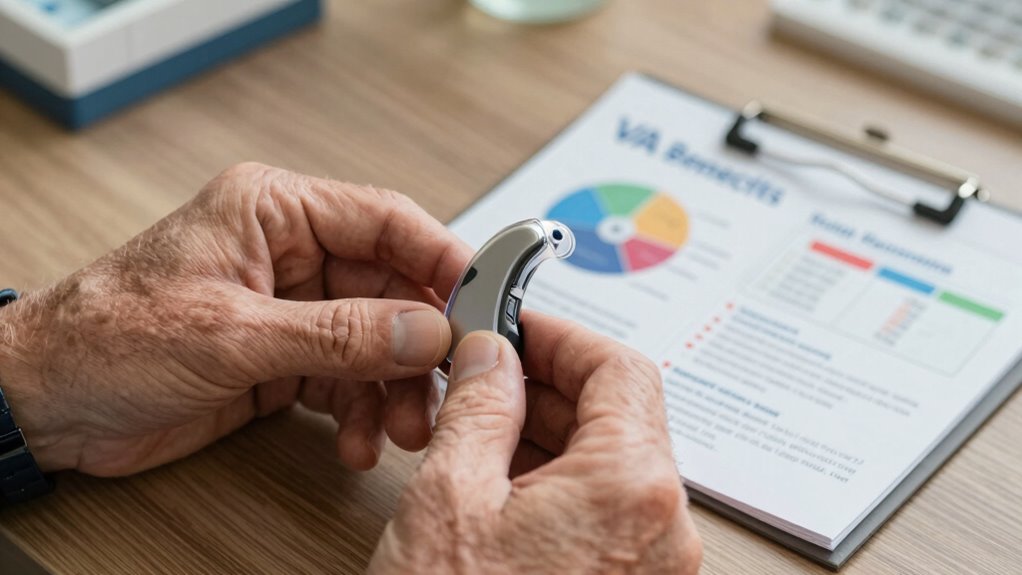
While the VA covers a wide range of hearing aids and devices, some options may not be be fully included in your benefits. Certain hearing aid brands, especially premium or specialized models, might not be fully covered. Additionally, not all devices are compatible with VA-approved systems or accessories. You could find that high-end hearing aids with advanced features, like Bluetooth connectivity, aren’t covered or require out-of-pocket costs. Here’s a quick overview:
| Hearing Aid Brands | Device Compatibility |
|---|---|
| ReSound, Phonak, Widex | Compatible with VA-approved accessories |
| Oticon, Starkey | May require additional adapters |
| Other premium brands | Not covered or limited in compatibility |
Always check if the device suits your needs and is compatible with VA coverage or if you’ll need to pay extra. Being aware of coverage limits can help you plan your options effectively.
How Can You Access VA Hearing Care and Benefits?

To access VA hearing care and benefits, you’ll need to understand the eligibility requirements and follow the proper process. Scheduling appointments is straightforward, whether online or by phone, making it easy to get the care you need. You can also access these benefits locally at VA clinics or authorized providers in your area.
Eligibility Requirements and Process
If you’re eligible for VA hearing care benefits, the process to access them is straightforward. First, verify you meet veteran eligibility requirements, such as active duty, service-connected disability, or other qualifying factors. Next, you’ll need to complete a benefit application, which can be done online, in person, or by mail. Once your application is submitted, the VA reviews your eligibility and supporting documents. If approved, you’ll receive confirmation and instructions on how to access services. Remember, having your military service records ready can speed up the process.
- Confirm veteran eligibility status
- Complete and submit a benefit application
- Provide necessary supporting documents
- Await VA approval and instructions
Scheduling Appointments Easily
Once you’ve completed your application and received approval from the VA, scheduling your hearing care appointments is simple. The VA offers convenient appointment scheduling options, including online booking through their secure portal. You can select a date and time that work best for you without the hassle of phone calls or waiting on hold. Many VA clinics now provide online appointment systems, allowing you to manage your hearing care schedule at your own pace. If you prefer, you can also call your local VA facility to book your appointment directly. Using online booking tools saves time and provides instant confirmation, ensuring you get the care you need without unnecessary delays. This streamlined process makes accessing VA hearing benefits more accessible and efficient.
Accessing Benefits Locally
Accessing VA hearing care benefits locally is straightforward, especially when you know where to turn. You can visit nearby local clinics that partner with the VA, making it easier to get care without long travel. To navigate your benefits effectively, use the VA’s benefit navigation tools, which help you find approved providers and clinics. These resources guarantee you receive the care you’re entitled to with minimal hassle.
Consider these options:
- Contact your local VA medical center or clinic
- Use VA’s online benefit navigation tools
- Call the VA helpline for assistance
- Check with community-based outpatient clinics (CBOCs)
What Costs Are You Responsible for When Using VA Hearing Services?

Are there costs you need to cover when using VA hearing services? Generally, VA benefits minimize your out-of-pocket expenses, but some cost sharing may apply depending on your circumstances. You might be responsible for certain co-pays or fees if you seek services outside VA facilities or choose private providers. To clarify, here’s a quick overview:
| Service Type | Cost Sharing | Out-of-Pocket Expenses |
|---|---|---|
| VA Clinic Visits | Usually none | Rarely, if specialized care is needed |
| Private Provider Services | Possible co-pays | Additional fees if not covered by VA |
| Hearing Aids | Some costs | Replacement or upgrades not fully covered |
| Maintenance & Repairs | Typically none | Extra costs depend on warranty |
Understanding your potential costs helps you plan better and avoid surprises.
How Can Veterans Maximize Their VA Hearing Care Benefits?

To get the most out of your VA hearing care benefits, it’s important to stay informed about available services and proactively seek care when needed. Regular hearing conservation practices can help prevent further hearing loss, maximizing the value of your benefits. Advocate for yourself by understanding your coverage options and staying updated on new programs or screenings. Connecting with veteran advocacy groups can provide additional support and resources. Also, schedule routine checkups to catch issues early and ensure you’re utilizing all eligible services. Staying engaged with your hearing health ensures you’re making the most of your benefits and protecting your hearing long-term. Remember, proactive care and advocacy are key to optimizing your VA hearing care experience.
- Stay informed about available services and updates
- Practice hearing conservation regularly
- Engage with veteran advocacy groups
- Schedule routine hearing checkups
Frequently Asked Questions
Can Veterans Get Hearing Aid Batteries Through VA Benefits?
Yes, veterans can obtain hearing aid batteries through VA benefits, especially if you’re receiving hearing aids or related services. The VA often provides hearing aid batteries to guarantee your devices work properly. However, coverage for hearing aid repairs may vary, so it’s important to verify your specific benefits. Keep in mind, you might need to request supplies like batteries separately, and they can assist with repairs if necessary.
Are Hearing Aid Repairs Covered by VA?
Did you know that over 80% of veterans report hearing difficulties? Yes, VA covers hearing aid repairs, but only if you go to VA audiology clinics. They handle hearing aid maintenance, including repairs, to guarantee your devices work properly. Keep in mind, out-of-warranty repairs might require you to pay. Visiting VA clinics regularly helps maintain your hearing aids and ensures you get the most benefit from your benefits.
How Long Does It Take to Get Hearing Aids After Approval?
Once you get VA approval, hearing aid wait times typically range from a few weeks to a couple of months. The VA approval process can influence how quickly you receive your devices, as they need to process your paperwork and coordinate with providers. To expedite things, stay in touch with your VA audiologist and verify all your documentation is complete. Patience is key during this waiting period.
Do VA Hearing Benefits Include Tinnitus Treatment?
Think of tinnitus management like tuning a complex instrument—you need the right treatment options. VA hearing benefits do include some tinnitus treatment, but coverage varies. You might qualify for sound therapy, counseling, or medications, depending on your case. While it doesn’t always cover every option, your VA provider can help you explore personalized tinnitus management strategies to ease the ringing and improve your quality of life.
Are There Eligibility Restrictions for Specific Hearing Care Services?
Yes, there are eligibility restrictions for specific hearing care services. Service restrictions can limit access based on your military service, disability rating, or other qualifying factors. Benefit limitations may also apply, meaning not all services are fully covered or available to everyone. You should check with your VA provider to understand which services you qualify for and any restrictions that might affect your access to hearing care.
Conclusion
Finding your way through VA hearing care might feel like trying to find a needle in a haystack, but with the right knowledge, you can ensure your needs are met. By understanding what’s covered and how to access benefits, you’ll be well-equipped to take charge of your hearing health. Don’t let the process be as confusing as deciphering an ancient scroll—stay informed, ask questions, and make the most of your benefits today.
Halloween Picks
halloween
As an affiliate, we earn on qualifying purchases.