TL;DR

Get everyday helpers delivered free with Prime
- Fast, free delivery on millions of items
- Prime Video, Amazon Music and more included
- Member-only deals all year
Personal sound amplifiers are devices designed to amplify environmental sounds, and they may help some seniors hear everyday sounds more easily. They are not the same as prescription or over-the-counter hearing aids, and they cannot diagnose hearing loss; compare comfort, sound controls, and return options, and consult an audiologist if hearing problems persist or seem significant.
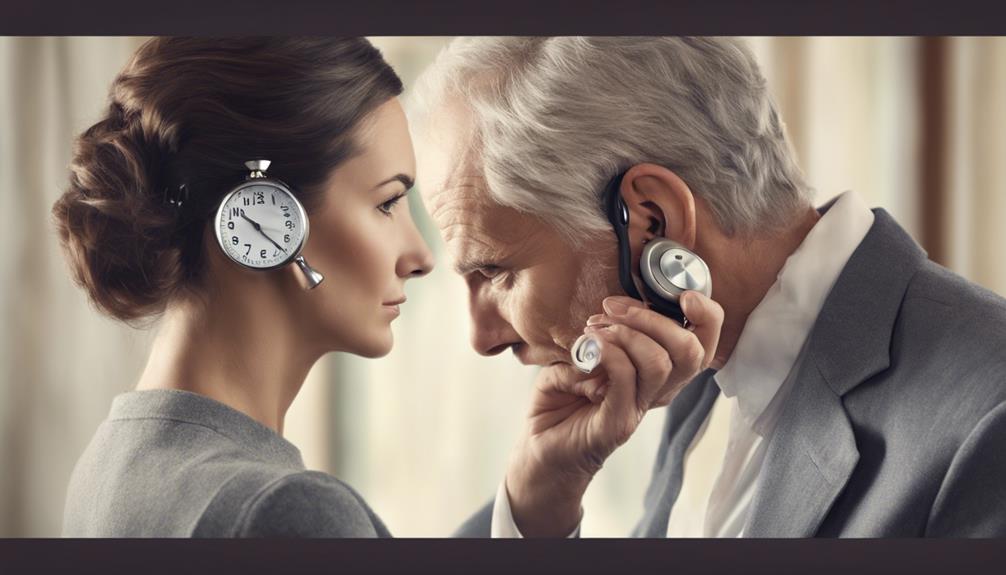
A television volume that keeps creeping higher can be the first clue that listening has become work. For many older adults, the problem shows up in smaller moments too: a grandchild’s soft voice across the table, a doorbell from the next room, or conversation in a busy café.
Personal sound amplifiers for seniors may help make some everyday sounds easier to hear. But they are not interchangeable with hearing aids, and a low price or easy online purchase does not tell you whether a device suits your hearing. This guide explains what these amplifiers do, how they differ from hearing aids, what features deserve your attention, and when to ask an audiologist or another qualified professional for help.
You will also see why the setting matters. A device that helps you hear birdsong on a quiet porch may make clattering dishes and overlapping voices louder at dinner. The useful question is not simply, “Does it amplify sound?” It is, “Does it help you hear what you need, comfortably and safely?”
A personal sound amplifier boosts surrounding sounds; it is not automatically a hearing aid or a hearing assessment.
Test a device in the setting where you need it, since a busy room can become louder without making speech clearer.
Compare comfort, controls, battery needs, sound features, and return terms—not price alone.
In the U.S., the FDA’s 2022 OTC hearing-aid rules did not make every sound amplifier an OTC hearing aid.
Seek advice from an audiologist or qualified clinician if hearing difficulty persists, worsens, or interferes with conversation.
What personal sound amplifiers can—and cannot—do
Personal sound amplifiers for seniors are small electronic devices designed to amplify environmental sounds, such as speech, television, or birds outside. They can be useful for some people with mild listening difficulties, especially in specific situations, but they do not diagnose hearing loss or automatically provide the customized support of a hearing aid.
Think of a basic amplifier like turning up the whole room, not just the person speaking. If you are sitting on a quiet porch and want to hear a neighbor, added volume may help. In a restaurant, the same device may boost fork clinks, chair scrapes, and nearby conversations along with your friend’s voice. This is why the listening environment matters: the device may make more sound audible without making the important sound easier to pick out.
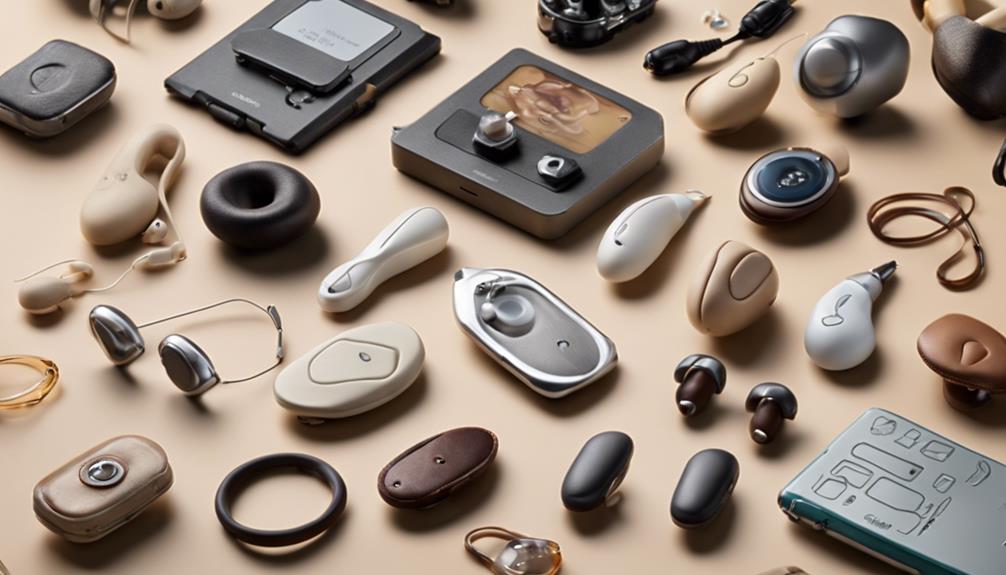
Some models add features such as directional microphones or digital sound processing. A directional microphone may favor sound from in front of you, which can help during a face-to-face conversation, but it may be less useful when a speaker is beside you or moving around. Digital processing may shape or reduce certain sounds, yet it cannot guarantee clear speech in every setting. A compact ear-level device might suit someone who wants simple controls for television time, while a tabletop unit may work better for family conversation at home.
Amplification is not the same as improved clarity. If speech sounds muffled, one ear hears much less than the other, or you struggle even in quiet rooms, raising volume may not solve the underlying issue. In some cases, turning sound up can make listening tiring or uncomfortable without restoring the details needed to understand words. An audiologist can assess your hearing and discuss suitable options; this article is general information, not a diagnosis or treatment plan.
personal sound amplifier for seniors
As an affiliate, we earn on qualifying purchases.
As an affiliate, we earn on qualifying purchases.
See how an amplifier differs from a hearing aid
Personal sound amplifiers and hearing aids serve different purposes. Amplifiers boost surrounding sound, while hearing aids are designed as medical devices to address hearing loss and may be programmed or adjusted for an individual’s hearing profile. That distinction matters when you are deciding what to buy, not just comparing price tags: a lower-cost amplifier may suit a limited listening task, but it may not address difficulties that occur across different pitches, voices, and environments.
In the United States, the FDA finalized rules in 2022 that created a category of over-the-counter hearing aids for adults with perceived mild to moderate hearing loss. That change expanded access, but it did not turn every product marketed as a sound amplifier into an OTC hearing aid. Check the product’s stated category and labeling rather than relying on a retailer’s broad use of the word “hearing.” Product category helps set expectations about what the device is intended to do; it does not, by itself, tell you whether a particular product will work well for you.
| Feature | Personal sound amplifier | Hearing aid |
|---|---|---|
| Typical purpose | Amplify surrounding sounds for particular uses | Address hearing loss with a hearing-device approach |
| Adjustment | Often basic volume or listening modes | May offer fitting or self-adjustment features, depending on type |
| Access | Often sold directly to consumers | May be prescription or, for eligible adults, over-the-counter |
| Best next step | Check fit, sound quality, and return policy | Review product guidance and seek professional support as needed |
For example, a person who wants extra help hearing the television may try a simple amplifier for that one task. Someone who misses conversation in several settings may benefit from a hearing assessment before choosing any device. The difference is practical: a single-use listening aid can be judged in that situation, while broader or persistent difficulty calls for figuring out what is causing it and what kind of support fits. Cost and convenience matter, but so does buying a product suited to the problem you actually have.
Choose a device you can use comfortably every day
The best personal sound amplifier is one you can operate, wear, and return if it does not suit you. Personal sound amplifiers are devices designed to amplify environmental sounds, making them useful for seniors with mild to moderate listening difficulties in selected situations. The phrase describes a possible use, not a promise that every model will work for every person.
Before buying, match the device to a real listening moment. If you want to hear your daughter at a kitchen table, ask whether the model has directional microphones or a mode intended for conversation. If you mainly watch television, a dedicated TV listening system may be more comfortable than wearing an ear device all evening. Matching the product to the task also makes it easier to judge whether it helps: you can compare the same familiar activity before and after using it.
- Name the situation. Write down when you have trouble: one-on-one conversation, television, meetings, or outdoor sounds. A specific goal helps prevent paying for features that do not address your difficulty.
- Check comfort and controls. Look for buttons you can feel and read, a fit that does not pinch, and a volume setting you can adjust without a tiny tool. If controls are hard to manage, you may avoid adjusting the sound when the environment changes.
- Compare practical features. Review rechargeable versus replaceable batteries, cleaning instructions, noise-control options, and Bluetooth compatibility if phone use matters. Consider how the feature fits your routine: a rechargeable model is convenient only if you can keep it charged, while replaceable batteries may be easier when charging is unreliable.
- Read the return terms. Find out how long you can test the device and whether opened products can be returned. A trial period matters because comfort and sound quality can be difficult to judge from a display or product description.
- Try it in a quiet place first. Start at a low volume, then test familiar conversation before using it in a busy room. Beginning quietly helps you notice whether the sound is comfortable instead of mistaking loudness for improvement.
Imagine your father testing a new model while listening to the evening news. If the announcer sounds louder but harsh, or the device whistles when he hugs someone, those details matter more than a long feature list. A return window gives you room to judge real comfort rather than guessing from a product photo—and helps avoid keeping a device that does not solve the listening problem.
Understand the price, convenience, and sound-quality tradeoffs
Personal sound amplifiers can cost from around $50 to several hundred dollars, depending on design and features, but a higher price does not guarantee a better match. Compared with prescription hearing aids, many are more affordable and easier to buy. That convenience can be appealing when you want to test a device for a specific task, but buying quickly can also mean less help deciding whether the product is appropriate for a broader hearing problem.
Still, a bargain model may lack helpful controls or may amplify background noise along with speech. A more expensive product might offer rechargeable batteries, Bluetooth, or customizable sound profiles, but those features only add value if you will use them. If you never stream calls, Bluetooth may be less useful than a large, easy-to-press volume button. The tradeoff is not simply basic versus advanced: it is whether a feature improves your everyday use enough to justify its cost and complexity.
Look closely at what the price includes. A device that needs disposable batteries can bring ongoing costs; a rechargeable model needs a dependable charging routine. Small ear tips may be hard to handle if your fingers are stiff, while a slightly larger body can be easier to clean and adjust. These practical details can determine whether a device gets used consistently, even if its sound seems promising during a brief test.
Picture a shopper choosing between a $60 amplifier and a costlier model with a charging case. If the cheaper device is comfortable and works well for television, it may be enough. If the person wants to use it for several hours a day and struggles with tiny batteries, paying more for rechargeable power could make daily life simpler. Compare the full experience, not just the number on the box: purchase price, ongoing supplies, ease of handling, and how well it performs in the intended setting.
Know when an amplifier is not enough
An amplifier is not a substitute for a hearing assessment when hearing problems are persistent, worsening, or affecting everyday communication. It may be a poor fit for severe hearing loss or complex hearing needs, and extra volume can make uncomfortable sounds harsher. A professional can help identify whether hearing loss, earwax, medication effects, or another issue needs attention. Finding the cause matters because increasing volume may mask a problem without addressing it, and different causes can call for different next steps.
According to the supplied overview, about one in three adults aged 65–74 and nearly half of adults aged 75 and older experience some degree of hearing loss. Those estimates show why listening changes deserve attention, but they cannot tell you what is causing one person’s difficulty or which device they need. Age-related patterns are context, not a personal diagnosis.
Ask a qualified professional for guidance if one ear suddenly hears much less, speech remains unclear even when it is loud, or you need rapidly increasing volume to follow a conversation. Sudden hearing changes warrant prompt medical attention. Avoid turning an amplifier up until sound feels sharp or painful, and stop using it if it causes discomfort. Pain or harshness is a reason to stop and reassess, not a sign that the device simply needs more time at a higher setting.
For instance, if your mother hears the television better with an amplifier but still cannot follow a quiet conversation across the table, that is useful information to share at an appointment. It does not prove a diagnosis. An audiologist can assess her hearing and explain options, including whether a hearing aid or another approach makes more sense. Bringing notes about when the amplifier helped and when it did not can make the conversation more specific and useful.
Make the first week of use more useful
A short, deliberate trial tells you more than a quick test at the store. Start with a familiar voice in a quiet room, keep the volume low, and notice whether speech becomes clearer or merely louder. Then test the device in the setting where you expect to use it most often. A consistent starting point makes it easier to tell whether a change in settings actually helps.
For example, try a ten-minute conversation at the kitchen table before bringing the amplifier to a crowded birthday dinner. Note whether you can follow one speaker, whether dishes become distracting, and whether the device stays comfortable. If the sound is tiring after a few minutes, take it off and review the settings rather than forcing yourself to adapt. A busy gathering is a tougher test because many sounds compete at once; if the device struggles there, that does not necessarily mean it is useless for quieter situations.
Keep a simple listening log for several days. Write down the situation, volume setting, comfort, and what you could hear. “Watched the news at volume 3; voices clearer, no whistling” gives you and a professional more useful information than “seemed okay.” Patterns can show whether the device works reliably for one task or whether problems recur across settings, which helps guide a return decision or a conversation with a hearing professional.
- Clean it as directed. Earwax and moisture can affect performance; follow the manufacturer’s care instructions.
- Store it safely. Keep the device and charging cable in one visible place, away from pets and damp counters.
- Check the fit. A loose fit may whistle or feel unstable; do not force a tip that hurts.
- Use the return period wisely. Test ordinary situations and contact the seller if the device does not perform as described.
A family member can help with setup, but the wearer’s comfort should guide the decision. The goal is easier listening, not a device that spends the week in a drawer. If the trial shows little benefit, that is useful information too: it can prevent spending more time or money on a product that does not fit the need.
Frequently Asked Questions
Are personal sound amplifiers safe and effective for seniors?
They can help some people hear everyday sounds in specific situations, especially when the difficulty is mild. Results depend on the device, the listener, and the setting, and a poor fit or excessive volume can be uncomfortable. Ask an audiologist or qualified clinician for advice if hearing problems persist.
Do personal sound amplifiers require a prescription?
Many personal sound amplifiers are sold directly to consumers without a prescription. That does not mean every model suits your hearing needs, or that it has the same purpose as a hearing aid. Check the product’s labeling and seek professional guidance if you are unsure.
How much do personal sound amplifiers cost?
Prices vary, with examples ranging from around $50 to several hundred dollars depending on design and features. Include battery or charging needs, comfort, controls, and the return policy in your comparison. A higher price does not guarantee a better match for you.
Can I buy a personal sound amplifier over the counter?
Many are available directly from retailers. In the United States, the FDA finalized rules in 2022 for a separate category of over-the-counter hearing aids, so do not assume that every product called an amplifier belongs to that category. Read the label and product description carefully.
When should a senior see an audiologist instead of trying an amplifier?
Consider an audiology appointment if hearing difficulty persists, gets worse, affects conversation, or remains even when sound is turned up. Sudden hearing changes need prompt medical attention. A hearing professional can assess your needs and discuss appropriate choices without relying on guesswork.
Conclusion
Choose for the listening problem you actually have. A personal sound amplifier may help with a particular everyday task, but comfort, clarity, and the right product category matter more than a flashy feature list or a low price. Try it carefully, keep track of what improves, and ask an audiologist or qualified professional when hearing concerns continue.
The right device should make conversation feel less like work—not turn the whole room into a louder room.
Halloween Picks
halloween
As an affiliate, we earn on qualifying purchases.