
TL;DR

Get everyday helpers delivered free with Prime
- Fast, free delivery on millions of items
- Prime Video, Amazon Music and more included
- Member-only deals all year
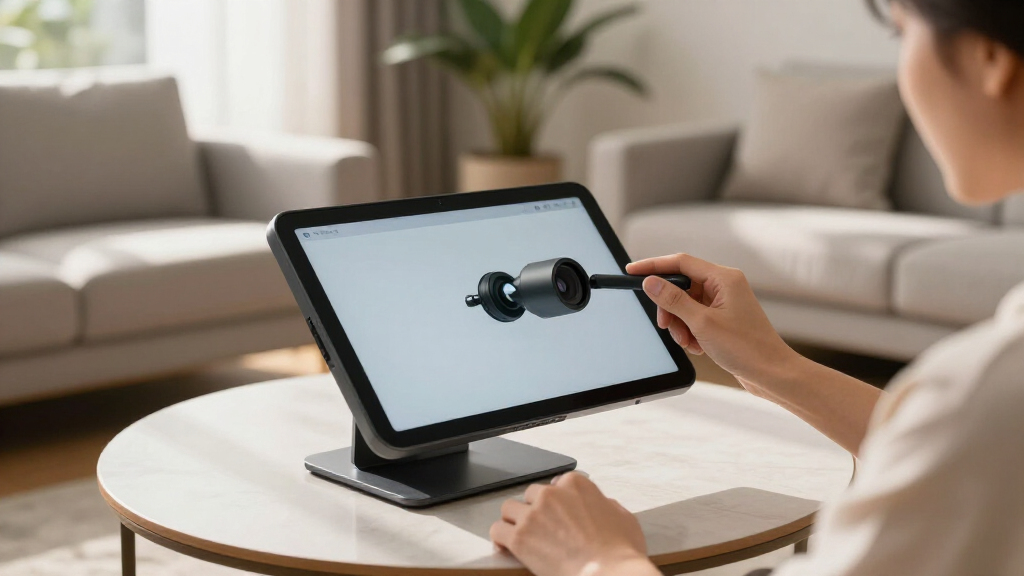
Autofocus digital magnifiers automatically adjust focus, making reading and viewing much easier, especially for low-vision users. They come in various sizes and features, suited for different needs and budgets. This guide compares top models to help you pick the best for your situation.
Imagine trying to read a restaurant menu, but every time you shift your gaze, you must refocus manually. Frustrating, right? Autofocus digital magnifiers eliminate that hassle. They keep text and objects sharp automatically as you move or tilt the device, making close-up viewing effortless.
If you or someone you care about struggles with low vision or needs a handy tool for hobbies like coin collecting or electronics work, understanding what makes a great autofocus magnifier can change everything. Here’s what you need to know to pick a device that feels natural, sharp, and reliable.
Autofocus significantly improves ease of use and reduces fatigue compared to manual-focus devices.
Choose a device based on your main task: reading, hobbies, or distance viewing, considering screen size and zoom range.
Higher resolution cameras and contrast modes make a visible difference, especially for low-vision users.
Battery life and weight matter for portability—look for rechargeable, lightweight models for all-day use.
Extra features like OCR, HDMI output, and adjustable contrast can greatly enhance functionality and independence.
Why Autofocus Digital Magnifiers Make Life Easier
Autofocus is the game-changer. It keeps the image crisp without fiddling with focus rings or buttons. Why does this matter? For users with tremors, arthritis, or tired eyes, manual focus adjustments can be frustrating and time-consuming, often leading to missed details or increased fatigue. Autofocus simplifies this process, allowing users to concentrate on the task at hand instead of constantly adjusting settings.
Moreover, the ability to automatically maintain focus means less cognitive load—users don’t need to remember or struggle with focus controls, which is especially beneficial in high-stakes or time-sensitive situations like reading medication labels or inspecting small electronics. The quick focus response, often under a second, ensures seamless transitions between different objects or reading distances, making daily activities smoother and more efficient.
While manual-focus devices might offer more control for experienced users, the tradeoff is increased complexity and potential frustration. Autofocus devices prioritize ease of use, which can enhance independence and confidence, especially for those with low vision or physical limitations.
autofocus digital magnifier for low vision
As an affiliate, we earn on qualifying purchases.
As an affiliate, we earn on qualifying purchases.
Top Features to Look for in Autofocus Digital Magnifiers
When selecting an autofocus digital magnifier, understanding why certain features matter can help you make a more informed choice. For example, a higher magnification range might seem desirable, but it often comes with a narrower field of view, meaning less of the document or object is visible at once. This tradeoff can impact usability, especially for reading longer texts or inspecting larger objects. Balancing zoom with field of view is crucial for a device that feels both powerful and practical.
Screen size and quality are also pivotal. Larger screens improve comfort and reduce eye strain, but they may compromise portability. High-resolution displays like OLED or high-quality LCDs provide sharper, more vibrant images, which is vital for users with low vision who rely on contrast and clarity. Understanding the implications of these choices helps ensure the device fits seamlessly into your daily routine.
Camera resolution directly impacts image clarity. While HD (720p/1080p) is standard, 4K cameras offer even crisper images, particularly useful for detailed work such as inspecting tiny electronic components or reading fine print. However, higher resolution often comes with increased cost and processing requirements. Deciding what level of detail you need involves considering your primary tasks and whether the added expense is justified.
Contrast and display modes aren’t just about aesthetics—they significantly affect readability for low-vision users. Modes like white-on-black or yellow-on-blue can dramatically improve text contrast, reducing eye strain and making reading more comfortable. These settings should be easy to toggle, allowing customization based on ambient lighting and personal preference.
Battery life and portability are intertwined. A longer-lasting battery allows extended use without interruption, which is essential for on-the-go tasks or lengthy hobbies. However, larger batteries often mean increased weight. Balancing battery capacity with device weight is key—lighter, rechargeable units provide convenience, but may require frequent charging if used intensively. Considering your typical usage patterns helps determine the best fit.
Additional features such as OCR (optical character recognition) for reading text aloud, HDMI or USB outputs for connecting to larger screens, and adjustable brightness settings can greatly enhance usability. These features offer flexibility, making the device adaptable to various environments and needs, ultimately supporting greater independence and efficiency.
How to Pick the Perfect Autofocus Magnifier for You
- Identify Your Main Need: Clarify whether your primary goal is reading, distance viewing, or hobby-related inspection. This focus influences the specifications you prioritize; for instance, close-up reading benefits from higher magnification and contrast modes, while distance viewing requires adjustable cameras or larger screens.
- Set a Budget: Recognize that prices vary widely. Entry-level models around $100–$300 might suffice for basic tasks, but advanced features like high zoom, large screens, and OCR can push costs beyond $2,000. Knowing your budget helps narrow options without sacrificing essential features.
- Compare Screen & Magnification: For everyday portability and versatility, a 7–10″ screen with 4x–10x zoom offers a good balance. Larger screens provide more detail but can be bulkier, impacting mobility. For specialized hobbies requiring extreme detail, higher zoom levels and bigger displays may be necessary, but consider how this affects comfort and ease of use.
- Check Battery & Weight: If you need a device for frequent travel or outdoor use, prioritize lightweight models with long battery life—ideally 3–4 hours or more. For stationary use, a larger, possibly corded device might offer better image quality without concerns about weight or battery life.
- Consider Extra Features: Features like OCR, scene capture, and multiple connection options add significant value for users needing text-to-speech or image storage. Evaluate which features genuinely enhance your experience and align with your daily routines, avoiding unnecessary complexity or expense.
Compare Top Autofocus Digital Magnifiers Side by Side
| Model | Screen Size | Magnification | Battery Life | Special Features |
|---|---|---|---|---|
| ScopeAround 2.8″ | 2.8″ | up to 20x | Battery powered | Autofocus, dual LEDs, ergonomic handle |
| TOMLOV 4K AF | 10.1″ HDMI | up to 2000x | Battery powered | HDMI output, AI autofocus, 16GB SD card |
| Elikliv LCD 1000x | 4.3″ | up to 1000x | Rechargeable | Contrast modes, LED lights, Mac/Windows |
| Elikliv EM3K-AF | 12″ IPS | up to 2000x | Battery powered | High-res screen, autofocus, HDMI/USB |
The Best Autofocus Magnifier for Different Needs
If you want a device mainly for reading — especially small print or detailed text — a model like the Tomlov 4K AF with a large, high-res screen and powerful zoom can make a huge difference. It offers a balance of clarity, ease of use, and portability, making it suitable for everyday reading tasks. For hobbyists inspecting coins, electronics, or intricate crafts, a higher zoom (up to 2000x) combined with a stable stand or flexible arm allows for detailed examination without sacrificing stability, which is crucial for precision work. Users needing distance viewing—such as for whiteboards, presentations, or outdoor observations—should look for models with adjustable cameras or those that can tilt or rotate, like the Elikliv EM3K-AF. This flexibility allows for comfortable viewing from various angles and distances, reducing strain and improving overall usability.
Matching the device’s capabilities to your primary activities ensures you get the right balance between features, convenience, and cost. The more tailored your choice, the less frustration and more productivity you’ll enjoy, whether reading small print, inspecting tiny parts, or viewing distant objects.
Common Questions About Autofocus Digital Magnifiers
- Is autofocus worth paying extra for? Absolutely. Autofocus reduces eye strain, speeds up tasks, and makes the device more intuitive, especially for those with shaky hands or low vision. The convenience of instant focus means less time spent adjusting and more time concentrating on the task, which can be crucial in time-sensitive situations or when working with delicate objects.
- What magnification do I really need? For most reading tasks, 4x–10x is sufficient to see small print comfortably without losing too much context. Higher magnifications (above 20x) are ideal for inspecting tiny details, such as electronic components or jewelry, but come with a narrower field of view, making it harder to read or view larger sections at once. Understanding this tradeoff helps you select a device that balances detail with usability.
- Can I connect it to a larger screen? Yes, many models feature HDMI or USB outputs, allowing you to project images onto bigger monitors or TVs. This capability is especially useful for shared viewing, presentations, or detailed work requiring larger displays. Keep in mind that connectivity options may add to the device’s cost and complexity, but they significantly expand its versatility.
- How long does the battery last? Typical units last between 2–4 hours on a full charge, which is generally enough for most tasks or hobbies. Some models support charging while in use, extending session times. For frequent or extended use, consider models with longer battery life or those that can be plugged in directly, ensuring uninterrupted workflow.
- Is OCR (text-to-speech) necessary? For users with severe low vision, OCR provides a significant independence boost by reading printed text aloud. It’s particularly valuable for reading labels, signs, or documents quickly. For less severe vision impairments, OCR remains a helpful feature but isn’t essential. Deciding whether OCR is a priority depends on your specific needs and how much you rely on auditory support for reading tasks.
Conclusion
Autofocus digital magnifiers bring clarity and simplicity to those who need it most. Picking the right model depends on where, how, and why you use it. Focus on your priority—reading, hobbies, distance—and trust that the perfect device is within reach.
Imagine flipping through a book or inspecting a coin with ease, your view crisp and effortless. That’s the power of a well-chosen autofocus magnifier. Don’t settle for less—your clearer vision awaits.
Halloween Picks
halloween
As an affiliate, we earn on qualifying purchases.