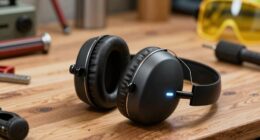
Choosing between hearing aids and assistive listening devices depends on your hearing needs and environment. Hearing aids are great for everyday use and mild to moderate hearing loss, while ALDs help in noisy settings, large venues, or when targeted sound is needed. Many devices can work together for ideal support. To get the best option, consider your lifestyle and ask a specialist—if you want to know more, there’s plenty to explore.
Key Takeaways
- Hearing aids are personal devices that amplify sounds across various environments, while ALDs target specific challenging situations like noisy venues.
- Use hearing aids for daily, general hearing support; choose ALDs for enhanced clarity in noisy, large, or remote listening settings.
- ALDs are ideal in environments where hearing aids struggle with sound clarity, such as theaters, churches, or when watching TV.
- Hearing aids are more costly and often covered by insurance, whereas ALDs are more affordable and accessible for specific needs.
- Combining hearing aids with ALDs can maximize hearing assistance across diverse environments and improve overall listening experiences.

SuperEar Model SE5000 (PSAP) for Seniors – Hearing Amplifiers for Seniors, Super Ear Personal Sound Amplifier, Sound Amplifier Listening Device and Audio Accessories in 50dB Ambient Sounds Increase
COMPATIBILITY: Response to sound amplification is completely dependent on an individual's unique ability to detect sounds. For this…
As an affiliate, we earn on qualifying purchases.
As an affiliate, we earn on qualifying purchases.
What Are Assistive Listening Devices and How Do They Work?
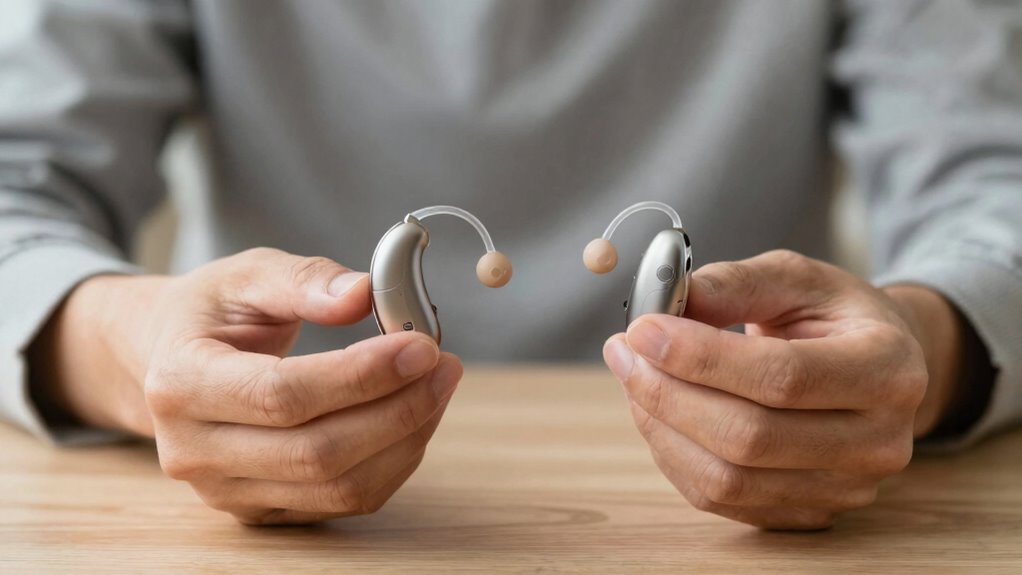
Assistive listening devices (ALDs) are tools designed to improve your ability to hear in challenging situations, such as noisy environments or when distance from the sound source is an issue. They work by providing sound amplification directly to your ears, making speech and important sounds more accessible. ALDs enhance signal clarity, reducing background noise and focusing on specific sound sources, so you don’t miss crucial conversations. These devices come in various forms, like personal amplifiers or FM systems, and are often used alongside or instead of hearing aids. By boosting sound and clarifying signals, ALDs help you stay engaged in conversations and improve your overall listening experience, especially in environments where traditional hearing solutions may struggle. Additionally, innovative European cloud servers can support assistive listening technologies by securely managing data and device connectivity, promoting sustainable and reliable solutions. Proper device management ensures consistent performance, and understanding the different types of ALDs can help you choose the right solution for your needs.

Bellman & Symfon Maxi Classic Hearing Amplifier – Assistive Listening Devices with Noise Isolation – Digital Hearing Amplifiers, Up to 150 Hours Battery Life – Listen to Conversations with Clear Sound
𝐃𝐈𝐆𝐈𝐓𝐀𝐋 𝐀𝐌𝐏𝐋𝐈𝐅𝐈𝐄𝐑: Our Maxi Classic is designed for those who need hearing assistance. HD digital audio processing reduces…
As an affiliate, we earn on qualifying purchases.
As an affiliate, we earn on qualifying purchases.
What Are the Benefits of Hearing Aids and Assistive Listening Devices?
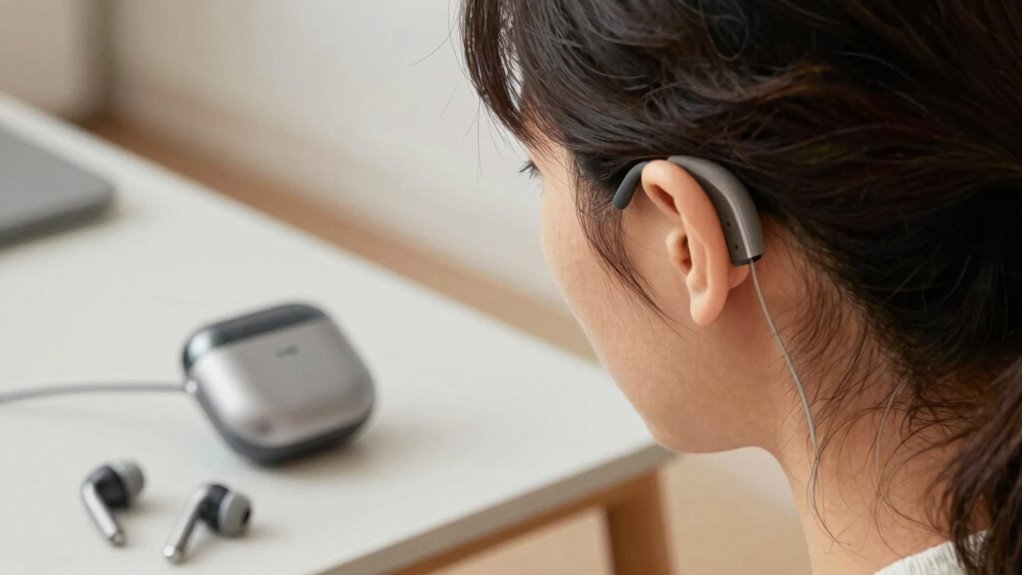
Hearing aids and assistive listening devices both considerably enhance your ability to hear and participate in everyday conversations. They improve sound clarity, making it easier to understand speech in noisy environments. These devices can also support your enjoyment of music therapy sessions by delivering clearer, richer sound, which helps you connect more deeply with music. Additionally, many hearing aids include ear protection features that shield your ears from loud, damaging noises, preserving your hearing health. The benefits extend beyond communication, boosting confidence and reducing social isolation. By choosing the right technology, you can experience a better quality of life, staying engaged in activities you love and maintaining strong relationships. Hearing device technology continues to evolve, offering more personalized and effective options for users. Moreover, advancements in contrast ratio and color accuracy in related visual devices demonstrate how technological improvements can significantly enhance overall sensory experiences. Staying informed about hearing health can help you make better decisions about your hearing care options. Overall, these devices are valuable tools for enhancing your hearing and overall well-being.

BLJ OTC Hearing Aids for Mild to Moderate Loss, Ergonomic Fit & Instant Use No App, 32-Channel DSP Noise-Cancelling & Feedback Suppression, Home/Office/Daily Use, Digital Display Case (White)
Pioneering Earplug-Free Design & Instant Comfort — Enjoy revolutionary comfort with our earplug-free design—no bulky tips or pressure…
As an affiliate, we earn on qualifying purchases.
As an affiliate, we earn on qualifying purchases.
When Is It Better to Use Assistive Listening Devices Instead of Hearing Aids?

You might find assistive listening devices more helpful in specific situations, like noisy environments or when you need targeted support. Cost and accessibility can also influence your choice, especially if hearing aids aren’t an option. Understanding these factors helps you decide when an assistive device could be the better solution. Additionally, assistive listening devices can be particularly effective for specific listening challenges, providing tailored assistance that complements hearing aids or serves as an alternative. Recognizing the market options available can help you select the most suitable device for your needs. Moreover, considering auditory processing challenges can guide you toward devices that address particular listening difficulties more effectively, especially in complex acoustic environments.
Situations Requiring Assistance
While hearing aids are effective for many individuals, there are specific situations where assistive listening devices (ALDs) provide better support. You might find ALDs more helpful when participating in activities like music therapy, where clear sound is vital, or in noisy environments where hearing protection isn’t enough. They’re also ideal for watching TV without disturbing others, attending lectures, or using in large venues with poor acoustics. ALDs can help you focus on conversations or sounds that your hearing aids might struggle with. Additionally, in situations requiring enhanced sound quality or specific listening needs, ALDs can be tailored to your requirements. Consider these scenarios to determine when an assistive listening device can give you a distinct advantage over standard hearing aids.
Hearing Environment Challenges
In challenging acoustic environments, assistive listening devices often outperform hearing aids by providing clearer and more focused sound. When noise interference is high, these devices help filter out background noise, making conversations easier to follow. They are especially useful in places like theaters, crowded restaurants, or large meetings, where hearing aids may struggle with sound clarity. Additionally, assistive listening devices often offer better device compatibility, connecting directly to TVs, microphones, or phones to enhance sound quality. If you’re in an environment with substantial noise interference or need to connect to external sources, using these devices can markedly improve your listening experience. They are designed to address specific hearing environment challenges that standard hearing aids might not fully resolve.
Cost and Accessibility Considerations
Cost and accessibility often influence whether assistive listening devices or hearing aids are the better choice. A key factor is the cost comparison; hearing aids tend to be more expensive upfront but are often covered by insurance, reducing out-of-pocket expenses. Assistive listening devices, on the other hand, usually cost less and are more accessible without needing a medical prescription. If insurance coverage is limited or unavailable for hearing aids, assistive devices become a practical alternative. Additionally, some individuals may prefer assistive listening devices for specific situations, such as watching TV or phone conversations, due to their affordability. Vetted hearing aids may be covered by insurance or Medicaid. Assistive listening devices are often cheaper and more accessible. Some devices require no prescription or fitting. Cost can influence long-term usage decisions. Accessibility varies based on location and availability, and technology advancements continue to make these devices more user-friendly and effective. Moreover, the increasing availability of assistive technology in various settings helps improve communication for users who face barriers with traditional hearing aids.

Retekess TT119 Assistive Listening System, Church Translation System, Mute Function, 300m/980ft, Simultaneous Interpretation Devices for Church, Court (1 Transmitter 10 Receivers)
Transmission range; 300m/980ft long working distance allows for transmission over greater distances; this is useful in scenarios where…
As an affiliate, we earn on qualifying purchases.
As an affiliate, we earn on qualifying purchases.
What Types of Assistive Listening Devices Are Available and When Should You Use Them?

There are several types of assistive listening devices designed for different situations, from personal amplifiers to FM systems. Knowing when to use each device helps you get the best hearing assistance for your environment. Choosing the right option depends on your specific needs and the settings where you’ll use it. Speaks 4 Me Online offers insights into voiceover techniques that can improve communication in various assistive listening scenarios. Understanding the different device types and their functionalities ensures you select the most effective solution for your hearing challenges. For example, some devices are specifically designed to accommodate hearing aid compatibility and can enhance overall hearing experience. Additionally, being aware of the variety of waterpark accommodations can help you plan accessible and enjoyable visits. Recognizing the importance of spinal alignment can also influence the choice of assistive devices for those with related health considerations.
Types of Devices
Are you wondering which assistive listening devices best suit your needs? There are several options to enhance your hearing experience, each suited for different situations.
- Personal amplifiers that boost sound directly to your ears
- FM systems that improve device compatibility with hearing aids and reduce background noise
- Infrared systems designed for environments like theaters or churches
- Loop systems that transmit sound directly to compatible hearing aids
- Bluetooth-enabled devices for seamless connection with phones and TVs
Choosing the right device depends on your specific environment and needs. Consider how well each device manages background noise and whether it’s compatible with your existing hearing aids or assistive technology. Selecting the appropriate device guarantees better communication and comfort.
Situations for Use
Choosing the right assistive listening device depends on the specific situations where you’ll use it. Different environments require different solutions to manage background noise and guarantee device compatibility. For example, in a noisy restaurant, a personal amplifier can help focus on speech. In large auditoriums, a FM system can transmit sound directly to your device, reducing background noise. For phone conversations, a Bluetooth-compatible device can improve clarity. Here’s a quick overview:
| Situation | Recommended Device | Key Feature |
|---|---|---|
| Crowded public spaces | Personal amplifier | Improves speech clarity |
| Large venues | FM/loop systems | Reduces background noise |
| Phone calls | Bluetooth-enabled devices | Device compatibility |
| One-on-one conversations | Personal amplifiers or pocket systems | Focused sound delivery |
| Listening in quiet settings | Basic amplifiers | Simple, effective use |
Choosing the Right Option
Selecting the right assistive listening device depends on your specific needs and the environments where you’ll be using it. With technological advancements, a variety of options now cater to different situations, and cultural perceptions influence how they’re viewed and accepted. To choose wisely, consider these factors:
- The setting you’ll be in most often (e.g., theaters, meetings)
- The level of sound clarity required
- Portability and ease of use
- Compatibility with other devices
- Your comfort with emerging technologies and societal attitudes
- Being aware of the infrastructure that supports these devices can ensure optimal performance and integration. Additionally, understanding the regulatory standards governing these devices can help ensure safety and performance. Recognizing these aspects helps you navigate available devices, from FM systems to loop systems, ensuring you get the most effective support. Moreover, staying informed about technological developments can prepare you for future enhancements in assistive hearing solutions. Recognizing cultural perceptions can also ease your decision-making process, making it easier to adopt the right technology confidently. Additionally, being aware of AI Ethicist Jobs can inform you about future technological developments and ethical considerations related to assistive devices.
How Do Different Levels of Hearing Loss Affect Your Choice of Devices?

The severity of your hearing loss plays a crucial role in determining the most suitable device for your needs. For mild to moderate loss, hearing aids with advanced frequency modulation can help you pick up softer sounds and clarify speech. They often include features to reduce background noise, making conversations easier in noisy environments. Additionally, top brands recognized for quality and durability in hearing aids offer models with customizable settings tailored to different levels of hearing impairment. As your hearing loss becomes more profound, traditional hearing aids might not suffice, and you may need assistive listening devices designed for specific situations, like FM systems that transmit sound directly to your device. These systems effectively bypass background noise, improving clarity. For profound loss, cochlear implants might be necessary, but for less severe cases, the right combination of hearing aids and assistive devices can greatly improve your communication. Additionally, understanding hearing aid features can help you choose the right technology for your specific level of hearing impairment, especially when considering filtration and amplification options that optimize sound clarity.
How Can You Choose the Right Hearing Device for Your Lifestyle and Needs?
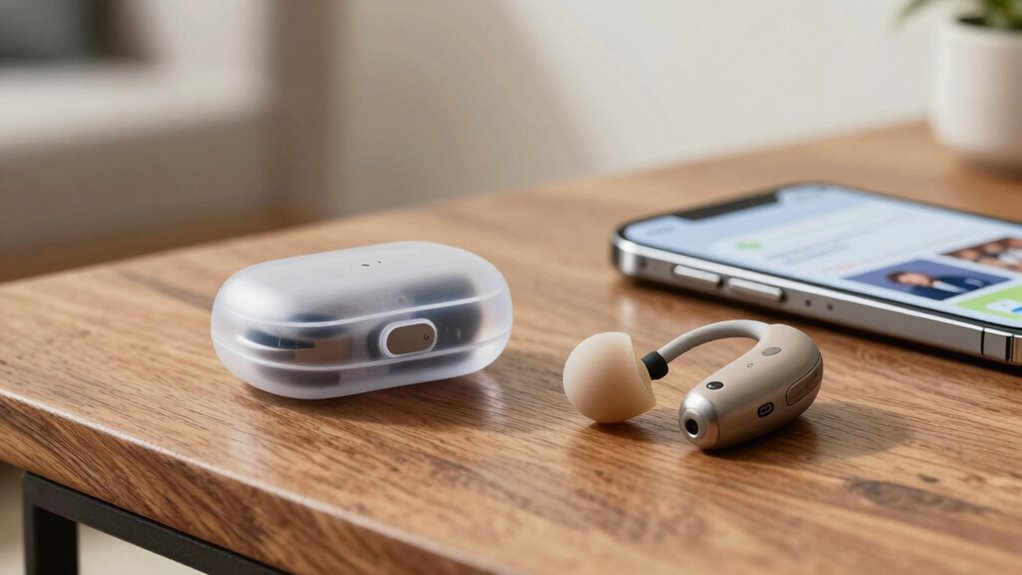
Your lifestyle and daily activities play a pivotal role in determining the most suitable hearing device for you. Consider how often you attend social events, work in noisy environments, or enjoy outdoor activities. Technological advancements have made devices more adaptable, so think about features like Bluetooth connectivity or discreet designs. To choose wisely, evaluate your personal finance to balance costs with benefits. Ask yourself whether you need a device for occasional use or daily, long-term wear. Consulting with a hearing professional helps identify options aligned with your lifestyle. Remember, the right device should enhance your quality of life without causing unnecessary inconvenience or expense. Keep your routines and preferences in mind to select a hearing solution that fits seamlessly into your life.
What Are the Costs and Maintenance Considerations for Hearing Aids and Assistive Devices?

Understanding the costs and maintenance requirements of hearing aids and assistive devices is essential for making an informed decision. Hearing aids can range from affordable budget options to high-end models with advanced features, influenced by technological advancements. Expect initial costs, ongoing maintenance, and potential repairs. Assistive listening devices often have lower prices but may require batteries or periodic upgrades. Keep in mind that regular cleaning and professional checkups are necessary to guarantee peak performance.
| Device Type | Cost Range | Maintenance Needs |
|---|---|---|
| Basic Hearing Aids | $1,000 – $3,000 per pair | Routine cleaning, battery replacement |
| Advanced Hearing Aids | $3,000 – $6,000+ | Software updates, professional adjustments |
| Assistive Listening Devices | $50 – $500 | Battery changes, occasional recalibration |
Can You Use Hearing Aids and Assistive Listening Devices Together?
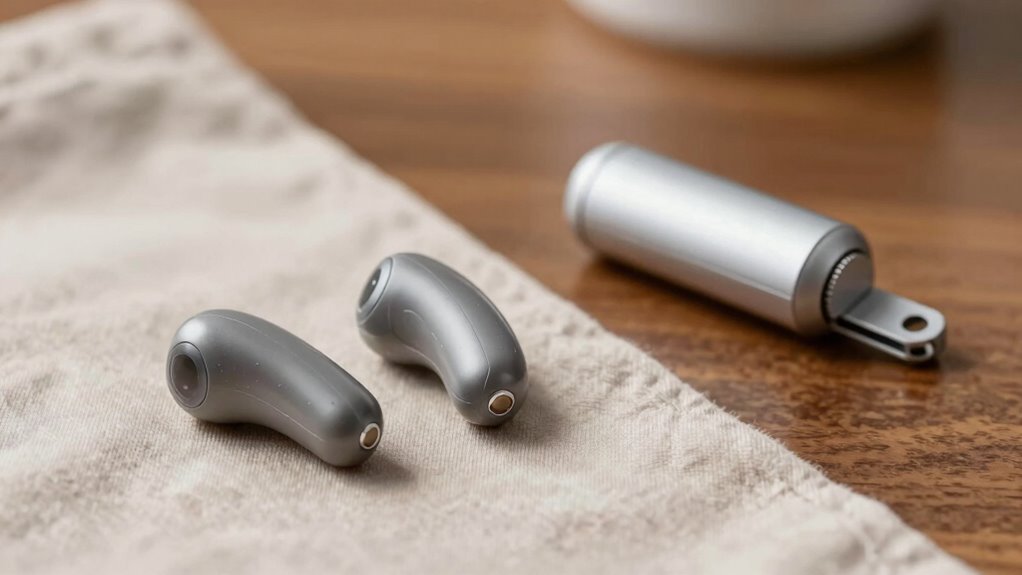
Many people wonder if they can use hearing aids and assistive listening devices (ALDs) at the same time. The good news is, in many cases, device compatibility allows you to combine both for better hearing support. Using them together can enhance user accessibility, especially in challenging listening environments. However, compatibility depends on your specific devices and technology. Some hearing aids are designed to connect directly with certain ALDs via Bluetooth or telecoils, simplifying the experience. Others may require adapters or additional equipment. It’s important to check if your hearing aids support the ALD you plan to use. Consulting your audiologist ensures seamless integration, maximizing both devices’ benefits and making your listening experience more natural and accessible.
What Questions Should You Ask Your Hearing Specialist Before Making a Decision?
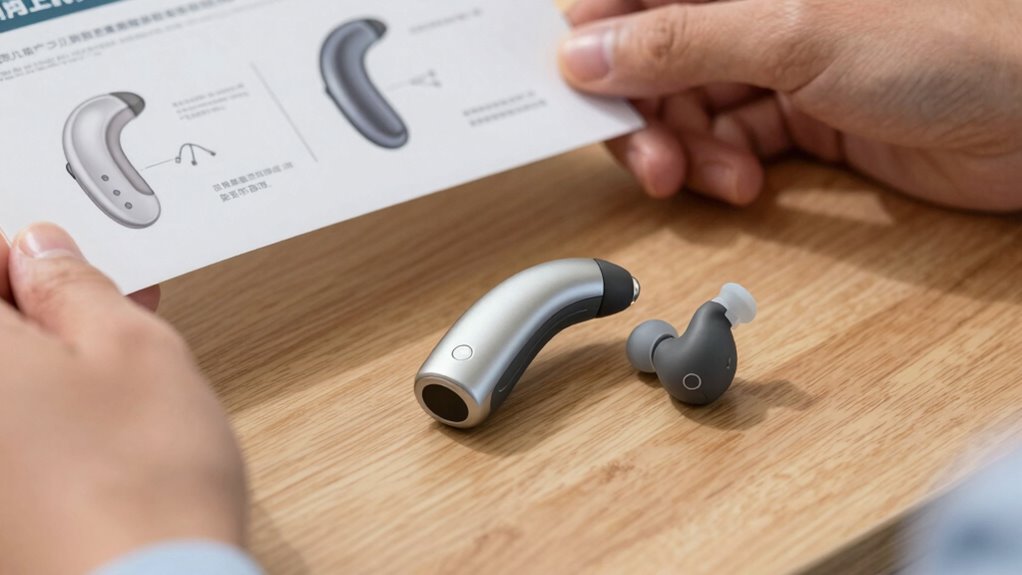
Before choosing between hearing aids and assistive listening devices, asking the right questions can make all the difference in ensuring the best fit for your needs. Start by inquiring about hearing protection features, especially if you’re exposed to loud environments, to prevent further hearing damage. Ask your hearing specialist about the latest hearing aid technology options, including connectivity, noise reduction, and customization features. Find out how each device can improve your specific hearing challenges and whether they suit your lifestyle. Clarify the maintenance requirements and costs involved. Additionally, ask about the effectiveness of the device in various environments and if combining devices might be beneficial. Being well-informed helps you make a confident decision tailored to your hearing health and protection needs.
Frequently Asked Questions
Are Assistive Listening Devices Compatible With All Hearing Aids?
Assistive listening devices aren’t compatible with all hearing aids. Device compatibility varies depending on the hearing aid’s technology and the specific assistive listening device. Some newer hearing aids offer technical integration options, making it easier to connect directly or wirelessly. To guarantee seamless use, check your hearing aid’s compatibility features and consult your audiologist, who can recommend compatible assistive listening devices tailored to your needs.
How Do Noise Reduction Features Differ Between Devices?
Noise reduction features differ markedly between devices. Hearing aids often use advanced signal processing to reduce background noise, helping you hear speech more clearly. Assistive listening devices focus on amplifying specific sounds and may have basic noise reduction, but they typically don’t filter background noise as effectively. Your choice depends on how much background noise impacts your listening experience; hearing aids generally provide more sophisticated noise management.
Can Assistive Listening Devices Improve Hearing in All Environments?
You can improve hearing in many environments with assistive listening devices, but they’re not magic. They handle background noise well and are portable, making them perfect for on-the-go use. However, some settings like very noisy places or large outdoor areas might still pose challenges. Think of it as a tool in your kit—use it wisely, and it’ll help you hear better most of the time, but don’t expect perfection everywhere.
Are There Specific Devices Recommended for Children or Seniors?
For children, you should choose child-specific devices that are durable, easy to operate, and safe for young ears. Seniors benefit from senior-friendly options like hearing aids with simple controls and comfort features. Both groups need devices tailored to their unique needs, so consult an audiologist to find the best fit. These specialized devices help improve hearing and guarantee comfort, making it easier to communicate and stay engaged.
What Are the Latest Technological Advancements in Hearing Devices?
You’ll find that the latest hearing devices feature wireless connectivity, allowing you to stream audio directly from your devices for clearer sound. AI-powered features enhance your listening experience by adapting to different environments and noise levels automatically. These advancements make hearing aids more intuitive and personalized, helping you stay connected and engaged. With these innovations, you’ll enjoy improved sound quality and convenience, making your daily interactions smoother and more natural.
Conclusion
Choosing between hearing aids and assistive listening devices is like planting seeds in your unique garden; each tool has its own role to help your hearing blossom. By understanding their differences and matching them to your needs, you’ll nurture clearer, more vibrant connections. Trust your hearing specialist to guide you through this landscape, ensuring your journey toward better hearing is a well-tended path filled with hope and harmony.