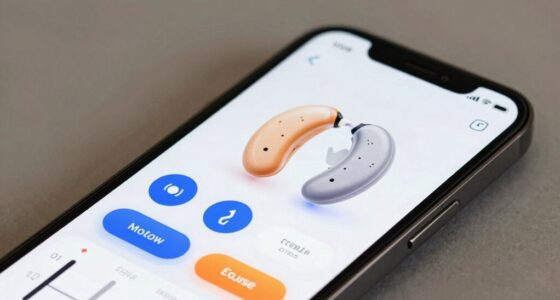
Bluetooth LE Audio offers major improvements over classic Bluetooth, including better efficiency, longer battery life, and enhanced sound quality. It supports multiple audio streams at once and makes sharing audio easy, perfect for group listening or sharing with hearing aids. However, you need compatible devices with Bluetooth 5.2 to access these features. If you want to understand how LE Audio can upgrade your wireless experience and what it takes to get there, keep exploring the details.
Key Takeaways
- Bluetooth LE Audio uses the energy-efficient LE protocol, offering longer battery life compared to Classic Bluetooth.
- LE Audio supports multiple audio streams simultaneously, enabling device sharing and personalized listening.
- It provides improved sound quality with advanced codecs like LC3 at lower bitrates.
- Compatibility requires Bluetooth 5.2 or newer and firmware updates, unlike Classic Bluetooth which is widely supported.
- LE Audio enhances features like seamless device switching, low latency, and richer, more connected audio experiences.
What Is Bluetooth LE Audio, and How Does It Work?
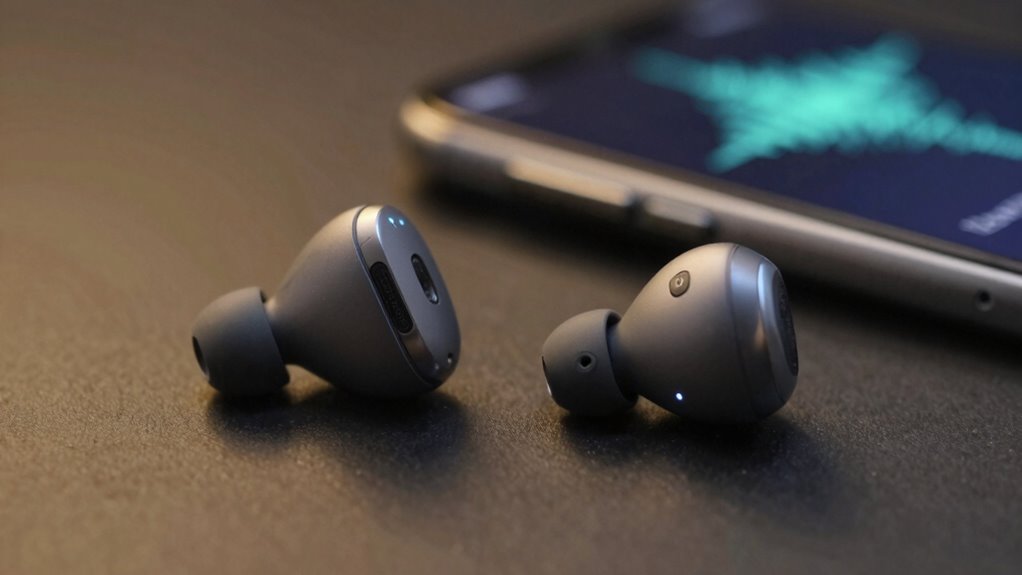
Bluetooth LE Audio is a new wireless audio technology designed to improve how devices connect and share sound. It reduces audio latency, so your audio stays synchronized with what you’re doing, whether gaming or watching videos. One of its key features is faster and more reliable device pairing, making connections smoother and more seamless. Unlike previous Bluetooth versions, LE Audio uses the Low Energy (LE) protocol, which consumes less power and enables longer battery life for your devices. It also supports multiple audio streams, allowing you to connect several devices simultaneously without audio dropouts. Overall, Bluetooth LE Audio enhances your listening experience by providing quicker pairing, lower latency, and more stable connections. Additionally, the technology’s advanced architecture allows for better scalability and future feature integrations. This innovative approach is part of a broader move towards energy-efficient wireless solutions that prioritize sustainability and device longevity. The adoption of Bluetooth LE Audio is expected to expand compatibility across a wide range of devices in the coming years. Moreover, its improved audio quality can deliver richer sound experiences suitable for a variety of applications.
Is Your Device Compatible With Bluetooth LE Audio?

To use Bluetooth LE Audio, your device needs to meet specific compatibility requirements, including supporting the right Bluetooth version and profiles. You might also need firmware updates to enable LE Audio features fully. Check your device’s specifications and update its software if necessary to guarantee compatibility.
Device Compatibility Requirements
Ensuring your device is compatible with Bluetooth LE Audio requires checking for specific hardware and software support. Most modern devices need to handle new audio codecs like LC3, which offer better quality at lower bitrates. Compatibility also involves supporting advanced device pairing methods that improve connection stability and ease of use. If your device’s hardware doesn’t include the necessary Bluetooth 5.2 chip or later, it likely won’t support LE Audio features. Additionally, software updates may be required to enable LE Audio functionalities. When pairing your device, verify it recognizes the new audio codecs to enjoy the enhanced sound quality. Not all older devices are compatible, so verifying your device’s specifications helps prevent surprises and guarantees you get the full benefits of Bluetooth LE Audio.
Bluetooth Version Needed
Since Bluetooth LE Audio relies on newer wireless technology, your device must support Bluetooth version 5.2 or later to be compatible. Older versions, like 4.2 or 5.0, won’t support LE Audio features. Check your device’s Bluetooth version in settings or user manual. Firmware updates can sometimes upgrade your device’s Bluetooth capabilities, but only if the hardware supports it. Here’s a quick overview:
| Bluetooth Version | Compatibility with LE Audio | Firmware Updates Needed |
|---|---|---|
| 4.2 | No | Usually yes, if hardware supports it |
| 5.0 | No | Sometimes, via updates |
| 5.1 | No | Rarely, hardware dependent |
| 5.2 | Yes | No, built-in support |
Ensure your device supports Bluetooth 5.2 or newer before considering LE Audio. Additionally, wireless technology advancements influence compatibility and performance. It’s important to verify device specifications to avoid compatibility issues when upgrading to LE Audio.
Firmware Updates Needed
While your device might support Bluetooth 5.2 or later, it doesn’t automatically mean it’s ready for LE Audio. You’ll likely need a firmware update to guarantee compatibility. Manufacturers often release firmware updates to add LE Audio support, but not all devices receive these updates promptly or at all. Without the latest firmware, you may encounter compatibility issues, preventing your device from connecting or functioning properly with LE Audio features. Be aware that some devices may require hardware upgrades to fully support LE Audio, which can complicate the update process. Check your device’s settings or manufacturer’s website to confirm if an update is available. If your device isn’t updated, it might miss out on the improved audio quality, lower latency, and new features LE Audio offers. Staying current with firmware updates is essential to enjoy the full benefits of Bluetooth LE Audio. Additionally, device compatibility can vary widely, so verifying support before making a purchase can save you time and frustration. Reviewing manufacturer support policies can help you understand how quickly updates are provided for your device. Being aware of support for LE Audio in your device can help ensure you don’t miss out on future enhancements and features.
How Bluetooth LE Audio Differs From Classic Bluetooth
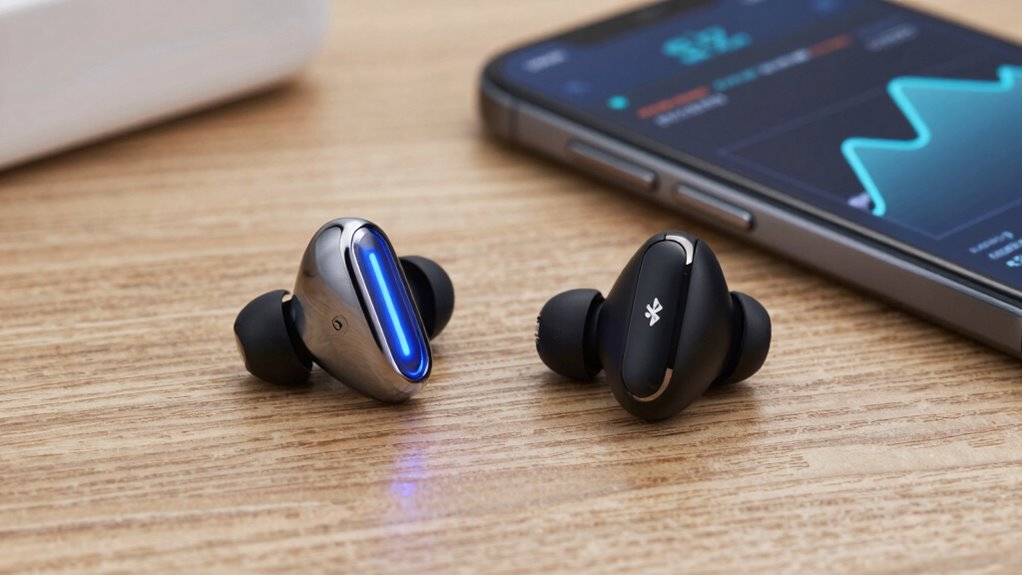
Bluetooth LE Audio differs from Classic Bluetooth primarily in how it transmits data. It uses a more efficient protocol called Low Energy, which reduces power consumption and allows devices to connect for longer periods. This efficiency extends the wireless range, meaning your devices can stay connected over greater distances without sacrificing quality. Additionally, Bluetooth LE Audio markedly lowers sound latency, making it ideal for real-time audio applications like gaming and video calls. Unlike Classic Bluetooth, which was designed mainly for audio streaming, LE Audio supports multiple devices simultaneously and improves overall sound quality. This shift enhances the user experience by providing more reliable connections, longer battery life, and faster response times, setting a new standard for wireless audio technology. Understanding Bluetooth protocols can help you appreciate how these advancements impact everyday device use.
Limitations and Challenges in Adopting Bluetooth LE Audio
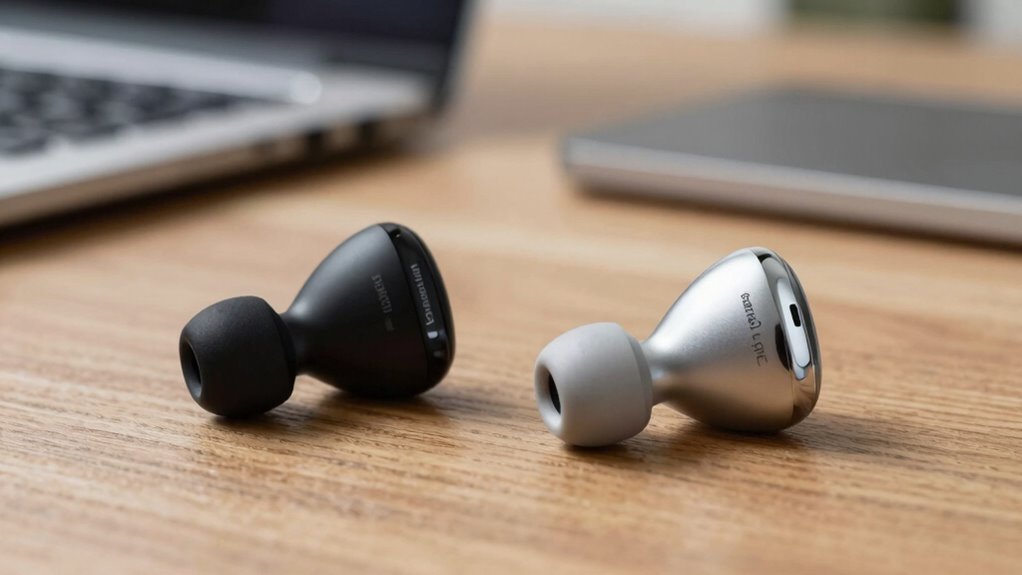
While Bluetooth LE Audio offers many benefits, you might face device compatibility issues as not all gadgets support the new standard yet. You could also see increased power consumption on some devices, which may affect battery life. Additionally, the ecosystem around LE Audio is still growing, so finding widespread support can be a challenge. Moreover, digital asset management considerations in the broader tech landscape highlight ongoing challenges with adoption and standardization.
Device Compatibility Issues
Adopting Bluetooth LE Audio faces significant device compatibility challenges because many existing devices don’t support the new standard yet. Device fragmentation is a major hurdle, as manufacturers must update hardware and software to guarantee compatibility. You might find older devices unable to connect or fully utilize LE Audio features, which limits its adoption. Compatibility testing becomes essential to identify which devices can handle the new standard and which require updates or replacements. Without widespread support, users could experience inconsistent performance or be forced to upgrade their entire ecosystem. This fragmentation hampers seamless integration and delays the ecosystem’s growth. Until device manufacturers prioritize compatibility and conduct thorough testing, Bluetooth LE Audio will struggle to replace or coexist smoothly with classic Bluetooth devices. Additionally, hardware limitations in some existing devices can prevent effective implementation of the new standard, further complicating widespread adoption. As the industry advances, ongoing standardization efforts are crucial to overcoming these hurdles and ensuring broader device interoperability. Furthermore, industry collaboration is vital to accelerate the development of universally compatible solutions.
Increased Power Consumption
Despite its promise of energy efficiency, Bluetooth LE Audio can sometimes lead to increased power consumption under certain conditions. When features like higher audio quality or multiple device connections are active, your device’s power drain can spike. You might feel frustrated as your device’s battery life diminishes unexpectedly, especially during long use. Additionally, the cultural expectations around device usage and the need for constant connectivity in European travel can lead to more frequent use, further impacting battery life. These power management challenges highlight the importance of optimizing device settings for better energy use. For instance, battery optimization features can help mitigate some of these issues but may not fully prevent rapid drain during demanding tasks. Understanding the hardware limitations and how they influence power consumption is crucial for managing device longevity. Being aware of these challenges can help users manage their device settings more effectively:
- Unexpected power drain during high-quality streaming
- Increased battery drain with multiple devices connected
- Higher power consumption in demanding environments
- Accelerated battery depletion despite supposed efficiency
These issues make it clear that, while promising, Bluetooth LE Audio’s energy efficiency isn’t foolproof, and your device’s power management can be impacted substantially.
Limited Ecosystem Support
Although Bluetooth LE Audio offers many technical advantages, limited support across devices and platforms hampers its widespread adoption. Ecosystem fragmentation means not all manufacturers have adopted the new standard, leaving many devices incompatible. Device fragmentation prevents seamless integration, forcing you to choose between upgrading your entire lineup or sticking with older Bluetooth technologies. This lack of universal support slows down the *shift*, as manufacturers prioritize more established standards. As a result, you may find yourself stuck with limited options or facing compatibility issues when trying to connect newer Bluetooth LE Audio devices with existing gear. Until ecosystem and device fragmentation are addressed, expanding Bluetooth LE Audio’s reach will remain a challenge, delaying its potential benefits for everyday users.
How Bluetooth LE Audio Improves Sound Quality and Battery Life
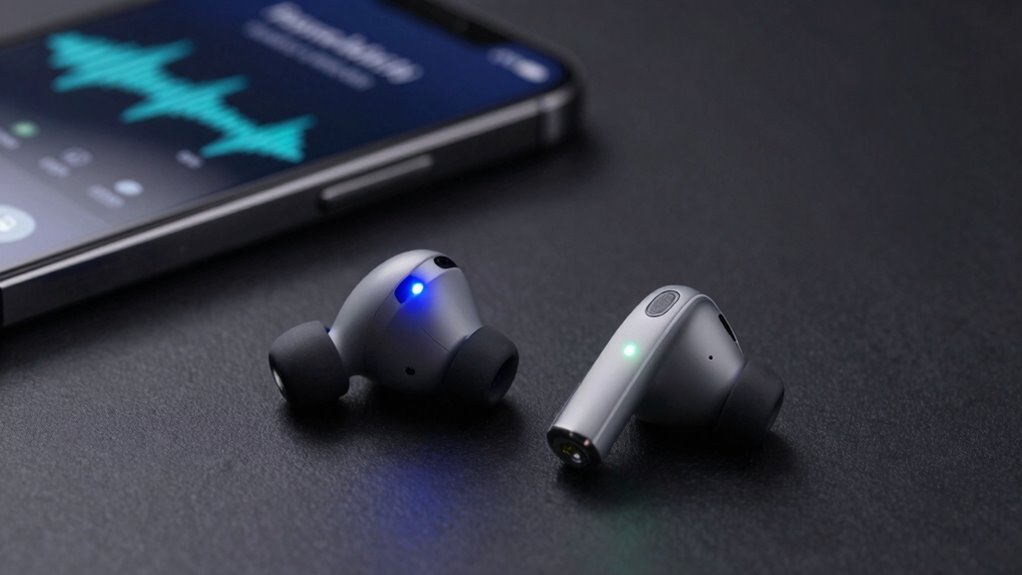
Bluetooth LE Audio enhances sound quality and extends battery life by using more efficient data transmission methods. This means you get smoother wireless streaming and clearer audio without draining your device’s battery prematurely. The improved audio enhancement allows your devices to deliver richer, more immersive sound. You’ll notice:
Bluetooth LE Audio delivers richer sound and longer battery life with more efficient wireless streaming.
- Longer listening sessions, free from constant recharging
- Seamless connection with fewer dropouts during wireless streaming
- Better sound clarity, making every note pop
- Increased device longevity, so your headphones and earbuds last longer
Additionally, simple, room-by-room solutions help you set up and maintain these advanced audio systems more effortlessly. With Bluetooth LE Audio, you don’t have to choose between great audio and battery life. Instead, both come together, giving you a superior listening experience that lasts longer and sounds better. Plus, wireless audio technology is evolving to make setup and maintenance even more straightforward for everyday users. As these innovations continue, device compatibility is expanding, ensuring more products support these advanced features. Moreover, efficient data transmission plays a key role in maximizing both sound quality and battery efficiency across devices.
New Features of Bluetooth LE Audio: Sharing, Multiple Streams, and More
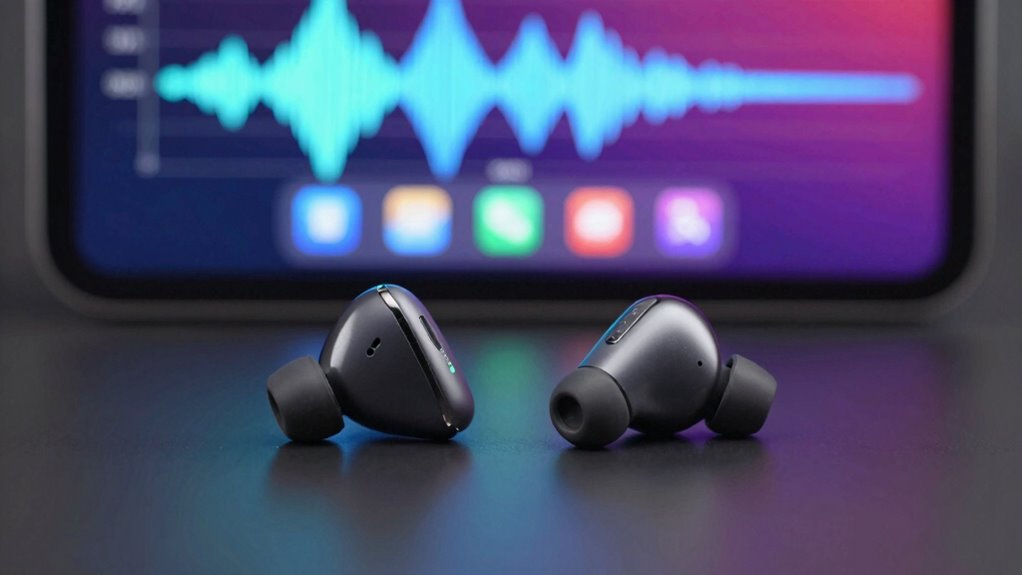
Bluetooth LE Audio introduces several innovative features that enhance your listening experience, such as device sharing, support for multiple audio streams, and more. With audio sharing, you can effortlessly pair and stream audio to two or more devices simultaneously, letting you share music with friends or family without extra hardware. The multi stream technology allows multiple audio streams to run concurrently, so you can connect multiple hearing aids or earbuds, each receiving its own audio feed. This flexibility makes multitasking easier, whether you’re switching between different audio sources or sharing content across devices. These features improve convenience and usability, making Bluetooth LE Audio more versatile. Overall, these advancements mean you get a richer, more connected audio experience with fewer limitations.
Should You Upgrade to Bluetooth LE Audio Now?
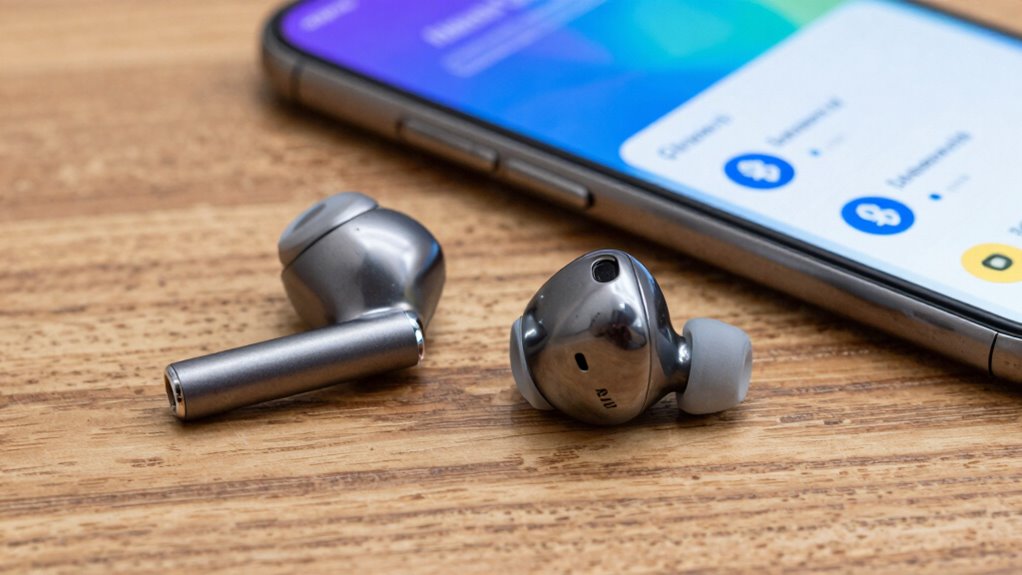
With the new features of Bluetooth LE Audio making your listening experience more versatile and seamless, you might be wondering if it’s worth upgrading now. The improved audio quality and expanded device compatibility can enhance how you enjoy music, calls, and podcasts. Additionally, understanding the reliability and safety of your current setup can help you make an informed decision. However, upgrading depends on your current gear and needs. Consider these factors:
- Your device supports Bluetooth LE Audio or will soon
- You crave better audio quality and immersive listening
- You want multi-stream capabilities for shared listening
- Your current devices are outdated or limited in features
If these points resonate, upgrading now can future-proof your setup and elevate your experience. But if your existing devices still serve you well, waiting might be the smarter choice. Ultimately, it’s about aligning the upgrade with your personal audio goals.
What Are the Costs and Benefits of Upgrading?
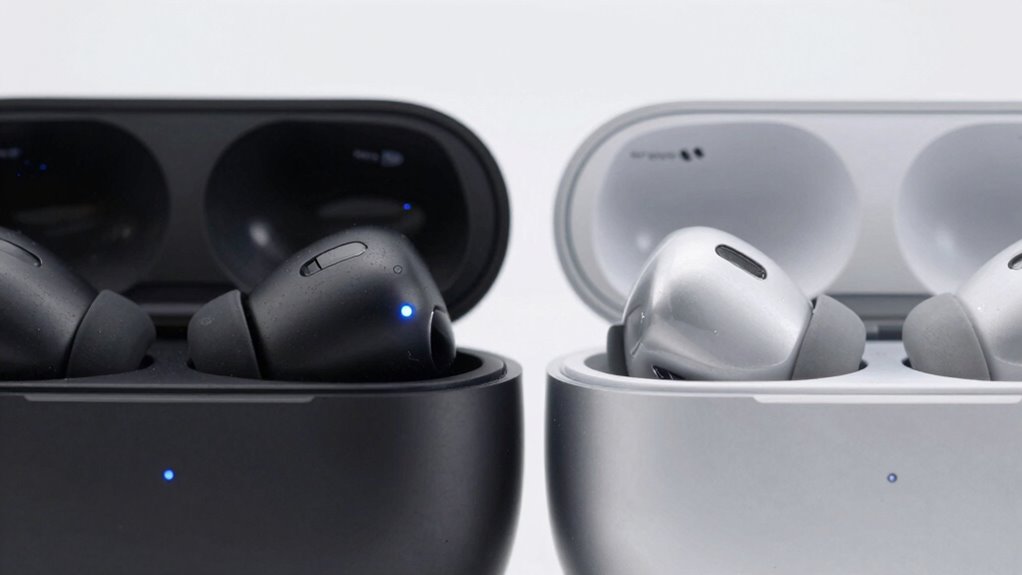
Upgrading to Bluetooth LE Audio involves both costs and benefits that you should weigh carefully. Cost considerations include purchasing new compatible devices, which can be an investment, especially if your current equipment still works well. However, the improved user experience can justify this expense, as LE Audio offers better sound quality, lower latency, and enhanced multi-stream capabilities. You’ll also benefit from longer battery life on compatible devices, saving you frequent recharges. While the initial upgrade might seem costly, the enhanced features can make your wireless listening more seamless and enjoyable. Keep in mind, though, that not all devices will support LE Audio immediately, so compatibility and future-proofing are important factors to contemplate before making the switch.
The Future of Wireless Audio With Bluetooth LE Audio
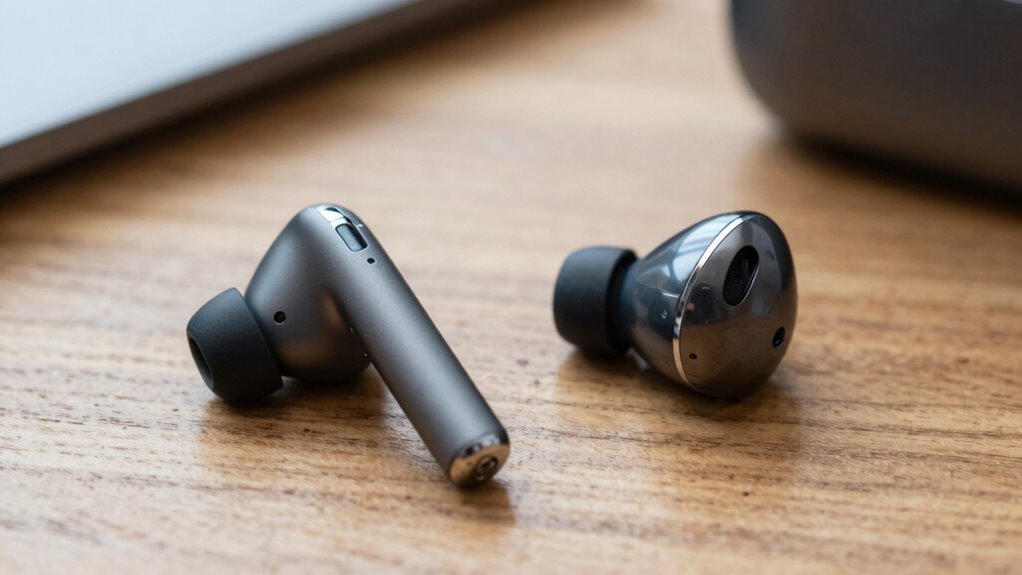
As wireless audio technology continues to evolve, Bluetooth LE Audio is poised to revolutionize the way you experience sound. Expect lower wireless latency, making your conversations and media sync seamlessly. Enhanced audio compression means clearer, richer sound even at lower bitrates, saving battery and bandwidth. This technology will enable innovative features like shared audio streams and personalized listening. Imagine walking through a busy city while your headphones deliver crystal-clear sound without delays. You’ll also benefit from longer battery life, thanks to more efficient data transmission. The future holds:
- Instant, synchronized audio across multiple devices
- More immersive, high-quality sound experiences
- Effortless device connectivity and switching
- Personalized listening without interruptions
Bluetooth LE Audio promises a smarter, more connected audio world tailored to your needs.
Frequently Asked Questions
Can Bluetooth LE Audio Work With Existing Bluetooth Devices?
Bluetooth LE Audio can work with your existing devices if they’re compatible, but you’ll likely need firmware updates to enable support. Check your device’s compatibility first, as not all older models support LE Audio. Updating firmware guarantees that your device can connect seamlessly with newer Bluetooth LE Audio accessories. Keep in mind that some devices may require hardware upgrades for full functionality, so verify compatibility before investing.
What Are the Privacy Concerns With Bluetooth LE Audio?
You should be aware that Bluetooth LE Audio raises privacy concerns mainly around data encryption and device pairing. While encryption helps protect your audio streams from eavesdropping, vulnerabilities can still exist during device pairing if not properly secured. Always verify your devices use secure pairing methods and keep firmware updated to minimize risks. Staying vigilant helps prevent unauthorized access and keeps your audio data private.
Does Bluetooth LE Audio Support High-Resolution Audio Formats?
Do you wonder if Bluetooth LE Audio can deliver high-resolution formats? Yes, it supports high-quality audio, including high-resolution formats, but the actual audio quality depends on the device and codec used. While Bluetooth LE Audio aims to improve sound clarity and efficiency, not all devices may fully leverage high-resolution audio. For the best experience, choose compatible hardware that prioritizes high-quality codecs.
How Does Bluetooth LE Audio Impact Device Compatibility Across Brands?
Bluetooth LE Audio improves device compatibility across brands by addressing interoperability challenges, making it easier for different devices to connect seamlessly. You’ll notice better brand compatibility, as LE Audio standardizes features and protocols, reducing connection issues. However, some older devices or those from less common brands might still face compatibility hurdles. Overall, LE Audio promotes a more universal experience, but it is crucial to check device support for full interoperability across all your gadgets.
Are There Any Security Risks Unique to Bluetooth LE Audio?
Think of Bluetooth LE Audio as a new castle with hidden secret passages. While it offers enhanced features, it’s not immune to security risks. You could face encryption vulnerabilities during device pairing, making it easier for hackers to eavesdrop or hijack connections. Stay vigilant; always update your firmware and use strong, unique PINs to fortify these new digital fortresses against potential intruders.
Conclusion
Switching to Bluetooth LE Audio is like upgrading from a quiet stream to a powerful river—your sound flows richer, clearer, and longer-lasting. While it’s not without hurdles, embracing this new wave can transform your wireless experience into a symphony of convenience and innovation. Don’t stay stranded on the shore—dive in now and ride the current of future-ready audio, where every note feels brighter and every moment more immersive. The tide of change is waiting—are you ready?