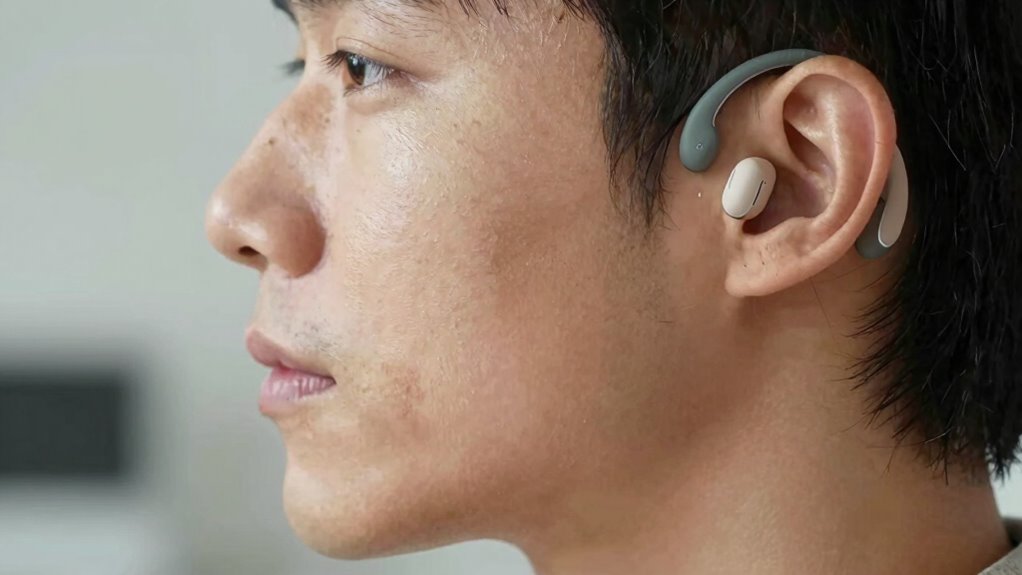

Bone conduction hearing works by transmitting sound vibrations directly through your skull bones to your inner ear, bypassing outer and middle ear issues. Instead of through the ear canal, vibrations from special devices cause your skull to transfer sound waves, enabling you to hear even with ear damage or blockage. This natural process allows you to stay aware of your surroundings and communicate clearly. If you want to explore how this technology can benefit you, there’s more worth discovering.
Key Takeaways
- Bone conduction transmits sound by converting waves into vibrations that travel through skull bones to the inner ear.
- Vibrations bypass damaged outer or middle ear structures, allowing hearing despite ear canal blockages.
- The skull acts as a natural conductor, transferring vibrations directly to the cochlea for sound perception.
- Devices can be worn externally or surgically implanted to facilitate this vibration transmission.
- This method enables hearing even with conductive hearing loss or ear-related medical conditions.
What Is Bone Conduction Hearing and How Does It Work?
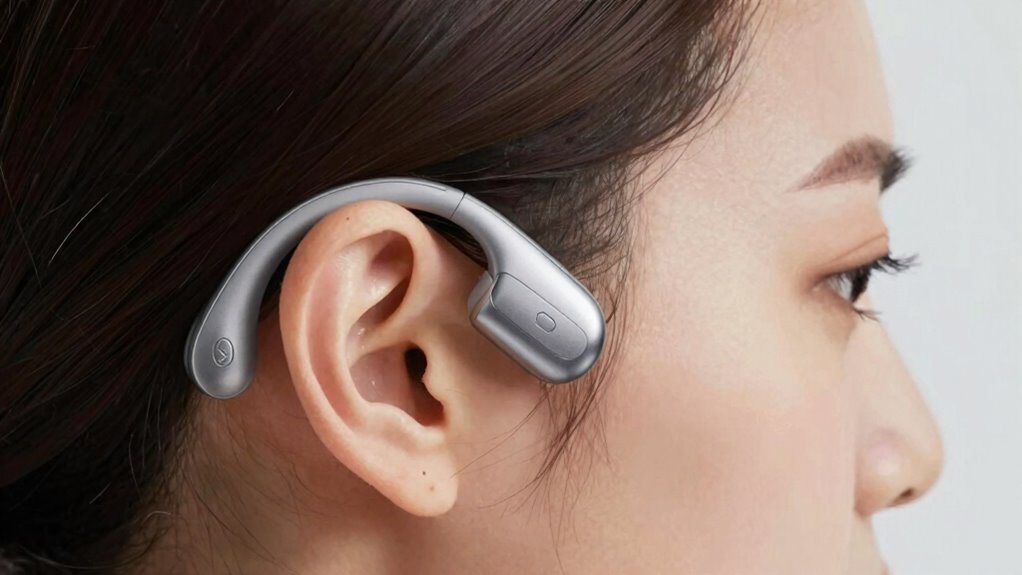
Bone conduction hearing is a method that transmits sound vibrations directly through the bones of your skull to your inner ear, bypassing the outer and middle ear. When you hear sound, it starts as a sound wave that creates vibrations. In bone conduction, these vibrations turn into skull vibrations, traveling through your bones instead of through the air. Your skull then conducts these vibrations to your cochlea, where your brain interprets them as sound. This process allows you to hear even when your outer or middle ear isn’t functioning properly. By bypassing traditional pathways, bone conduction provides an alternative way to perceive sound, making it useful for hearing aids and other assistive devices. It’s a fascinating way your body can transmit sound directly through bone vibrations. Understanding the underlying mechanisms helps in appreciating how innovative hearing solutions are developed, especially with connected hearing devices that enhance everyday communication. Additionally, ongoing research into bone conduction technology continues to improve the clarity and comfort of these hearing solutions. Moreover, advancements in medical applications are expanding the use of bone conduction beyond hearing aids, including in certain prosthetic and diagnostic tools. Researchers are also exploring how bone conduction can be integrated into new wearable technology for more seamless hearing enhancement.
How Does Bone Conduction Transmit Sound Through Your Skull?
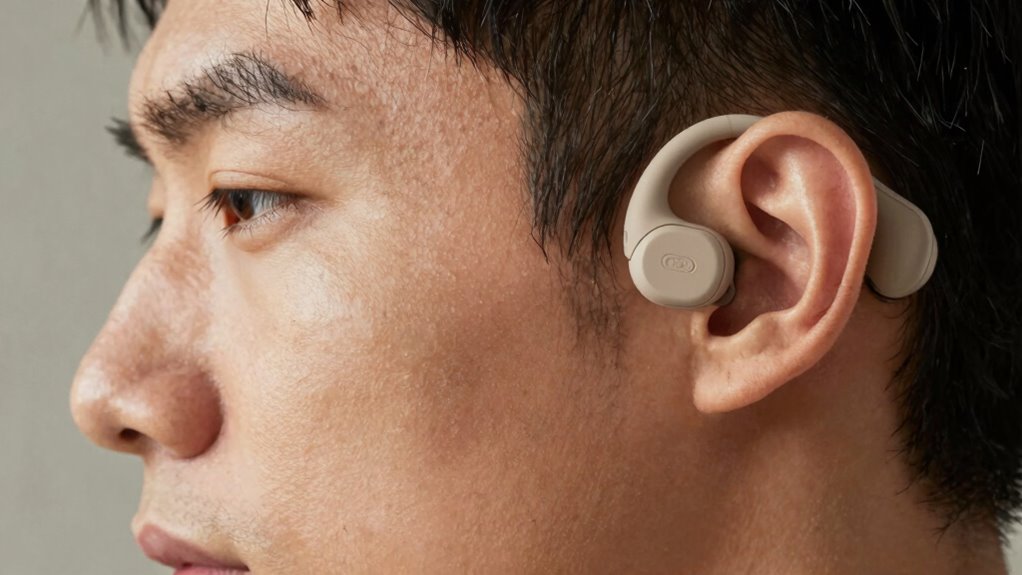
When sound vibrations are generated by a bone conduction device, they are directly transmitted to the skull bones. These skull vibrations bypass the outer and middle ear, allowing sound to reach your cochlea directly through the skull’s structure. The vibrations cause tiny movements in the bone tissue, which then transfer the sound energy deeper into your inner ear. This process guarantees effective sound transmission even when traditional pathways are blocked or damaged. Your skull acts as a natural conductor, facilitating clear sound delivery.
Bone conduction transmits sound directly through skull bones, bypassing damaged ear parts for clear hearing.
- Skull vibrations carry sound energy efficiently
- The vibrations bypass damaged or non-functioning ear parts
- Sound transmission relies on bone’s ability to conduct vibrations
- The process preserves sound quality and clarity
- It enables hearing without needing traditional ear canal access
How Does Bone Conduction Compare to Traditional Hearing Aids?
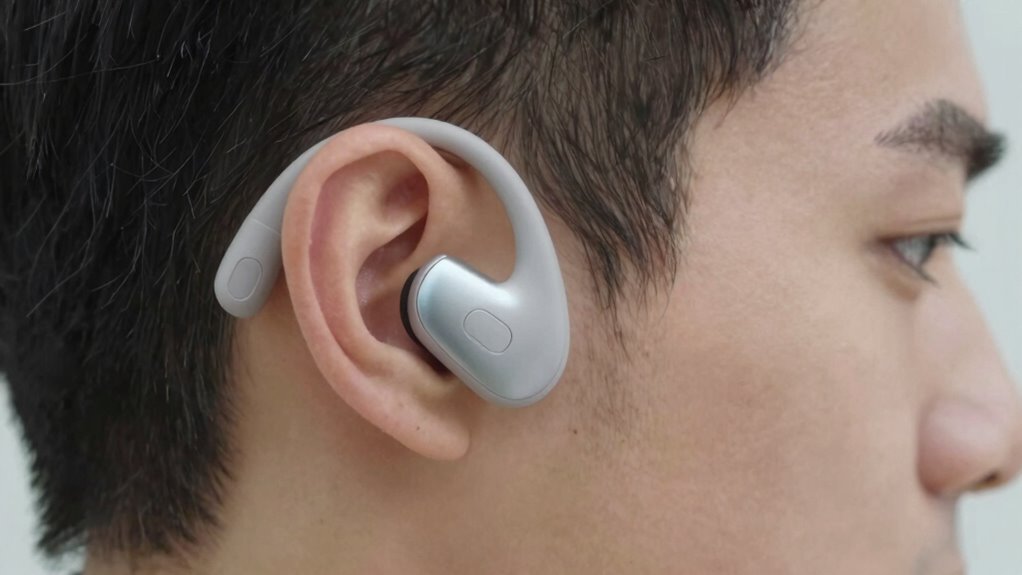
Bone conduction transmits sound through vibrations in your skull, bypassing the ear canal, while traditional hearing aids amplify sound directly into your ear. You might find bone conduction devices more comfortable and less intrusive, especially if you find traditional aids irritating. However, their hearing range and clarity can differ, so it’s important to compare how each suits your specific needs. Additionally, bone conduction technology is increasingly being integrated into devices designed for better sound quality, offering new options for users. As research advances, the innovative European cloud servers supporting such high-tech solutions contribute to improving device performance and data security.
Sound Transmission Method
Unlike traditional hearing aids that rely on amplifying sound through the ear canal, bone conduction transmits vibrations directly to the inner ear via the skull bones. This method bypasses the eardrum and middle ear, offering a different approach to sound transmission. You’ll notice that bone conduction devices convert sound into vibrations, which travel through your skull bones and stimulate the cochlea. This process allows you to hear even with ear canal blockages or damage. Mastering your smartphone and accessories can help you better understand and utilize these innovative hearing solutions.
Comfort and Fit
Comfort and fit are key advantages of bone conduction devices over traditional hearing aids. You’ll notice that these devices sit comfortably on your skull, avoiding pressure inside the ear canal, which enhances ear comfort. Unlike traditional aids that can cause soreness or irritation, bone conduction devices eliminate this issue by bypassing the ear canal altogether. This design reduces the risk of discomfort caused by ear canal irritation. Fit adjustment is straightforward, allowing you to customize the device’s placement for suitable comfort and secure fit. This personalized fit ensures the device stays in place during daily activities without causing discomfort. Because they don’t rely on inserting into your ear, bone conduction devices are less likely to cause fatigue or soreness over time. Additionally, their adjustability allows for better customization to individual head shapes, further enhancing comfort. The field‑of‑view of these devices can be tailored to optimize sound delivery and user experience. Their customizable fit also helps prevent slippage and ensures consistent sound quality, making them a practical option for many users. Furthermore, the skin contact area is designed to minimize irritation, contributing to overall comfort. Overall, their design offers a more comfortable, adjustable experience compared to conventional hearing aids.
Hearing Range and Clarity
While comfort and fit make bone conduction devices appealing, their effectiveness also depends on how well they transmit sound compared to traditional hearing aids. Bone conduction tends to offer good sound quality for certain frequencies but might fall short in delivering the full spectrum of sounds that affect hearing sensitivity. You might notice that speech sounds are clear, but some high-frequency noises could be less distinct. Additionally, sound transmission efficiency varies depending on the device design and individual anatomy. Bone conduction effectively transmits mid-range sounds but may struggle with high-frequency details. Traditional hearing aids often provide broader hearing range and better clarity for complex sounds. Device design and individual anatomy play crucial roles in how well bone conduction devices perform. Bone conduction can be limited in noisy environments, affecting overall sound quality. Hearing sensitivity improvements are noticeable, but not as extensive as with traditional devices. Personal experience varies based on the degree of hearing loss and device optimization.
What Devices Use Bone Conduction Technology?
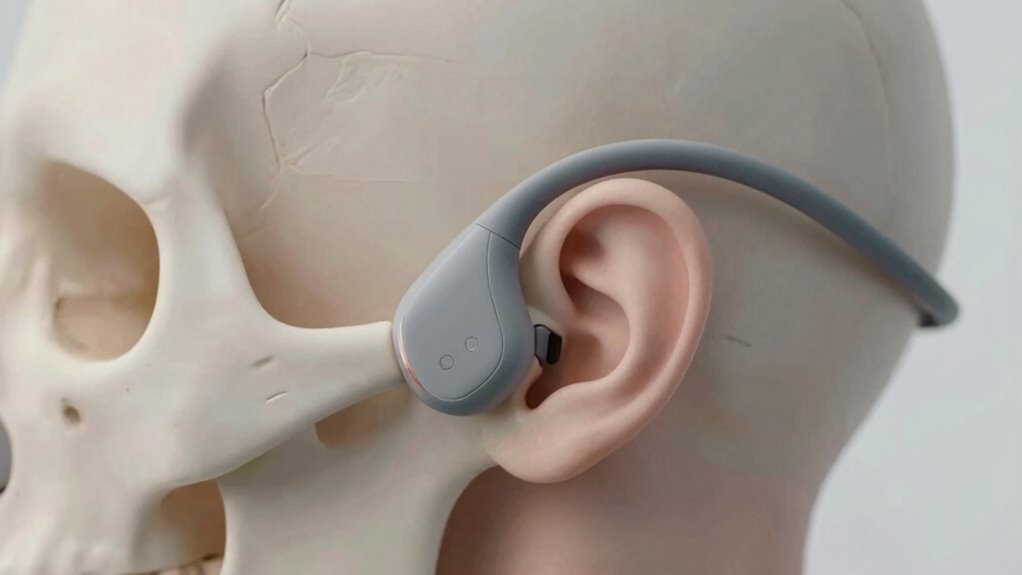
You’ll find bone conduction technology in both wearable and implantable devices. Wearable options include headphones and headbands that sit outside your ear or on your skull. Implantable devices are surgically placed to transmit sound directly to your inner ear. bone conduction technology allows sound to bypass the eardrum entirely, which can be especially beneficial for those with certain types of hearing loss or damage. Additionally, smart gear incorporating this technology can enhance safety and awareness during outdoor activities. This innovative method leverages skull vibrations to deliver clear audio without obstructing the ears. Furthermore, advancements in hearing device design are making these technologies more accessible and effective for diverse users.
Wearable Bone Conduction Devices
Wearable bone conduction devices are increasingly popular tools for hearing enhancement and assistive technology. These devices sit comfortably against your skull, transmitting sound through bone vibrations. Many models feature wireless connectivity, allowing you to stream audio directly from your smartphone or other devices. Their aesthetic design is often sleek and discreet, making them suitable for everyday use without drawing attention. These devices are ideal for active lifestyles, outdoor activities, or situations where traditional hearing aids may be impractical. You can enjoy clear sound and improved situational awareness without blocking your ears. Plus, their versatility and modern features make them accessible for a wide range of users, from those with hearing loss to audio enthusiasts. They also often incorporate local automation features for seamless integration with other assistive technologies. Additionally, advancements in bone conduction materials improve comfort and audio quality over time.
Implantable Bone Conduction Devices
Implantable bone conduction devices are surgically embedded solutions that directly transmit sound vibrations to the inner ear through the skull bone. These devices bypass common bone conduction myths, such as the idea that they cause damage or weaken your skull. Instead, they use precise vibrations to improve hearing with minimal invasiveness. Once implanted, you’ll need to understand device maintenance, which includes regular check-ups to ensure proper function and avoid issues like infection. Unlike external devices, implantables are discreet and require less daily handling, but proper care is essential for longevity. Additionally, bone conduction safety is supported by research showing that these devices do not harm the skull or surrounding tissues. If you’re considering this option, consult your audiologist to determine if you’re a good candidate, and remember that these devices provide a durable, effective way to restore hearing through bone conduction technology.
How Do Audiologists Test and Diagnose Bone Conduction Hearing?
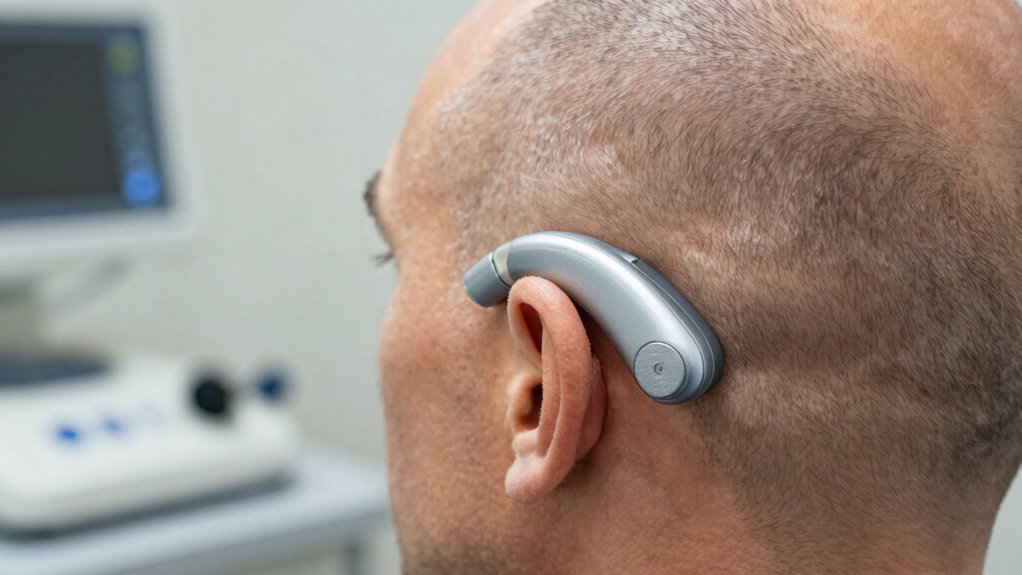
How do audiologists determine if bone conduction hearing is functioning properly? They perform specialized tests to evaluate how well your skull transmits sound vibrations directly to your cochlea, bypassing the outer and middle ear. These assessments help identify issues with cochlear mechanics and auditory processing. Attention to detail and systematic testing methods ensure accurate results. Testing methodologies include:
- Bone conduction audiometry to compare bone and air conduction thresholds
- Speech recognition tests to assess auditory processing
- Tympanometry to examine middle ear function
- Auditory brainstem response (ABR) testing for neural pathway integrity
- Mechanical testing of the skull’s vibrational response
Additionally, understanding auditory processing is crucial in diagnosing complex hearing issues that may involve neural pathways beyond basic mechanical transmission. These tests enable audiologists to pinpoint where the hearing process may be disrupted, ensuring accurate diagnosis and effective treatment planning. Furthermore, skull vibrational response testing provides valuable insights into how well vibrations are transmitted through the skull, which can be essential for diagnosing certain hearing impairments.
Who Can Benefit Most From Bone Conduction Hearing Devices?
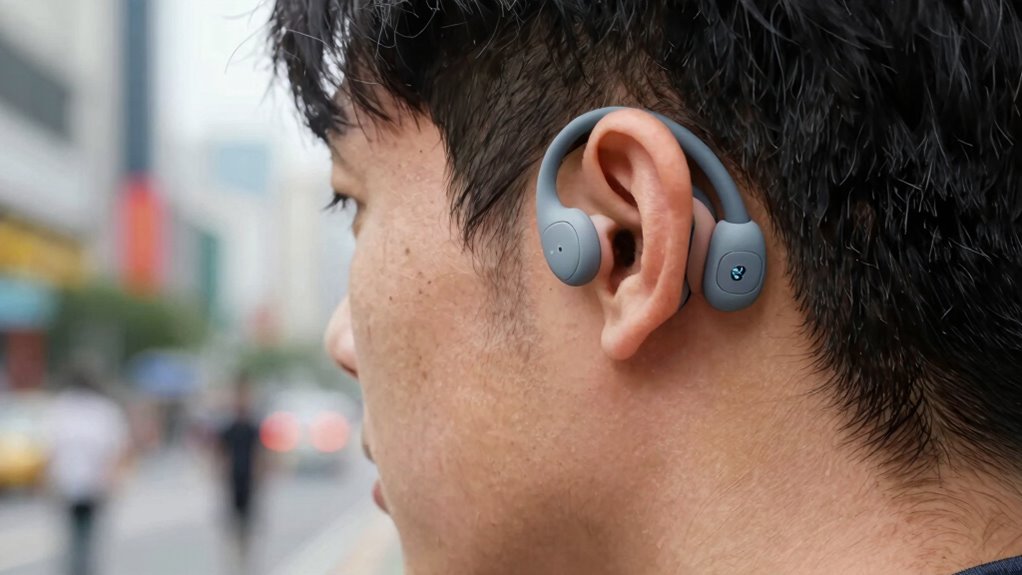
If you have conductive hearing loss or certain medical conditions, bone conduction devices might be a good option for you. They’re especially helpful when traditional hearing aids aren’t suitable. Let’s explore who can benefit most from these innovative solutions.
Conductive Hearing Loss Solutions
People with conductive hearing loss often find bone conduction hearing devices especially beneficial because they bypass the damaged or blocked parts of the ear to deliver sound directly to the inner ear. These devices are ideal if you have issues with the outer or middle ear but your inner ear functions well. They offer a discreet cosmetic appearance, making them less noticeable and boosting confidence. Additionally, bone conduction devices generally require minimal device maintenance, allowing for easier care and durability. If you’re concerned about comfort or aesthetics, these devices can be customized to suit your style. They’re particularly useful for active lifestyles, as they stay secure during movement. Overall, if you seek an effective, low-maintenance solution for conductive hearing loss, bone conduction technology can notably improve your hearing experience.
- Discreet design enhances confidence and aesthetics
- Minimal device maintenance simplifies daily care
- Suitable for active lifestyles and sports
- Bypasses damaged ear structures effectively
- Customizable options for comfort and style
Unique Medical Conditions
Bone conduction hearing devices are especially beneficial for individuals with specific medical conditions that affect the outer or middle ear, making traditional hearing aids less effective or unsuitable. If you have medical anomalies like congenital malformations, ear infections, or damaged ear structures, these devices can bypass the problematic areas by transmitting sound directly through your skull. People with rare disorders such as microtia or atresia often find bone conduction devices to be a practical solution, as they avoid the need for surgery or external ear components. Additionally, those with chronic ear infections or conductive hearing loss due to trauma may experience improved hearing quality. Overall, if conventional hearing aids can’t help due to unique medical conditions, bone conduction technology offers a reliable and effective alternative.
How Bone Conduction Improves Accessibility and Safety?

Because bone conduction bypasses the outer and middle ear, it provides a reliable hearing solution for individuals with various types of hearing loss, enhancing accessibility in diverse environments. This technology allows you to stay aware of your surroundings, promoting environmental awareness and safety. When using bone conduction devices, you can hear critical alerts, conversations, and warnings without blocking your ears, making it easier to navigate busy streets or workplaces. This fosters social inclusion, enabling you to participate fully in conversations and community activities. Additionally, bone conduction devices are often discreet and comfortable, encouraging consistent use. As a result, you can enjoy increased independence, improved safety, and a greater sense of connection to your environment and community.
- Stay alert to environmental cues and hazards
- Engage confidently in social settings
- Maintain situational awareness for safety
- Use discreet devices for comfort and convenience
- Foster inclusion by staying connected with others
What Are the Limitations and Challenges of Bone Conduction Devices?
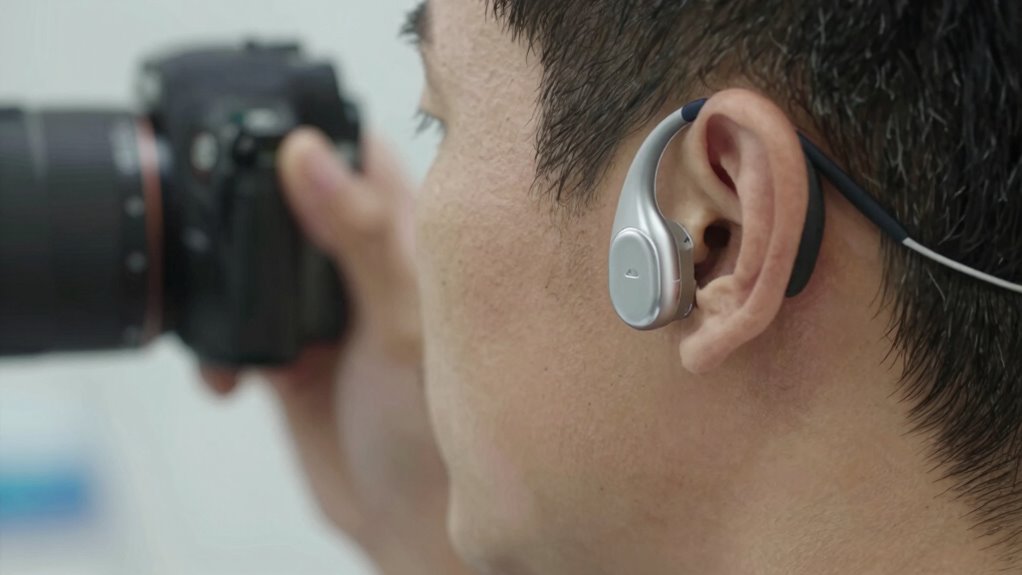
While bone conduction devices offer many advantages, they also come with limitations that can affect their effectiveness and comfort. Cost considerations are significant, as these devices can be expensive, and insurance coverage varies. This may make them less accessible for some users. Aesthetic concerns also play a role; some people find the devices bulky or noticeable, which can impact confidence and self-image. Additionally, bone conduction devices may cause skin irritation where the device contacts the skull, and sound quality can sometimes be less natural compared to traditional hearing aids. Users might experience difficulties with certain head movements or when engaging in physical activities. These challenges highlight the need to weigh the benefits against potential drawbacks when choosing bone conduction technology.
What Future Innovations Are Coming in Bone Conduction Technology?
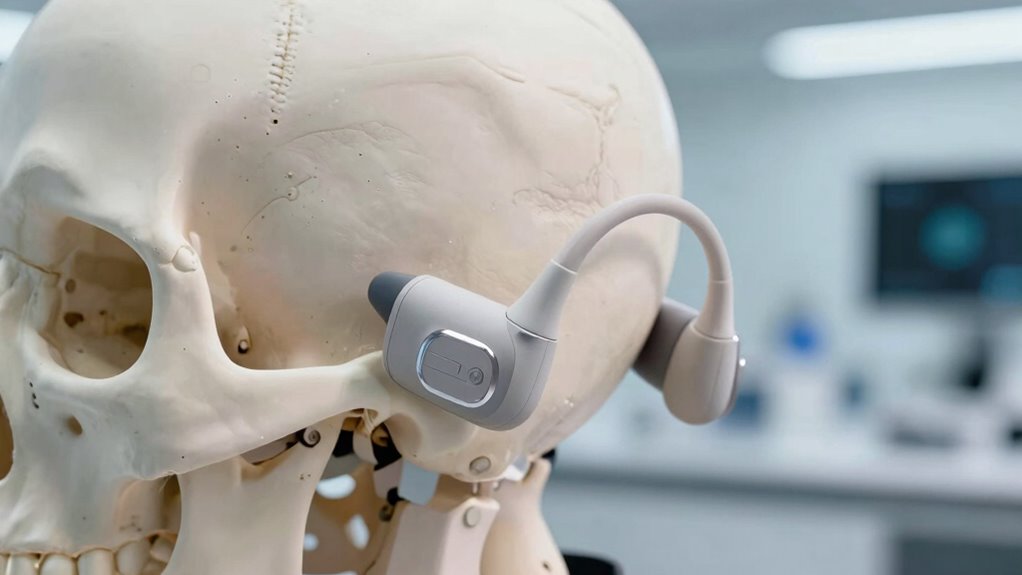
Advancements in bone conduction technology are poised to revolutionize how you experience sound by making devices more unobtrusive, effective, and user-friendly. Future innovations focus on integrating medical advancements that enhance comfort and durability, while improving user experiences. Expect smaller, more discreet devices that seamlessly blend into your daily life. Researchers are exploring new materials to increase efficiency and reduce power consumption. Enhanced wireless connectivity will allow easier integration with smartphones and other gadgets. Additionally, smarter devices may adapt automatically to your environment, optimizing sound clarity. These innovations aim to make bone conduction hearing devices more accessible and comfortable, empowering you to regain or improve hearing with less hassle. Ultimately, the future holds devices that are more intuitive, reliable, and tailored to your needs.
Is Bone Conduction Hearing Right for You? Key Factors to Consider?
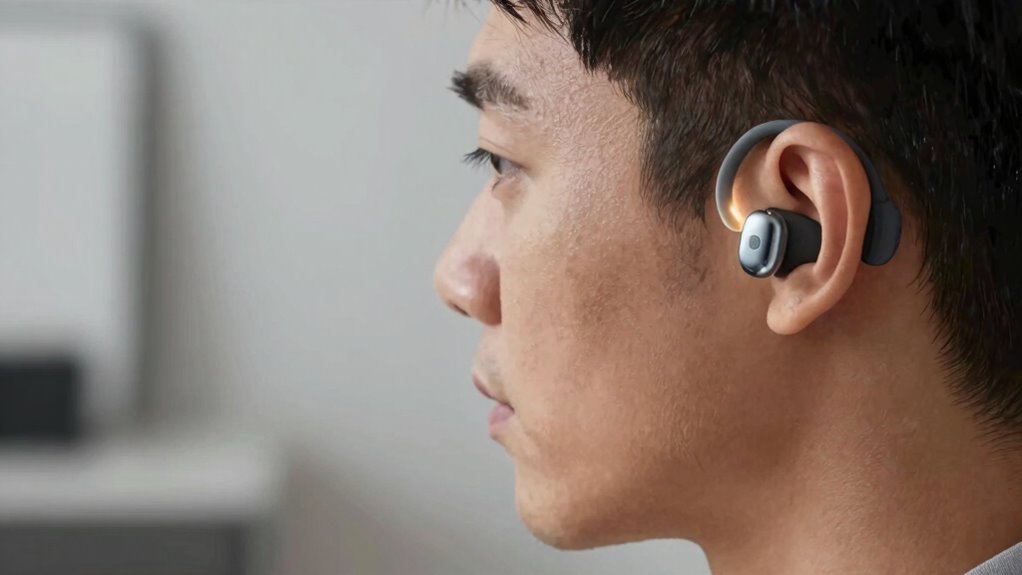
Deciding if bone conduction hearing technology is right for you depends on understanding your specific hearing needs and lifestyle. If you have conductive or mixed hearing loss, it offers a practical alternative hearing solution by bypassing damaged ear parts. Consider whether your daily activities require seamless sensory integration—bone conduction devices can help you stay connected without obstructing your ears. Think about comfort, ease of use, and how well the device fits into your routine. If you’re seeking a discreet option or need to hear in noisy environments, bone conduction might be suitable. However, consult with an audiologist to evaluate your hearing profile and discuss potential benefits or limitations. Ultimately, choosing this technology hinges on your unique hearing goals and lifestyle demands.
Frequently Asked Questions
Can Bone Conduction Help With Tinnitus or Other Auditory Conditions?
Bone conduction can help with tinnitus and other auditory conditions by providing sound therapy that bypasses damaged ear parts. It stimulates your skull directly, offering an alternative for hearing rehabilitation. By delivering sound through bone conduction devices, you may experience relief from tinnitus symptoms and improve overall hearing. This approach allows you to engage in effective auditory treatment, making it a useful option for managing various hearing and auditory challenges.
Are There Any Risks or Side Effects Associated With Bone Conduction Devices?
You might experience some risks or side effects with bone conduction devices, like skin irritation or discomfort where the device contacts your skull. It’s crucial to verify device compatibility to guarantee it fits your needs and anatomy. Also, consider cost considerations, as these devices can be expensive and may not be covered fully by insurance. Regular checkups help minimize risks and ensure the device functions safely and effectively.
How Long Do Bone Conduction Hearing Devices Typically Last?
Your bone conduction hearing device typically lasts several years, depending on device durability and how well you look after it. The device’s durability ensures it withstands daily wear, while the battery lifespan influences how often you’ll need to replace or recharge batteries. Regular maintenance and proper handling can extend its life, often up to 5-10 years, giving you reliable hearing support with minimal disruptions.
Can Children Safely Use Bone Conduction Hearing Aids?
Yes, children can safely use bone conduction hearing aids when guided by a healthcare professional. You should prioritize child safety by ensuring the device is properly fitted and regularly checked. Make sure the device is compatible with your child’s specific needs and age. Always follow the manufacturer’s instructions and consult with audiologists to guarantee safe, effective use, promoting healthy hearing development and comfort for your child.
What Maintenance Is Required for Bone Conduction Hearing Devices?
You need to regularly clean your bone conduction device with a soft, damp cloth to keep it in good condition. Check and replace the batteries as needed, usually every few days or weeks, depending on usage. Avoid getting water inside the device and keep it away from extreme temperatures. Proper maintenance guarantees peak sound quality and longevity, so make it part of your routine to clean and replace batteries as recommended.
Conclusion
If you’re considering bone conduction hearing, know that over 1 million people worldwide rely on this technology. It offers a discreet, effective way to hear through your skull, especially if traditional hearing aids aren’t an option. While there are challenges, ongoing innovations promise even better solutions. Ultimately, consulting an audiologist can help you determine if bone conduction is the right fit for your hearing needs and improve your quality of life.