
When analyzing the economic aspects of cochlear implants, it is important to recognize that the average cost typically falls between $50,000 and $100,000.
However, this figure is just the tip of the iceberg when it comes to understanding the full scope of expenses associated with this remarkable technology.
From insurance coverage nuances to out-of-pocket costs, navigating the landscape of cochlear implant finances can be complex yet crucial for making well-informed decisions regarding this life-changing intervention.
Key Takeaways
- Cochlear implant costs range from $50,000 to $100,000 on average.
- Factors like location, insurance coverage, and healthcare providers influence expenses.
- Insurance coverage from major providers like Medicare and Medicaid can help reduce out-of-pocket expenses.
- Financial assistance programs exist to support individuals with high implant costs.

Williams Sound NKL 001 Neckloop 18 inch (Mono Plug), Use with hearing aids equipped with a T-coil switch or an induction earphone, Moderate to severe hearing loss, Adult size
Use with hearing aids equipped with a T-coil switch or an induction earphone
As an affiliate, we earn on qualifying purchases.
Understanding Cochlear Implant Expenses
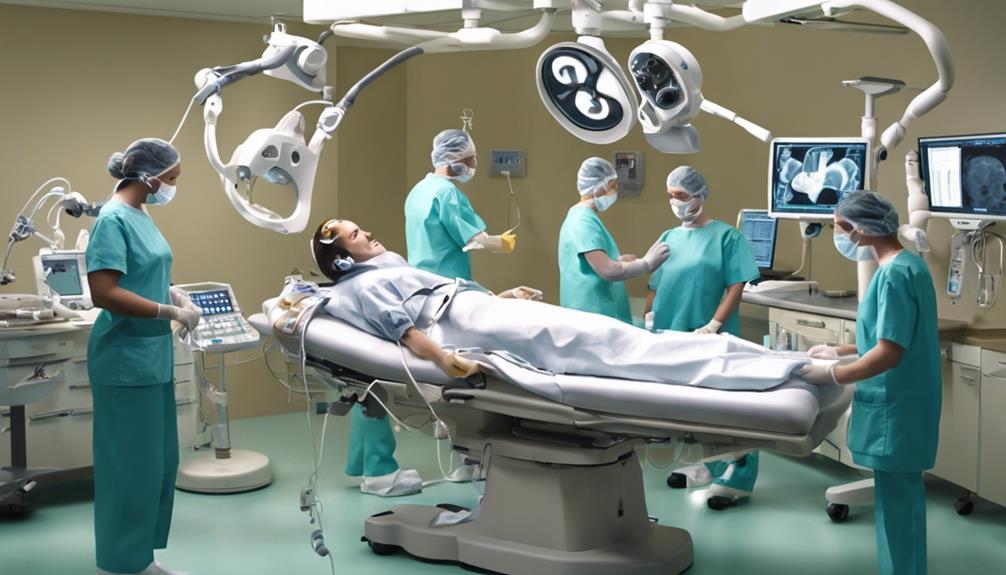
When considering the cost of cochlear implants, it's essential to carefully evaluate the various expenses involved. The average total cost of cochlear implants, ranging from $50,000 to $100,000, includes not only the implant itself but also other associated costs like pre-surgery evaluations, post-surgery rehabilitation, programming, follow-up care, accessories, and maintenance. Despite insurance coverage, out-of-pocket expenses may still arise, leading individuals to explore assistance programs or other avenues for financial support. It's crucial to understand what health care expenses insurance will cover and what costs patients will need to bear themselves.
Moreover, the evolving technology in cochlear implants plays a significant role in meeting specific needs but can also impact costs. Factors such as location, insurance coverage, and in-network providers can influence the overall expenses associated with cochlear implants. By carefully assessing and understanding these various cost elements, individuals can make informed decisions regarding their cochlear implant journey.

Bellman & Symfon Neckloop to Pair with T-Coil Equipped Hearing Aids and Our Separate Hearing Amplifier Products, Telecoil Audio Accessory for Seniors for Difficult Hearing Situations
𝐂𝐎𝐌𝐅𝐎𝐑𝐓 𝐅𝐈𝐓: Our lightweight, comfortable neckloop has a breakaway safety clasp for easy release and fits comfortably around...
As an affiliate, we earn on qualifying purchases.
Factors Impacting Cochlear Implant Costs
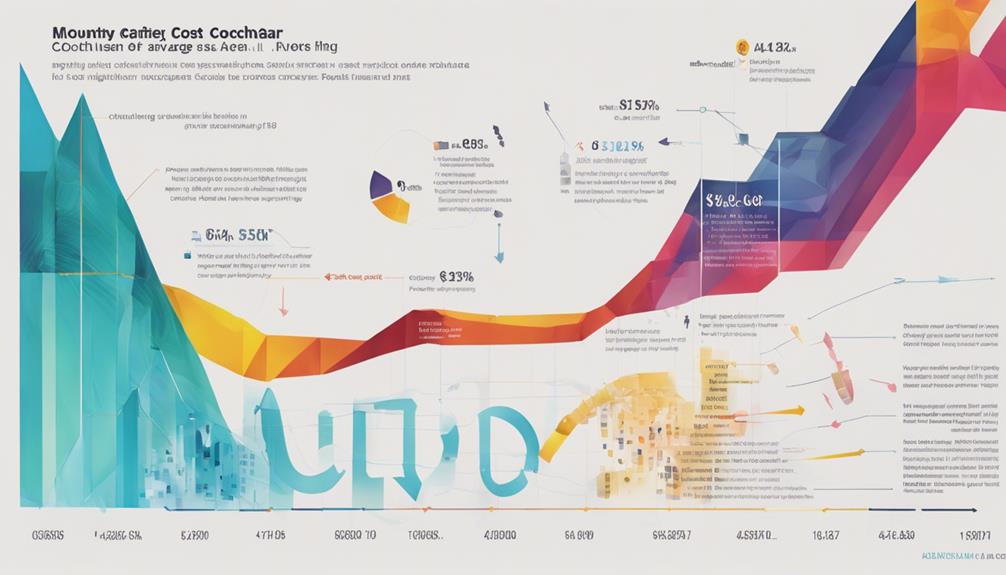
Location significantly influences the costs associated with cochlear implants, exhibiting notable disparities across various geographical regions. Factors such as surgical center choice and the in-network status of the surgeon can also impact the overall cost of cochlear implants. Insurance coverage plays a crucial role in determining these costs, with private insurance, Medicare, and Medicaid offering varying levels of coverage. Patients may be responsible for covering coinsurance, copays, and deductibles, but assistance programs are available for those without insurance coverage.
To navigate the complexities of cochlear implant costs, individuals must proactively communicate with health insurance providers to understand the benefits and expenses associated with the procedure. This level of communication is essential to ascertain coverage details and ensure that individuals can access the necessary financial support for cochlear implant surgery. By being informed and engaging with insurance providers, patients can better manage the financial aspects of receiving cochlear implants.

Williams Sound PLR BP1 Proloop Body Pack Induction Loop Receiver, Internal Tone Control, Compatible with Williams Sound 2 and 12 Bay Chargers, 3.5mm Stereo Jack, On/Off Volume Control, Black
Universal compatibility: works with all IEC60118-4 compliant induction loop systems
As an affiliate, we earn on qualifying purchases.
Average Cost Breakdown of Implant Procedure
Exploring the breakdown of costs for cochlear implant procedures reveals a range from $50,000 to $100,000, encompassing expenses related to the surgical procedure, implant device, and post-operative care. When considering the average cost breakdown of the implant procedure, it's essential to understand the various components contributing to the total expense.
- Surgical Procedure: This includes the expenses associated with the surgical intervention performed to implant the device.
- Implant Device: The cost of the cochlear implant device itself, which can vary based on the manufacturer of cochlear implants and the technology incorporated.
- Post-Operative Care: Costs related to the follow-up care and monitoring needed after the surgery to ensure optimal outcomes.
- Additional Expenses: These may include pre-surgery evaluations and post-surgery rehabilitation sessions, which are crucial for the overall success of the procedure.
Patients are advised to discuss specific cost breakdowns with their healthcare provider and inquire about insurance coverage to manage the financial aspects effectively.

Williams Sound PLA 90 Counter Loop, Users Bring Their own Device (Hearing aid with T-Coil), No Charging or maintaining of receivers by The Venue, Built-in Microphone
Magnetic signal couples directly to hearing aids equipped with telecoils (T-Coils)
As an affiliate, we earn on qualifying purchases.
Insurance Coverage for Cochlear Implants
Insurance coverage for cochlear implants is a critical factor in managing the financial aspects of this procedure. Most major insurance companies, including Medicare, Medicaid, Tricare, and the Veterans Administration, offer coverage for cochlear implants. State Medicaid agencies are required to cover cochlear implant costs for children under 21, ensuring access to this essential treatment.
Insurance benefits can significantly reduce out-of-pocket costs related to cochlear implants. To understand the specific coverage details, it's advisable to reach out to the insurance plan provider or the cochlear implant center. Federal health care plans, such as Medicare and Medicaid, play a vital role in providing access to cochlear implants for individuals who qualify for federal health care assistance.
Financial Assistance Options for Implant Costs
To effectively alleviate the financial burden associated with cochlear implants, exploring various financial assistance options is crucial for individuals seeking support with implant costs.
When navigating the cost of cochlear implants, there are several avenues to consider for financial aid:
- Organizations like the Disabled Children's Relief Fund and Foundation for Sight and Sound offer financial assistance programs specifically for cochlear implants.
- Collaborating with the cochlear implant center can help individuals identify suitable financial aid programs tailored to their needs.
- Audiologists and early intervention teams play a vital role in helping determine qualifying benefits for financial assistance related to cochlear implants.
- Various programs exist to support families with limited financial resources, providing essential financial aid options to help cover the high costs associated with cochlear implants.
Frequently Asked Questions
What Is the Cost of Cochlear Implant Machine?
The cost of a cochlear implant machine varies, typically ranging from $30,000 to $50,000. Insurance coverage often includes both the device and the associated surgery costs. Despite insurance, out-of-pocket expenses may still arise.
Consider additional costs like evaluations, rehabilitation, programming, follow-up care, accessories, and maintenance to estimate the total expense accurately.
It's essential to factor in all elements when determining the overall cost of a cochlear implant machine.
How Much Does It Cost to Get a Cochlear Implant With Medicare?
When getting a cochlear implant with Medicare, the cost breakdown typically involves Medicare covering 80% of the expenses, leaving beneficiaries responsible for the remaining 20%.
However, individual out-of-pocket costs can vary based on specific plans, including Medicare Supplement and Medicare Advantage.
It's crucial to review coverage details carefully to understand the financial implications and ensure proper planning for any potential expenses associated with cochlear implant procedures.
Will Insurance Cover a Cochlear Implant?
Yes, insurance will typically cover a cochlear implant. Most private insurance companies, Medicare, and Medicaid provide coverage for this procedure.
Medicare often covers 80% of the cost for eligible candidates, with patients responsible for coinsurance, copays, and deductibles. State Medicaid agencies are required to cover cochlear implant costs for children under 21.
For specific coverage details, it's best to contact the insurance plan provider or a cochlear implant center.
Are Cochlear Implants Worth It?
Absolutely, cochlear implants are unequivocally worth it. They dramatically enhance quality of life, speech comprehension, and social interactions. Studies show they lead to better educational and career outcomes.
The long-term benefits far exceed the initial cost. Our research indicates that cochlear implants are a wise investment for those with severe hearing loss.
Conclusion
In conclusion, the average cost of cochlear implants can be a significant financial investment for individuals with hearing loss. However, it's important to note that 85% of individuals with private insurance have coverage for cochlear implants, making them more accessible.
Understanding the factors that impact costs and exploring insurance coverage options can help individuals make informed decisions about pursuing this life-changing technology.