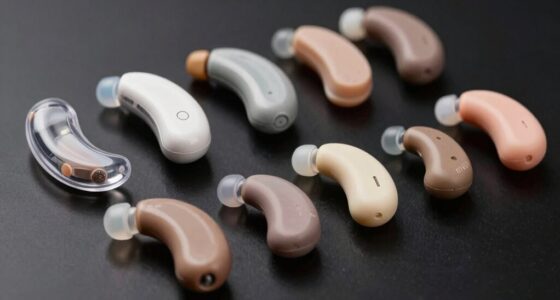
Choosing between earmolds and open domes can transform your hearing experience. Earmolds offer a snug, custom fit that enhances sound isolation and clarity, but may feel bulky or less comfortable for some. Open domes are more comfortable, discreet, and let in more natural sound, but might compromise noise reduction. Your lifestyle, comfort preferences, and hearing needs influence the best choice. To understand which option suits you best, explore the detailed differences ahead.
Key Takeaways
- Earmolds provide a snug, custom fit for superior sound isolation, while open domes offer a comfortable, less invasive fit.
- The choice depends on whether maximum sound quality or comfort and natural sound are prioritized.
- Earmolds may feel bulky or tight, but ensure better noise blocking; open domes are more discreet and comfortable for daily wear.
- Lifestyle and environment influence the decision; noisy settings benefit from earmolds, while open domes suit active, social users.
- Proper fitting and adjustments are essential to avoid discomfort, feedback, or poor sound clarity regardless of the chosen accessory.

Oticon ProWax Filter Wax Guards, OEM Replacements for Custom Earmolds Oticon Hearing Aids Supplies, Genuine OEM Denmark Oticon Branded Custom Moulds Accessories (3 Packs/Total 18 Filters)
As an affiliate, we earn on qualifying purchases.
As an affiliate, we earn on qualifying purchases.
What Are the Main Differences Between Earmolds and Open Domes?
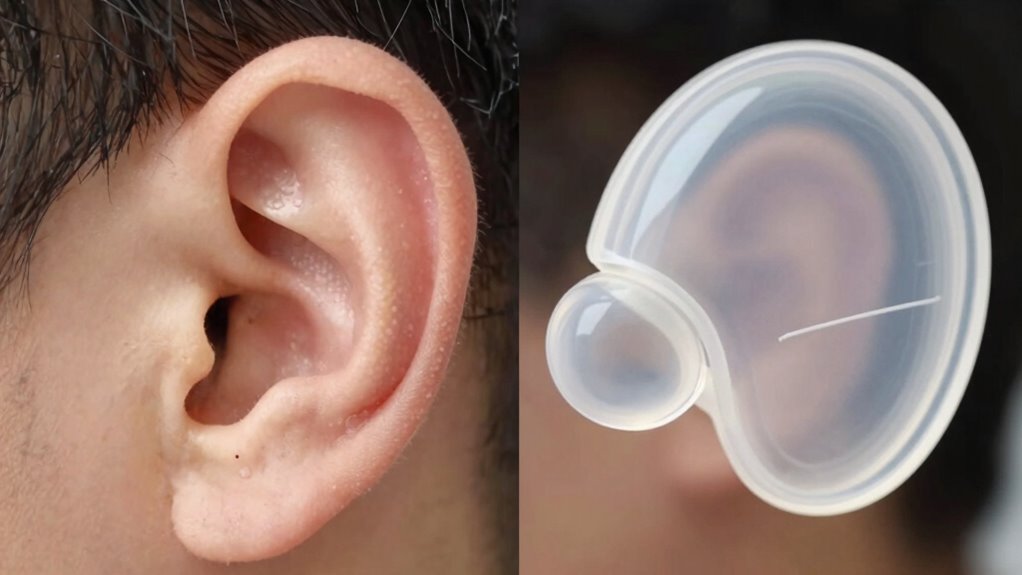
Earmolds and open domes are two different types of hearing aid fittings that serve distinct purposes. Earmolds are custom-made to fit snugly inside your ear canal, offering a high level of customization options tailored to your ear’s shape. They’re typically made from durable materials like silicone or acrylic, allowing for precise adjustments. Open domes, on the other hand, are less customized; they’re usually made from soft, lightweight plastic or silicone and are designed to fit more loosely. This material difference means open domes provide a more comfortable, less invasive fit but less customization. The choice depends on your hearing needs and comfort preferences, but understanding these material and customization differences is key to making an informed decision. Additionally, fit stability plays a crucial role in ensuring the hearing aid remains secure during daily activities. Moreover, the material properties of each component influence durability and comfort, impacting long-term satisfaction with the hearing aid. Selecting the appropriate fitting also involves considering user preferences, which can significantly affect overall satisfaction and device usage.
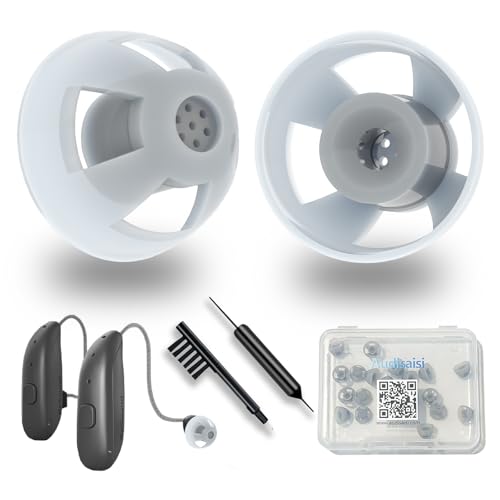
20pcs GN Resound Hearing aid Domes Open(M Size 8mm) Comfortable Silicone Design Noise Reduction Enhanced Acoustics Breathable and Easy to Clean Resound Hearing Aid Accessories Jabra Hearing Aid Domes
Natural Sound Integration: Specifically engineered for mild to moderate hearing loss, these open domes feature a vented structure…
As an affiliate, we earn on qualifying purchases.
As an affiliate, we earn on qualifying purchases.
Which Is Better for Sound Isolation and a Custom Fit?
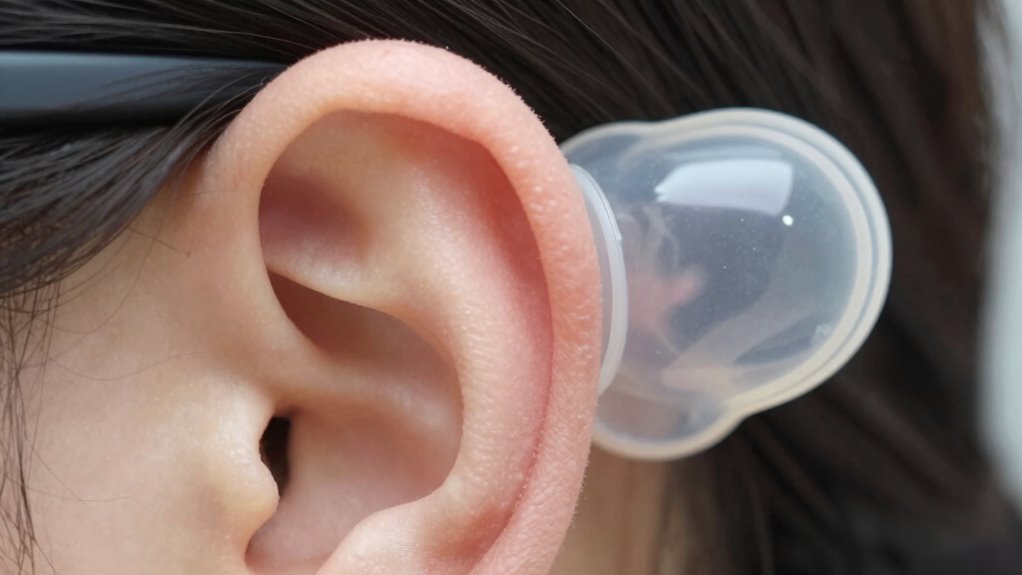
Which option offers better sound isolation and a more custom fit? Earmolds generally provide superior sound quality and isolation because they fit snugly inside your ear canal. They’re molded precisely to your ear’s shape, matching user preferences for comfort and noise reduction. Imagine:
- A seal that blocks out background noise like a thick wall.
- An ear canal perfectly contoured to your unique anatomy.
- Minimal sound leakage, keeping sound quality sharp and clear.
- A fit so secure, you forget you’re wearing them.
- Proper fitting techniques are essential to maximize their effectiveness and comfort.
Open domes, by contrast, allow more sound to pass through, offering a more natural feel but less isolation. Your choice depends on whether your priority is maximum sound quality or a more open, comfortable experience.

4-Pack Sports Lock for Oticon 85db – Low Touch and Secure Fit for Hearing Aids – Accessories for Oticon – Hearing Aid Supplies for Oticon – Hearing Aid Fixing Tail
Precise Custom Design: Suitable for Oticon hearing aids 85dB size, providing a perfect fit, ensuring that the hearing…
As an affiliate, we earn on qualifying purchases.
As an affiliate, we earn on qualifying purchases.
Are Open Domes Comfortable and Discreet for Daily Use?

Are open domes truly comfortable and discreet for daily use? Many users find open domes offer excellent daily comfort because they fit loosely and don’t cause pressure. Their discreet design makes them less noticeable, especially with discreet accessories like clear tubing or skin-colored domes. Additionally, understanding plant parts can greatly influence your daily experience with hearing devices. For example, the fit of open domes tends to be more adaptable to different ear shapes, enhancing comfort. The acoustic performance of open domes can also contribute to a more natural hearing experience, making them a popular choice. Comfort and wearability can vary based on ear shape and activity level. To help you compare, here’s a quick overview:
| Feature | Open Domes | Earmolds |
|---|---|---|
| Comfort | Usually high, minimal pressure | Can feel tight or bulky |
| Discreetness | Very discreet, low visibility | More visible, bulkier |
| Daily Use | Ideal for regular, active days | Better for noise isolation |
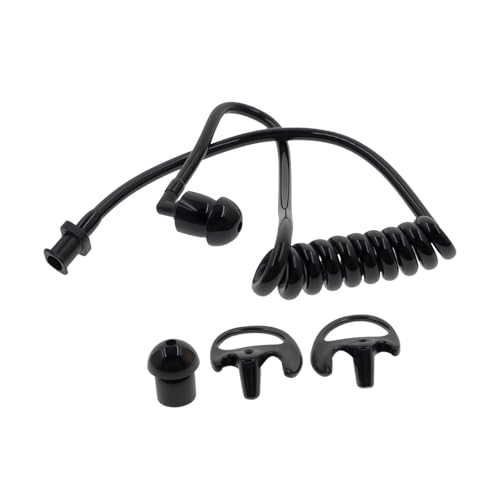
BaotyJie Accoustic Ear Tube with 1 Pair Medium Earmold Noise Reduction Accessories for Two Lightweight Coil Tube Replacement
【Comfort】Ergonomically designed with soft silicone ear tips to provide a comfortable fit
As an affiliate, we earn on qualifying purchases.
As an affiliate, we earn on qualifying purchases.
How Do You Decide Which Hearing Aid Accessory Is Right for You?

Choosing the right hearing aid accessory depends on your lifestyle, comfort preferences, and specific hearing needs. To decide, consider these factors:
- How active you are—if you sweat or exercise often, open domes might be better.
- Your environment—noisy places may benefit from earmolds for better sound control.
- Ease of maintenance—some accessories are easier to clean and replace.
- Compatibility—ensure your chosen accessory works seamlessly with your hearing aid model.
- Additionally, understanding the differences in hearing aid accessories can help you make an informed decision tailored to your needs. Familiarizing yourself with fitting options can also guide your choice to match your specific preferences and needs.
- Considering the types of fittings available can also influence your comfort and overall satisfaction, as different fittings may provide varying levels of noise isolation and comfort.
- Being aware of custom vs. universal fittings can further guide your choice to match your specific preferences and needs.
- Familiarizing yourself with fitting adjustments can ensure the accessory provides optimal sound quality and comfort over time.
Common Fit Problems and When to Switch Your Hearing Aid Accessories
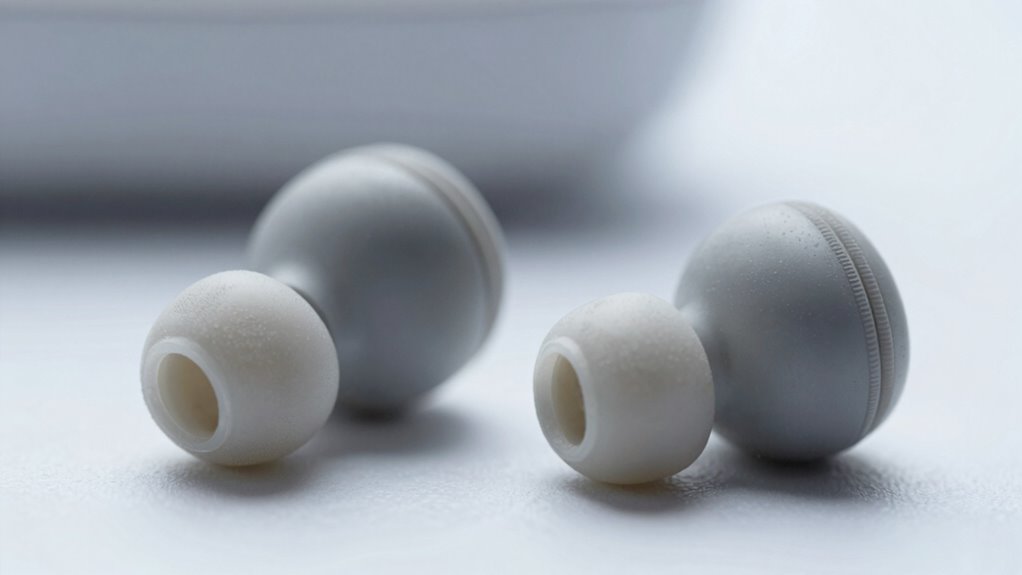
Selecting the right hearing aid accessory can improve comfort and sound quality, but sometimes fit problems arise that make it necessary to reconsider your choice. Common issues include discomfort, feedback, or poor sound clarity, often caused by improper fitting. Regular hearing aid maintenance helps identify these problems early. If you notice persistent discomfort or reduced hearing performance, it’s time for fitting adjustments. Switching from earmolds to open domes or vice versa can resolve many fit issues, ensuring a more secure and comfortable fit. Proper fitting is essential for optimal device performance and user satisfaction. Additionally, understanding the differences between wave and wind noise can help you choose accessories that better suit your environment and listening needs. Recognizing how water exposure can impact your device may help prevent damage and maintain performance. Properly fitted devices also help reduce the likelihood of feedback, making your listening experience more enjoyable. Don’t ignore these signs—addressing fit problems promptly can prevent further discomfort and improve hearing aid function. Consulting your audiologist for proper fitting adjustments ensures your device continues to serve you effectively. When fit problems persist, changing your hearing aid accessories might be the best solution.
Frequently Asked Questions
How Durable Are Earmolds Compared to Open Domes Over Time?
You’ll find that earmolds generally have a higher durability compared to open domes, thanks to their sturdy materials. Earmolds are designed for long-term use, with material longevity that withstands daily wear and tear better. Open domes, on the other hand, tend to be less durable over time, as they can become loose or damaged more easily. Overall, if durability matters, earmolds are a smarter, longer-lasting choice.
Can I Switch Between Earmolds and Open Domes Easily?
You can switch between earmolds and open domes easily, especially if you choose accessory customization options. About 70% of users find swapping these options straightforward, enhancing user comfort and flexibility. Simply remove one and insert the other, but make certain your devices are compatible. With proper care, switching becomes quick and hassle-free, letting you tailor your hearing experience to your environment or activity effortlessly.
Do Open Domes Affect the Battery Life of Hearing Aids?
Open domes can slightly impact your hearing aid’s battery life due to increased power consumption. Because they allow more natural sound in, your device may work a bit harder to process external noise, leading to faster battery drain. However, the effect is usually minimal. If you’re concerned about battery impact, you might want to carry spare batteries or consider adjusting your device’s settings to optimize power efficiency.
Are There Specific Hearing Loss Types Better Suited for Earmolds?
Yes, a custom fit earmold works best for severe or profound hearing loss, especially when you need enhanced noise reduction. You’ll benefit from better sound clarity, as earmolds create a secure seal that reduces background noise. This fit guarantees your hearing aids deliver more precise amplification, making conversations clearer and more natural. If you have specific hearing needs, earmolds can be tailored to optimize noise reduction and comfort effectively.
What Maintenance Routines Are Recommended for Each Accessory Type?
You might think maintenance is simple, but proper cleaning routines and replacement schedules truly make a difference. For earmolds, clean daily with mild soap and replace every 6-12 months to prevent buildup. Open domes require gentle cleaning weekly and should be replaced every 3-6 months. Regular upkeep ensures peak sound quality, comfort, and longevity of your accessories, keeping your hearing experience clear and reliable.
Conclusion
Ultimately, choosing between earmolds and open domes depends on your lifestyle and hearing needs. Think of it like selecting a trusty sword or a delicate dagger—each has its moment. If you want maximum sound isolation, earmolds might be your knight in shining armor. But if comfort and discretion matter most, open domes could be your secret weapon. Whichever you pick, remember, it’s all about finding what fits you best—because, as they say, “the proof of the pudding is in the eating.”