FM, DM, and Wi‑Fi listening systems each use different technology to deliver sound. FM systems transmit audio via radio signals, ideal for outdoor or active environments, but can face interference. DM systems send digital signals for clear, secure sound, suited for noisy or interference-prone areas. Wi‑Fi systems stream high-quality audio over internet networks, perfect for smart environments. To select the best, consider your environment and needs. Exploring these options further helps guarantee you pick the right system for your lifestyle.
Key Takeaways
- FM systems use radio signals, ideal for outdoor and active environments, but susceptible to interference.
- DM systems transmit digital audio for high clarity and minimal interference, suitable for secure, interference-prone areas.
- Wi-Fi listening systems connect via internet, offering high-quality streaming and device integration but depend on stable Wi-Fi networks.
- Each system has specific environmental uses, with FM for mobility, DM for clarity and security, and Wi-Fi for smart, connected spaces.
- Proper understanding prevents user confusion and ensures selection of the most suitable system for specific needs.

Enersound NKL-402 Professional Neckloop with Break Away safety feature 3.5mm Stereo plug
Wireless connection to hearing aids equipped with a "T" coil
As an affiliate, we earn on qualifying purchases.
What Are FM, DM, and Wi‑Fi Listening Systems and How Do They Work?
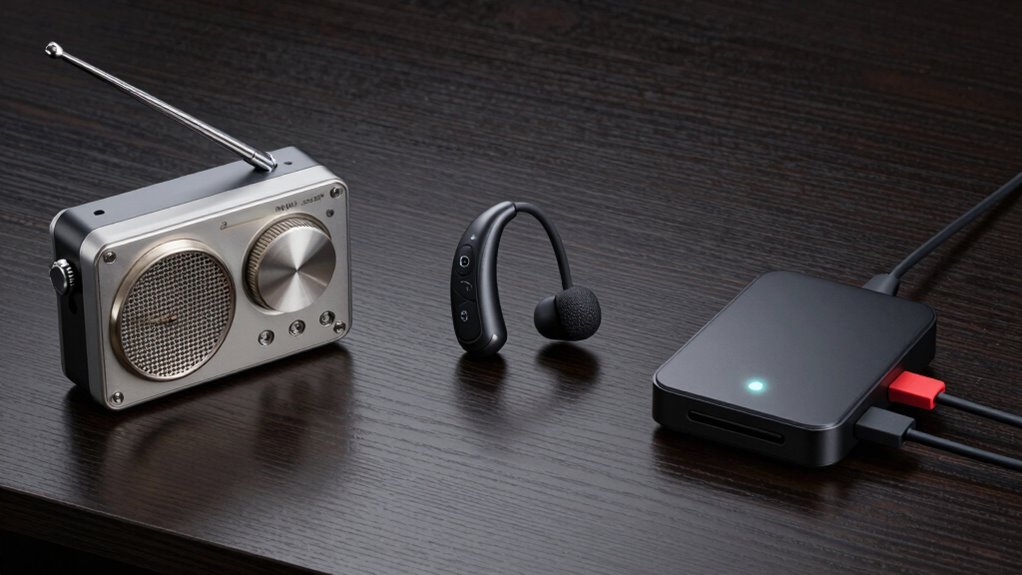
FM, DM, and Wi-Fi listening systems are different technologies designed to transmit sound wirelessly to help those with hearing difficulties. FM systems use radio signals, offering broad wireless compatibility with various devices, making them reliable in many environments. They typically have long battery life, so you don’t need to worry about frequent charging during the day. Digital Mic (DM) systems capture sound directly from a microphone and transmit it digitally, providing clear audio with minimal interference. They usually have shorter battery life compared to FM systems but deliver high-quality sound. Wi-Fi listening systems connect via your home or public Wi-Fi network, offering seamless integration with smart devices. They often require more power, which can impact battery life, but provide flexible, high-quality audio streaming options. Additionally, understanding the contrast ratio of the system can influence the clarity and quality of the audio experience. Incorporating power consumption considerations can help ensure that the device remains practical for daily use without frequent recharging.

Williams Sound PLR BP1 Proloop Body Pack Induction Loop Receiver, Internal Tone Control, Compatible with Williams Sound 2 and 12 Bay Chargers, 3.5mm Stereo Jack, On/Off Volume Control, Black
Universal compatibility: works with all IEC60118-4 compliant induction loop systems
As an affiliate, we earn on qualifying purchases.
How Do FM, DM, and Wi‑Fi Listening Systems Differ in Features and Performance?
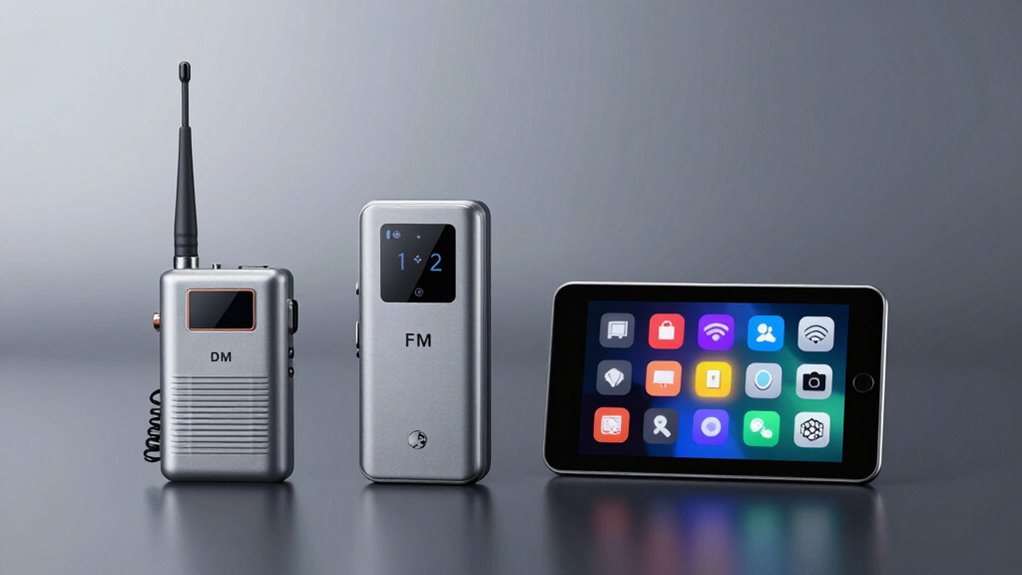
While all three systems aim to deliver clear audio wirelessly, they differ markedly in features and performance. FM systems are reliable but can suffer from wireless interference, especially in crowded areas or near electronic devices. They typically have limited battery longevity, requiring frequent replacements or recharging. DM systems offer more consistent performance with digital signals that resist interference, providing clearer sound overall. Their battery life is generally longer than FM systems, making them suitable for extended use. Wi-Fi listening systems excel in high-quality audio streaming and integration with smart devices but are more vulnerable to wireless interference from other Wi-Fi networks. They often have robust battery longevity but depend on stable internet connections. Each system’s performance hinges on your environment and specific listening needs. Understanding wireless technology can help you choose the best system for your circumstances.

Listen Technologies LA-430 Intelligent Ear Phone/Neck Loop Lanyard, Black, Compatible with all Listen iDSP Receivers, 3.5mm Earphone Jack, Provides the Correct Field Strength and Flat Frequency Respon
Integrated neck loop incorporates our advanced DSP loop driver for an improved listening experience
As an affiliate, we earn on qualifying purchases.
Which Listening System Is Best for Your Hearing Needs and Environment?

Choosing the right listening system depends on your specific hearing needs and the environment where you’ll use it. If you need customization, look for systems with personalization options to adjust sound quality. Consider battery life: longer-lasting devices suit outdoor or all-day use. For noisy settings, systems with better noise reduction are ideal. FM systems often excel in personalization and battery longevity, while Wi-Fi offers seamless connectivity. DM systems are great for environments requiring secure, interference-free sound. Use this table to compare:
| Feature | FM System | DM System | Wi-Fi System |
|---|---|---|---|
| Personalization | High | Moderate | Variable |
| Battery Life | Long-lasting | Moderate | Shorter |
| Suitable Environment | Classrooms, outdoor | Secure, interference-prone areas | Smart, connected environments |
| Connectivity | Wireless, reliable | Secure, limited range | Wireless, flexible |
Additionally, FM systems are known for their reliable sound transmission, making them suitable for dynamic environments. They are often used in educational settings where clarity and dependability are crucial. When selecting a system, consider the environment’s noise level to ensure optimal performance. Choose based on your environment and priorities.

Williams Sound NKL 001 Neckloop 18 inch (Mono Plug), Use with hearing aids equipped with a T-coil switch or an induction earphone, Moderate to severe hearing loss, Adult size
Use with hearing aids equipped with a T-coil switch or an induction earphone
As an affiliate, we earn on qualifying purchases.
What Are the Pros and Cons of FM, DM, and Wi‑Fi Listening Devices?
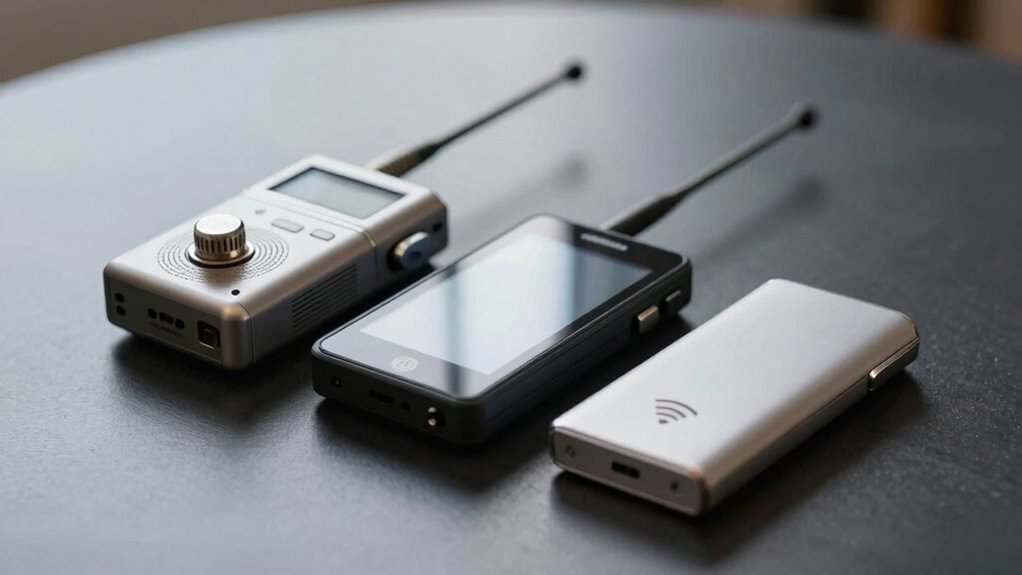
Understanding the advantages and disadvantages of FM, DM, and Wi-Fi listening devices helps you make an informed choice for your hearing needs. FM systems often provide reliable audio quality over long distances, but device compatibility can be limited, requiring specific receivers. Digital Mail (DM) devices typically offer better sound clarity and reduce interference, although they may involve higher costs and more complex setup. Wi-Fi listening systems deliver excellent audio quality and are highly compatible with modern smartphones and smart devices, giving you flexibility. However, Wi-Fi systems can be affected by network congestion and may need a stable internet connection. Weighing these pros and cons helps you select a system that matches your environment, preferences, and technical requirements, ensuring ideal hearing support.
How Can You Choose the Right Listening System for Your Lifestyle?
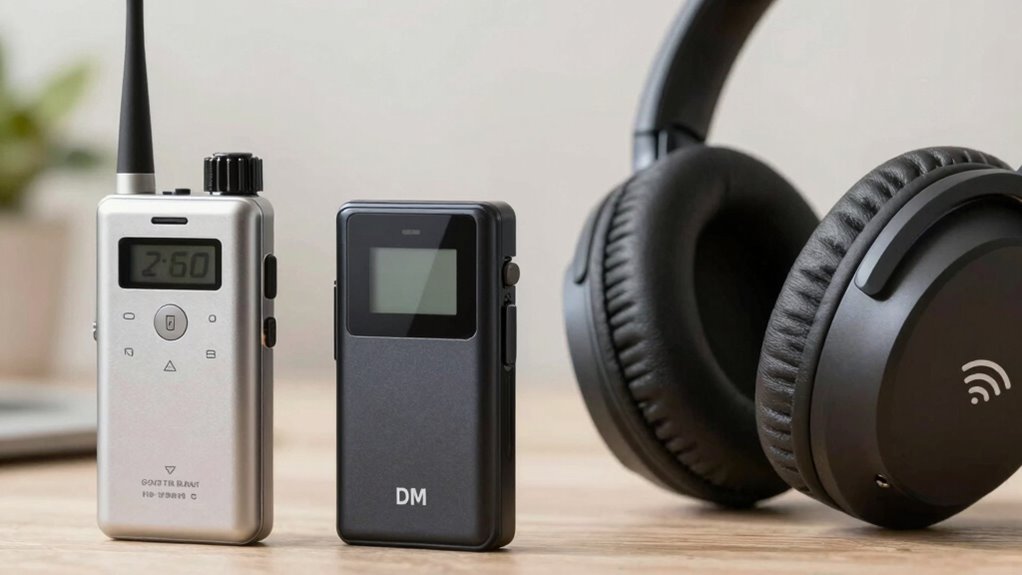
Selecting the right listening system depends on your daily routines, environments, and personal preferences. Consider the customization options available—some systems let you adjust sound quality or connect to multiple devices, enhancing your listening experience. Think about where you’ll use the system most often; for example, Wi-Fi systems excel indoors, while FM or DM might be better outdoors or in crowded areas. Cost considerations also play a role; more advanced systems may come with higher prices, but they could offer features you need. Evaluate your lifestyle to determine which features are essential and which you can do without. By balancing system compatibility and cost, you can select a listening system that fits seamlessly into your daily life and ensures excellent hearing support.
What Common Mistakes Should You Avoid When Selecting a Listening System?
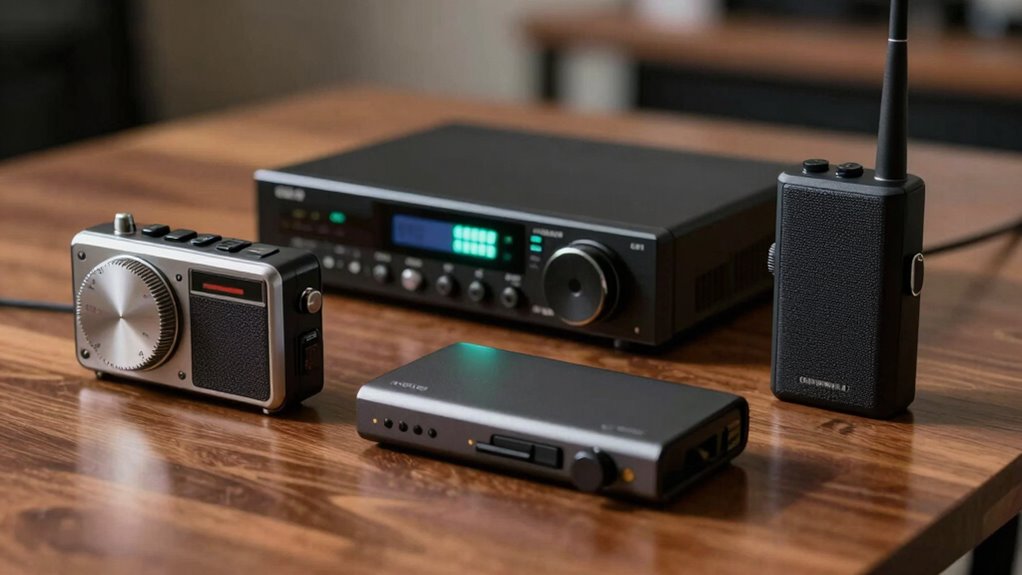
One common mistake to avoid is overlooking the compatibility of the listening system with your existing devices and environment. Failing to consider the user interface can lead to frustration, especially if it’s complicated or unintuitive. Additionally, neglecting the overall user experience might make your system less enjoyable and harder to operate daily.
Be sure to watch out for these pitfalls:
- Choosing a system that doesn’t seamlessly connect with your devices
- Ignoring the ease of use and navigation of the user interface
- Overlooking environmental factors like interference or room acoustics
Avoid these mistakes to ensure you select a listening system that’s easy to operate, integrates well into your lifestyle, and provides a satisfying user experience.
Frequently Asked Questions About FM, DM, and Wi‑Fi Listening Devices
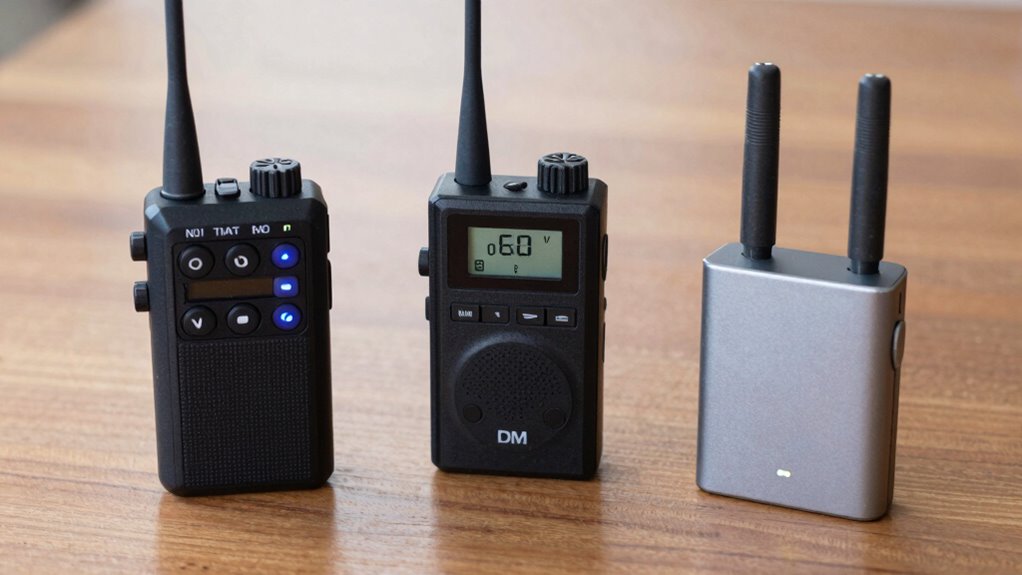
Are you wondering which listening system—FM, DM, or Wi-Fi—is best suited for your needs? Many users ask about wireless interference, which can affect FM and Wi-Fi devices, especially in crowded areas. Digital models, like DM, are less prone to interference but may require pairing or setup. Battery longevity is another common concern; FM devices often have longer battery life due to simpler technology, while Wi-Fi systems may drain batteries faster because of constant data streaming. Consider your environment and daily usage when choosing. If you need reliable, interference-free listening with longer battery life, FM might be your best option. For more versatility and less interference, Wi-Fi or DM systems could work better, but they may need more frequent charging or maintenance. Additionally, art care considerations can influence your choice, especially if you are integrating technology into your living space to protect your hearing devices and overall environment. Staying informed about wireless technology advancements can help you select the most suitable system for your specific needs, and understanding investment risks associated with different devices can help you make more informed decisions. It’s also beneficial to consider compatibility with existing devices, which can impact your overall experience and convenience.
Frequently Asked Questions
Can FM, DM, and Wi‑Fi Systems Be Used Together?
Yes, you can use FM, DM, and Wi‑Fi systems together, but compatibility challenges may arise. These systems operate on different frequencies and protocols, which can cause signal interference if not properly managed. To guarantee smooth functioning, you’ll need to set them up carefully, using compatible equipment and possibly interference filters. Be prepared for some trial and error to optimize performance across all systems.
Are There Specific Brands Known for Reliable FM, DM, or Wi‑Fi Systems?
Think of the market as a garden, with brands as blooming flowers. For reliable FM, look at Parker or ReSound, known for solid reputation. DM systems often come from Bellman & Symfon or Comfort Audio, praised for compatibility and durability. Wi‑Fi brands like Phonak and Oticon shine with seamless connectivity. Trust these brands for quality, and verify their products mesh well with your existing setup to keep your listening experience smooth and dependable.
How Does Battery Life Vary Among FM, DM, and Wi‑Fi Devices?
Your battery performance depends on the device type, with FM systems typically offering the longest battery life due to low power consumption. DM devices often have moderate battery life, while Wi‑Fi systems usually drain batteries faster because of higher power consumption for streaming and data transfer. To get the most out of your devices, choose systems with efficient power usage and consider rechargeable options to extend battery life.
What Maintenance Is Required for Each Type of Listening System?
You need to regularly check and clean your listening system, regardless of type. For FM, verify antennas are properly connected and perform system calibration if sound quality drops. DM systems might require software updates to fix bugs, while Wi-Fi devices need firmware updates and network security checks. Regular maintenance, including calibration and updates, keeps your system functioning smoothly and guarantees ideal sound clarity and reliability.
Are There Legal Restrictions on Using Wireless Listening Devices?
Yes, there are legal restrictions on using wireless listening devices. You need to make certain your legal compliance in your area, as laws vary by jurisdiction. Using these devices without proper authorization can lead to privacy concerns and potential legal issues. Always check local laws before using wireless listening systems to avoid infringing on privacy rights or violating regulations. Staying informed helps you use the technology responsibly and legally.
Conclusion
Choosing the right listening system is like finding the perfect key to release clear communication. By understanding the differences between FM, DM, and Wi‑Fi systems, you can avoid getting lost in a maze of options. Think of it as tuning into your favorite station—when you select wisely, your hearing experience will be smooth and enjoyable, turning everyday sounds into a symphony rather than static. Make an informed choice and listen to life’s melodies with confidence.