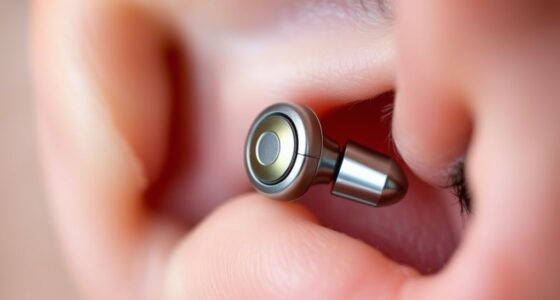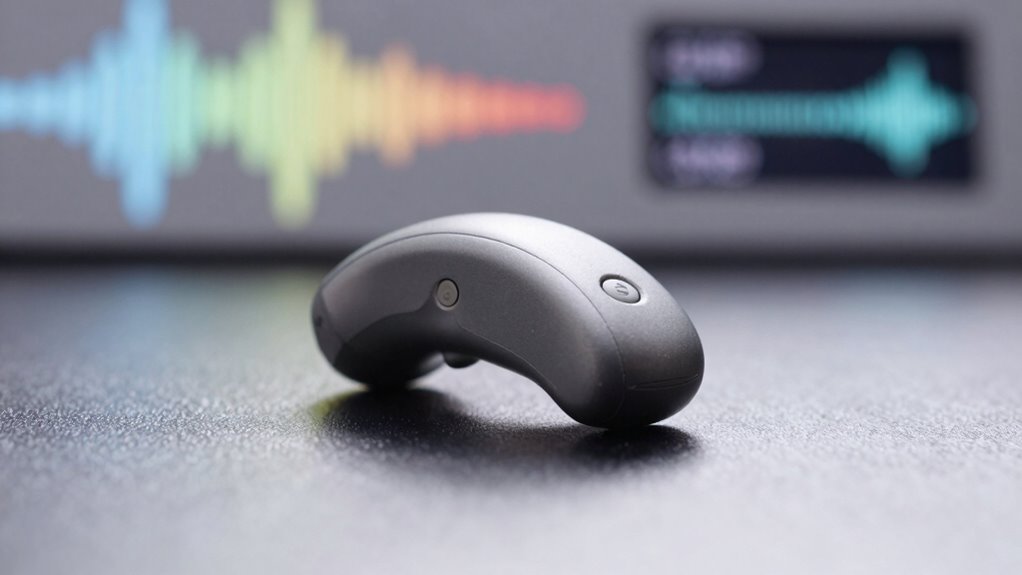
Hearing aid delays happen because your device needs time to process and amplify sounds, which can sometimes cause audio to feel out of sync with real-time events. This can make speech seem behind speech movements or background noises disconnected, leading to an unnatural listening experience. Advances like faster processors and better algorithms help minimize these issues. If you want to understand how technology improves sound quality and what you can do about distortion, keep exploring this topic further.

Get everyday helpers delivered free with Prime
- Fast, free delivery on millions of items
- Prime Video, Amazon Music and more included
- Member-only deals all year
Key Takeaways
- Processing delays can cause sounds to seem out of sync with real-time events, affecting natural hearing.
- Advanced technology and faster processors help minimize delay and improve sound clarity.
- Regular firmware updates and maintenance optimize device performance and reduce distortion.
- Complex environments challenge hearing aid processing, potentially leading to muffled or echoing sounds.
- Understanding device capabilities and working with audiologists can enhance overall listening experience.
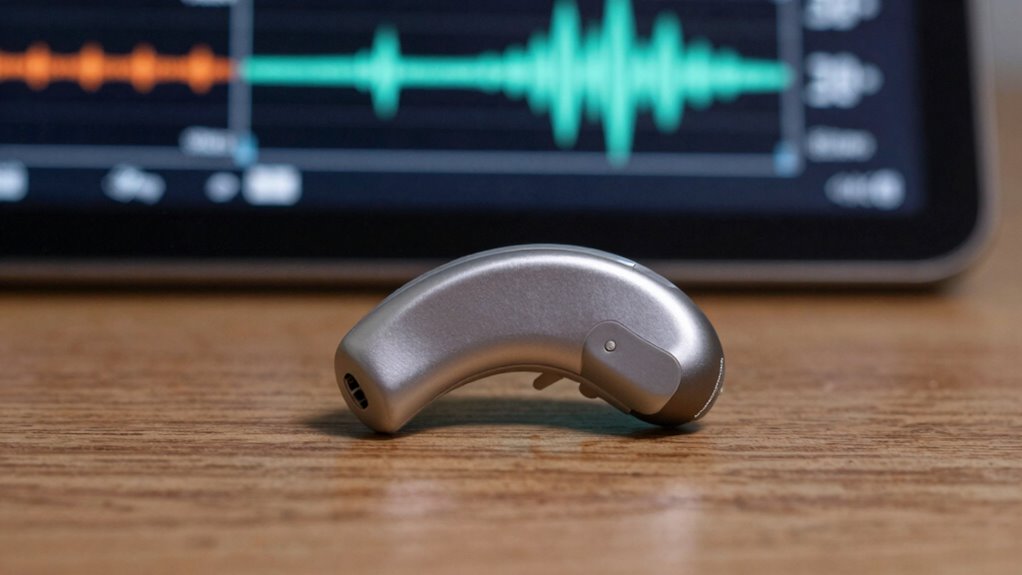
When hearing aids process sound, delays and distortions can occur, affecting how accurately you perceive your environment. These delays happen because of the time it takes for the device’s internal components to analyze and amplify sounds. While hearing aid technology has advanced considerably, some latency is still inevitable, especially in complex auditory environments. This delay can lead to an unnatural listening experience, making sounds seem out of sync or lagging behind real-time events. You might notice that speech sounds are slightly behind the speaker’s lip movements or that background noises feel disconnected from their sources.
Hearing aid delays can cause sounds to seem out of sync with real-time events.
Understanding how hearing aid technology handles sound is essential because it directly impacts your overall sound quality. Modern devices aim to minimize these delays through faster processors and improved algorithms. Sound quality improvements are a constant focus for manufacturers, who endeavor to deliver clearer, more natural audio. By reducing processing time, hearing aids can deliver a more seamless listening experience, so the sounds around you feel more immediate and lifelike. These advancements mean you’re less likely to experience the disorienting effects of delay, such as a sense of disconnection from your surroundings or difficulty following conversations in noisy environments.
However, even with the latest technology, some level of distortion or delay may still be noticeable, especially in challenging listening situations. For instance, in loud or unpredictable environments, the device might struggle to process sounds quickly enough, leading to muffled or echoed audio. This is a normal limitation, but ongoing improvements are continually narrowing the gap. It’s also important to note that different hearing aids vary in their processing speeds, so choosing a device with advanced sound processing capabilities can greatly enhance your listening experience. Additionally, manufacturers are exploring microchip design innovations that can further reduce processing delays and improve sound fidelity. These innovations are crucial because they directly influence the processing speed of hearing aids, which is a key factor in minimizing delay and distortion.
Furthermore, regular updates and maintenance of your hearing aids can help optimize their performance. Manufacturers often release firmware updates that improve processing speed and sound quality, reducing delay and distortion over time. Being aware of these improvements and working with your audiologist ensures your device is functioning at its best. Furthermore, advancements in digital signal processing contribute significantly to lowering processing delays and improving overall sound fidelity. In fact, some recent innovations are focused on reducing latency to make the listening experience even more natural. For example, innovations in microchip design and digital signal processing have played a vital role in these improvements. Ultimately, understanding the balance between processing delays and sound quality improvements helps you set realistic expectations. While no hearing aid is perfect, ongoing technological progress means you’re getting closer to a natural, distortion-free hearing experience, allowing you to enjoy conversations, music, and environmental sounds with greater clarity and confidence.
hearing aids with fast processing technology
As an affiliate, we earn on qualifying purchases.
As an affiliate, we earn on qualifying purchases.
Frequently Asked Questions
How Does Hearing Aid Delay Affect Speech Comprehension in Noisy Environments?
Hearing aid delay can impact your speech comprehension in noisy environments by causing echo and distortion, making it harder to distinguish speech from background noise. When delay isn’t properly managed, echoes may interfere with sound clarity. Modern hearing aids use echo cancellation technology to reduce this issue, helping you better focus on conversations despite background noise. Proper delay settings are essential to improving your overall listening experience in challenging environments.
Can Distortion in Hearing Aids Cause Long-Term Hearing Damage?
Distortion in hearing aids, caused by improper sound processing or calibration issues, can’t directly cause long-term hearing damage. However, if distortion leads you to increase volume excessively, it might harm your hearing over time. Proper hearing aid calibration ensures clear sound quality without unnecessary loudness. Regular check-ups help maintain ideal sound processing, reducing the risk of damage and ensuring your hearing remains protected while improving speech comprehension.
Are Certain Hearing Aid Brands More Prone to Delay and Distortion Issues?
Some hearing aid brands are more prone to delay and distortion issues, but it’s not a one-size-fits-all answer. You should look into brand reliability and how they incorporate the latest technology advancements. Leading brands tend to have better quality control and newer tech that minimize these problems. Don’t buy the first one you see; do your homework and choose a brand that’s known for dependable performance and innovation.
What Is the Typical Lifespan of a Hearing Aid Before Delay or Distortion Occurs?
A hearing aid usually lasts about 3 to 7 years before you might notice delay or distortion issues. Your device’s battery lifespan and proper calibration play key roles in its longevity. As batteries weaken, sound quality can decline, leading to delays. Regular maintenance, timely battery replacements, and professional calibration help prevent or delay these problems, ensuring your hearing aid continues to perform at its best over the years.
How Can Users Detect and Troubleshoot Hearing Aid Delay or Distortion Problems?
You might suspect delay or distortion if you notice feedback issues or sounds that aren’t clear. To troubleshoot, check for loose fittings or wax blockages. Make fitting adjustments if necessary, and listen for improvements. If problems persist, consult your audiologist. Regular maintenance and timely adjustments can prevent delay and distortion, ensuring your hearing aid functions smoothly and provides the best hearing experience.
Conclusion
Understanding hearing aid delay and distortion is key to enjoying clear, natural sound. When these issues occur, it’s like trying to listen through a foggy window—everything becomes blurry and hard to interpret. By staying informed and working closely with your audiologist, you can minimize these problems and enhance your hearing experience. Remember, just like a finely tuned instrument, your hearing aid needs regular adjustments to perform at its best, offering you clarity and comfort every day.
Halloween Picks
halloween
As an affiliate, we earn on qualifying purchases.