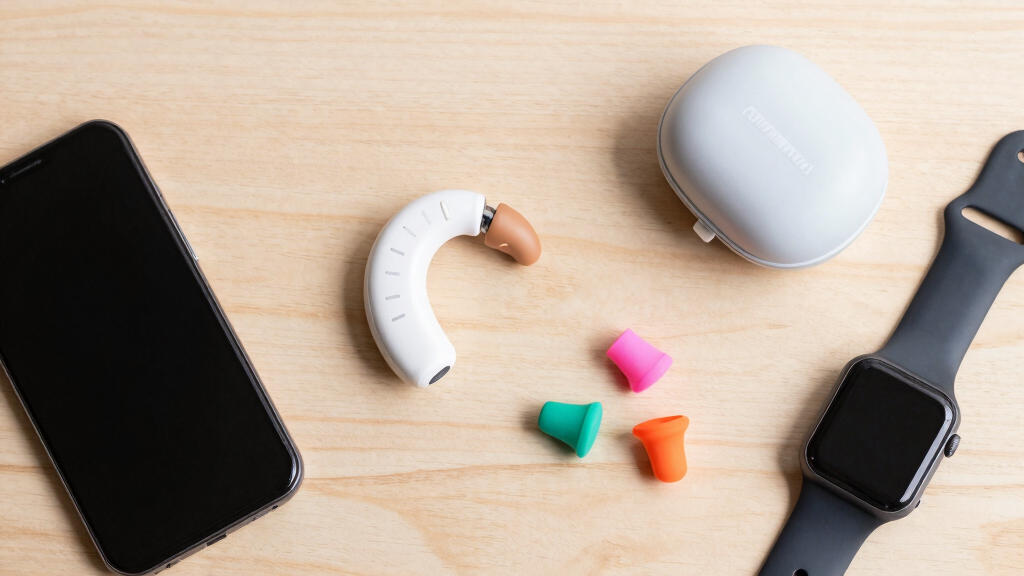

TL;DR

Get everyday helpers delivered free with Prime
- Fast, free delivery on millions of items
- Prime Video, Amazon Music and more included
- Member-only deals all year
Hearing aid accessories like remote microphones, Bluetooth streamers, and rechargeable options make school life easier for students with hearing loss. Choosing the right tools improves communication, focus, and social interaction.
If you’ve ever watched a student struggle to hear in a noisy classroom, you know how frustrating hearing loss can be. Accessories for hearing aids aren’t just gadgets—they’re game-changers. They help kids focus, understand, and participate more confidently.
From Bluetooth streamers to remote microphones, the right accessories can make a real difference. But how do you choose what’s best? And what’s recent in this space? This guide breaks down the must-know options, tips, and the latest tech to empower students with hearing loss.
Choose accessories compatible with your child’s hearing aid brand and model.
Wireless options like Bluetooth and FM systems improve classroom clarity and ease of use.
Recharging accessories reduce costs and environmental impact over time.
Teach children how to operate and maintain their devices to foster independence.
Stay updated on new tech, like AI noise reduction, to enhance hearing in busy environments.
What are the must-have hearing aid accessories for students?
Hearing aid accessories for students include devices that connect seamlessly, improve clarity, and withstand active school days. Think of them like a toolkit for better hearing and communication.
Some top options are remote microphones, Bluetooth streamers, and discreet remote controls. These tools help students hear their teachers clearly, even in noisy classrooms.
For example, a student wearing a remote microphone can have the teacher’s voice transmitted directly to their hearing aids, cutting out background chatter. It’s like turning a noisy room into a quiet one just for them. This focused transmission can significantly improve comprehension, especially for students who struggle in loud environments. However, choosing the right accessory involves understanding the tradeoffs—while a remote microphone can dramatically enhance clarity, it may require extra setup and be more delicate than simpler devices. Balancing ease of use, durability, and compatibility ensures consistent classroom performance and minimizes frustrations.
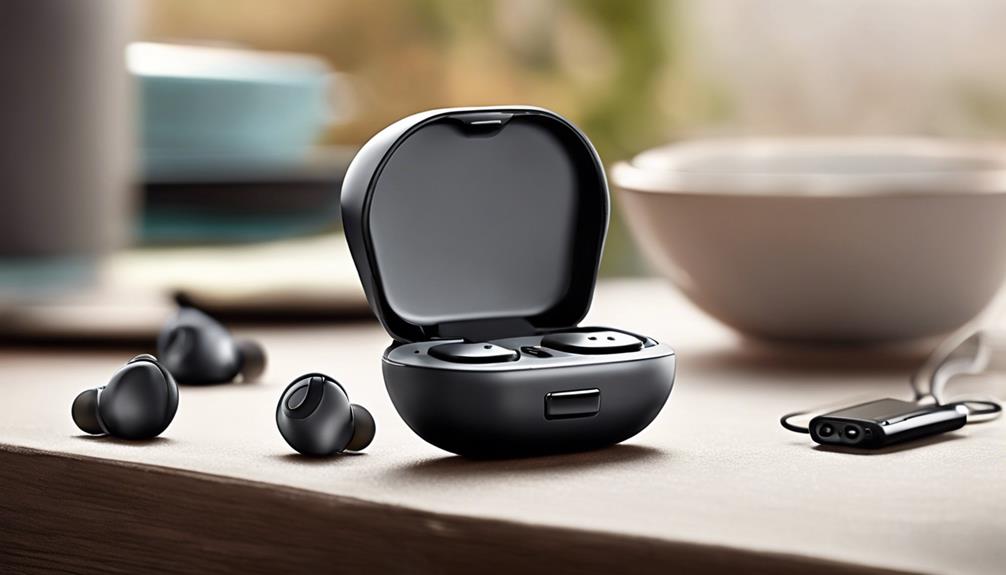
hearing aid Bluetooth streamer for kids
As an affiliate, we earn on qualifying purchases.
As an affiliate, we earn on qualifying purchases.
How to pick the right accessories for your child’s hearing aids
- Check compatibility: Ensure accessories match your child’s hearing aid brand and model. Using incompatible devices can lead to poor performance or damage, so verifying compatibility helps avoid frustration and ensures seamless operation. Compatibility is crucial because different hearing aids use different wireless protocols and connectors; choosing the wrong accessory can mean it won’t connect properly or could damage the device. Consulting with an audiologist or checking manufacturer specifications helps avoid these pitfalls.
- Prioritize wireless options: Bluetooth and FM systems provide flexibility and ease of use, allowing students to move freely and connect to multiple devices. This flexibility can greatly enhance participation and reduce the clutter of wires, but consider that some wireless devices may have latency issues or limited range, which could impact real-time communication. For example, Bluetooth streaming might introduce slight delays, which can be distracting during conversations, whereas FM systems often offer more stable, longer-range connections suitable for dynamic classroom settings.
- Consider durability: Look for water-resistant, kid-proof designs that survive active school days. Devices that withstand drops, sweat, and spills reduce replacement costs and ensure consistent use, which is vital for ongoing communication support. Durability also affects the long-term reliability of the device—an investment that lasts through the school year and beyond, minimizing interruptions in hearing aid functionality.
- Ease of use: Choose simple controls or smartphone apps for quick adjustments. Complex devices may be intimidating or difficult to operate during class, so intuitive interfaces help children and teachers manage settings efficiently. Easy-to-use controls mean less time fiddling with devices and more focus on learning, and apps can allow quick changes without needing to physically handle the hearing aids themselves, which is especially helpful for younger children.
- Think about charging: Rechargeable accessories save money and reduce battery waste. While they may have a higher upfront cost, their convenience and environmental benefits make them a practical choice. Keep in mind that rechargeable batteries require regular charging routines to prevent interruptions during school hours. Proper charging habits ensure devices are ready when needed, avoiding the frustration of dead batteries during critical moments.
Compare popular hearing aid accessories side-by-side
| Accessory Type | Purpose | Wireless? | Rechargeable? | Ideal For |
|---|---|---|---|---|
| Remote Microphone | Transmits teacher’s voice directly to hearing aids, reducing background noise and improving speech clarity. It allows students to focus on the speaker, which is especially helpful in noisy or large classrooms. | Optional (wireless models available) | Usually not | Classroom learning in noisy environments, group discussions |
| Bluetooth Streamer | Streams audio from phones/tablets directly to hearing aids, enabling students to listen to media, participate in remote lessons, or hear audio more clearly during class activities. | Yes | Yes (most models) | Listening to media, remote learning, outdoor activities |
| Remote Control | Adjusts volume and settings discreetly, giving students or teachers quick control over hearing aid functions without needing to touch the device directly. | Varies | Varies | During lessons, outdoor activities, or when quick adjustments are needed |
| FM System | Uses radio frequency to transmit speech directly to hearing aids, significantly improving speech understanding in large or noisy settings like gymnasiums or field trips. It often provides a more stable connection over longer distances than Bluetooth. | Yes | Usually not | Large classrooms, outdoor events, field trips |
Latest tech trends making hearing aids smarter for students
Wireless tech and smartphone apps are revolutionizing how students use hearing aids. Bluetooth connectivity lets kids stream lessons directly from their devices, reducing background noise and making listening more natural.
Smartphone apps now allow parents and teachers to fine-tune settings remotely. Imagine adjusting volume or switching programs with a tap—no more fiddling with tiny buttons during class, which can be frustrating and time-consuming. These remote controls also enable quick responses to changing environments, such as switching to a noise reduction program outdoors.
Recent innovations also include AI-driven noise reduction, which analyzes the environment in real-time to suppress background chatter while amplifying speech. This technology helps students focus on conversations and instructions without needing manual adjustments. Rechargeable batteries are replacing disposable ones, offering longer-term savings and environmental benefits, while also reducing the need for constant battery replacements.
For example, a teenager can switch between classroom and outdoor settings instantly, thanks to an app that customizes sound profiles for different environments, ensuring optimal hearing conditions at all times. These advancements make hearing aids more adaptable, reliable, and user-friendly, ultimately supporting better educational outcomes.
How to help your child use their hearing aid accessories confidently
Teaching kids how to use their accessories makes a big difference in daily success. Start with simple instructions—show them how to connect, adjust, and care for each device. Explaining why these steps matter helps children understand the importance of proper usage, which encourages responsibility and consistency.
Practice during non-critical times, like at home, to build confidence. For instance, demonstrate how to pair a Bluetooth streamer, then have your child do it multiple times, reinforcing their understanding and independence. Repetition reduces anxiety and makes the process second nature.
Encourage routine maintenance—cleaning microphones, charging batteries, checking connections. Make it a fun, regular habit, so it becomes part of their daily routine rather than a chore. Using visual cues or step-by-step checklists can help younger children remember what to do, fostering independence and ownership of their hearing health. Over time, these habits will become automatic, making it easier for children to manage their devices without constant adult supervision.
Safety tips and common pitfalls with hearing aid accessories
Hearing aid accessories are generally safe, but some precautions help avoid issues that could compromise safety or device longevity. Water resistance is key—exposing devices to excessive moisture or sweat can damage sensitive electronics, so always check the device’s water resistance rating and avoid submerging or leaving it in humid environments for extended periods. This matters because many electronic components are sensitive to moisture, which can cause corrosion or malfunction over time. Understanding the device’s water resistance level helps prevent accidental damage that might not be immediately apparent but can drastically shorten the device’s lifespan.
Always keep small parts, like batteries or tiny microphones, out of reach of young children to prevent choking hazards. Regularly inspect devices for signs of wear or damage, such as frayed wires or loose parts, and replace or repair as needed. Compatibility and firmware updates are also important—using outdated software or incompatible accessories can lead to connectivity issues or reduced performance. Regular updates not only fix bugs but also enhance security and functionality, ensuring the device operates at its best and remains protected from potential vulnerabilities. Keeping devices in good shape and up-to-date minimizes unexpected failures and prolongs their effective use.
For example, a student trying to connect a non-compatible Bluetooth device might get frustrated or damage the connection if they force it. Clear instructions, proper care, and routine checks prevent these mishaps, extending the lifespan of the devices and ensuring they work reliably when needed most.
Frequently Asked Questions
What are the best hearing aid accessories for school-aged children?
The most effective accessories include remote microphones for classroom clarity, Bluetooth streamers for media, and rechargeable batteries for convenience. The best choice depends on your child’s specific needs and their hearing aid model.How do I choose the right accessories for my child’s hearing aids?
Start by checking compatibility, prioritize wireless options for flexibility, consider durability and ease of use, and think about charging options. Consulting with an audiologist can also help tailor choices to your child’s environment.Are wireless accessories safe and reliable for students?
Yes, when purchased from reputable brands and used according to instructions, wireless accessories like Bluetooth streamers and FM systems are safe and enhance communication. Always keep firmware updated and supervise younger children with small parts.Can hearing aid accessories be used with smartphones and tablets?
Absolutely. Many accessories, especially Bluetooth streamers and smartphone apps, are designed to connect directly, making it easier for students to participate in remote learning and media consumption.How can I ensure my child uses their accessories correctly during school?
Practice with your child regularly, create simple checklists, and encourage routine maintenance. Reinforcing independence early helps them feel confident and makes listening in class smoother.Conclusion
Equipping students with the right hearing aid accessories isn’t just about better sound—it’s about boosting confidence, participation, and learning. When you choose reliable, easy-to-use tools, you set your child up for success in and out of the classroom.
So, take a moment to assess your child’s needs, explore the latest tech, and make sure their accessories become a seamless part of their daily routine. After all, hearing should never be a barrier to a world of opportunity.
Halloween Picks
halloween
As an affiliate, we earn on qualifying purchases.