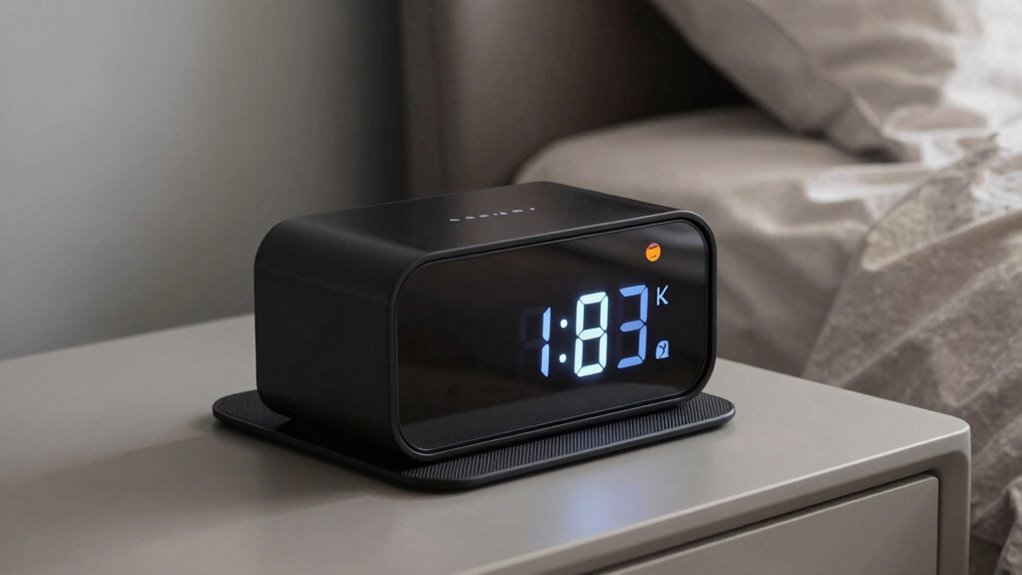
Bed shaker alarm clocks work by vibrating through a motor, which is placed under your pillow or mattress for maximum contact. The device detects your set wake time and prompts the vibration to wake even heavy sleepers. However, if vibration strength, placement, or sound is insufficient, it might not rouse you. To learn how to optimize these devices for your needs and understand why some fail, keep exploring these tips and tricks.
Key Takeaways
- Bed shaker alarms use vibrating motors placed under pillows or mattresses to produce tactile wake-up signals.
- Vibration strength and placement are crucial for effectiveness, especially for heavy sleepers or deep sleep stages.
- Some alarms fail due to weak vibrations, poor device placement, or low battery power, reducing wake-up reliability.
- Adjustable vibration intensity and additional alerts like sound or light can improve alarm effectiveness.
- Proper maintenance, correct placement, and choosing high-quality devices enhance overall alarm dependability.

Loud Alarm Clock with Bed Shaker for Heavy Sleeper, Dual Vibrating Alarm Clock with USB Charger for Hard of Hearing/Deaf, 7.5’’ Large LED Display with Dimmer, Snooze, 12/24H & Battery Backup
【𝗩𝗶𝗯𝗿𝗮𝘁𝗶𝗼𝗻-𝗔𝘀𝘀𝗶𝘀𝘁𝗲𝗱 𝗔𝗹𝗮𝗿𝗺 𝘄𝗶𝘁𝗵 𝗦𝗲𝗹𝗲𝗰𝘁𝗮𝗯𝗹𝗲 𝗪𝗮𝗸𝗲-𝗨𝗽 𝗠𝗼𝗱𝗲𝘀】-This alarm clock offers 𝘁𝗵𝗿𝗲𝗲 𝘀𝗲𝗹𝗲𝗰𝘁𝗮𝗯𝗹𝗲 𝘄𝗮𝗸𝗲-𝘂𝗽 𝗼𝗽𝘁𝗶𝗼𝗻𝘀: sound only, bed shaker only,…
As an affiliate, we earn on qualifying purchases.
As an affiliate, we earn on qualifying purchases.
How Do Bed Shaker Alarm Clocks Vibrate to Wake You Up?
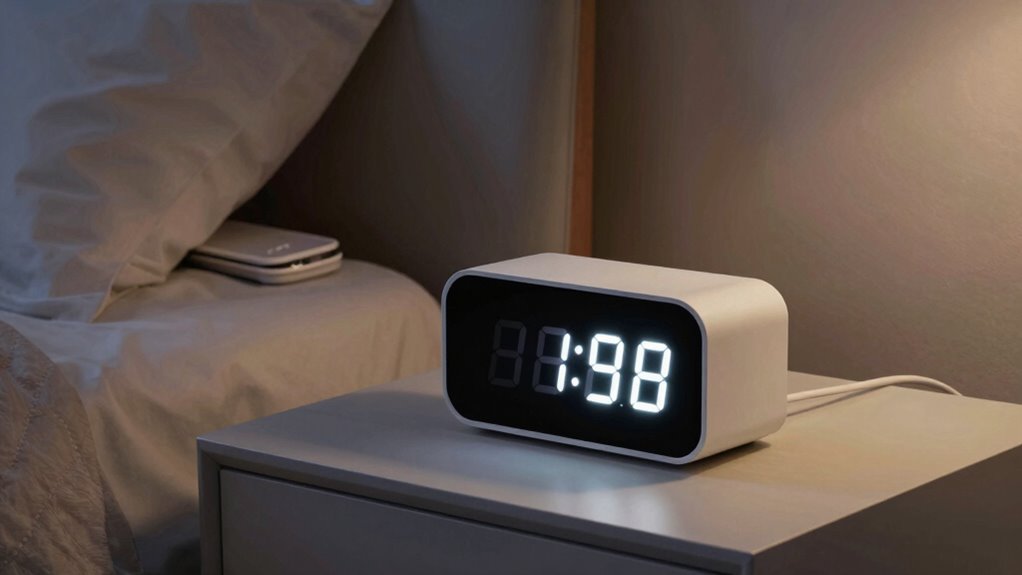
Bed shaker alarm clocks work by using a built-in vibrating mechanism that directly stimulates your body to wake you up. The vibration frequency is carefully calibrated to guarantee it’s strong enough to rouse you without being uncomfortable. When the alarm goes off, the shaker vibrates at a consistent rate, creating a noticeable sensation. The placement of the alarm is vital; typically, the shaker is positioned under your pillow or mattress, maximizing contact with your body. This strategic placement ensures you feel the vibration clearly, even if you’re a deep sleeper. The combination of the vibration frequency and alarm placement makes these clocks effective for those who need a more tactile wake-up method, bypassing the need for sound-based alarms. Additionally, understanding the role of contrast ratio in image quality can help in choosing a device with clear and sharp displays, which is especially useful if the clock features a visual component. Proper calibration of the shaker’s vibration strength and the material of the mattress can further enhance wake-up effectiveness for different sleepers.
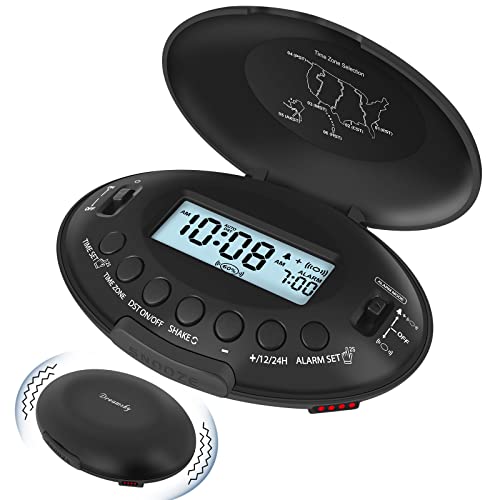
DreamSky Vibrating Alarm Clock for Heavy Sleepers – Bed Shaker Alarm Clock Under Pillow for Adults Teens Kids & Hearing Impaired, Rechargeable Battery Operated for Bedroom, Travel, Auto DST, Backlight
Portable Vibrating Alarm Clock for Heavy Sleepers Adults and Hard of Hearing: this wireless bed shaker alarm clock…
As an affiliate, we earn on qualifying purchases.
As an affiliate, we earn on qualifying purchases.
What Parts Make a Bed Shaker Alarm Work Effectively?
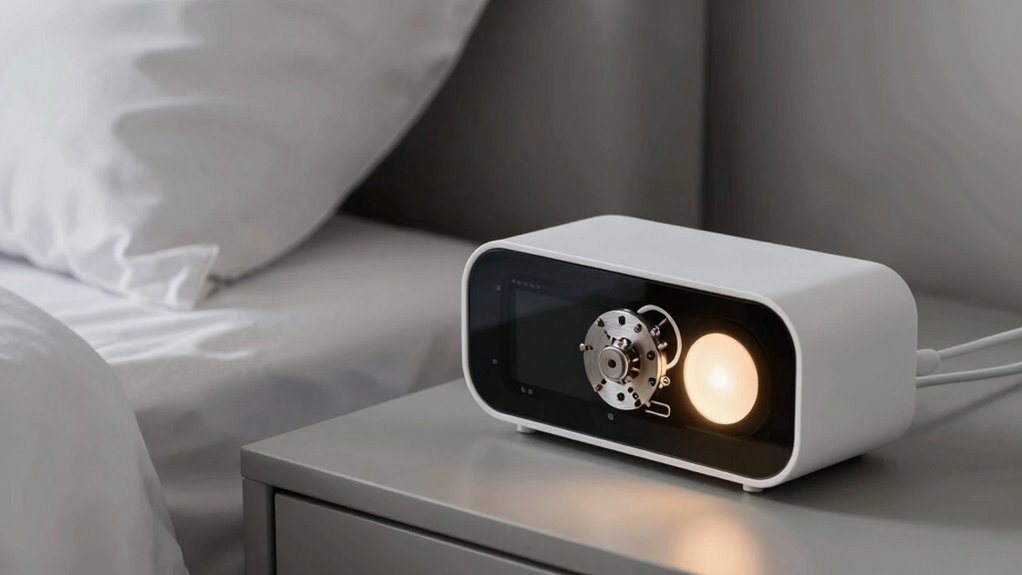
The effectiveness of a bed shaker alarm depends on several key components working together seamlessly. The alarm sensor detects when it’s time to wake you, triggering the alarm mechanism. Once activated, the vibration motor is essential; it produces the shaking sensation that awakens you, especially if you’re a deep sleeper. The motor’s power and placement influence how strongly you feel the vibration. A reliable alarm sensor ensures timely activation without false alarms, while a strong vibration motor provides consistent, effective shaking. Additionally, the overall design, including the integration of these parts and their responsiveness, determines whether the alarm works as intended. When these components function correctly, you get a dependable wake-up experience without relying solely on sound. Incorporating local automation can further improve the alarm’s responsiveness and integration with other smart home devices. Properly balancing these elements ensures that the bed shaker alarm remains dependable and effective for a variety of sleepers. Furthermore, understanding cultural influences in fashion highlights the importance of innovative design and user experience in creating effective alarm devices. Optimizing the components’ durability is crucial for long-term reliability in daily use, especially in environments with frequent use or travel.
DreamSky Vibrating Alarm Clock for Heavy Sleepers – Bed Shaker Alarm Clock Under Pillow for Adults Teens Kids & Hearing Impaired, Rechargeable Battery Operated for Bedroom, Travel, Auto DST, Backlight
Portable Vibrating Alarm Clock for Heavy Sleepers Adults and Hard of Hearing: this wireless bed shaker alarm clock…
As an affiliate, we earn on qualifying purchases.
As an affiliate, we earn on qualifying purchases.
Why Do Some Bed Shaker Alarms Fail for Heavy Sleepers?
You might find that some bed shaker alarms don’t wake heavy sleepers because the vibration isn’t strong enough. Limited vibration intensity can make it hard to rouse someone who sleeps deeply. Additionally, your sleep cycle may resist the alarm, making it less effective. Incorporating Free Floating technology can enhance the vibration mechanism to better suit individual sleep patterns. Using personalized settings can also improve the alarm’s effectiveness for different sleepers. Moreover, the vibration strength feature plays a crucial role in ensuring the alarm is impactful enough to wake heavy sleepers. Ensuring the adjustable vibration options are tailored to the user’s needs can significantly improve waking success. Understanding how sleep stages affect susceptibility to alarms can further optimize the alarm’s performance.
Limited Vibration Intensity
Have you ever wondered why some bed shaker alarms don’t wake heavy sleepers? One reason is limited vibration intensity. Many alarms have vibration limits that restrict how strong the shaker can be, preventing it from generating enough force to rouse deep sleepers. Even if the alarm volume is loud, weak vibrations might not be enough to wake someone who sleeps soundly. Manufacturers set these limits to prevent discomfort or noise disturbances, but they can make the alarm ineffective for certain individuals. If the vibration isn’t powerful enough, it won’t transfer enough energy through the mattress or bedding to wake you up. Understanding these constraints helps explain why some bed shaker alarms fail to serve heavy sleepers effectively. Additionally, energy-efficient options in some models may prioritize battery life over vibration strength, further limiting their wake-up efficacy.
Sleep Cycle Resistance
Even if your bed shaker alarm produces strong vibrations, it might still fail to wake heavy sleepers because of how sleep cycles work. During deep sleep, your body is less responsive to external stimuli, including vibrations. This resistance makes it harder for a standard alarm to rouse you. Some sleep cycles are more resistant than others, especially in the early morning hours. Understanding your sleep architecture can help you choose alarms better suited for heavy sleepers. Additionally, individual differences in sleep resilience can influence how effectively an alarm awakens you. Recognizing your sleep stage patterns can further assist in selecting an alarm that overcomes these natural barriers. Factors like sleep environment and personal habits can also impact the alarm’s effectiveness.

iLuv SmartShaker 3, Wireless Bed Shaker for Hearing Impaired & Heavy Sleepers, 20 Alarms, Call & App Alerts, Bluetooth, Rechargable Battery, Auto DST, iOS & Android Compatible
20 Alarm Settings scheduled through the SmartShaker 3 App
As an affiliate, we earn on qualifying purchases.
As an affiliate, we earn on qualifying purchases.
How to Pick a Reliable Bed Shaker Alarm Clock
Choosing a reliable bed shaker alarm clock involves considering several key factors to guarantee it effectively wakes you up. First, assess the bed quality; ensure the shaker’s vibration is strong enough for your needs. Next, research the brand reputation—trusted brands often offer better durability and customer support. Look for devices with adjustable vibration intensity, so you can customize the wake-up experience. Compatibility with your existing alarm system and easy controls are also essential. Additionally, check reviews to see if users report consistent performance. Finally, consider the overall build quality to avoid early breakdowns. Well-sourced coverage can help you identify models with verified effectiveness and durability. Being aware of product standards and safety features can further ensure you select a reliable device that meets quality expectations. Incorporating knowledge of backup power and safety protocols can help you choose a device that remains dependable even during power outages. Furthermore, paying attention to user feedback can provide insights into the long-term reliability of the alarm clock. A comprehensive evaluation of these factors will guide you toward selecting a dependable alarm clock that reliably rouses you each morning.
Extra Features That Help You Wake Up on Time
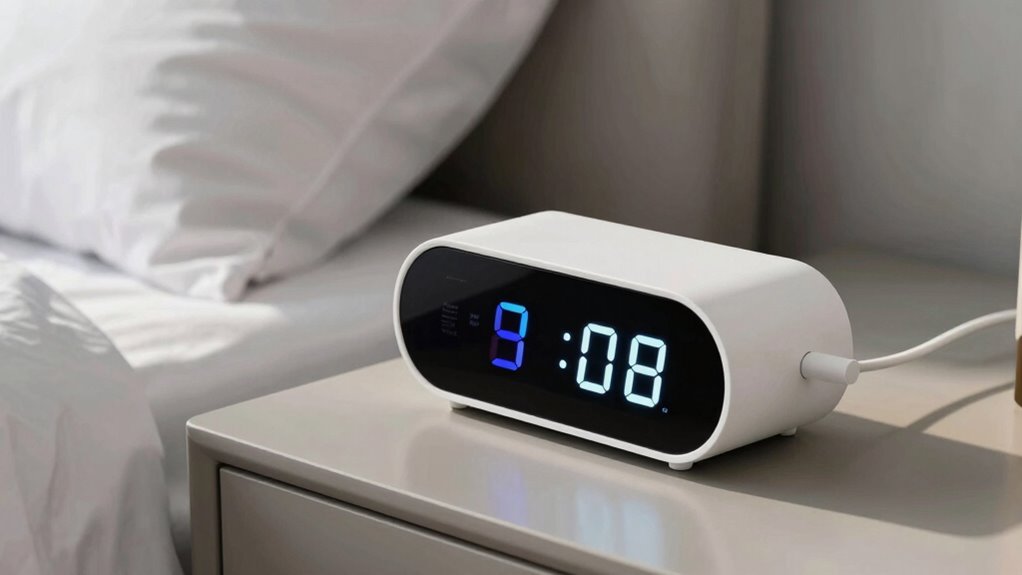
Beyond basic vibration, many bed shaker alarm clocks come equipped with extra features designed to guarantee you wake up on time. One popular addition is customizable vibration patterns, allowing you to select the strongest or most noticeable sequence to suit your preferences. These patterns ensure that even heavy sleepers are roused effectively. Additionally, snooze features provide a safety net if you need a few extra minutes of rest; you can simply press a button to delay the alarm, often for several minutes. Some clocks even combine vibration with sound or light alerts, increasing the chances you’ll wake up promptly. These extra features give you flexibility and dependability, making it easier to start your day on schedule without oversleeping. Understanding how navigation and mapping work in alarm clocks can further improve their effectiveness by ensuring the device is placed optimally for vibration transmission. Proper placement can enhance the vibration transfer, making the alarm more reliable, especially for heavy sleepers or those with hearing impairments. Incorporating smart technology can also allow for more personalized wake-up routines, further increasing reliability. Optimizing device placement helps ensure your alarm’s vibrations are transmitted effectively across different sleep environments.
Troubleshooting Common Bed Shaker Alarm Problems
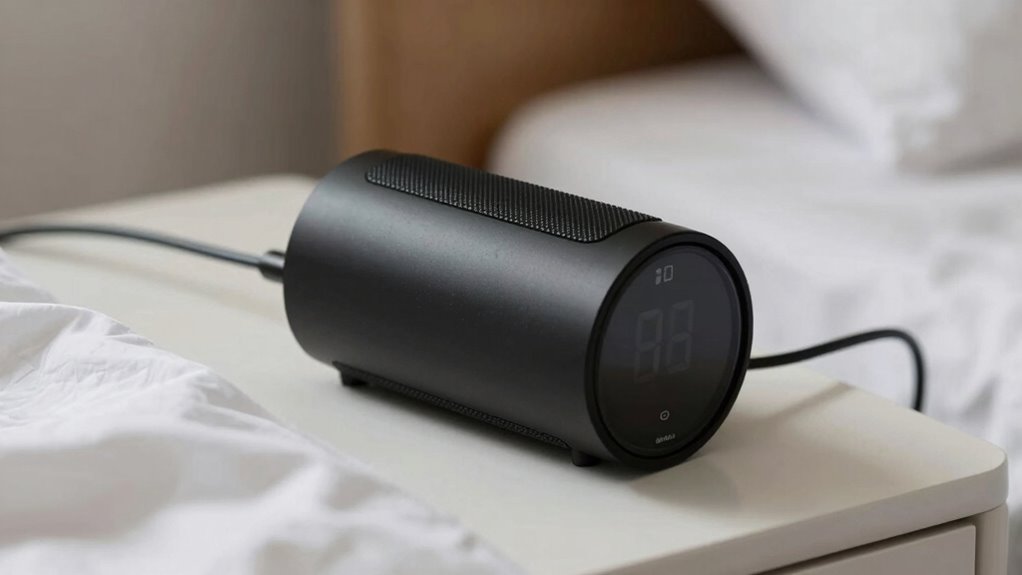
If your bed shaker alarm isn’t working properly, troubleshooting can help you identify and fix common issues quickly. First, check if the bed shaker is properly connected or seated. Next, verify the alarm volume is turned up enough to trigger the shaker. Sometimes, the shaker may be turned off or disconnected from power. Also, confirm if the alarm sound is set correctly, as some models require both sound and shaker to activate simultaneously. Ultimately, inspect for any damage or obstructions that could prevent the shaker from vibrating effectively.
Check connections, volume, and obstructions to ensure your bed shaker alarm works properly.
- Make sure the bed shaker is securely connected and positioned correctly
- Increase the alarm volume for a stronger vibration
- Confirm the shaker is turned on and functioning
- Reset or replace batteries if applicable
- Clear any obstructions blocking the shaker’s movement
Frequently Asked Questions
Are Bed Shaker Alarms Suitable for Deaf or Hearing-Impaired Users?
Yes, bed shaker alarms are suitable for deaf or hearing-impaired users. They often include visual alerts or flashing lights for those with visual impairment, and you can connect them with hearing devices like cochlear implants or hearing aids. This guarantees you won’t miss your alarm, whether you’re deaf, hard of hearing, or have other sensory needs. The combination of tactile and visual cues makes these alarms highly effective for diverse users.
Can Bed Shaker Alarms Be Used With Smartphones or Only Standalone Devices?
You can definitely find bed shaker alarms compatible with smartphones, thanks to wireless connectivity. Many modern devices connect easily via Bluetooth or Wi-Fi, allowing you to sync the alarm with your phone’s app. This means you don’t need a standalone device; instead, your smartphone becomes the control center. Just guarantee the alarm system supports smartphone compatibility and has reliable wireless connectivity to wake you effectively when needed.
How Loud Is the Alarm Sound Typically in These Devices?
Imagine a whisper turned roar; that’s the alarm volume in these devices, reaching up to 100 decibels. You’ll feel the vibration’s strength, which varies from gentle tremors to powerful jolts, enough to wake even the heaviest sleepers. The loud alarm sound is designed to cut through noise, ensuring you wake up on time, while the vibration provides a tactile cue, making sure nothing is missed regardless of how deep your sleep is.
Do Bed Shaker Alarms Work Effectively for Heavy Sleepers?
Yes, bed shaker alarms can work effectively for heavy sleepers if you adjust the vibration intensity properly. The stronger the vibration, the more likely it is to wake you without causing sleep disruption. However, some heavy sleepers might need higher settings or additional alarm methods, like loud sounds. Experimenting with vibration levels helps you find the right balance so you wake up on time without unnecessarily disturbing your sleep.
Are There Any Safety Concerns With Using Vibration Alarms Overnight?
Vibration alarms are generally safe for overnight use, but you should stay alert to potential issues. You might worry about bed bug concerns or electromagnetic interference, but these are rare. To stay safe, make sure your device is certified and kept clean. If you notice any adverse effects, like skin irritation or interference with medical devices, stop using it. Proper maintenance helps keep your sleep environment safe and sound.
Conclusion
If your bed shaker alarm clock isn’t waking you up, it’s like trying to start a fire with damp matches—you’re fighting a losing battle! With the right parts, solid reliability, and extra features, you’ll finally wake up on time every morning. Don’t settle for snooze button frustration—upgrade to a dependable bed shaker alarm and conquer your mornings with the power of vibrating wake-up magic! Your dreams of punctuality are just a shake away.