To support deaf participants during group video calls, you should use clear visual cues, encourage everyone to keep cameras on, and utilize screen sharing for visual aids. Choose simple virtual backgrounds and guarantee good lighting to make facial expressions and lip movements visible. Be patient, speak clearly, and incorporate signs or gestures when possible. Implementing these practices fosters inclusive communication. Continuing along will reveal effective strategies to create a more accessible and respectful virtual environment.
Key Takeaways
- Use clear, consistent virtual backgrounds to reduce distractions and improve facial visibility for sign language and lip reading.
- Share visual aids via screen sharing and pause regularly to ensure all participants follow along.
- Encourage participants to keep cameras on to provide visual cues and facilitate better communication.
- Ensure good lighting and proper camera angles to enhance facial expressions and lip movements.
- Practice respectful communication, speak clearly, and incorporate visual gestures to support all participants effectively.
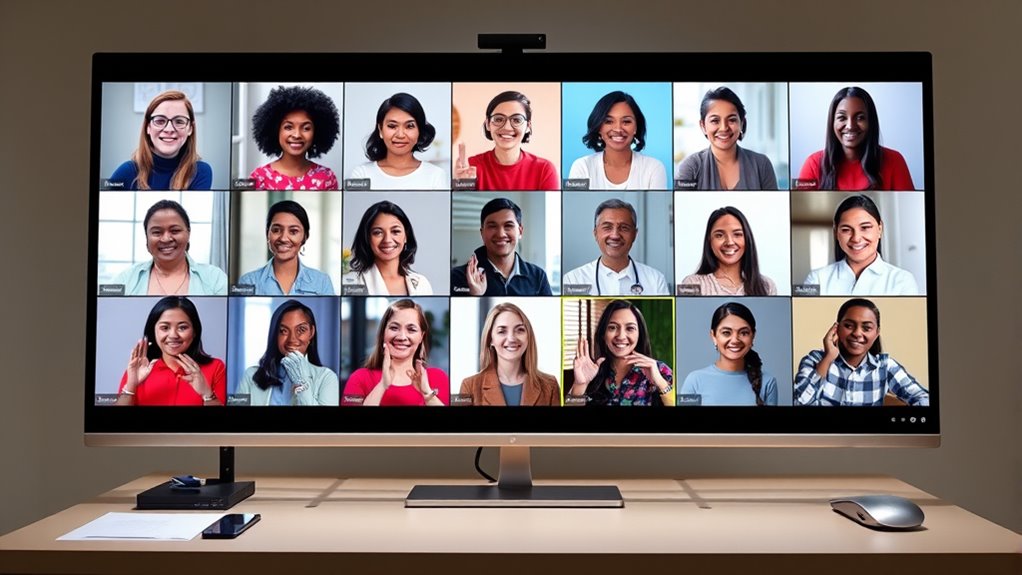
Have you ever wondered how staying connected with multiple friends or colleagues has become so easy? With the rise of group video calls, you can chat, collaborate, and share moments seamlessly. But as you navigate these virtual spaces, it’s important to consider how to create an inclusive environment, especially for deaf participants. One way to do that is by understanding the role of virtual backgrounds and screen sharing in fostering accessibility. Virtual backgrounds can help reduce visual clutter, making it easier for deaf participants to focus on the speaker and read their lips or observe sign language. When you choose a simple, consistent background, it minimizes distractions and ensures that everyone’s face remains clearly visible. This simple step can significantly improve communication clarity and help deaf participants stay engaged without unnecessary visual noise. Incorporating visual cues like gestures or sign language can further support clear communication during calls.
Using simple virtual backgrounds helps deaf participants focus and stay engaged during video calls.
Screen sharing is another powerful tool that enhances inclusivity. When you share your screen to display presentations, documents, or visual aids, it allows deaf participants to follow along more effectively. Instead of relying solely on audio cues, they can see the content directly, which helps bridge communication gaps. It’s essential to pause periodically during screen sharing to check in with everyone and ensure they’re following. When possible, provide captions or transcripts of the shared material, so deaf participants can reference the information later or follow along more easily. This approach not only supports deaf members but also benefits participants with different learning styles or technical limitations.
To create an inclusive environment, always remember to speak clearly and directly to all participants. Use visual cues like gestures or signs when appropriate, and avoid speaking over others. When you facilitate a group call, encourage everyone to keep their cameras on if they’re comfortable, because visual cues can be vital for deaf participants. If someone is using sign language, be patient and allow extra time for their responses, and don’t forget to acknowledge and include their communication style. Additionally, be mindful of the lighting and camera angles—good lighting helps deaf participants see facial expressions and lip movements more clearly, which are crucial for effective communication.
Ultimately, supporting deaf participants in group video calls involves a combination of thoughtful technology use and respectful communication. By utilizing virtual backgrounds thoughtfully and leveraging screen sharing effectively, you can help create a more accessible and respectful virtual environment. These small but meaningful adjustments show that you value all participants’ contributions, making your virtual meetings more inclusive and productive for everyone involved.

BELECO 7x5ft Fabric Modern Office Backdrop for Video Conference – Elegant Business Interior Brick Wall Windows Virtual Home Photography Background for Live Video Zoom Calls Photoshoot Props
【Size】: 7x5FT / 2.1m x 1.5m / 82 inch x 59 inch.BELECO Office Backdrop is customizable. If you…
As an affiliate, we earn on qualifying purchases.
As an affiliate, we earn on qualifying purchases.
Frequently Asked Questions
How Can I Ensure My Sign Language Is Understood by All?
To make certain your sign language clarity is understood by all, focus on clear, deliberate gestures with good facial expressions. Use visual communication techniques, like maintaining eye contact and ensuring your hands are visible on camera. Speak slowly and naturally, and consider supplementing signs with written captions when possible. This approach helps everyone follow along and supports effective communication in diverse group settings.
What Are Effective Ways to Caption Live Video Calls?
Think of captioning as a musical score that guides understanding. To caption live video calls effectively, use real-time transcription tools with high accuracy, ensuring every word is clear. Make sure captions are displayed prominently and synchronized perfectly with speech. Test your setup beforehand and consider using professional captioners if needed. This way, your audience, including deaf participants, can follow the conversation seamlessly, like a well-conducted symphony.
How Do I Handle Background Noise During Sign Language Communication?
When handling background noise during sign language communication, you should practice mute etiquette and activate noise reduction features. Encourage participants to mute themselves when not speaking, reducing distractions and making it easier for deaf individuals to focus. Use noise-canceling tools or settings to minimize ambient sounds. This helps maintain clear communication, shows respect, and creates an inclusive environment where everyone can participate comfortably without background noise interference.
What Tools Assist Deaf Participants in Group Video Calls?
Ever wonder how to make video calls more accessible for deaf participants? You can use tools like real-time captioning and sign language interpreters to bridge communication gaps. These tools help guarantee everyone stays engaged and understands the conversation. By incorporating these options, you create an inclusive environment, making sure deaf participants feel valued and heard throughout the call. Isn’t it worth making the effort for better communication?
How Can I Encourage Deaf Participants to Share Their Needs?
You can encourage deaf participants to share their needs by building trust through open, respectful communication. Practice active listening, showing genuine interest and understanding. Ask inclusive questions and create a safe space where they feel comfortable expressing any challenges. By being attentive and empathetic, you foster a supportive environment that motivates them to communicate their needs openly, helping ensure everyone’s participation is effective and respectful.

Logitech C920x HD Pro PC Webcam, Full HD 1080p/30fps Video, Clear Audio, HD Light Correction, Works with Microsoft Teams, Google Meet, Zoom, Nintendo Switch 2’s new GameChat Mode, Mac/Tablet- Black
Compatible with Nintendo Switch 2’s new GameChat mode
As an affiliate, we earn on qualifying purchases.
As an affiliate, we earn on qualifying purchases.
Conclusion
By following respectful etiquette, you create an inclusive environment where deaf participants feel valued and understood. It’s often said that communication is the key to connection, but perhaps it’s more accurate to say that respect unlocks true understanding. When you prioritize clarity and patience, you prove that technology and kindness together can bridge gaps, fostering genuine connection. Ultimately, supporting deaf participants isn’t just about etiquette—it’s about demonstrating that everyone’s voice matters equally.
captioning device for video conferencing
As an affiliate, we earn on qualifying purchases.
As an affiliate, we earn on qualifying purchases.
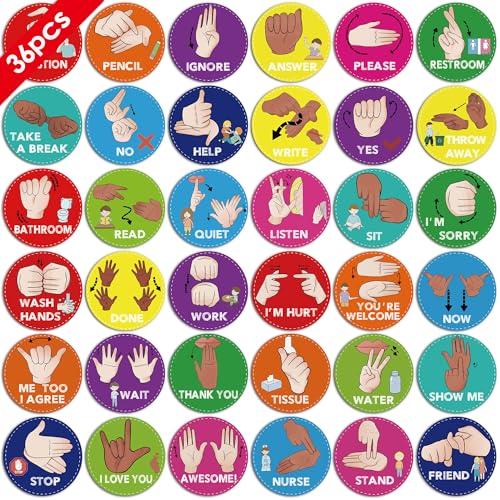
ASL Classroom Hand Signal Cards – 36 Classroom Hand Signal Decor Sign Language Posters for Teachers Students Visual Cues (Bright Color)
ASL Classroom Hand Signals: 36 Pices american sign language classroom hand signals bulletin board set for teachers students…
As an affiliate, we earn on qualifying purchases.
As an affiliate, we earn on qualifying purchases.