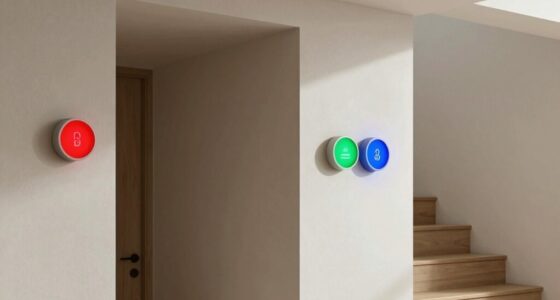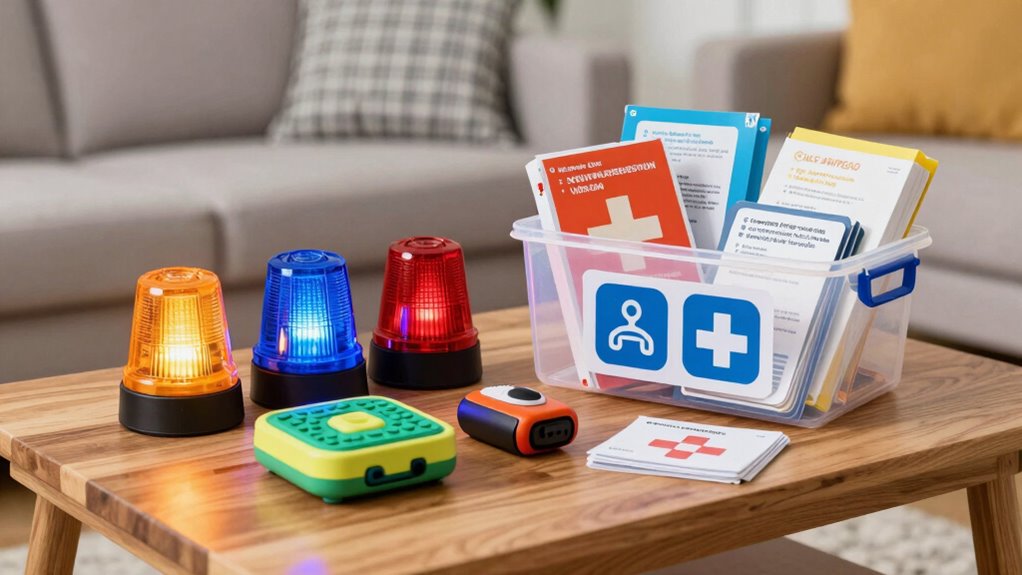

To set up an accessible emergency kit for deaf households, include visual alert systems like flashing lights and vibrating devices, along with tactile cues such as bed shakers. Add sign language resources, clear signage with symbols, and easy-to-understand instructions. Guarantee all tools are easy to access and regularly tested. By customizing your kit with these visual and tactile aids, you’ll improve safety and response time—keep exploring for detailed tips!
Key Takeaways
- Include visual alert devices like strobe lights, LED flashers, and vibrating alarms to ensure effective notification during emergencies.
- Incorporate sign language resources such as laminated phrase guides, flashcards, and visual communication tools for quick understanding.
- Label all kit items clearly with large fonts and symbols, and position the kit in an accessible, visible location.
- Add portable chargers, flashlights, and tactile signaling devices to support communication and alert needs.
- Use compliant signage with bold colors and universal symbols around the home to guide responses during emergencies.
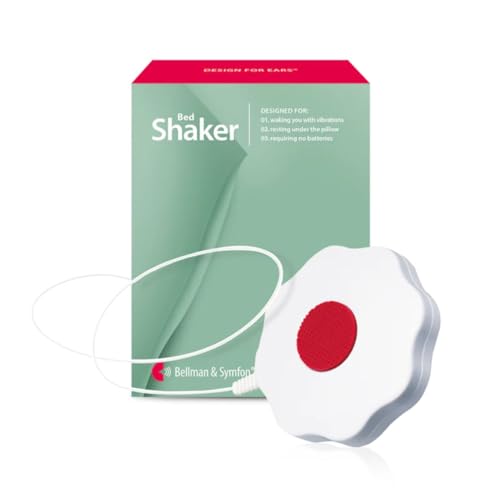
Bellman & Symfon Bed Shaker – Vibration Alert for Deaf and Hard of Hearing – Emergency Notification Aid for Seniors and Assisted Living Support – Not a Standalone Product – Bellman Accessory
𝐒𝐌𝐀𝐑𝐓 𝐀𝐋𝐄𝐑𝐓: Our Bellman & Symfon bed shaker is a smart vibration alert device designed specifically for the…
As an affiliate, we earn on qualifying purchases.
As an affiliate, we earn on qualifying purchases.
Why Deaf Households Need Special Emergency Kits
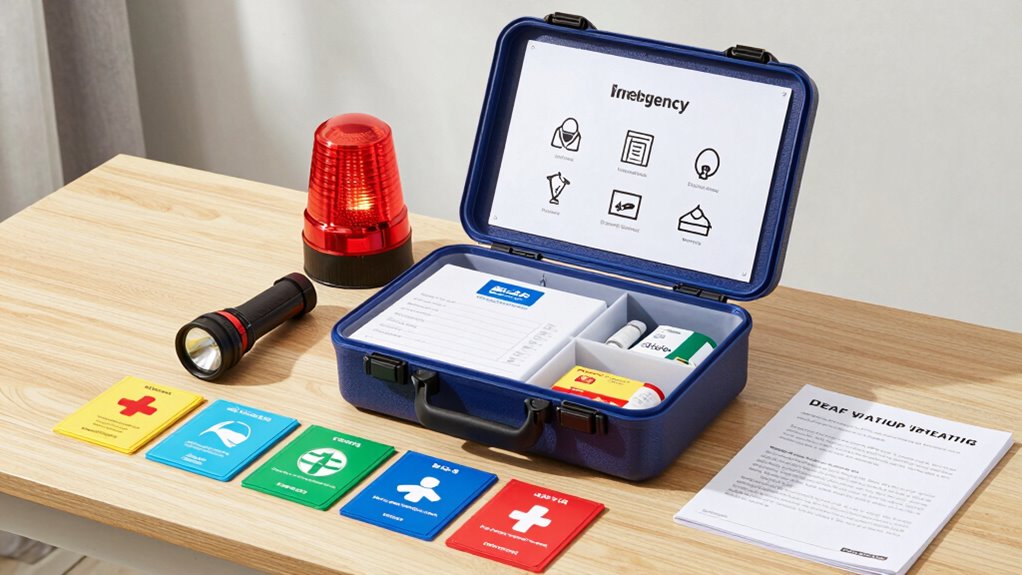
Deaf households face unique challenges during emergencies because they may not hear alarms, sirens, or verbal warnings. Standard emergency kits often lack tools tailored to their needs, making it harder to stay safe. Having sign language resources included guarantees you can quickly communicate with responders or loved ones. Emergency preparedness training helps you understand how to use visual alerts and safety devices effectively. These specialized kits should also contain visual notification systems like strobe lights or vibrating alerts. By customizing your emergency kit to include these elements, you’re better equipped to respond promptly, even if you can’t hear traditional warnings. Incorporating visual notification systems and understanding their operation ensures a more comprehensive safety approach. Being familiar with visual alert technologies enables quicker responses during crises. Educating household members about visual alert operation can significantly improve your overall safety and response times. Practicing the use of visual alert devices regularly helps ensure everyone knows how to react swiftly when an emergency happens. Regular safety drills that incorporate visual alerts build confidence and preparedness for all household members. This proactive approach helps you stay informed and safe during crises, minimizing risks and ensuring effective communication when it matters most.
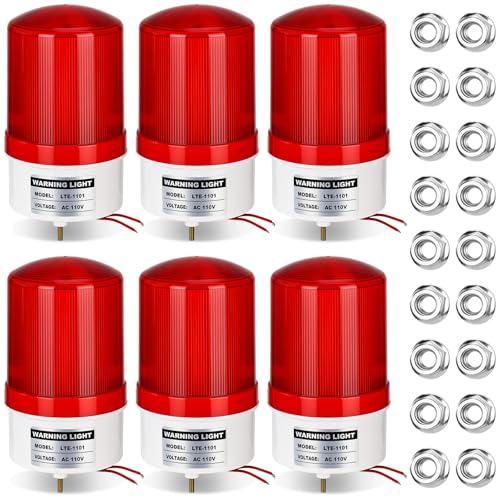
Grinsvalley 6 Pack Industrial LED Rotating Strobe 110v Warning Light Red Strobe Emergency Flashing Signal Silent Visual Siren Light for Factory, Warehouse, Worksite, Workshop
Cost Effective Set: our set comes in 6 pack red warning light, each outdoor strobe light features with…
As an affiliate, we earn on qualifying purchases.
As an affiliate, we earn on qualifying purchases.
Assessing the Emergency Communication and Alert Needs
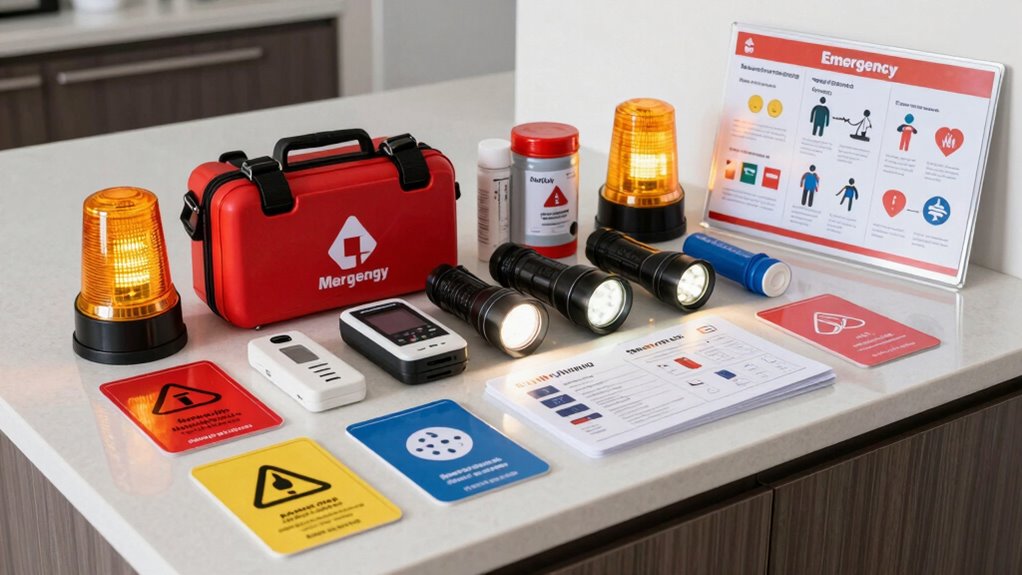
Understanding your household’s specific communication and alert needs is essential for effective emergency preparedness. You should evaluate whether your household members rely on sign language resources and identify the best ways to receive alerts. Consider if visual alerts, such as flashing lights or text notifications, are necessary, or if tactile alerts like vibrating devices would be effective. Update your emergency contact lists to include contacts who can communicate in sign language or are familiar with your household’s alert preferences. Make certain everyone knows how to access and use these resources quickly during an emergency. Assessing these needs helps you develop a clear plan, so you can stay informed and connected even when traditional auditory signals aren’t an option. Incorporating anime movies or other visual media can provide calming entertainment and emotional support during stressful situations. Additionally, understanding specialized alert systems designed for deaf households ensures comprehensive coverage and quicker response times. Exploring visual alert technology can further enhance safety and communication efficiency during emergencies. An awareness of disaster preparedness resources tailored for deaf households can also improve overall readiness and resilience. Recognizing the importance of reliable security systems can help protect your home and loved ones effectively in any emergency.

Mesqool Projection Alarm Clock, Loud Vibrating Alarm Clock for Heavy Sleepers, Adjustable Projection Brightness,Hearing Impaired & Deaf People, Digital Alarm Clock with USB Charging Port
✨【Powerful 𝗕𝗲𝗱 𝗦𝗵𝗮𝗸𝗲𝗿 or 𝗟𝗼𝘂𝗱 𝗔𝗹𝗮𝗿𝗺 Sound】The extended 1.8m wired bed shaker is long enough to be put…
As an affiliate, we earn on qualifying purchases.
As an affiliate, we earn on qualifying purchases.
Choosing Visual and Tactile Alert Tools
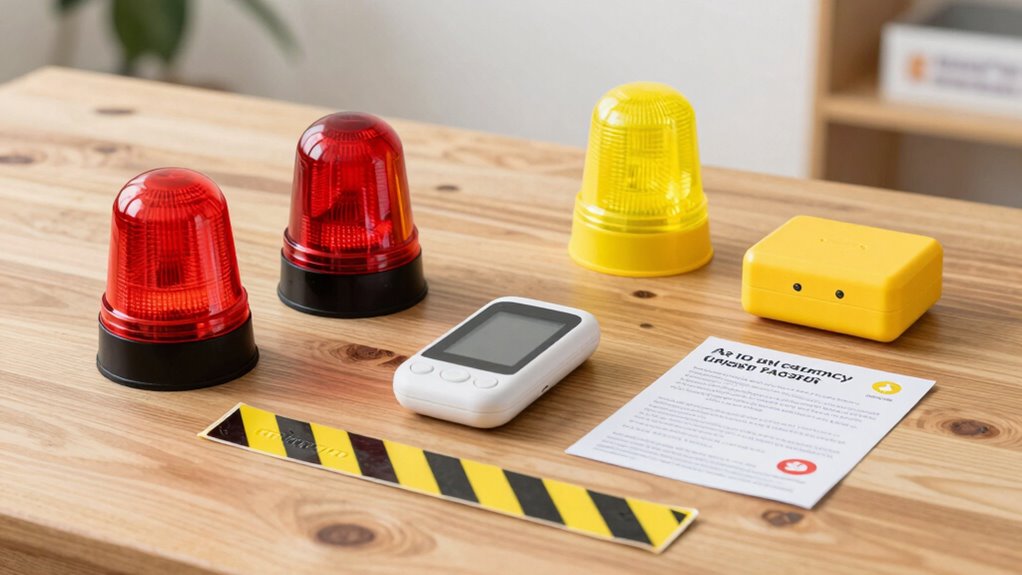
After evaluating your household’s communication needs, the next step is selecting effective visual and tactile alert tools. These tools will make sure you notice emergencies promptly. Consider the following options:
- Vibrating alerts, such as bed shakers or wearable devices, can wake you during an emergency or alert you to alerts when you’re asleep.
- Flashing lights, like strobe or LED systems, can signal alarms loudly and visibly, making sure you’re aware of danger even in noisy environments.
- Additional tactile devices, such as vibrating pagers or doorbell alerts, can notify you of specific alerts or visitors efficiently.
- Integrating these alert tools with trusted gadget insights can help you choose reliable and effective devices tailored to your household’s needs. Using assistive technology can further enhance your safety system by ensuring compatibility and ease of use.
- Selecting appropriate alert devices based on your household’s specific needs will maximize safety and responsiveness during emergencies. Additionally, considering user-friendly interfaces can improve the overall effectiveness and ease of operation for all household members.
- Understanding the importance of color accuracy and other visual cues in alert systems can greatly improve their effectiveness in various lighting conditions.

Carson Dellosa Education 216 American Sign Language Flash Cards for Kids, Sight Words and Vocabulary ASL Flashcards for Toddlers Ages 3 and Up with Signing Illustrations
Sign Language For Kids: Teach or reinforce American Sign Language for beginners with Carson Dellosa’s ASL Flash Cards…
As an affiliate, we earn on qualifying purchases.
As an affiliate, we earn on qualifying purchases.
Assembling an Accessible Emergency Kit Everyone Can Use
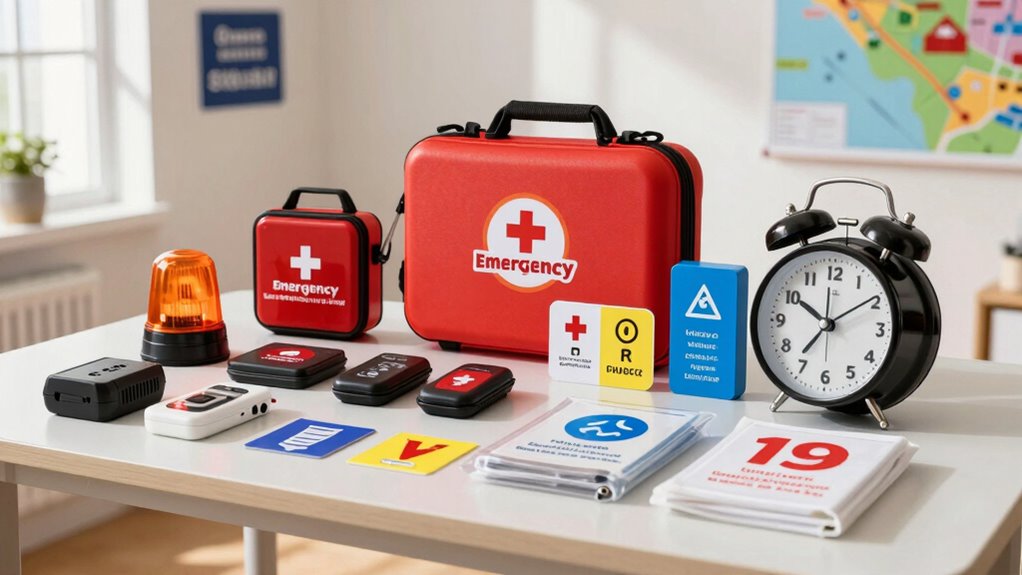
Creating an accessible emergency kit guarantees everyone in your household can respond quickly and safely during a crisis. To make it truly inclusive, include sign language resources like flashcards or laminated guides for emergency phrases. These tools help everyone communicate effectively, especially if someone is deaf or hard of hearing. When assembling your kit, consider your emergency planning strategies and verify they incorporate visual and tactile cues alongside traditional supplies. Include items like a portable charger for communication devices, a flashlight, and a whistle to attract attention if needed. Make sure your kit is easy to access and clearly labeled. Additionally, incorporating sound healing science into your emergency preparedness can help reduce anxiety and promote calmness during stressful situations. Incorporating air quality awareness into your emergency preparedness can help protect household members from pollutants during a crisis. Understanding disaster response protocols can further enhance your household’s readiness and ensure everyone knows what steps to take. Being aware of community support networks can provide additional assistance during emergencies. By thoughtfully assembling your emergency kit, you’re ensuring all household members can participate confidently and stay safe during emergencies. Including visual communication tools can further enhance clarity and understanding for all household members.
Creating Clear Signage and Instructions for Emergencies
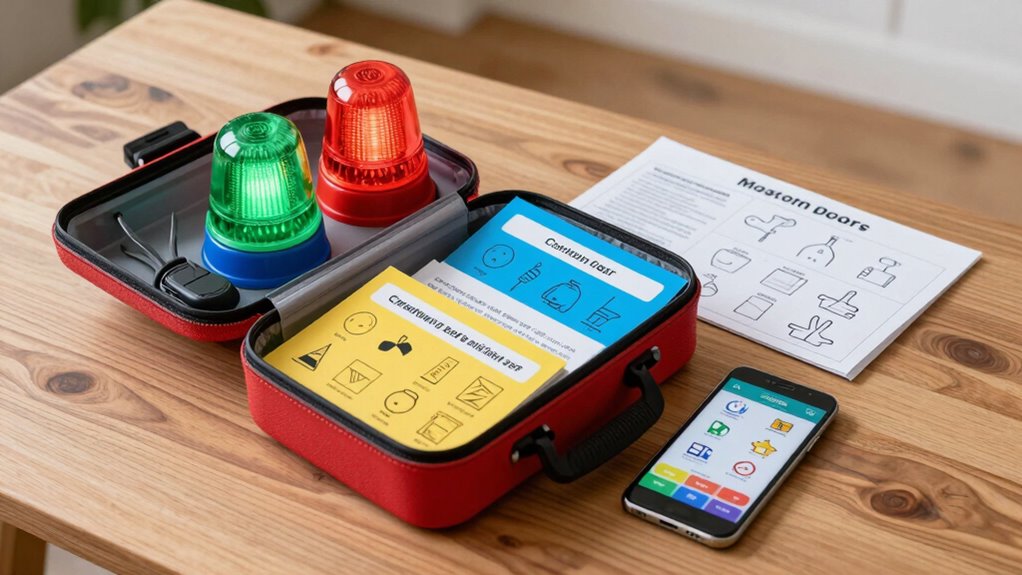
Clear signage and instructions are essential to guarantee everyone in your household can respond quickly during an emergency. Well-designed signage ensures that instructions are easily understood and visible from a distance. Focus on signage design by using bold colors, large fonts, and simple symbols to convey messages clearly. For instruction clarity, keep directions concise, avoid jargon, and use visual aids or diagrams. To optimize your signage and instructions, consider these tips:
- Use universally recognized icons and clear labels to indicate safety steps.
- Place signs in strategic, high-traffic areas for quick visibility.
- Regularly update and test signage to ensure effectiveness and understanding.
- Incorporate well-sourced information to enhance the credibility and clarity of emergency instructions. Additionally, incorporating standardized emergency symbols can help non-verbal or deaf household members quickly recognize critical safety information. Employing accessible communication methods such as tactile or vibrating alerts can further improve safety for deaf individuals. Incorporating appropriate visual cues can also ensure that emergency alerts are unmistakable and prompt immediate action. Utilizing compliant signage standards helps ensure that your signs meet safety regulations and are easily recognizable in emergencies.
Frequently Asked Questions
How Often Should I Review and Update My Emergency Kit?
You should review and update your emergency kit at least twice a year. Regular maintenance helps make certain your supplies are in good condition, and seasonal updates let you add or replace items based on weather changes or new needs. Set reminders to check batteries, expiration dates, and communication devices. Staying proactive guarantees your kit remains reliable and accessible for emergencies, giving you peace of mind and preparedness.
Are There Specific Brands Recommended for Visual Alert Devices?
You should consider recommended brands like Sonic Alert, Clarity, and Vayyar when choosing visual alert devices. These brands are known for their reliability and effectiveness in alerting deaf households to emergencies. Look for devices that feature bright flashing lights, loud vibrations, or both. Always read reviews and consult with local disability resources to find the best options tailored to your needs, ensuring you’re prepared for any emergency.
How Can I Train Family Members to Use the Emergency Tools Effectively?
Think of family training as tuning a musical instrument—you want everyone to play in harmony during an emergency. You should conduct regular emergency drills, showing family members how to operate visual alert devices and emergency tools confidently. Practice makes perfect, so schedule consistent training sessions where everyone can learn, ask questions, and stay prepared. This way, your household will be ready to respond swiftly when it matters most.
What Are Cost-Effective Options for Creating Accessible Emergency Signage?
You can create affordable emergency signage using bold visual signage that clearly communicates safety instructions. Use high-contrast colors and simple icons to guarantee visibility and understanding. Consider DIY options like printable signs on durable materials or repurposing existing materials with added visual cues. These cost-effective solutions make your emergency signs accessible, ensuring everyone in your household quickly understands safety procedures during emergencies, without breaking the bank.
How Can I Ensure My Emergency Kit Is Portable in Case of Evacuation?
Your emergency kit should be as portable as a feather, so you can evacuate swiftly. Use lightweight materials and a sturdy, compact container to guarantee it’s easy to carry. Opt for portable storage options like backpacks or wheeled carts, so you can grab it easily during an emergency. Keep essential supplies accessible and organized, making sure your kit is ready to move at a moment’s notice.
Conclusion
By setting up an accessible emergency kit, you’re not just preparing—you’re creating a lifeline that could save your family’s life. Imagine having the power to respond instantly, with tools so clear and reliable that emergencies become manageable, not overwhelming. Your thoughtful setup can turn chaos into calm, proving that even in the darkest moments, preparation shines brighter than a thousand suns. Take action now, and guarantee your household is truly ready for anything.