When it comes to ensuring safety in your home, having a reliable fire alarm system is crucial.
But what if traditional alarms don't cater to your specific needs?
Imagine having a fire alarm system designed to alert you effectively, even if you have hearing difficulties.
This guide offers a solution that goes beyond the standard alarms, providing tailored installations for the deaf community.
Discover how you can enhance your safety measures with these specialized fire alarm systems.
Key Takeaways
- Deaf-friendly alarms are crucial for those with hearing impairments.
- Specialized alarms with visual cues enhance fire safety.
- Proper installation and testing ensure alarm functionality.
- Regular maintenance and testing uphold alarm system effectiveness.
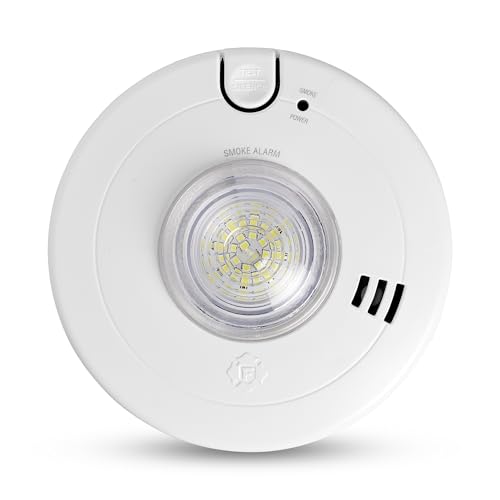
First Alert SM110LED-AC, Hardwire Smoke Alarm with LED Strobe & 10-Year Battery Backup, 1-Pack
First Alert's Precision Detection advanced sensing technology reduces cooking nuisance alarms and delivers early warning
As an affiliate, we earn on qualifying purchases.
As an affiliate, we earn on qualifying purchases.
Importance of Deaf-Friendly Fire Alarms
Deaf-friendly fire alarms play a critical role in safeguarding individuals with hearing impairments by providing visual and tactile alerts during emergencies. For the deaf and hard of hearing, traditional smoke alarms may not be effective, making deaf-friendly alarms with features like strobe lights and bed shakers essential for fire safety.
These specialized alarms ensure that individuals who can't rely on auditory cues are promptly alerted in case of a fire, enabling them to evacuate safely. The Red Cross Home Fire Campaign offers free installations of these alarms, emphasizing the importance of proactive measures in preventing fire-related injuries and fatalities among the hard of hearing population.
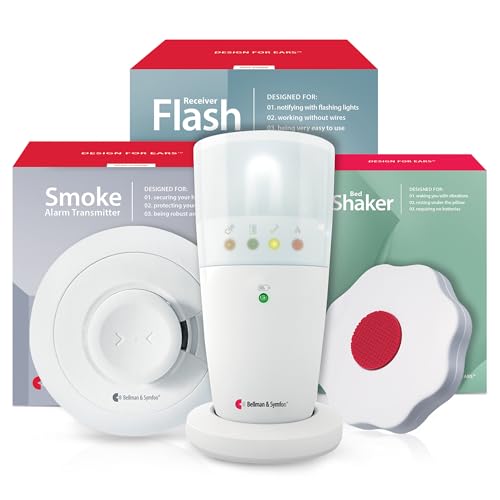
Bellman & Symfon Smoke Alarm Notification System with Flash Receiver and Bed Shaker – Flashing Light and Vibrations Alerts – Ideal for Deaf, Hard of Hearing, Heavy Sleepers
𝐑𝐄𝐋𝐈𝐀𝐁𝐋𝐄 𝐀𝐋𝐄𝐑𝐓𝐒: Our Smoke/Fire Alarm Notification System offers dependable protection with its Smoke Alarm Transmitter, Flash Receiver, and…
As an affiliate, we earn on qualifying purchases.
As an affiliate, we earn on qualifying purchases.
Types of Deaf-Friendly Fire Alarms
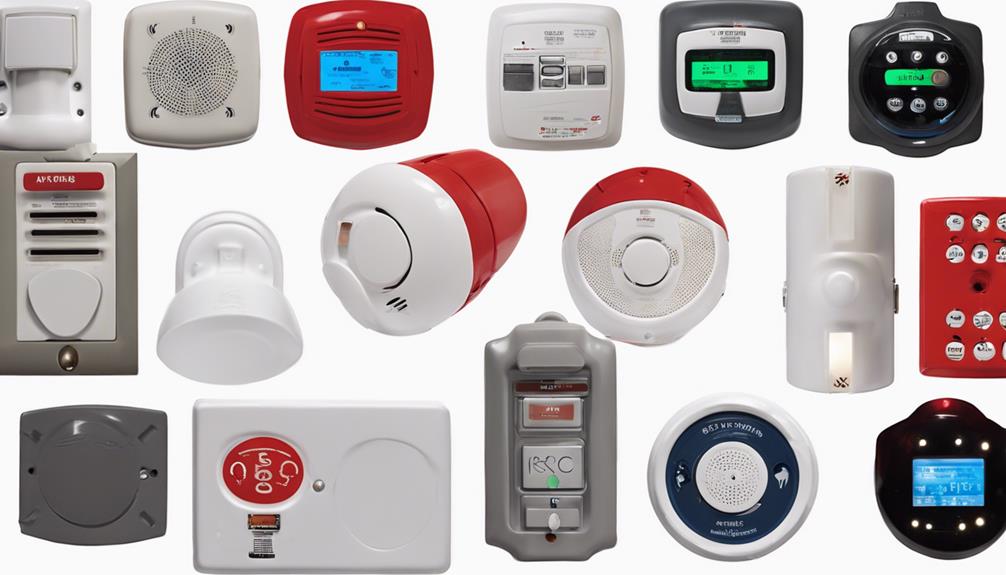
When considering fire safety for individuals with hearing impairments, it's crucial to understand the diverse range of alarm systems available to ensure effective alerting mechanisms.
For the Deaf or Hard-of-Hearing (DHH) community, there are specialized alarm systems such as Hardwired Smoke Alarms with LED Strobes, Alert Smoke Detection systems, and Vibrating Bed Shakers.
Hardwired Smoke Alarms with LED Strobes combine traditional sound-based alerts with visual cues, ensuring individuals are notified promptly in case of a fire emergency.
Alert Smoke Detection systems are designed to work in conjunction with standard smoke detectors, offering an additional layer of safety for DHH individuals.
Vibrating Bed Shakers are unique as they provide low-frequency sound alerts, visual indicators, and vibrations to wake individuals during emergencies, offering a comprehensive alarm system.
These systems play a vital role in enhancing safety for the DHH community, ensuring that approximately 3.3% of adults in the US who are deaf or hard of hearing have access to effective fire alarm solutions.

First Alert BRK 7020BSL Hardwired Hearing Impaired Smoke Detector with LED Strobe Light , white
The front cover design of the alarm may vary but product function remains the same
As an affiliate, we earn on qualifying purchases.
As an affiliate, we earn on qualifying purchases.
Installation Tools and Materials
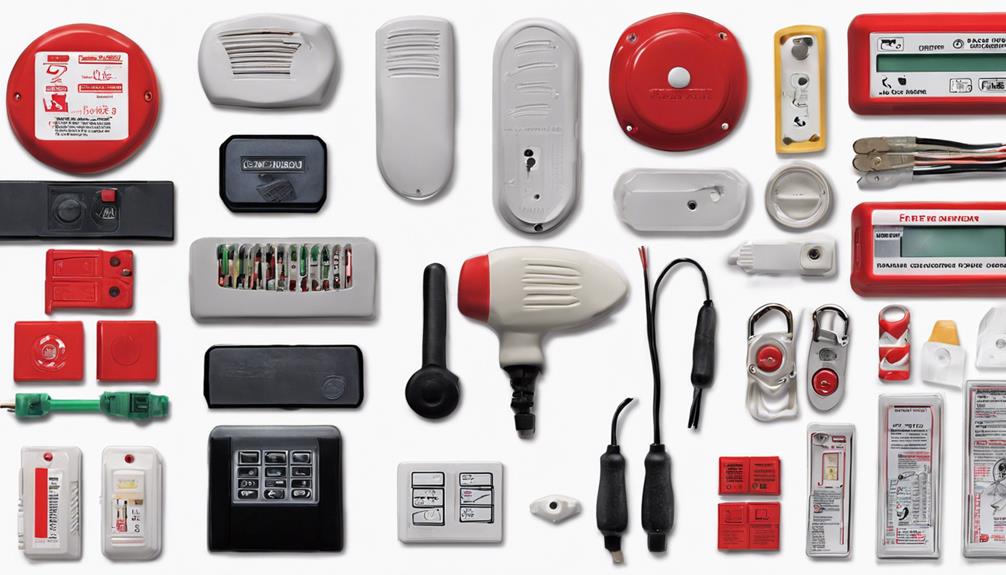
Are you equipped with the necessary tools and materials for the installation of a deaf-friendly fire alarm system?
To ensure a successful installation of Hardwired Dual smoke detectors that are vital for individuals with hearing impairments, you must have essential tools such as needle-nose pliers, a screwdriver, wire stripper, wire nuts, and a ladder. Additionally, you'll need access to a 120V household electrical circuit, a standard wiring junction box, and a suitable location for the alarms.
Following the proper installation steps is crucial, which involve turning off power, connecting the alarms to the wiring, securely mounting them, and activating the backup battery. For multiple alarms, repeat the installation process and ensure all interconnected alarms meet specific functionality requirements.
After installation, testing is imperative. Restore power and test each standalone and interconnected alarm to guarantee they're functioning correctly and will alert individuals effectively in case of a fire emergency.
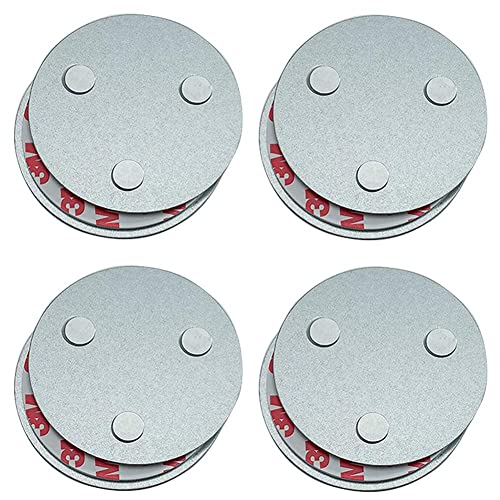
meioro Magnetic Smoke Detector Installation Tool,Quick and Easy Fastening Ceiling Mounted Kit for Smoke Alarm Ø 70mm,No Need Drill 10 Seconds Install Smoke Sensors(4 pcs)
☛HUMANIZED DESIGN:This smoke detector install tool is a wonderful design,no drill,no tool needed,no mess,no fuss,no holes in your…
As an affiliate, we earn on qualifying purchases.
As an affiliate, we earn on qualifying purchases.
Step-by-Step Installation Guide
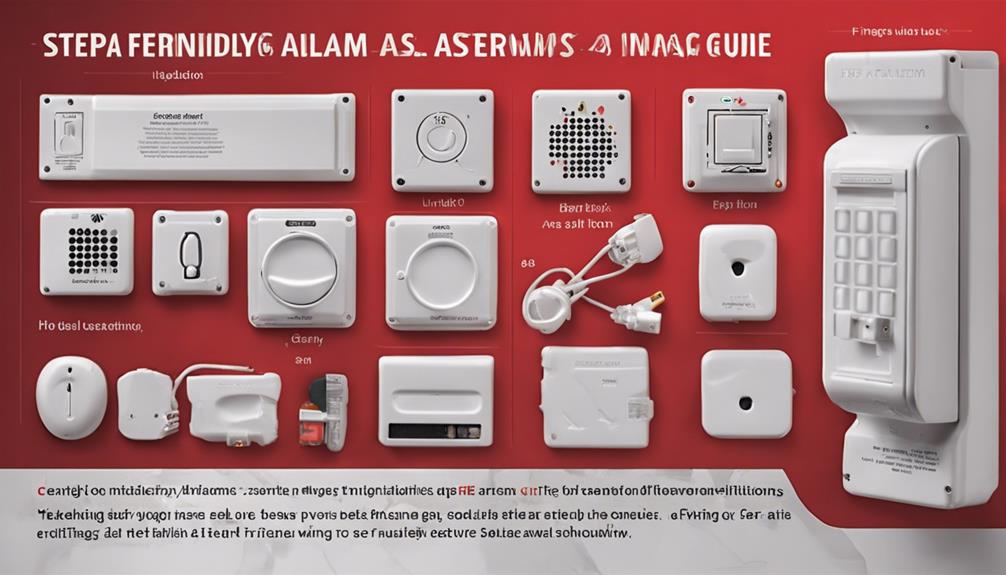
Prepare your designated installation spot by ensuring easy access to wiring and suitable placement for optimal alarm functionality.
When installing a hard-wired smoke and fire alarm or carbon monoxide alarm, it's crucial to have the necessary tools like a screwdriver and wire nuts at hand. Locate a spot where the alarm can be mounted securely and where wiring can be easily connected.
For hearing-impaired individuals, consider alarms with visual signals or ones that can be interconnected with other alarms in the home according to Americans with Disabilities Act guidelines. Follow the manufacturer's specifications when interconnecting multiple alarms to ensure they function seamlessly.
After installation, test each alarm to confirm proper operation and connectivity. Activate backup batteries as per the provided guidelines to ensure continuous readiness in case of a home fire emergency.
Maintenance and Testing Tips
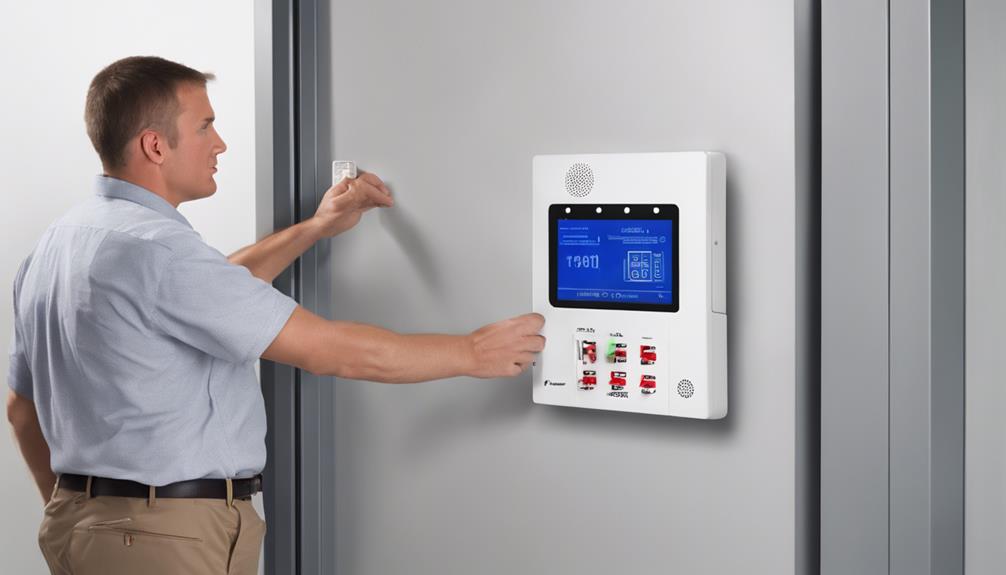
To ensure the reliability of your Deaf-Friendly Fire Alarm system, regular maintenance and testing are essential steps in upholding its optimal performance during emergencies. Follow these maintenance and testing tips to keep your system in top condition:
- Regular Testing: Activate your DHH alarm system periodically to ensure all components, including the strobe lights and vibrations, are working correctly.
- Battery Replacement: Replace batteries as needed to maintain the effectiveness of your DHH alarm system. This ensures it will function properly when it's most needed.
- Cleaning and Maintenance: Adhere to the manufacturer's guidelines for cleaning and maintaining your DHH alarm system. Proper care prevents malfunctions and ensures longevity.
- Monthly Checks: Conduct monthly inspections to verify that your DHH alarm system is operational and ready to alert you in case of a fire.
Frequently Asked Questions
What Fire Alarm Do Deaf People Use?
Deaf individuals use specialized fire alarms with visual alerts, like strobe lights or bed shakers, along with sound-based alarms. These systems provide safety notifications through visual cues, vibrations, and sometimes low-frequency sound to ensure effective emergency alerts.
What Does the NFPA 72 Contains Requirements For?
NFPA 72 contains requirements for fire alarm systems in public areas, specifying decibel levels, strobe intensities, and strategic device placement. Employee work areas need visible alerts alongside audible alarms, except in corridors and break rooms.
What Is the NFPA Code on Fire Alarm Installation?
The NFPA code on fire alarm installation, NFPA 72, sets guidelines for effective design, installation, testing, and maintenance of fire alarm systems. Compliance ensures safety standards are met. It specifies requirements for audible and visible alarm notification appliances.
What Are the ADA Americans With Disabilities Act Requirements for Strobe Lights?
For ADA compliance, strobe lights in fire alarms must flash at a rate of 1-2 flashes per second. The lights should be clear or white, not exceeding 110 dB in intensity. Synchronizing strobes in rooms with multiple alarms is vital.
Conclusion
In conclusion, ensuring the safety of individuals with hearing impairments is crucial, and installing deaf-friendly fire alarms is a vital step in achieving that goal.
By following the detailed installation guide provided, you can create a secure environment where visible alarms synchronize with traditional detectors, enhancing safety measures.
Imagine the peace of mind knowing that your loved ones are protected by a reliable alarm system designed specifically for their needs.
Make the installation today and prioritize safety for all.