
Warranties and return policies for hearing devices often hide hidden limits and fine print that could leave you unprotected or facing unexpected costs. Many warranties exclude damages from misuse, environmental factors, or lack of proper registration, and repair or replacement options may be limited or expensive. Return policies can also be strict, with few chances for refunds or exchanges if your device isn’t suitable. To avoid surprises, understanding these details guarantees your investment stays protected—continue to learn how to safeguard yourself effectively.
Key Takeaways
- Failing to register your hearing device promptly can void warranty coverage and limit repair or replacement options.
- Warranties often exclude damages from accidents, misuse, or environmental factors, hidden deep in the fine print.
- Repairs are typically restricted to authorized providers, and some parts or labor costs may fall outside warranty coverage.
- Return policies usually require device testing within a limited trial period and compliance with specific conditions to be eligible.
- Extended warranties may have strict conditions, high costs, or limited scope, reducing long-term protection and increasing potential expenses.
hearing aid warranty extension
As an affiliate, we earn on qualifying purchases.
As an affiliate, we earn on qualifying purchases.
Why Warranties Are Important When Buying Hearing Devices
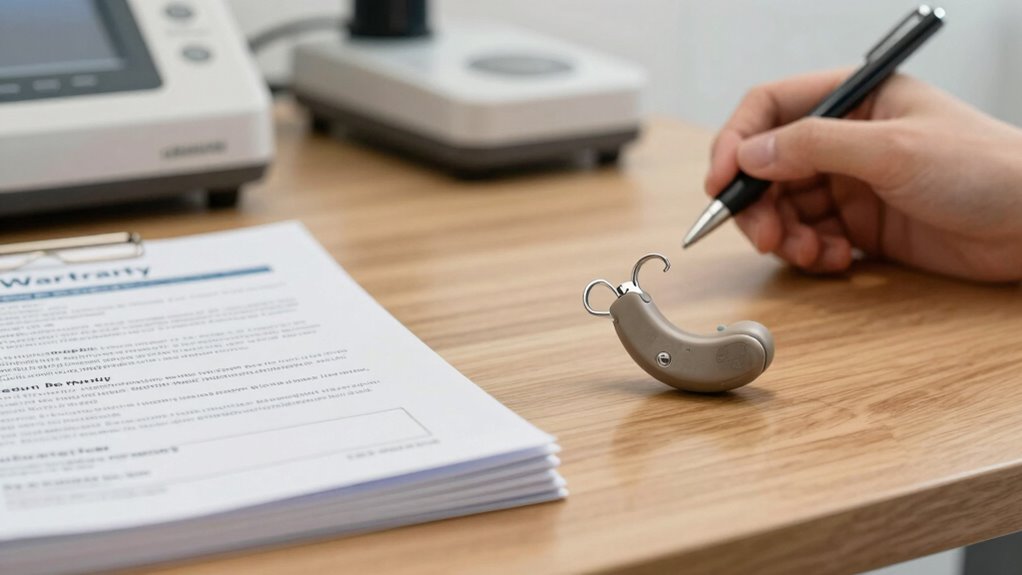
Warranties are vital when buying hearing devices because they provide peace of mind and protect your investment. Knowing that your device is covered against defects or issues helps you avoid unexpected expenses. However, manufacturers often impose restrictions, such as requiring warranty registration within a specific timeframe after purchase. Failure to register can sometimes void your warranty, leaving you unprotected. Understanding these manufacturer restrictions ensures you don’t miss out on coverage when you need it most. By registering your hearing device promptly, you secure your rights and guarantee access to repairs or replacements if necessary. Additionally, understanding the importance of warranty coverage can help you make more informed decisions about your purchase. Warranties are a fundamental part of making a smart investment in hearing health, giving you confidence that your device is protected during the coverage period. Being aware of warranty terms can also prevent surprises if issues arise later on.
hearing device repair service
As an affiliate, we earn on qualifying purchases.
As an affiliate, we earn on qualifying purchases.
What Do Hearing Device Warranties Cover?

Hearing device warranties typically specify how long coverage lasts and what limits apply, so you know what’s protected. They also detail repair and replacement terms, making it clear when you can get your device fixed or swapped. Be sure to read the fine print, as exclusions and specific conditions can affect your coverage. Additionally, understanding the warranty coverage details can help you make informed decisions about your hearing tech. It’s also helpful to familiarize yourself with warranty exclusions, which outline situations where coverage might not apply. Knowing the types of damages covered can prevent surprises if your device encounters issues outside of normal wear and tear. Furthermore, reviewing performance ratings and user reviews can provide insights into the reliability of your device and the responsiveness of warranty services, helping you select a product with confidence. Moreover, being aware of energetic alignment principles can assist in maintaining a positive mindset when dealing with warranty claims.
Coverage Duration and Limits
Understanding the coverage duration and limits of your hearing device warranty is essential to know what repairs or replacements are included and for how long. Manufacturer warranties typically specify a time frame, often ranging from one to three years, during which coverage applies. Be sure to complete your warranty registration promptly to activate your benefits. Some warranties cover parts and labor, while others may limit coverage to certain repairs. The following table highlights common coverage durations and limits:
| Coverage Aspect | Details |
|---|---|
| Manufacturer warranties | Usually 1-3 years, register early |
| Coverage limits | May exclude certain damages or parts |
| Extended warranties | Available for additional periods |
Knowing these limits helps avoid surprises and ensures you’re aware of what’s covered during the warranty period. Additionally, understanding the thermal behavior of your hearing device can help prevent damage and extend its lifespan. Regularly monitoring device temperature can prevent overheating and preserve warranty coverage. Being aware of warranty registration requirements ensures you don’t miss out on coverage benefits. Being familiar with your warranty’s coverage scope can help you make informed decisions about repairs and service options.
Repair and Replacement Terms
Knowing what your warranty covers is essential to avoid unexpected expenses. Warranty nuances can be tricky, especially regarding repair and replacement terms. Generally, your warranty might include: 1. Coverage of parts and labor for repairs due to manufacturing defects 2. Replacement of faulty devices or components within the warranty period 3. Coverage for certain types of damage, like moisture or mechanical issues 4. Limitations on how often repairs or replacements are granted. Additionally, some warranties include AI-driven diagnostics to help identify issues early and streamline repairs. As with many warranties, coverage limitations can vary significantly between providers and specific plans. However, pay attention to return restrictions—some warranties limit the number of repairs or require specific procedures. These terms can be confusing and may vary by provider. Understanding these repair and replacement terms helps you better navigate your warranty and avoid surprises, ensuring your hearing device is protected when needed most.
Exclusions and Fine Print
While warranties often promise coverage for repairs and replacements, it’s important to pay attention to the exclusions and fine print that can limit your protection. Many warranties only cover specific issues, such as manufacturer defects, and exclude damage from accidents, misuse, or neglect. Product registration and warranty registration are vital steps; failing to complete these can void your coverage. Read the fine print carefully to understand what’s included and what’s not, especially regarding parts like batteries or accessories. Some warranties also have time limits or require you to use authorized service providers. Being aware of warranty terms and the importance of vetted repair options can help you avoid surprises and make sure you’re fully protected when you need repairs or replacements.
hearing aid return policy
As an affiliate, we earn on qualifying purchases.
As an affiliate, we earn on qualifying purchases.
Are There Hidden Limitations in Hearing Aid Warranties?

You might assume that a hearing aid warranty covers everything, but there could be hidden limitations. Some warranties have strict time limits or exclude certain damages, so it’s important to know what’s really included. Additionally, repair and replacement policies can vary, affecting how much help you’ll actually receive when issues arise. Understanding the warranty coverage details can help you avoid surprises later. For instance, some warranties may not cover damage caused by moisture, which is common with water-related issues. It’s also helpful to review the manufacturer’s policies on repairs and replacements to ensure you’re aware of any potential costs or restrictions. Moreover, some warranties might have exclusion clauses that limit coverage under specific circumstances, so reading the fine print is crucial. It’s also essential to be aware of the terms and conditions that specify the scope of coverage and any responsibilities you might have as the user.
Warranty Length Limitations
Many hearing aid warranties appear straightforward but often come with hidden limitations on their duration. You might think your coverage lasts as long as you need, but beware of warranty loopholes. Here’s what to watch for:
- The standard warranty period may be only 1-3 years, after which costs skyrocket.
- Extended warranties can seem appealing, but they often come with strict conditions and high prices.
- Some warranties reset after service visits, so the clock starts over each time.
- Limitations may specify coverage only for certain parts or repairs, reducing actual protection.
- Understanding warranty terms is crucial, as many policies have clauses that limit your actual coverage duration or scope.
Knowing these hidden constraints helps you avoid surprises. Don’t assume your warranty’s length is unlimited; reading the fine print is essential to understand your true coverage.
Coverage Exclusions Hidden
Hidden limitations in hearing aid warranties often catch you off guard, as certain coverage exclusions are buried deep in the fine print. Many warranties include coverage gaps that aren’t immediately obvious, leaving you surprised when repairs or replacements aren’t covered. These exclusions can relate to specific damages, environmental factors, or certain types of wear and tear. It’s common for manufacturers to omit these details from the main warranty overview, making it easy to overlook important limitations. As a result, you might assume your hearing aid is fully protected, only to discover restrictions when you need service. To avoid surprises, always scrutinize the fine print carefully and ask your provider about any coverage gaps before making a purchase.
Repair and Replacement Policies
Repair and replacement policies in hearing aid warranties often contain hidden limitations that can catch you off guard. These warranty pitfalls may restrict coverage, leading to unexpected costs. Here’s what you should watch out for: 1. Limited repair timeframes, meaning repairs might only be covered for a certain period. 2. Conditions that require you to pay parts or labor costs beyond the warranty. 3. Restrictions on who can perform repairs—often only authorized providers can fix your device. 4. Hidden fees for replacements, which could turn into significant return risks if your hearing aid needs urgent repairs. Additionally, some warranties have specific coverage exclusions that limit what repairs are included. Understanding these limits helps you avoid surprises and ensures you’re fully aware of what’s covered. Don’t let warranty pitfalls catch you unprepared—know your rights before claiming repairs or replacements.
hearing aid protection plan
As an affiliate, we earn on qualifying purchases.
As an affiliate, we earn on qualifying purchases.
How Do Return Policies for Hearing Devices Work?
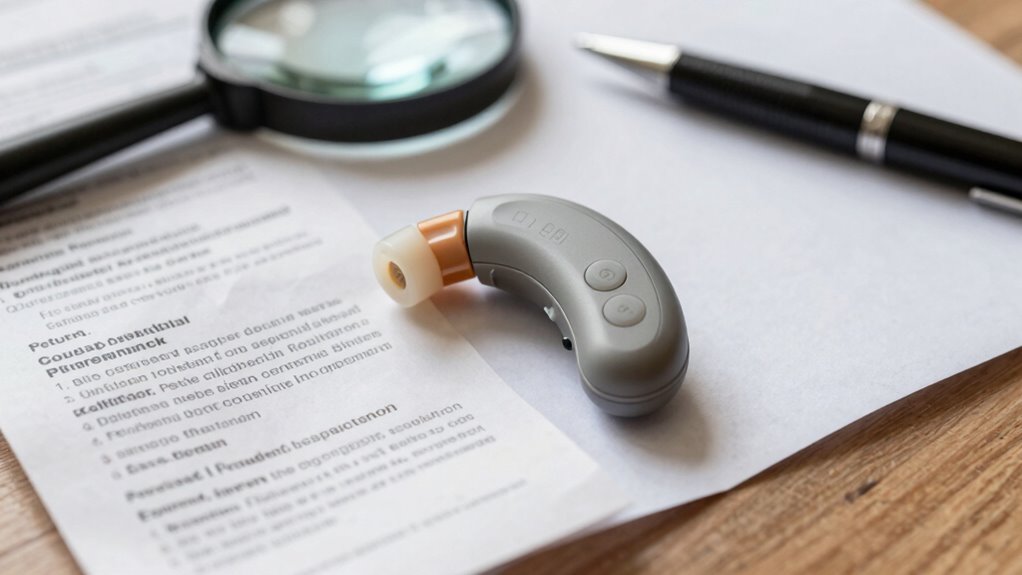
Return policies for hearing devices typically allow you to test the product within a specific period, giving you the chance to see if it fits your needs. During this trial, you’ll usually be asked to complete product registration or warranty registration to activate your coverage. This step helps guarantee your device is properly linked to your account and that you’re eligible for any return or warranty services. If the device doesn’t meet your expectations, you can often return it within the trial window for a full or partial refund, depending on the provider’s policy. Be sure to understand the exact return window and any conditions, such as how much you must wear the device or how to return it. Proper registration is key to smooth processing. Utilizing bulk email techniques can also be an effective way for providers to communicate detailed return policies and updates to customers efficiently. Additionally, understanding the return process can help ensure a hassle-free experience if you choose to return the hearing device. Familiarizing yourself with warranty terms can also provide added protection during your trial period. Knowing how product registration impacts your eligibility can help you avoid potential issues with returns or warranty claims. Being aware of coverage limitations will help set realistic expectations for your hearing device’s trial and warranty options.
What Are the Risks of Limited or No Return Options?

When a hearing device comes with limited or no return options, you risk being stuck with a product that may not meet your needs or expectations. Without a flexible return policy, you might face the following issues:
- You can’t test the device thoroughly before committing.
- You’re unable to return or exchange if it doesn’t improve your hearing.
- An extended warranty won’t cover dissatisfaction, only repairs.
- You may end up paying for a device that isn’t right, with no easy way out.
Limited return options often mean you’re locked in, even if the device isn’t effective. Always check the return policy details and consider extended warranties that provide peace of mind beyond basic coverage.
How to Choose Hearing Devices With Better Warranties and Return Policies

Choosing hearing devices with better warranties and return policies starts with doing your research and asking the right questions. Understand the warranty nuances, such as what’s covered, the duration, and any potential repair costs. Don’t assume all warranties are equal; some may exclude certain damages or limit coverage after a specific period. To avoid return challenges, inquire about the return window, conditions, and whether you’ll receive a full refund or store credit. Read the fine print carefully, looking for hidden fees or restrictions. Comparing policies across providers helps you find options that offer thorough coverage and flexible returns. Being informed ensures you select hearing devices that won’t leave you stuck with unexpected costs or limited recourse if issues arise.
What To Do If Your Hearing Device Breaks or Isn’t as Promised?

If your hearing device breaks or doesn’t perform as promised, it’s important to act quickly and confidently. First, check if the issue relates to device customization or accessory compatibility, which could cause malfunctions. Next, follow these steps:
- Review your warranty and return policy details to understand your options.
- Contact your provider or manufacturer promptly to report the issue.
- Document the problem with clear descriptions and photos if possible.
- Keep records of all communications and repairs for future reference.
Final Checklist: Protect Yourself Before You Buy

Before making a purchase, it’s important to take proactive steps to protect yourself and guarantee you get a hearing device that meets your needs. Start by thoroughly reviewing warranty pitfalls so you understand what’s covered and what’s not. Check the fine print for any limitations, exclusions, or hidden fees that could leave you vulnerable. Be aware of return risks, such as restocking fees or strict time limits, which can make returning an unsatisfactory device costly or complicated. Ask the retailer or manufacturer specific questions about warranty coverage, return policies, and after-sales support. Document everything and keep copies of all communications. By doing this prep work, you’ll reduce surprises and ensure you’re fully protected before you commit to your hearing tech purchase.
Frequently Asked Questions
Can Warranties Be Transferred if I Sell My Hearing Device?
Yes, warranties can sometimes be transferred if you sell your hearing device. You need to verify the policy for your specific device, as warranty eligibility often depends on an ownership transfer. Some manufacturers allow the new owner to benefit from the remaining warranty, while others don’t. Make sure to notify the company about the sale and provide any required documentation to guarantee the warranty remains valid for the new owner.
Are There Any Fees for Warranty Repairs or Replacements?
Think of your warranty as a safety net—most repairs and replacements are covered, but watch out for repair costs that might sneak in if you hit warranty exclusions. Some repairs could come with fees, especially if damage isn’t covered or if you void your warranty. Always read the fine print so you don’t get caught off guard by unexpected costs, and keep your device in top shape to avoid extra charges.
How Long Does the Warranty Typically Last for Hearing Aids?
Your hearing aid warranty typically lasts between one to three years, offering coverage for repairs and replacements. During this period, you’re covered under warranty coverage, which simplifies the repair process if issues arise. It is crucial to understand the specific terms, as some warranties may have limitations or exclusions. Knowing your warranty duration helps you plan for potential repairs and ensures you get timely support without unexpected costs.
What Happens if My Hearing Device Is Discontinued?
If your hearing device gets discontinued, it can impact your warranty coverage. Usually, warranties don’t automatically transfer to discontinued devices, so you might lose certain protections. However, some manufacturers offer extended or limited coverage for discontinued models, so check your warranty details. You could also consider upgrading to a newer model, but be aware of potential warranty implications and whether repairs or replacements remain available for your discontinued device.
Are There Specific Conditions That Void the Warranty?
Yes, certain conditions can void your hearing device warranty. Manufacturer exclusions often include damage caused by accidents, misuse, or unauthorized repairs. If you accidentally drop or expose your device to water, the warranty may no longer cover repairs. Always read your warranty terms carefully, and avoid activities that could lead to such exclusions. Taking proper care helps guarantee your device remains protected under warranty, saving you money and hassle later.
Conclusion
Just like a safety net keeps you from falling, understanding warranties and return policies keeps you protected. Always read the fine print before buying hearing devices, so you don’t get caught off guard. Knowing your options is like having a map in unfamiliar territory—it guides you safely to the right choice. Take the time to ask questions and choose wisely, so your hearing journey stays smooth and worry-free.