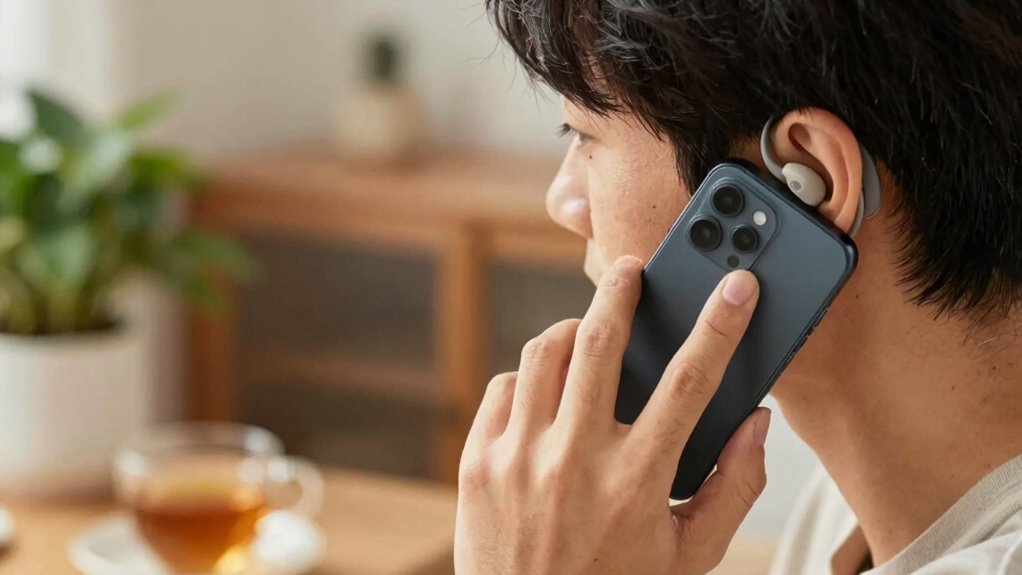

To make phone conversations less stressful with hearing loss, use assistive technology like amplified phones, captioned devices, or Bluetooth-enabled hearing aids to improve sound clarity. Prepare notes beforehand, ask callers to speak slowly, and request quiet environments for calls. Turning on video calls and using visual cues can boost understanding. Combining these tools with communication strategies, like asking for clarification, helps you feel more confident and relaxed during conversations. Keep exploring ways to enhance your communication for better experiences.

Get everyday helpers delivered free — and shop member deals
- Fast, free delivery on millions of items
- Access to Prime Big Deal Days deals on October 6–7
- Prime Video, Amazon Music and more included
Key Takeaways
- Use amplified phones, captioned telephones, or Bluetooth-enabled hearing aids to improve sound clarity during calls.
- Prepare notes and ask callers to speak slowly or in quiet environments to reduce misunderstandings.
- Turn on video calls or use visual aids to enhance understanding through facial cues and written support.
- Ensure assistive devices are working properly before calls and practice active listening for better comprehension.
- Combine assistive technology with communication strategies and remain patient to reduce stress and improve conversations.
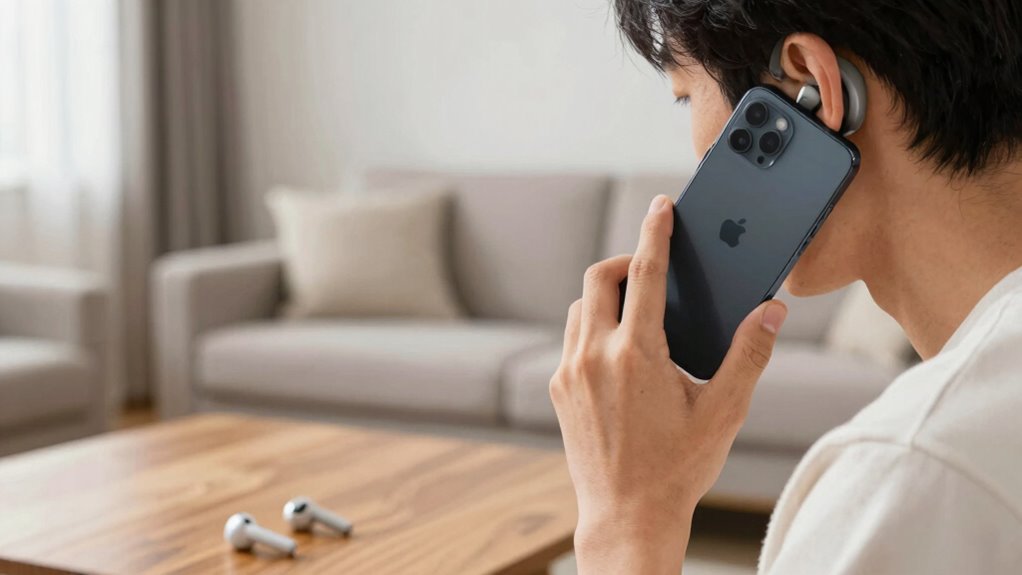
Have you ever felt overwhelmed or frustrated during phone calls because of your hearing loss? You’re not alone. Many people with hearing difficulties find phone conversations challenging, but there are ways to make these interactions smoother and less stressful. One effective approach involves using assistive technology. Devices like amplified phones, captioned telephones, and Bluetooth-enabled hearing aids can notably improve sound clarity. For instance, amplified phones increase the volume of incoming speech, making it easier for you to hear. Captioned phones display real-time text of what the caller is saying, so you can read along if understanding speech becomes difficult. Bluetooth technology allows you to connect your hearing aids directly to your phone, streamlining audio and reducing background noise. These tools help bridge the gap created by hearing loss, making conversations more manageable.
Using assistive devices like amplified phones, captioned telephones, and Bluetooth-enabled hearing aids makes phone conversations clearer and less stressful.
In addition, exploring assistive listening devices can provide customized solutions tailored to your specific hearing needs. Alongside assistive technology, adopting specific communication strategies can further reduce stress during phone calls. Prepare before making or answering a call by noting down key points or questions. This way, you’re ready to focus on the conversation without scrambling to remember details. When speaking with someone, don’t hesitate to ask for clarification or to slow down if their speech sounds rushed or unclear. Most people are willing to accommodate if they understand your needs. You can also request that callers speak clearly, stay in a quiet environment, or even send important information in a follow-up text or email. Creating a personalized communication plan can help you feel more in control during conversations. Additionally, practicing active listening techniques can improve comprehension and reduce misunderstandings. Using visual cues can be helpful too—if the caller is on a video call, turn on the camera to see facial expressions and lip movements, which can aid comprehension. Incorporating communication aids like written notes or sign language can further enhance understanding in complex situations.
Another useful tip involves establishing routines that help you prepare for calls. For example, find a quiet space where background noise won’t interfere, and ensure your assistive devices are working properly before you dial. If you’re using captioned telephones, familiarize yourself with their features so you can quickly activate captions when needed. Practicing active listening techniques, such as pausing to process what’s been said and summarizing the main points to confirm understanding, can make a significant difference. It’s also beneficial to learn about hearing loss awareness, as understanding your condition better can empower you to communicate more effectively. Over time, these communication strategies become second nature, and you’ll gain confidence in handling phone conversations.
Ultimately, combining assistive technology with thoughtful communication strategies transforms stressful phone calls into more comfortable, effective interactions. It takes some trial and error to find what works best for you, but with patience and persistence, you can navigate phone conversations with greater ease and less frustration. Remember, you don’t have to face hearing loss challenges alone; there are tools and techniques designed specifically to support your communication needs.
amplified phone for hearing loss
As an affiliate, we earn on qualifying purchases.
As an affiliate, we earn on qualifying purchases.
Frequently Asked Questions
Can Hearing Aids Improve Phone Conversation Clarity?
Yes, hearing aids can improve phone conversation clarity. Modern hearing aid technology includes features like Bluetooth connectivity and speech enhancement, making it easier to understand conversations. Using speech clarity techniques, such as adjusting the volume or using a phone with a compatible hearing aid, can further enhance your experience. Make sure your hearing aids are properly fitted and programmed to optimize speech understanding during calls.
What Types of Phones Are Best for Hearing-Impaired Users?
If you’re looking for the best phones for hearing-impaired users, you should explore smartphones with advanced hearing aid compatibility and smart features. These phones often include clear audio options, volume controls, and Bluetooth connectivity for seamless integration with hearing aids. This combination guarantees you stay connected and comfortable during calls. Don’t miss out—discover models designed with your hearing needs in mind, making every conversation easier and more enjoyable.
How Can I Reduce Background Noise During Calls?
To reduce background noise during calls, use a mute button when you’re not speaking to block out distractions. Invest in noise-canceling headphones, which actively filter out ambient sounds, making it easier to focus on the conversation. Additionally, position yourself in a quiet area and consider using a phone with good sound quality. Combining these strategies helps create a clearer, less stressful calling experience.
Are There Specific Apps That Assist With Hearing Loss?
Think of these apps as your personal lighthouse in a foggy sea. Many assistive listening apps, like Ava or Sound Amplifier, offer speech enhancement features that clarify dialogue and filter background noise. They’re designed to help you better understand conversations by amplifying speech and reducing distractions. With these tools, you can navigate phone calls more confidently, making communication smoother and less stressful, just like a lighthouse guides ships safely home.
How Do I Know if My Hearing Loss Requires Professional Help?
If you’re unsure whether your hearing loss needs professional help, schedule a hearing assessment with an audiologist. They evaluate your hearing and determine if treatment is necessary. Pay attention to signs like difficulty understanding speech, frequent asking of others to repeat, or muffled sounds. Using communication strategies can help temporarily, but a professional assessment guarantees you get the right support and devices to improve your hearing health effectively.
Conclusion
By implementing these tips, you can make phone conversations more comfortable and less stressful despite hearing loss. Remember, nearly 60% of adults with hearing difficulties find phone calls challenging, but with patience and the right strategies, you can improve your experience. Embrace assistive devices, ask for accommodations, and stay patient with yourself. Making small adjustments can lead to more confident, enjoyable conversations and help you stay connected with loved ones and colleagues alike.
Fall Picks
fall essentials
As an affiliate, we earn on qualifying purchases.