
Living with hearing loss can affect your mental health by causing social isolation and frustration. Building coping skills like practicing self-compassion, staying engaged with loved ones, and using assistive devices can boost your emotional resilience. Celebrating small communication successes and seeking support from groups or professionals helps you stay positive. If you want practical strategies to strengthen your mental well-being and maintain social connections, there’s more to discover that can make a difference.
Key Takeaways
- Develop emotional resilience through self-compassion, focusing on strengths, and celebrating small communication successes.
- Use assistive listening devices and written communication to reduce misunderstandings and enhance social interactions.
- Stay engaged with social support networks and join support groups to combat loneliness and share coping strategies.
- Seek professional guidance and practice self-care to manage emotional challenges associated with hearing loss.
- Maintain a positive outlook and proactively address mental health to foster overall well-being and resilience.
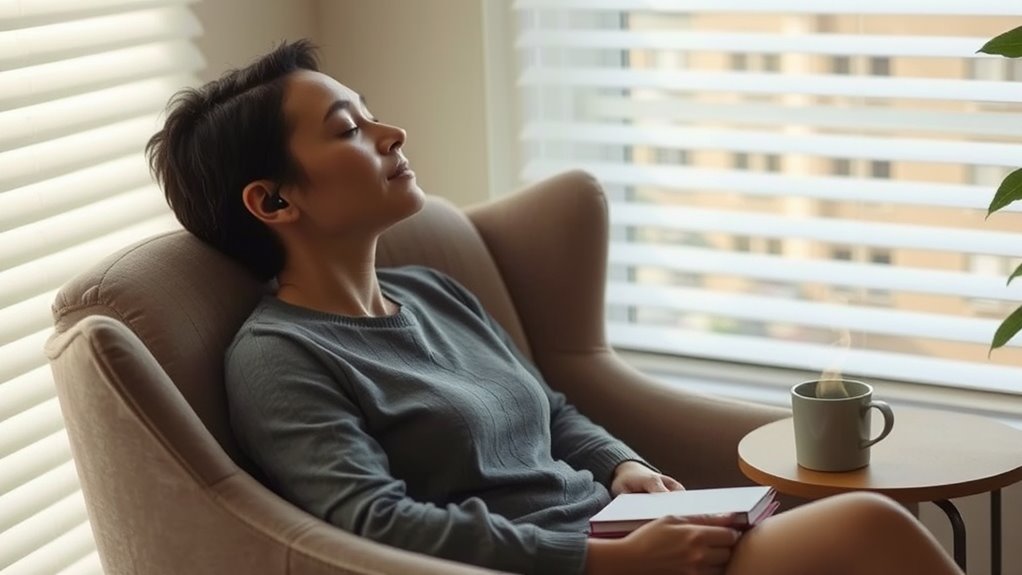
Have you ever wondered how hearing loss can affect your mental health? It’s more than just missing out on sounds; it can take a toll on your emotional resilience and lead to social isolation. When hearing becomes difficult, you might find yourself feeling frustrated, anxious, or even depressed. Your confidence can take a hit as conversations become more challenging, and over time, you might start withdrawing from social situations. This withdrawal isn’t just about missing out on fun moments; it’s a protective response to avoid the embarrassment or stress that hearing difficulties can cause. Social isolation, in turn, can deepen feelings of loneliness and negatively impact your mental health, creating a cycle that’s hard to break. Incorporating tools like exfoliation can help improve skin health, which can boost your overall confidence and well-being.
Building emotional resilience is key to managing these challenges. It means developing the inner strength to cope with the frustrations and emotional ups and downs that come with hearing loss. One way to do this is by practicing self-compassion. Accept that hearing loss is a part of your life and avoid beating yourself up for the difficulties it brings. Instead, focus on your strengths and the ways you’re actively working to adapt. Celebrate small victories, like successfully participating in a conversation or using a new hearing device effectively. Resilience also involves maintaining a positive outlook and seeking support when needed. Connecting with others who understand your experience can remind you that you’re not alone, helping you build your emotional stamina.
Addressing social isolation is equally important. Make an effort to stay engaged with friends, family, and community groups, even if it’s challenging at first. Use assistive listening devices or written communication tools to reduce misunderstandings. Let your loved ones know what you need so they can support you better. Don’t hesitate to ask for accommodations in social settings, like choosing quieter environments or sitting closer to speakers. It’s also helpful to join support groups where you can share experiences and exchange coping strategies. These connections can boost your confidence and remind you that others face similar struggles, which can lessen feelings of loneliness.
Ultimately, managing mental health alongside hearing loss involves a combination of developing emotional resilience and actively reducing social isolation. You don’t have to navigate this journey alone; seeking professional guidance, practicing self-care, and leaning on your support network can all make a meaningful difference. Remember, your mental well-being is just as important as your physical health, and taking proactive steps can help you maintain a fulfilling, connected life despite hearing challenges.

Audien Hearing ATOM PRO 2 Wireless Rechargeable OTC Hearing Aids, Premium Comfort Design and Nearly Invisible
Hear What Matters, Forget the Rest: Tired of asking, “What?” in conversations? The Atom Pro 2 is here...
As an affiliate, we earn on qualifying purchases.
Frequently Asked Questions
How Does Hearing Loss Affect Mental Health Long-Term?
Hearing loss can negatively impact your mental health long-term by leading to social isolation, making you withdraw from conversations and social activities. This isolation can decrease your self-esteem and increase feelings of loneliness or depression. Over time, you might find it harder to stay connected with others, which worsens mental health issues. Addressing hearing loss early with support or devices can help maintain social ties and protect your emotional well-being.
Can Therapy Improve Mental Health for Hearing-Impaired Individuals?
You can definitely see therapy benefits, as it helps improve your mental health and build emotional resilience. While hearing impairment presents unique challenges, therapy provides a safe space to process feelings and develop coping strategies. It’s not a silver bullet, but it can turn the tide, helping you manage frustration and isolation better. When you take this step, you’re planting seeds for overall well-being, even when faced with hearing loss.
What Medications Help With Hearing Loss-Related Anxiety or Depression?
Medication options like antidepressants and anti-anxiety drugs can help with hearing loss-related anxiety or depression. These medications often provide relief by balancing brain chemistry, making it easier for you to manage emotional challenges. Consult your healthcare provider to determine the best options for your situation. Remember, medication can be effective when combined with therapy and coping strategies, giving you an all-encompassing approach to improve your mental well-being.
Are Support Groups Effective for Mental Health in Hearing Loss?
Support groups are incredibly effective, almost like a secret weapon for your mental health journey with hearing loss. By joining peer support, you connect with others who truly understand your struggles, boosting emotional resilience. Sharing experiences can lift your spirits and reduce feelings of isolation. These groups offer a safe space to vent and find practical advice, making your path to mental well-being feel less lonely and more empowering.
How Can Family Members Support Mental Well-Being in Hearing-Impaired Loved Ones?
You can support your loved one’s mental well-being by offering consistent emotional support and practicing effective communication strategies. Be patient, listen actively, and create a safe space for them to express feelings. Use clear speech, maintain eye contact, and reduce background noise to improve understanding. Encourage them to seek professional help if needed and remind them they’re not alone, fostering confidence and emotional resilience.

Joanbro Personal Sound Amplifier for Seniors, Voice Enhancement Devices, Pocket Sound Amplifiers for Elderly People, Adults, 50dB Gain, with Headphones & Earbud, 3 Types Mics, 3 Tone, Volume Control
SUPERIOR PERSONAL SOUND AMPLIFIER: Applying noise cancelling, automatic gain control and advanced amplifying circuit, this sound amplifier device...
As an affiliate, we earn on qualifying purchases.
Conclusion
Remember, hearing loss might challenge your communication, but it doesn’t have to silence your spirit. Just as you learn to navigate the world with new coping skills, your mental health can thrive alongside your hearing journey. Facing difficulties may seem overwhelming, yet each small step forward proves resilience. Embrace the support available, find moments of joy, and keep your mind strong—because in overcoming silence, you discover your true strength.

Personal Sound Amplifier PSAP the Latest Gen Model HA9000, Rechargeable Hearing Aid Device Hearing Amplifier with Headphones, Detachable Microphone, Type-C Charging for Seniors, Adults, Elderly
Advanced Sound Amplification and Noise-Canceling: The Latest Gen HA9000 personal sound amplifier features Auto-Gain Control for clearest amplification,...
As an affiliate, we earn on qualifying purchases.

SuperEar Model SE5000 (PSAP) for Seniors - Hearing Amplifiers for Seniors, Super Ear Personal Sound Amplifier, Sound Amplifier Listening Device and Audio Accessories in 50dB Ambient Sounds Increase
COMPATIBILITY: Response to sound amplification is completely dependent on an individual's unique ability to detect sounds. For this...
As an affiliate, we earn on qualifying purchases.