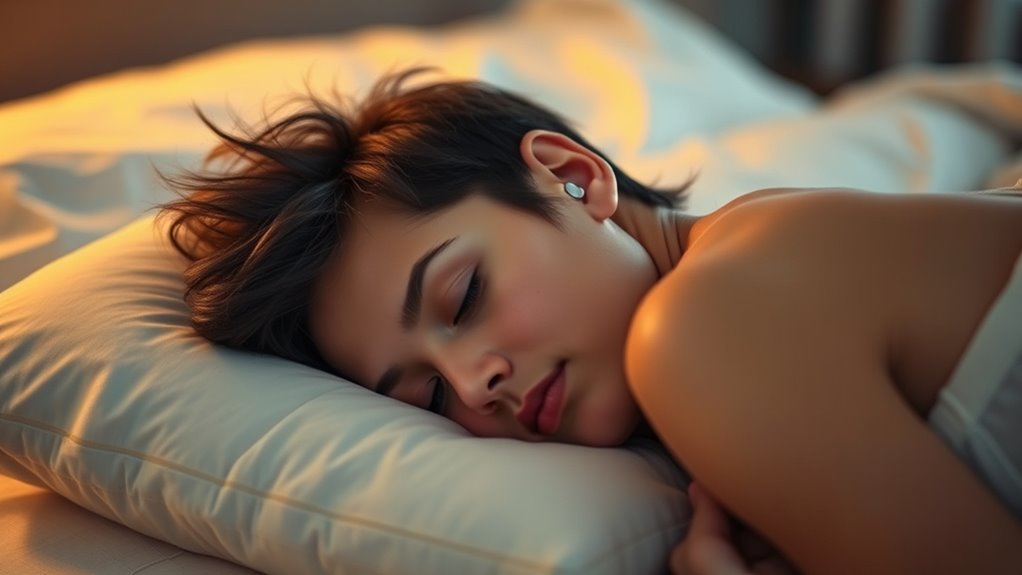
Sleeping with your hearing devices can be safe and comfortable if you guarantee proper fit, regular cleaning, and choose devices suitable for overnight wear. Comfort depends on the device type, personal preferences, and how well it fits your ear. Some people sleep peacefully with their devices, while others prefer to remove them to prevent discomfort or damage. For tips tailored to your needs and more details, keep exploring how you can optimize your sleep with hearing devices.
Key Takeaways
- Ensure devices fit properly and are comfortable to prevent irritation or pressure points during sleep.
- Regularly clean and inspect devices to avoid debris buildup and ensure safety for overnight use.
- Use waterproof or water-resistant devices to reduce damage risk and promote safe sleeping conditions.
- Consult an audiologist for personalized advice on whether sleeping with devices is suitable and how to optimize comfort.
- Consider personal preferences and comfort levels, adjusting device usage to promote restful, safe sleep.

Many people wonder whether it’s safe to sleep with hearing devices, and the answer depends on the type of device and individual comfort. If you’re considering sleeping with your hearing aids or cochlear implants, it’s essential to understand how these devices interact with your sleep environment. Proper noise reduction is a key factor; some devices are designed to minimize external sounds, helping you sleep more peacefully, while others may amplify ambient noise, which could disrupt your rest. If noise reduction is a priority, check whether your device has features like wind noise reduction or advanced sound filters. These can make a significant difference in how comfortable you feel sleeping with your hearing aids on. Many modern hearing devices are built with comfort in mind, but it’s still crucial to evaluate whether wearing them while sleeping causes any discomfort or irritation, especially if you tend to move a lot during sleep.
Device maintenance plays a vital role in ensuring your hearing devices are safe to wear overnight. Regularly cleaning your hearing aids and checking for any damage prevents issues like wax buildup or debris that could cause discomfort or damage. If your device has domes or tips, make sure they’re clean and fit properly to avoid pressure points or soreness. Some devices are waterproof or water-resistant, which makes them easier to maintain and safe for overnight use, especially if you sweat at night. Additionally, device durability can influence whether sleeping with your hearing aids is advisable, as more durable devices are better equipped to withstand overnight conditions. However, if your hearing aids are not suitable for extended wear or if you notice any issues like discomfort, ringing, or feedback, it’s best to consult your audiologist. They can advise you on proper device maintenance and whether sleeping with your hearing aids is advisable in your specific case.
Ultimately, comfort is subjective, and safety depends on your individual circumstances. Many people find that wearing their hearing devices during sleep helps them stay aware of important sounds and maintains their hearing health, but others prefer to remove them to prevent irritation or accidental damage. If you choose to sleep with your devices, ensure they are well-maintained and that you are comfortable with their noise reduction capabilities. Adjusting the settings or consulting with an audiologist can help optimize your experience, making sleep both safe and restful. Remember, the key is listening to your body and maintaining your devices properly for a safe and comfortable night’s sleep.

TrueSound11-Channel Rechargeable Hearing Aids for Seniors,Waterproof OTC Hearing Device with AI Noise Cancellation & Magnetic Charging Case
True Professional Hearing Aids:It Is A True Professional OTC Hearing Aids,Not Amplifier.It Can offer Adjustable, Stable Crystal Clear…
As an affiliate, we earn on qualifying purchases.
As an affiliate, we earn on qualifying purchases.
Frequently Asked Questions
Can Sleeping Positions Affect Hearing Device Comfort?
Yes, your sleep position can affect hearing aid comfort. If you sleep on your side, pressing your device against your pillow or mattress, it might cause discomfort or even damage over time. Sleep position effects include increased pressure or irritation on your hearing aids. To improve comfort, try sleeping on your back or using softer pillows, ensuring your devices stay secure and comfortable throughout the night.
Are There Specific Pillow Types Recommended for Overnight Use?
Did you know that 75% of people experience discomfort when sleeping with hearing devices? To improve your sleep, opt for pillows made of memory foam or latex, which provide ergonomic support and reduce pressure on your devices. These materials help keep your hearing aids secure and comfortable all night, preventing discomfort and potential damage. Choosing the right pillow can make a significant difference in your sleep quality and device safety.
How Do Hearing Devices Impact Sleep Quality?
Your hearing devices can affect sleep quality by causing noise interference, making it harder to fall asleep or stay asleep. Proper hearing device maintenance helps reduce issues like feedback or malfunction during the night. If noise interference persists, consider adjusting the settings or removing the devices temporarily. Ensuring your devices are well-maintained can improve comfort and help you enjoy a more restful sleep without disruptions.
Should Hearing Devices Be Removed During Sleep?
You should remove your hearing devices before sleep to guarantee better hygiene and a healthier sleep environment. Leaving them in can trap moisture, increasing the risk of infections, and cause discomfort that disrupts sleep. While some find it tempting to keep devices in overnight, removing them promotes hygiene and safety. Make it a routine to take them out, and clean them regularly for ideal comfort and long-term device performance.
Are There Risks of Damage From Sleeping With Hearing Aids?
Sleeping with hearing aids can pose risks of damage if you don’t practice proper hearing aid maintenance. Excess moisture or pressure from sleeping positions may harm the device. To protect your hearing aids, consider your sleep environment considerations, like avoiding sleeping on your side or in humid conditions. Removing them before bed is often recommended, but if you keep them in, make sure they’re stored safely and dry to prevent damage.
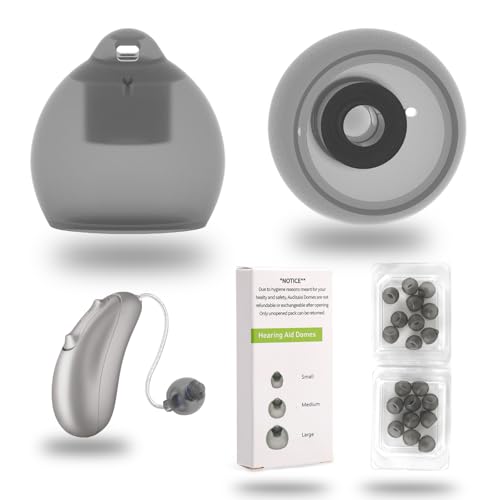
Phonak Vented 4.0 Hearing Aid Domes Ideal for Mild Hearing Loss Compatible Comfortable Silicone for Small to Medium Ear Sizes Medium Size 9mm0.35inch(20 pcs)
Ergonomic Design for Comfort】: The Phonak 4.0 Dome is specifically crafted for ear sizes, to ensure a snug…
As an affiliate, we earn on qualifying purchases.
As an affiliate, we earn on qualifying purchases.
Conclusion
So, you might think sleeping with your hearing devices is just a small comfort, but it’s actually a smart move for safety. After all, ignoring potential issues can leave you vulnerable, and who wants that? Ironically, the very devices designed to keep you connected and aware might be the ones protecting you from unnoticed hazards in your sleep. So, don’t dismiss the importance—embrace the comfort and safety they offer, even when you’re dreaming.

8 Pieces Hearing aid Amplifier Cleaning Tools, Earbuds/Headphones Cleaner Brush Kits with case
Multi-functional Hearing Aid CleaningTools: It is suitable for hearing aids, earphones, ear molds, earplugs and other difficult to…
As an affiliate, we earn on qualifying purchases.
As an affiliate, we earn on qualifying purchases.

Flaygo Hearing Aids for Seniors, OTC Hearing Aids for People with Hearing Loss, Sound Quality Restoration, Intelligent Noise Reduction, Standby 80h, One-Button Operation, Comfortable Wearing,Beige
Digital Chip, HIFI Sound Quality:Hearing amplifiers have a built-in 16-channel digital chip with intelligent noise reduction technology that…
As an affiliate, we earn on qualifying purchases.
As an affiliate, we earn on qualifying purchases.