
When traveling solo as a deaf adventurer, prepare by downloading sign language apps, carrying a notepad, and pre-writing communication cards. Research local services, set up safety alerts, and share your itinerary with someone you trust. Stick to safe, well-lit routes and use visual cues or gestures to ask for help. Connecting with online deaf communities beforehand can boost confidence. Keep exploring, and you’ll discover more tips to make your trip smooth and enjoyable.
Key Takeaways
- Prepare with sign language apps, visual aids, and pre-written communication cards for seamless interactions.
- Research accessible services, emergency contacts, and set up safety alerts before traveling.
- Stick to well-lit, populated routes and inform someone of your itinerary for safety.
- Use gestures, writing, or visual cues to communicate with strangers and service providers.
- Connect with deaf communities online beforehand to gain insights, support, and enhance your travel experience.
Traveling solo can be an incredibly rewarding experience, especially when you’re deaf and need to navigate the world in your own way. One of the biggest challenges is effective communication, but thankfully, technology offers solutions like sign language apps. These apps can help you bridge language gaps quickly, whether you’re asking for directions, ordering food, or seeking assistance. Before your trip, download a few reliable sign language apps and familiarize yourself with their features. Some apps even offer real-time translation, making conversations smoother and more natural. This not only boosts your confidence but also ensures you can engage with locals without feeling lost or isolated.
When it comes to travel safety tips, preparation is key. Always research the places you plan to visit, noting accessible services, emergency contacts, and nearby facilities that cater to deaf travelers. Carry a visual alert system, like a flash alert or vibrating alarm, to stay aware of important notifications and alerts. Keep a printed list of emergency phrases or instructions in the local language, along with your contact details and any medical information. This way, even if communication falters, you have a backup plan.
Using technology isn’t just about communication—it also enhances your safety. Many travel safety apps can send alerts or share your location with trusted contacts. Set up these apps before you leave and test them to ensure everything works properly. When exploring unfamiliar areas, stick to well-lit, populated routes and avoid isolated places, especially at night. Always let someone know your itinerary or check in regularly with a friend or family member via messaging or video calls, which can be supplemented with sign language apps if needed.
Visual cues and body language are invaluable tools in any travel scenario. When communicating with strangers or service providers, don’t hesitate to use gestures or write things down. Many establishments are understanding and willing to assist when you clearly convey your needs. Carry a small whiteboard or notepad for quick notes, and perhaps carry a pre-written card explaining that you’re deaf and prefer visual communication. This can save time and prevent misunderstandings.
Ultimately, the key to successful solo travel as a deaf adventurer is proactive planning and utilizing the right tools. With the help of sign language apps and well-implemented travel safety tips, you can confidently explore new places, connect with people, and create memorable experiences while prioritizing your safety and independence. Additionally, connecting with deaf communities online before your trip can provide valuable insights and support during your journey.

Qnmittry Language Translator Earbuds Offer Two Way Real-time Translation in 138 Languages, with Bluetooth and an APP Provide Online Instant Voice Translation for Travel Business and Learning White
【AI translator earbuds support 138 languages】This instant translator provides accurate and authentic translations with 98% accuracy and offers…
As an affiliate, we earn on qualifying purchases.
As an affiliate, we earn on qualifying purchases.
Frequently Asked Questions
How Can I Find Accessible Accommodations for Deaf Travelers?
You can find accessible accommodations by researching hotels that offer sign language resources or visual alerts, ensuring they meet your needs. Look for places with accessible transportation options nearby, making your travel smoother. Use online reviews and travel platforms to identify these features, and don’t hesitate to contact accommodations directly to confirm their accessibility amenities. Planning ahead helps you enjoy your trip confidently and comfortably, knowing your needs are prioritized.
What Apps Are Best for Real-Time Sign Language Translation?
Looking for the best sign language apps for real-time translation? You should try options like Google Translate, which now offers some sign language features, or SignAll, designed specifically for instant sign language conversion. These apps help bridge communication gaps, making your travels smoother. Keep your device handy, and practice using these tools before you go to guarantee quick, effective communication during your adventures.
How Do I Ensure Safety When Traveling Alone Without Hearing?
Think of your safety as a shield you carry with you. To stay safe when traveling alone without hearing, prioritize emergency preparedness by carrying visual alerts or vibrating alarms. Practice cultural sensitivity to connect better with locals and avoid misunderstandings. Keep important contacts handy, use visual or text-based communication tools, and stay in well-lit, populated areas. Trust your instincts, and remember, staying aware is your best defense on any journey.
Are There Specific Travel Insurance Policies for Deaf Adventurers?
You might find specialized insurance or deaf traveler policies that cater specifically to your needs. These policies often cover communication assistance, emergency support, and medical care tailored for deaf travelers. When shopping for travel insurance, compare plans to see which ones offer the best coverage for your circumstances. Always read the fine print to make certain the policy includes provisions for communication needs and emergency support, giving you peace of mind while exploring new destinations.
How Can I Connect With Other Deaf Travelers for Support?
Connecting with other deaf travelers is like finding a lighthouse in a foggy sea. You can join community events or attend meetups specifically for deaf adventurers. Online forums are also great places to share experiences, ask questions, and find support. These platforms help you build a network, making solo travel feel less lonely. Embrace these opportunities to connect, share, and grow with others who understand your journey.
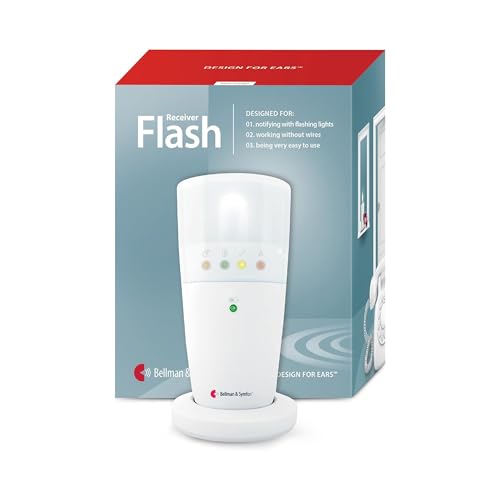
Bellman & Symfon Flash Alert Receiver – Visit Smart Home System Component – Bright Notification Device for Deaf or Hard of Hearing – Assisted Living Emergency Technology for Home Safety
𝐅𝐋𝐀𝐒𝐇 𝐀𝐋𝐄𝐑𝐓𝐒: Our Bellman & Symfon flash alert receiver is a powerful notification device that uses bright flashing…
As an affiliate, we earn on qualifying purchases.
As an affiliate, we earn on qualifying purchases.
Conclusion
As you navigate new places, you’ll find that your preparations often mirror small, lucky coincidences—like spotting a sign you’ve learned to read or catching a friendly wave from a fellow traveler. These moments remind you that solo travel isn’t just about independence but also about the unexpected connections you make along the way. Embrace each encounter, knowing that your skills and resilience turn everyday coincidences into meaningful adventures.

6 Pack Magnetic Dry Erase Board, 3 Pack 8'' x 12'' & 3 Pack 5'' x 8'' Magnetic Whiteboard for Fridge, Magnetism Notepad for Fridge with 6 Markers, 1 Eraser
【Magnetic Dry Erase Board】Package includes 3 pack 8'' x 12'' and 3 pack 5'' x 8'' magnetic whiteboard…
As an affiliate, we earn on qualifying purchases.
As an affiliate, we earn on qualifying purchases.
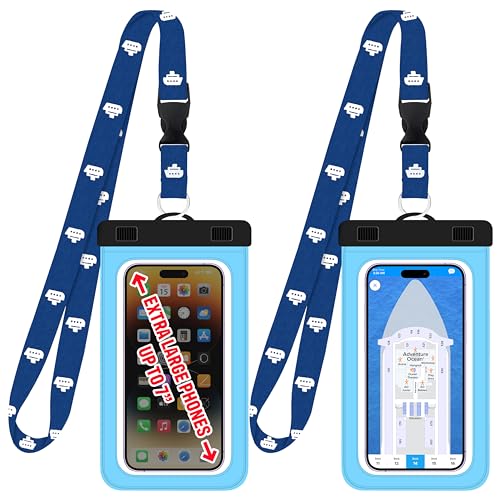
Cruise On Lanyards Waterproof Phone Pouch w/Touch Screen, Extra Large Dry Case for 7” Phones (iPhone 15 14 13 Max, Galaxy S24 Ultra, Pixel 8, OnePlus 12, Motorola) – 2-Pack for Travel & Beach Safety
🛳️ CRUISE APP ACCESS: You'll need constant cruise app access for doors, boarding, payment & more.
As an affiliate, we earn on qualifying purchases.
As an affiliate, we earn on qualifying purchases.