Smoke alarms with strobes are designed to be deaf-friendly by combining loud, clear sounds with bright, flashing visual signals. They guarantee that everyone, including those with hearing impairments, gets alerted quickly during emergencies. Proper placement, easy-to-use features, and reliable testing help keep you safe. If you want to understand how these devices work and how to choose the best one for your needs, there’s more to discover below.
Key Takeaways
- Visual strobes provide bright, flashing light alerts that are easily seen by deaf and hard of hearing individuals during emergencies.
- Multi-sensory alarms combine visual, auditory, and tactile signals to ensure comprehensive warning coverage.
- Proper placement of alarms and strobes guarantees visibility from all sleeping and common areas.
- Easy-to-maintain features like long-lasting batteries and routine testing enhance reliability and consistent alerts.
- Compatibility with other safety devices and customizable alert settings improve deaf-friendly emergency preparedness.
smoke alarm with strobe light
As an affiliate, we earn on qualifying purchases.
As an affiliate, we earn on qualifying purchases.
What Are Smoke Alarms With Strobes and How Do They Work?
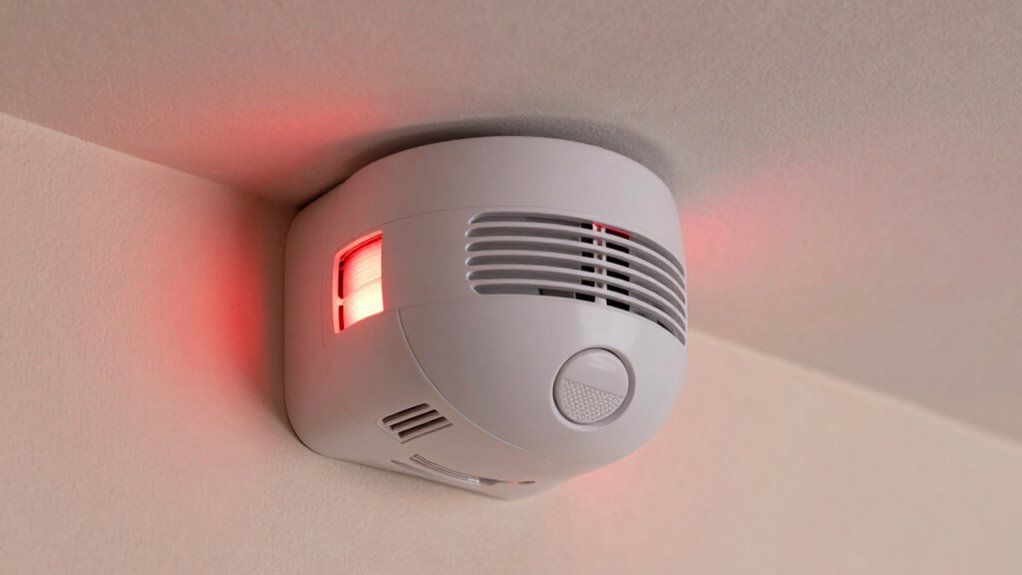
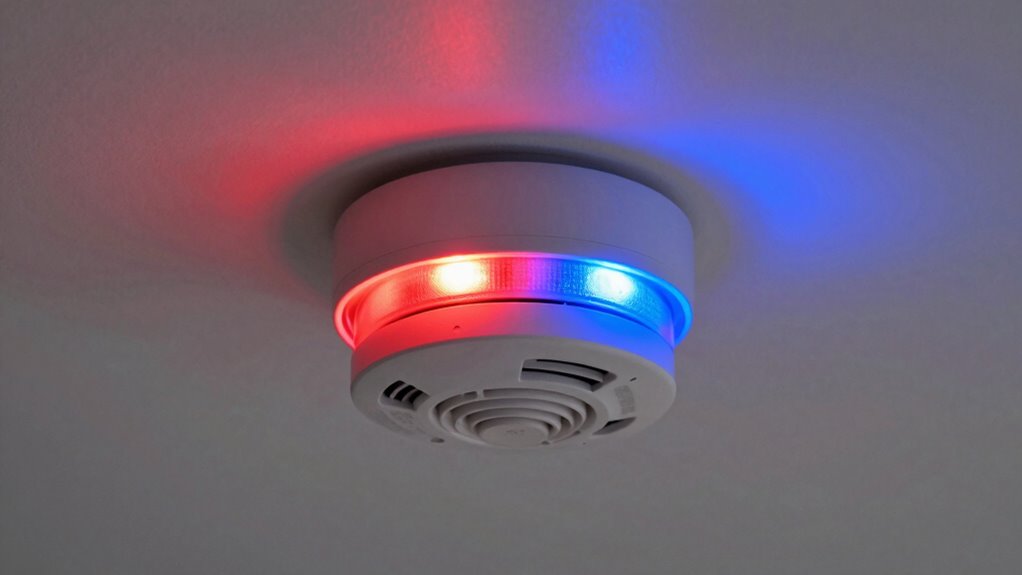
Smoke alarms with strobes are specialized safety devices designed to alert everyone in a building, including those with hearing impairments, by combining loud alarms with flashing lights. They serve as effective emergency signaling tools, guaranteeing that alert signals reach all individuals regardless of their hearing ability. These alarms typically include a built-in strobe light that flashes brightly during an emergency, providing visual cues alongside sound. Battery life is a critical factor; long-lasting batteries ensure the device remains functional when needed most, reducing the risk of failure during an emergency. Regularly checking and replacing batteries helps maintain the alarm’s reliability. Additionally, understanding Free Floating technology can help in choosing models that are more reliable and easier to maintain. Proper installation and maintenance protocols are also essential to ensure these alarms work effectively when needed. Moreover, many models now incorporate interconnectivity features, allowing multiple alarms to activate simultaneously for enhanced safety coverage. Battery longevity is especially important in ensuring continuous protection over time, particularly in areas prone to power outages. Overall, these alarms are essential for thorough safety, providing clear, multi-sensory alerts that can save lives in emergency situations.

Kidde Smoke Detector with Safety Light for Hearing Impaired, 10-Year Battery Smoke Alarm, Ideal for Hallways or Deaf People
Photoelectric sensor technology senses visible fire particles, associated with smoldering fires
As an affiliate, we earn on qualifying purchases.
As an affiliate, we earn on qualifying purchases.
Why Are Strobe Lights Vital for Deaf and Hard of Hearing Safety?
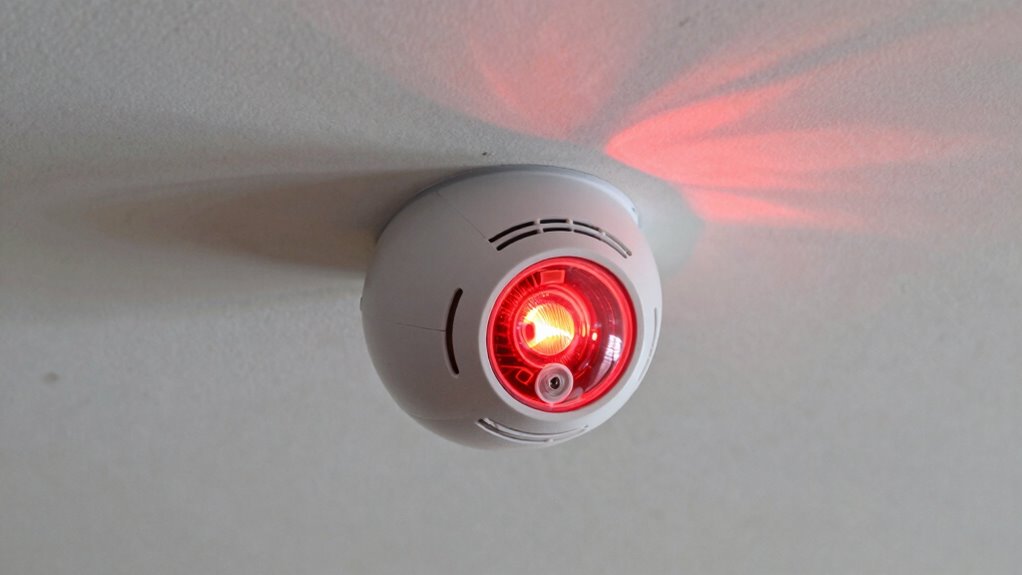
Strobe lights are indispensable for deaf and hard of hearing individuals because they provide a visual alert that complements or replaces auditory signals during emergencies. For those with visual impairment or cognitive challenges, relying solely on sound can be ineffective or overwhelming. Strobe lights cut through confusion, grabbing your attention instantly when smoke or danger is detected. They are essential because they guarantee you’re aware of emergencies even if you can’t hear alarms or if your mind is overwhelmed during stressful situations. These visual cues are crucial for safety, helping you respond quickly and appropriately. Without strobe lights, many deaf or hard of hearing people might miss critical warnings, increasing the risk of harm. They create a reliable, deaf-friendly alert system that saves lives. Reliable safety features ensure that everyone has an equal chance to respond promptly in emergencies. Incorporating visual alert systems like strobes is a key part of comprehensive safety planning for deaf and hard of hearing communities, especially when emergency notification depends on clear visual cues. Additionally, integrating assistive technology such as strobes enhances overall safety and independence for users. Implementing these systems is supported by standards that emphasize the importance of visual safety alerts for inclusive emergency preparedness.
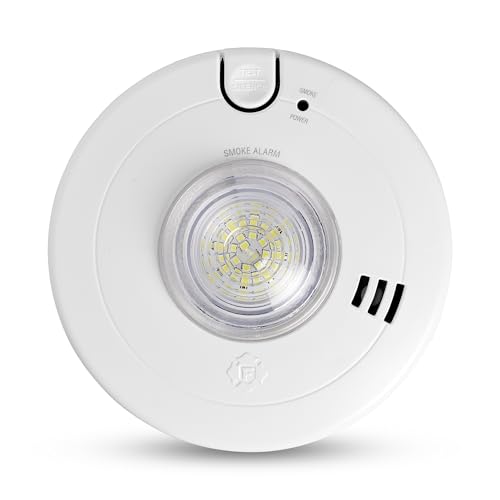
First Alert SM110LED-AC, Hardwire Smoke Alarm with LED Strobe & 10-Year Battery Backup, 1-Pack
First Alert's Precision Detection advanced sensing technology reduces cooking nuisance alarms and delivers early warning
As an affiliate, we earn on qualifying purchases.
As an affiliate, we earn on qualifying purchases.
Features to Consider When Choosing a Smoke Alarm With Strobes
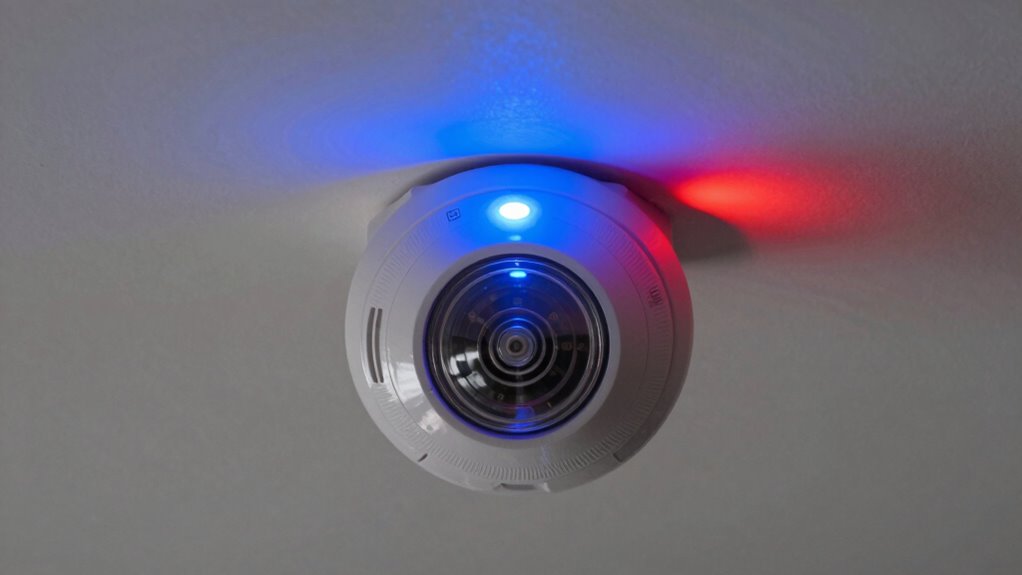
When selecting a smoke alarm with strobes, it’s important to take into account several key features that guarantee reliable and effective alerts. First, check the battery life; a long-lasting battery reduces the need for frequent replacements and guarantees continuous protection. Look for alarms with easy-to-replace batteries or models with rechargeable options. Sound options are also essential—choose alarms that offer loud, clear alerts with adjustable volume settings to suit your environment. Some models include different alarm tones or voice alerts, which can provide additional clarity during emergencies. Additionally, consider features like battery backup in case of power outages and compatibility with other safety devices. These features help guarantee your alarm remains reliable, loud enough, and tailored to your specific needs. Ensuring your alarm incorporates deaf-friendly features can significantly enhance safety for individuals with hearing impairments. Incorporating visual alert mechanisms such as flashing strobes ensures that deaf or hard-of-hearing individuals can be promptly notified in emergencies. Moreover, understanding fire detection technology can help you select alarms that are less prone to false alarms caused by environmental factors. Furthermore, selecting alarms with thermal behavior awareness can improve overall safety by reducing false alarms caused by cooking or other environmental factors. Properly selecting alarms with comprehensive safety features is essential for an inclusive and effective fire safety system.
multi-sensory fire alarm
As an affiliate, we earn on qualifying purchases.
As an affiliate, we earn on qualifying purchases.
Installing and Testing Your Smoke Alarm With a Strobe
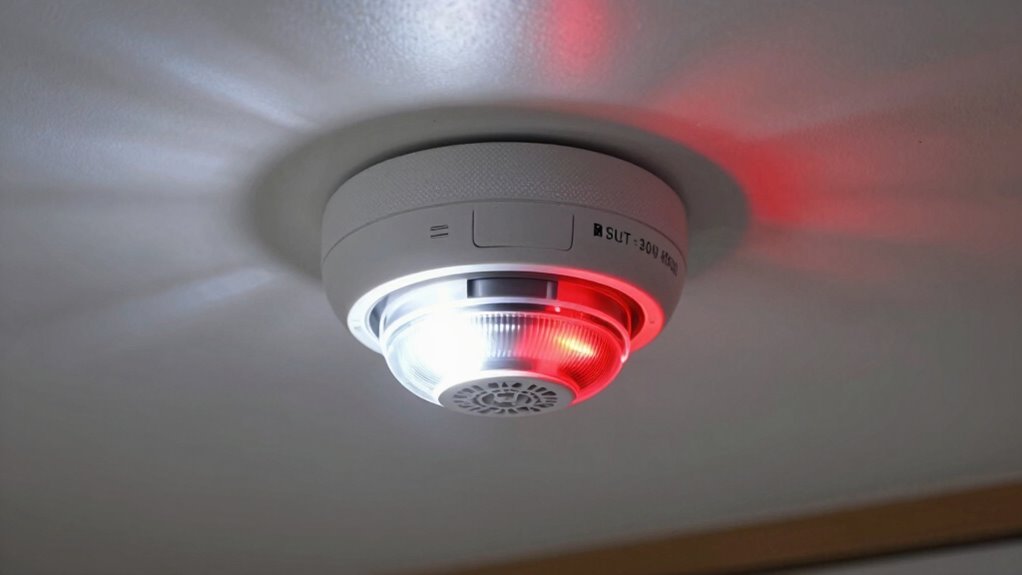
To guarantee your smoke alarm with a strobe functions correctly, proper installation and regular testing are essential. Begin by mounting the unit on the ceiling or high on a wall, away from drafts and vents, following the manufacturer’s instructions. Once installed, perform a test by pressing the test button to ensure the alarm sound and strobe light activate simultaneously. Regular maintenance tips include cleaning dust and debris from the device to prevent false alarms. Remember, battery replacement is vital; replace batteries at least once a year or when the alarm chirps warning of low power. After replacing batteries, test the alarm again. proper installation from a qualified technician can ensure optimal performance and safety. Additionally, understanding the benefits of visual alerts can help you recognize the importance of these devices in deaf-friendly environments. Incorporating support networks can further enhance safety and preparedness for individuals relying on visual cues. Regularly checking the exfoliating properties of glycolic acid can help maintain the skin’s health and enhance the effectiveness of your skincare routine. Moreover, understanding sound and light synchronization is crucial for ensuring that alarms are effective for all users.
Troubleshooting Common Issues With Smoke Alarms With Strobes
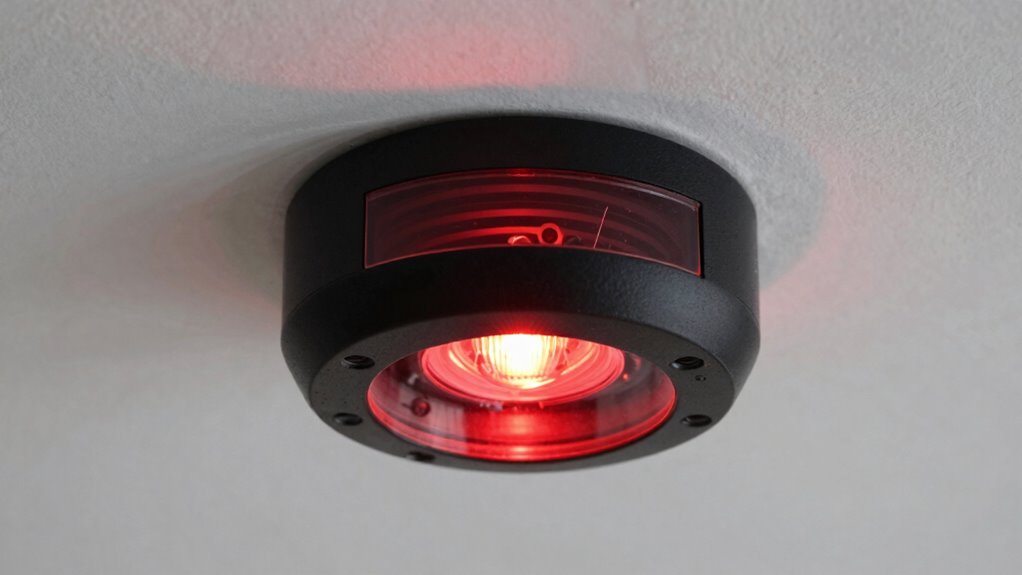
Even with proper installation and regular testing, you might encounter issues with your smoke alarm with a strobe. If it’s not sounding or flashing correctly, start by checking the battery maintenance. Replace batteries if they’re dead or corroded, as weak batteries can cause malfunctions. Next, review the alarm placement—ensure it’s installed in an appropriate location away from vents, fans, or high humidity areas that could interfere with its sensors. If the alarm still isn’t working properly, verify that it has a clear line of sight and isn’t obstructed by furniture or décor. Regular maintenance and correct placement are key to avoiding false alarms or missed alerts. Additionally, sensor interference from nearby devices can affect alarm performance, so consider relocating or shielding the alarm if necessary. Being aware of air quality factors can also help prevent false alarms caused by airborne contaminants. Understanding alarm testing procedures ensures that your device remains reliable and responsive in emergencies. To further ensure consistent operation, periodically review the manufacturer’s guidelines for troubleshooting and maintenance. Properly managing device compatibility with other safety equipment can improve overall alarm effectiveness. Troubleshooting these common issues keeps your deaf-friendly smoke alarm functioning reliably.
FAQs About Smoke Alarms With Strobes for Deaf Safety
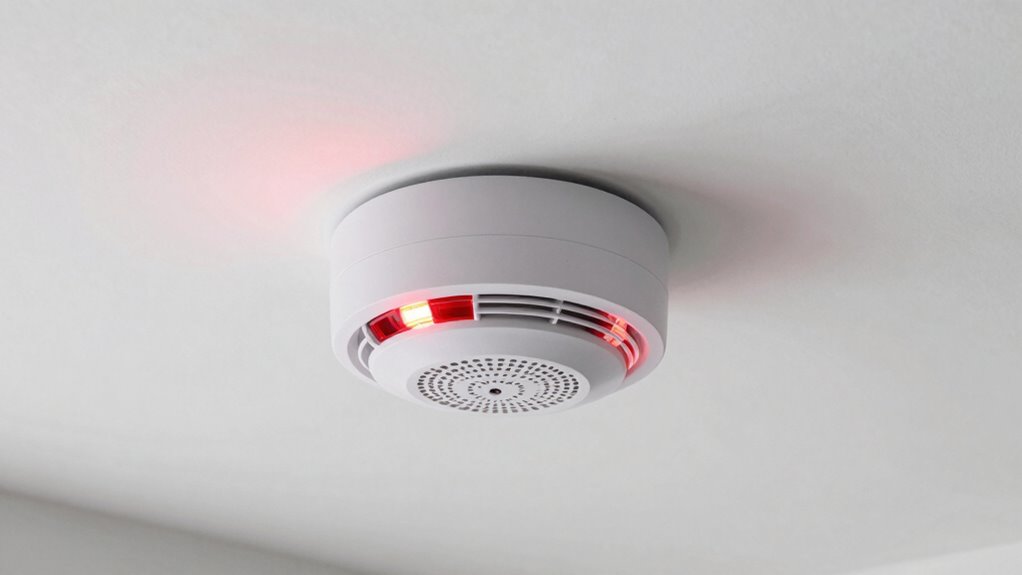
If you’re considering smoke alarms with strobes for deaf safety, you probably have questions about how well they function with hearing impairments and what features guarantee alerts are effective. You’ll also want to know where and how to install them for maximum safety. Proper installation and maintenance of these alarms is crucial to ensure they operate reliably in an emergency. To ensure reliable alerts, choosing models with trustworthy information and proper installation can greatly enhance your indoor safety.
Hearing Impairment Compatibility
For individuals with hearing impairments, traditional smoke alarms may not provide adequate warning during emergencies. If you have visual impairments or cognitive challenges, relying solely on auditory signals can be risky. Smoke alarms with strobes are designed to address these issues by flashing bright lights that grab your attention quickly. This visual alert helps you recognize the danger even if you can’t hear the alarm or process sounds easily. If you experience difficulty interpreting alarms due to visual or cognitive limitations, consider integrating additional safety features like vibrating alerts or connected notification systems. These options guarantee you receive multiple cues, increasing your safety and giving you more time to respond effectively during a fire or other emergency.
Effective Alert Features
Effective alert features in smoke alarms with strobes are essential for ensuring deaf individuals receive timely warnings during emergencies. Silent alerts, such as loud alarms paired with flashing lights, help draw attention quickly. Visual notifications are designed to be highly visible and can include strobe lights that flash brightly to catch your eye even from across a room. Some alarms also offer multi-sensory alerts, combining auditory, visual, and tactile signals for maximum effectiveness. These features make certain you’re alerted promptly without relying solely on sound. When choosing a smoke alarm with strobes, look for models that provide clear, bright visual notifications and customizable alert settings. This way, you’ll have confidence that you’re protected with effective, deaf-friendly alert features during any emergency.
Installation Considerations
Proper placement of smoke alarms with strobes is essential to guarantee deaf individuals receive alerts promptly. Follow placement guidelines carefully to maximize coverage and safety. Install alarms on every level of your home, especially near bedrooms and common areas, to ensure alerts are heard or seen immediately. Keep alarms away from kitchens and bathrooms to prevent false alarms. Check the battery life regularly, replacing batteries at least once a year, and opt for alarms with long-lasting batteries if possible. Ensure strobes are positioned where they are visible from all sleeping areas, ideally mounted on the ceiling or high on walls. Proper installation not only enhances safety but also ensures the alert system functions reliably when it matters most.
Frequently Asked Questions
How Long Do Battery-Powered Smoke Alarms With Strobes Typically Last?
Battery-powered smoke alarms with strobes typically last about 1 to 3 years, depending on the battery type and usage. You should regularly check the battery life and replace batteries at least once a year to guarantee alarm longevity. Some alarms have long-life lithium batteries that last up to 10 years, but always verify the manufacturer’s recommendations. Keeping up with these maintenance tips helps confirm your smoke alarm remains dependable and effective.
Are Smoke Alarms With Strobes Compatible With Other Home Safety Systems?
Think of your home safety system like a well-orchestrated symphony; smoke alarms with strobes often sync seamlessly if they meet interconnection standards. They’re compatible with other systems through wireless integration, ensuring alerts sound throughout your home. Many models support these features, allowing you to receive notifications on smart devices or connect with security systems. Just verify your alarms meet the proper standards for compatibility, and your home’s safety will be in harmony.
Can I Install a Smoke Alarm With a Strobe Outside My Home?
You can install a smoke alarm with a strobe outside your home, but you should consider outdoor placement carefully. Make sure it’s weatherproof and properly mounted to withstand the elements. Check local laws and regulations first, as there may be legal considerations or specific requirements for outdoor safety devices. Proper installation helps alert you and neighbors in case of fire, even from a distance or in noisy environments.
What Is the Recommended Maintenance Schedule for These Alarms?
Imagine hearing a loud alarm behind your door, alerting you to danger. To keep that feeling of safety, you should test your smoke alarm at least once a month, pressing the test button to verify it sounds and strobe works. Replace batteries annually or when the low-battery warning chirps. Regular maintenance keeps your deaf-friendly smoke alarms reliable, so you stay protected without worry.
Do Smoke Alarms With Strobes Work During Power Outages?
Yes, smoke alarms with strobes can work during power outages if they have a backup power source. You should consider power outage solutions like batteries or solar power to make certain of continuous operation. These alarms include alternative alert methods such as loud sounds and flashing lights, so you’re alerted even if the main power is out. Regularly check and replace batteries to keep your deaf-friendly smoke alarms functioning reliably during emergencies.
Conclusion
Choosing a smoke alarm with a strobe is essential for deaf and hard of hearing safety. Imagine waking up to a loud alarm, only to realize you didn’t notice the flashing strobe—until it’s too late. By selecting the right features, installing properly, and staying vigilant with testing, you can guarantee you’re protected. Don’t wait for an emergency—make your home safer today with a deaf-friendly smoke alarm that truly wakes you up.