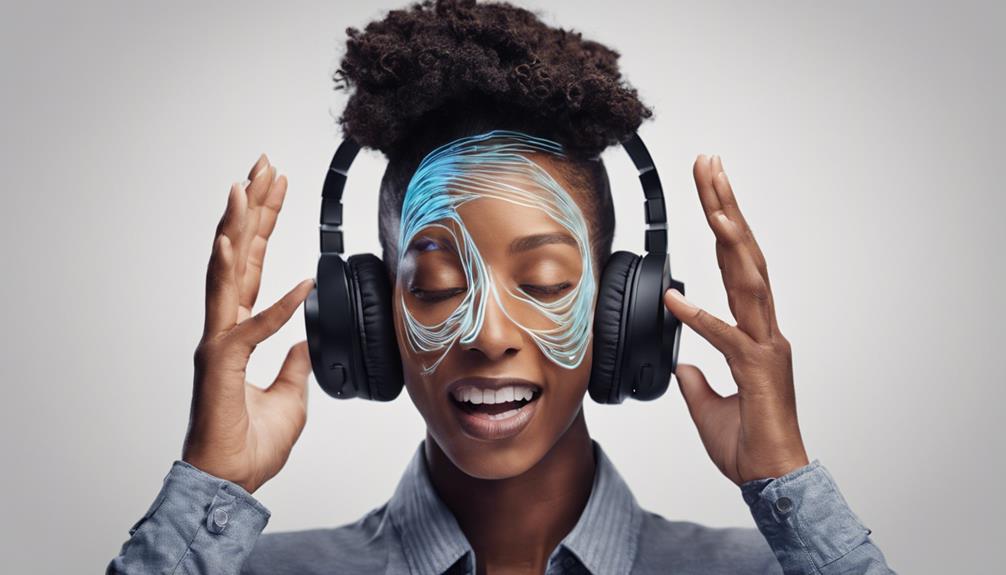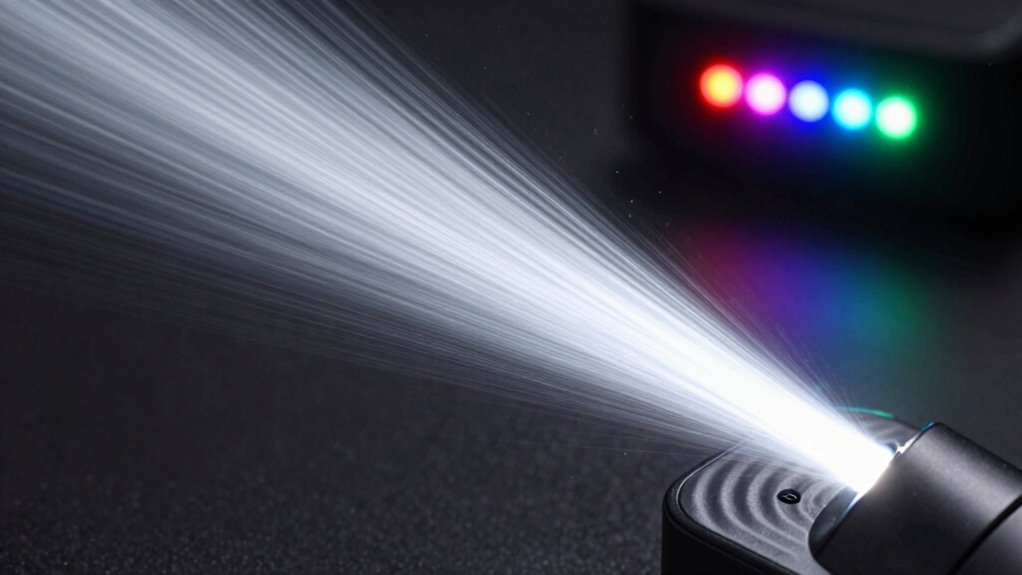
Strobe alerts, vibrations, and visual signals work together to guarantee you notice critical messages no matter your environment. The strobe lights grab your visual attention quickly, while vibrations provide a tactile cue you can feel even if you’re not looking. Visual signals like icons or colors add context, creating a layered alert system. When these signals combine, they reinforce each other for maximum effectiveness. Keep exploring to discover how you can customize and optimize this multi-sensory approach.

Get everyday helpers delivered free with Prime
- Fast, free delivery on millions of items
- Prime Video, Amazon Music and more included
- Member-only deals all year
Key Takeaways
- Multiple signals work simultaneously to ensure alerts are noticed across different environments and sensory preferences.
- Visual signals like strobe lights catch attention quickly, especially in noisy or crowded settings.
- Vibrations provide tactile cues that can be felt even when visual or auditory signals are blocked.
- Combining signals reinforces the alert message, reducing the chance of missed notifications.
- Customization of signals allows for effective communication tailored to individual needs and environmental conditions.
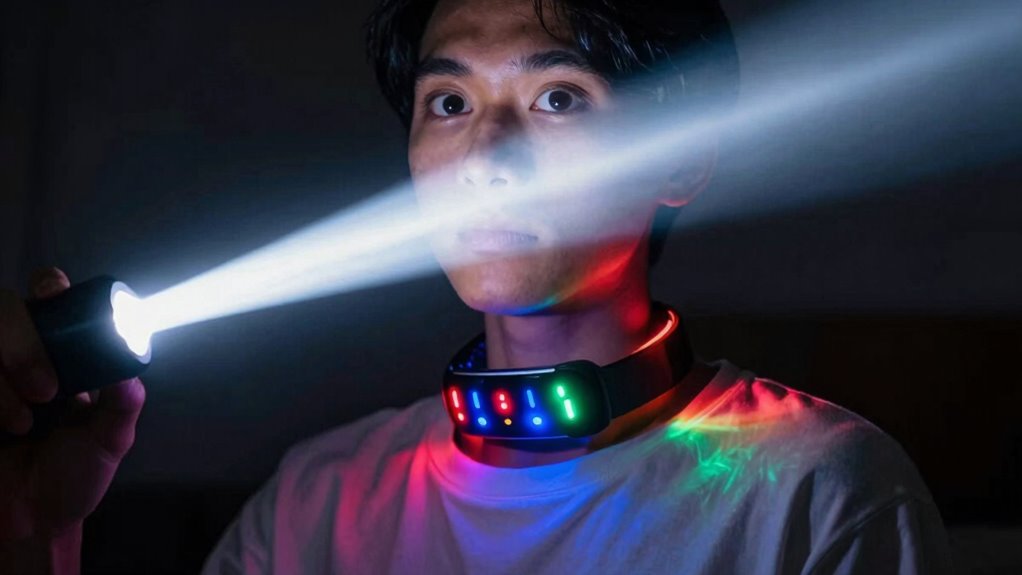
In today’s fast-paced world, staying alert to important notifications requires more than just a single alert type. You need a system that combines multiple signals to ensure you don’t miss anything crucial. That’s where the integration of strobe alerts, vibrations, and visual signals comes into play. These different alert methods work together to create a seamless experience, leveraging sensory integration to match your preferences and environment. By customizing alerts, you can tailor the system to prioritize what’s most important, reducing the likelihood of missing vital information.
Sensory integration is essential because it engages multiple senses simultaneously, making notifications more noticeable and effective. For example, a loud, flashing strobe light catches your eye quickly, even if you’re distracted or in a noisy environment. Vibrations add a tactile layer that can be felt even when your eyes are occupied or when visual cues are insufficient. Visual signals, such as flashing icons or color-coded alerts, help you quickly understand the nature and urgency of the message. When these signals work in harmony, they reinforce each other, ensuring that no alert goes unnoticed. Additionally, understanding sensory processing differences can help tailor alert systems to better suit individual needs, ensuring inclusivity and effectiveness. Recognizing individual sensory preferences also plays a vital role in creating effective alert systems tailored to each user. Incorporating sensory processing considerations into alert design can greatly improve accessibility for diverse users. A well-designed multi-sensory alert system can also contribute to improved user experience by reducing stress and enhancing clarity.
Alert customization allows you to adapt your notification system to your daily routines and specific needs. You can choose which signals to activate depending on the situation. For instance, during meetings or quiet hours, you might prefer subtle vibrations combined with visual cues instead of loud sound alerts. Conversely, when you’re outdoors or in a crowded space, a bright strobe alert paired with vibrations might be more effective. Customization also extends to the intensity, duration, and frequency of these signals, giving you control over how alerts behave and preventing overload or desensitization.
The synergy between strobe alerts, vibrations, and visual signals creates a layered approach to notifications, making sure you’re aware of what’s happening around you. This multi-sensory strategy is especially important for individuals with sensory processing differences or those in environments where one type of alert might not be enough. By fine-tuning your alert system through customization, you optimize your ability to respond promptly and appropriately, no matter your surroundings. Ultimately, integrating these alert methods ensures that your notifications are both effective and personalized, helping you stay connected and informed without unnecessary disruptions.
As an affiliate, we earn on qualifying purchases.
Frequently Asked Questions
How Do Different Environments Affect Signal Effectiveness?
Different environments substantially impact signal effectiveness. Environmental noise can drown out vibrations or audible alerts, making them less noticeable. Lighting conditions also matter; bright sunlight can wash out visual signals like strobe alerts, while dim environments make visual cues more effective. You need to take into account these factors and adjust your signals accordingly, perhaps combining visual, vibrational, and audible alerts to guarantee you’re noticed regardless of noise levels or lighting.
Can Users Customize Alert Combinations?
Yes, you can customize alert combinations based on your preferences. Most devices offer personalization options that let you choose which signals to activate, like strobe alerts, vibrations, or visual signals. You can tailor these settings to suit your environment and needs, ensuring you get noticed without unnecessary disruptions. Adjusting these preferences helps you stay informed efficiently, whether you’re in a noisy place or need discreet notifications.
What Are the Limitations of Each Signaling Method?
Each signaling method has limitations affecting signal clarity and user adaptability. Strobe alerts can be too intense or miss subtle cues in bright environments. Vibrations might be too weak or overlooked if you’re distracted. Visual signals depend on your line of sight and lighting conditions, reducing their effectiveness. Recognizing these limits helps you choose and combine signals more effectively, ensuring you stay alert and responsive across various situations.
How Do Signals Impact Individuals With Sensory Sensitivities?
You might think signals are helpful, but for those with sensory sensitivities, they can be a sensory overload nightmare, triggering intense emotional responses. Vibrations, bright strobes, and flashing visuals might seem helpful, yet they often cause discomfort or anxiety instead. Your well-intentioned alerts can backfire, overwhelming sensitive individuals and making it harder for them to focus or feel safe. Sometimes, less is truly more.
Are There Industry Standards for Integrated Alert Systems?
Yes, industry standards for integrated alert systems exist, focusing on regulatory compliance and technological interoperability. These standards guarantee that devices like strobe alerts, vibrations, and visual signals work seamlessly together, providing effective warning solutions. By adhering to these guidelines, you guarantee safety and accessibility, especially for individuals with sensory sensitivities. Standards promote consistent performance and compatibility, making your alert systems reliable and compliant with safety regulations.
Conclusion
By understanding how strobe alerts, vibrations, and visual signals work together, you can enhance your safety and awareness. When these signals synchronize, they create a thorough alert system that captures your attention, stimulates your senses, and guarantees you don’t miss important notifications. Whether you’re at home, on the road, or in a public space, embracing this multi-sensory approach keeps you informed, alert, and prepared—because safety is about more than just one signal; it’s about all signals working in harmony.
Fall Picks
fall essentials
As an affiliate, we earn on qualifying purchases.