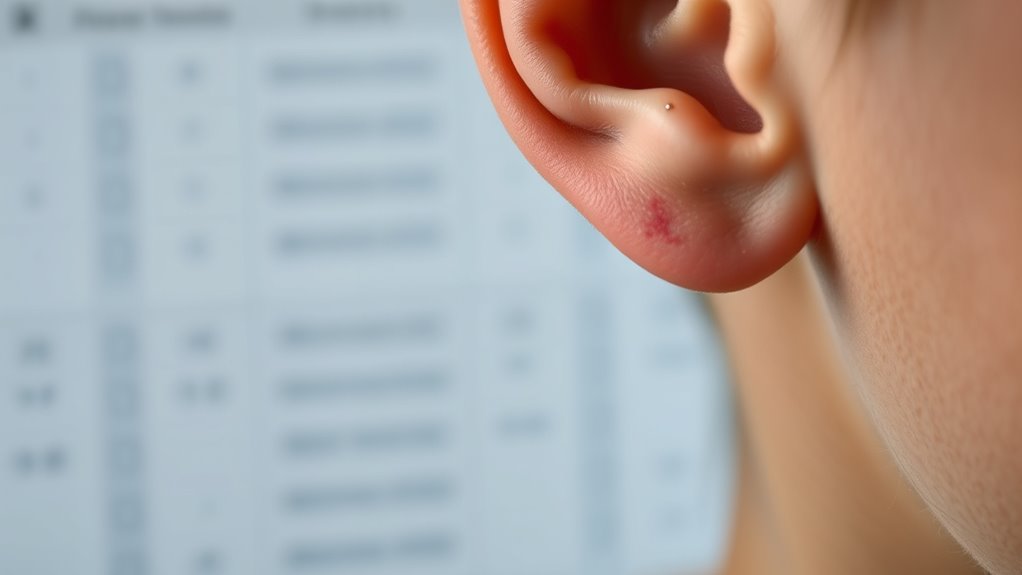

Autoimmune diseases can cause hearing loss and ringing in your ears by triggering your immune system to attack ear tissues, leading to inflammation that disrupts normal hearing functions. Factors like infections, stress, and environmental triggers can worsen this condition. To better understand how autoimmune responses affect your ears and what tests are used, continue exploring the links between autoimmune diseases and hearing health.
Key Takeaways
- Autoimmune diseases can cause hearing loss by triggering inflammation in ear tissues.
- Immune system mistakenly targets ear structures, disrupting normal auditory functions.
- Autoimmune triggers like infections and stress can initiate or worsen hearing issues.
- Hearing assessments help diagnose autoimmune-related hearing problems and differentiate loss types.
- Managing inflammation through medication and lifestyle changes can help preserve hearing health.
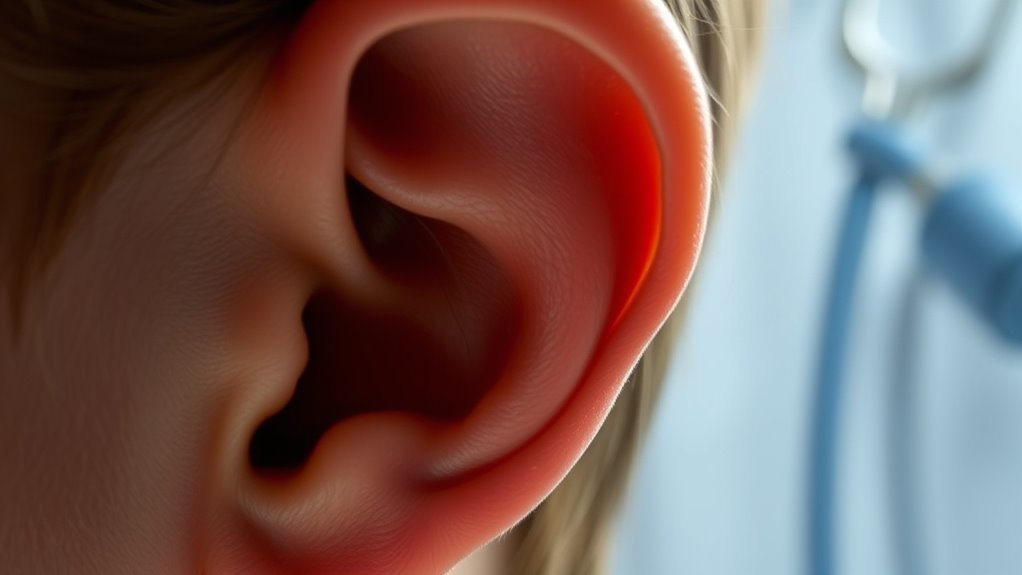
Autoimmune diseases can sometimes affect your hearing, leading to unexplained hearing loss or ringing in the ears. When your immune system mistakenly targets your own body, it can cause inflammation in various parts of your ear, disrupting normal auditory functions. This immune response is often triggered by autoimmune triggers—specific factors or conditions that activate your immune system to attack its own tissues. These triggers can include infections, stress, or environmental exposures, which may set off or worsen autoimmune activity affecting your hearing. Recognizing these triggers early can be essential in managing symptoms and preventing further damage.
Autoimmune triggers like infections and stress can cause ear inflammation and hearing issues.
To determine if your hearing issues are related to an autoimmune condition, healthcare providers rely on hearing assessment methods. These assessments are indispensable for diagnosing the extent and nature of your hearing loss. A common starting point is a pure-tone audiometry test, which measures your ability to hear different frequencies and volumes. This test helps audiologists identify whether your hearing loss is sensorineural—damage to the inner ear or auditory nerve—or conductive, involving issues with sound transmission. Additionally, speech audiometry evaluates how well you understand speech at various volumes, providing a clearer picture of your hearing capabilities.
In cases where autoimmune diseases are suspected, additional testing may be necessary. Blood tests can reveal markers of inflammation or specific autoantibodies associated with autoimmune disorders, such as lupus or rheumatoid arthritis. These tests help confirm whether your immune system’s activity might be contributing to your hearing loss. Sometimes, your doctor may recommend imaging studies like MRI or CT scans to check for inflammation or structural damage in the ear or surrounding areas.
Furthermore, understanding the diagnostic process involved in autoimmune-related hearing loss can aid in timely intervention and treatment planning. Understanding the connection between autoimmune triggers and hearing health empowers you to take proactive steps. Managing autoimmune disease activity through medication or lifestyle changes can sometimes reduce inflammation and protect your hearing. Regular hearing assessments become part of your ongoing health monitoring, especially if you have an existing autoimmune condition. Early detection of hearing problems allows for prompt intervention, which could include hearing aids, corticosteroids, or other treatments aimed at reducing inflammation and preserving hearing function.
Ultimately, staying informed about how autoimmune triggers affect your hearing and utilizing appropriate hearing assessment methods can make a significant difference. It helps you and your healthcare team develop a tailored approach to protect your hearing health and improve your quality of life. Recognizing the signs early and seeking professional evaluation is critical to ensure you’re doing everything you can to maintain your auditory well-being despite the challenges posed by autoimmune diseases.
Frequently Asked Questions
Can Autoimmune Diseases Cause Sudden Hearing Loss?
Sudden hearing loss can happen unexpectedly, and autoimmune triggers might be a cause. Your immune system could mistakenly attack the inner ear, leading to rapid hearing loss. To protect yourself, make certain you practice hearing protection in noisy environments and seek prompt medical attention if you notice sudden changes. While autoimmune diseases can be linked, early diagnosis and treatment are vital to preserving your hearing and overall health.
Are There Specific Autoimmune Disorders More Associated With Hearing Impairment?
You might wonder if some autoimmune disorders are more linked to hearing impairment. Certain autoimmune disorder prevalence, like in rheumatoid arthritis or lupus, shows a stronger connection to hearing loss. These conditions affect hearing loss mechanisms by inflaming inner ear structures or nerves. As a result, you could experience more frequent or severe hearing issues if you have these specific autoimmune disorders. Recognizing these links helps in early intervention and management.
How Is Autoimmune-Related Hearing Loss Diagnosed?
Did you know that around 30% of autoimmune-related hearing loss cases are initially misdiagnosed? To diagnose it, your doctor will check for autoimmune markers through blood tests and perform audiometric testing to evaluate your hearing ability. This combination helps determine if your hearing loss is linked to an autoimmune response, guiding appropriate treatment. Early diagnosis is essential to prevent further deterioration and improve your hearing health.
Can Autoimmune Diseases Be Prevented From Affecting Hearing?
You can’t always prevent autoimmune diseases from affecting your hearing, but understanding your genetic predisposition and avoiding environmental triggers can help reduce risks. Stay proactive by managing stress, avoiding toxins, and maintaining a healthy lifestyle. Regular check-ups allow early detection if symptoms appear. While you can’t completely prevent autoimmune issues, these steps give you a better chance to protect your hearing and overall health.
What Treatments Are Effective for Autoimmune-Related Hearing Loss?
When tackling autoimmune-related hearing loss, you should consider treatments like immune suppression and corticosteroid therapy. These approaches help reduce inflammation and immune system activity that damage your hearing. Corticosteroids are often prescribed initially to improve hearing outcomes, while immune suppression medications may be used for ongoing management. Talk with your healthcare provider to develop a tailored plan, and early intervention is key to preserving your hearing health.
Conclusion
Understanding the link between autoimmune diseases and hearing loss is like uncovering a hidden river beneath the surface—sometimes silent, but capable of carving deep emotional channels. By staying vigilant and seeking early treatment, you can navigate these waters more safely. Remember, your awareness is the lighthouse guiding you through potential storms. Protect your hearing health now, and let knowledge be the anchor that keeps you steady amid life’s unpredictable currents.