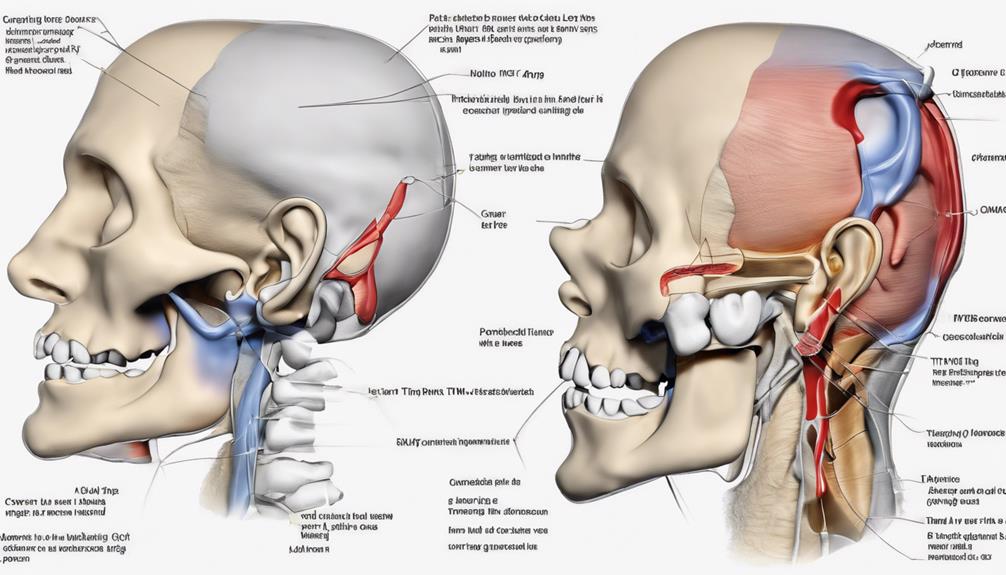

We were shocked to find out that as many as 60% of individuals with TMJ disorder are affected by symptoms of hearing loss.

Get everyday helpers delivered free with Prime
- Fast, free delivery on millions of items
- Prime Video, Amazon Music and more included
- Member-only deals all year
This intricate connection between TMJ and hearing loss is a fascinating area that warrants exploration. Understanding how issues in the jaw joint can impact our ability to hear opens up a realm of considerations beyond what meets the eye.
Join us as we unravel the complex relationship between TMJ and hearing, shedding light on potential consequences and avenues for management.
Key Takeaways
- TMJ disorder can lead to hearing impairment through middle ear dysfunction.
- Symptoms of TMJ-related hearing loss include ear fullness, tinnitus, and reduced sensitivity.
- Diagnosis involves evaluating jaw joints, muscles, and using imaging tests.
- Management includes oral appliances, pain relief, and Platelet Rich Plasma injections for inflammation.
As an affiliate, we earn on qualifying purchases.
Understanding TMJ and Hearing Loss
Indisputably, the intricate relationship between temporomandibular joint (TMJ) dysfunction and hearing loss demands a comprehensive understanding rooted in the intricate anatomy and physiological interplay between these two systems.
When the TMJ is affected by inflammation and swelling, commonly seen in TMJ disorder, the adjacent structures, including the middle ear, can be impacted. This can manifest as ear-related symptoms such as ear fullness, tinnitus, and reduced hearing sensitivity. The proximity of the TMJ to the middle ear is crucial; any disturbances in the TMJ can potentially disrupt the delicate mechanisms involved in sound transmission.
Furthermore, nerve compression resulting from jaw misalignment due to TMJ disorder can interfere with the transmission of auditory signals, leading to additional challenges in hearing. It's essential to recognize that seeking timely evaluation from specialists like audiologists is paramount in diagnosing and effectively addressing TMJ-related hearing issues.
Understanding how TMJ complications can cause hearing loss is fundamental in providing comprehensive care for individuals experiencing these interconnected health concerns.
Mechanisms of TMJ-Related Hearing Issues

The mechanisms underlying TMJ-related hearing issues involve the intricate interplay between inflammation affecting middle ear structures and nerve compression due to jaw misalignment.
Inflammation in the TMJ region can extend to the surrounding areas, impacting the delicate middle ear components responsible for sound transmission. This inflammation may lead to impaired sound conduction, affecting the overall function of the auditory system.
Moreover, jaw misalignment can compress nerves that are crucial for proper hearing, disrupting neural pathways associated with auditory perception.
Additionally, TMJ disorder can influence the function of the eustachian tubes, causing pressure imbalances that further impede normal hearing processes.
These combined effects highlight the complex relationship between TMJ-related hearing loss and the various physiological factors involved in maintaining optimal auditory function. Understanding these mechanisms is crucial for effectively diagnosing and managing TMJ-related hearing issues to improve patient outcomes and quality of life.
Symptoms and Diagnosis of TMJ-Related Hearing Loss
Symptoms indicative of TMJ-related hearing loss encompass a range of auditory disturbances, often manifesting as ear fullness or pressure, tinnitus, reduced hearing sensitivity, ear pain, and muffled or distorted auditory perception. These symptoms can significantly affect your hearing and quality of life. To diagnose TMJ disorder symptoms that cause hearing issues, healthcare providers conduct a thorough evaluation. They may examine the jaw joints, muscles, and bite, as well as inquire about any associated symptoms like jaw pain or clicking sounds. Additionally, imaging tests such as MRIs or CT scans might be utilized to assess the extent of TMJ involvement. Here is a table summarizing common symptoms of TMJ-related hearing loss:
| Symptom | Description | Importance |
|---|---|---|
| Ear Fullness/Pressure | Sensation of fullness or pressure in the ears | Indicates TMJ impact |
| Tinnitus | Ringing or buzzing sounds in the ears | Linked to TMJ issues |
| Reduced Hearing Sensitivity | Decreased ability to hear sounds | Associated with TMJ |
| Ear Pain | Discomfort or pain in the ears | Can signal TMJ problems |
Properly diagnosing and understanding these symptoms is crucial for effective management of TMJ-induced hearing problems.
Treatment Options for TMJ-Induced Hearing Problems

Properly addressing TMJ-induced hearing problems involves a multifaceted treatment approach that includes oral appliances, pain management strategies, and potentially innovative treatments like Platelet Rich Plasma injections. When dealing with TMJ disorder and its impact on hearing, it's essential to consult with a healthcare provider specializing in joint disorders and hearing health.
Here are some key treatment options for TMJ-induced hearing problems:
- Oral Appliances: Dental splints or mouthguards can help alleviate symptoms by repositioning the jaw and reducing pressure on the joint.
- Pain Management: Nonsteroidal anti-inflammatory drugs (NSAIDs) or muscle relaxants may be prescribed to manage pain and discomfort associated with TMJ disorders.
- Platelet Rich Plasma (PRP) Injections: This emerging therapy involves injecting concentrated platelets into the affected area to promote healing and reduce inflammation in the muscles and joints.
Seeking prompt medical evaluation and considering these treatment options can aid in addressing TMJ-induced hearing problems effectively, ensuring better outcomes for overall health and well-being.
Prevention Strategies for TMJ-Linked Hearing Loss
How can individuals effectively prevent TMJ-linked hearing loss through proactive measures and lifestyle adjustments? To mitigate the risk of hearing loss associated with TMJ disorders primarily, it is crucial to address the root causes and symptoms of Temporomandibular Joint Disorders. Implementing relaxation exercises can help alleviate jaw discomfort and reduce the potential damage caused to the auditory system.
| Prevention Strategies | Description |
|---|---|
| Regular Dental Check-ups | Early detection of TMJ issues can prevent exacerbation of hearing problems. |
| Stress Management Techniques | Reducing jaw tension through stress management can lower the risk of TMJ-related hearing loss. |
| Avoid Excessive Jaw Movements | Refraining from activities like teeth grinding and chewing hard objects can prevent strain on the TMJ joint. |
| Maintain Good Posture | Proper posture can alleviate pressure on the jaw joint, decreasing the likelihood of developing TMJ-related hearing issues. |
Frequently Asked Questions
How Does TMJ Cause Hearing Loss?
We can explain how TMJ causes hearing loss by understanding the inflammation and pressure effects near the ear. The swelling and pressure from TMJ can disturb nerves and muscles linked to hearing.
Additionally, blocked Eustachian tubes due to TMJ can lead to issues like tinnitus and hearing impairment. Altered pressure equilibrium and fluid drainage problems in the middle ear due to TMJ may also contribute significantly to hearing difficulties.
How Do You Unblock Your Ear From Tmj?
When dealing with ear blockage from TMJ, we can start by performing jaw exercises and using warm compresses to relieve pressure. Seeking advice from a healthcare provider for specialized techniques like ear canal massage can also help.
Relaxation techniques and stress management play a vital role in reducing tension that contributes to ear blockage. Professional treatments such as physical therapy or acupuncture may be considered for effective management of TMJ-related ear blockage.
Can TMJ Cause Pressure in the Ears?
Yes, TMJ can cause pressure in the ears.
The inflammation and swelling near the jaw joint can lead to pressure changes affecting ear function.
This proximity to the middle ear can result in discomfort, fullness, or a blocked sensation.
Eustachian tube dysfunction from TMJ may also contribute to ear pressure and balance issues.
Addressing TMJ symptoms promptly can help alleviate pressure in the ears and prevent potential hearing problems.
Is TMJ a Lifelong Condition?
Yes, TMJ can be a lifelong condition. While symptoms may fluctuate, the underlying issue often persists. Effective management strategies, including lifestyle changes and professional treatments, can help alleviate symptoms over time.
Regular monitoring and care are essential for individuals dealing with TMJ long-term. It's crucial to find ways to manage the condition to improve quality of life and minimize its impact on daily activities.
Could Sudden Hearing Loss in One Ear be Related to TMJ?
Experiencing sudden hearing loss in one ear can cause panic for many people. This condition could potentially be related to TMJ, a disorder affecting the jaw joint. While not always the cause, it’s essential to consult a medical professional to determine the underlying issue and seek appropriate treatment.
Conclusion
In conclusion, the intricate relationship between TMJ and hearing loss highlights the importance of early detection and comprehensive management.
Just as the delicate balance of the jaw joint impacts our ability to hear, so too must we strive to maintain harmony in our overall health.
Through collaboration between healthcare providers and audiologists, we can work towards addressing TMJ-induced hearing issues with precision and care, ensuring a symphony of well-being for those affected.
Fall Picks
fall essentials
As an affiliate, we earn on qualifying purchases.