
Gender differences in hearing thresholds are noticeable, with men often experiencing earlier and faster hearing loss than women. Biological factors, such as inner ear structure, and hormonal changes like estrogen’s protective effects, influence these differences. Lifestyle and occupational noise exposure also play roles, especially for men engaged in loud activities. If you want to understand how these factors affect hearing over time and what you can do about it, there’s more to explore ahead.
Key Takeaways
- Men generally experience earlier and more rapid hearing decline, especially in high frequencies, compared to women.
- Hormonal differences, like estrogen and testosterone levels, influence gender-specific hearing sensitivity and loss patterns.
- Men are more exposed to noise-heavy environments and hobbies, increasing their risk of noise-induced hearing loss.
- Women tend to maintain better hearing thresholds into older age due to biological and lifestyle factors.
- Use of protective hearing equipment and cultural behaviors contribute to gender disparities in hearing threshold deterioration.

Peltor Sport Tri-Flange Corded Reusable Earplugs, 3 Pair, Noise Reduction Rating (NRR) 26 dB, Comfortable Fit, Ideal For Range, Shooting & Hunting, Washable and Corded, Neon Yellow (97317-10C)
26 dB Noise Reduction Rating (NRR)
As an affiliate, we earn on qualifying purchases.
As an affiliate, we earn on qualifying purchases.
Biological Factors Influencing Hearing Sensitivity

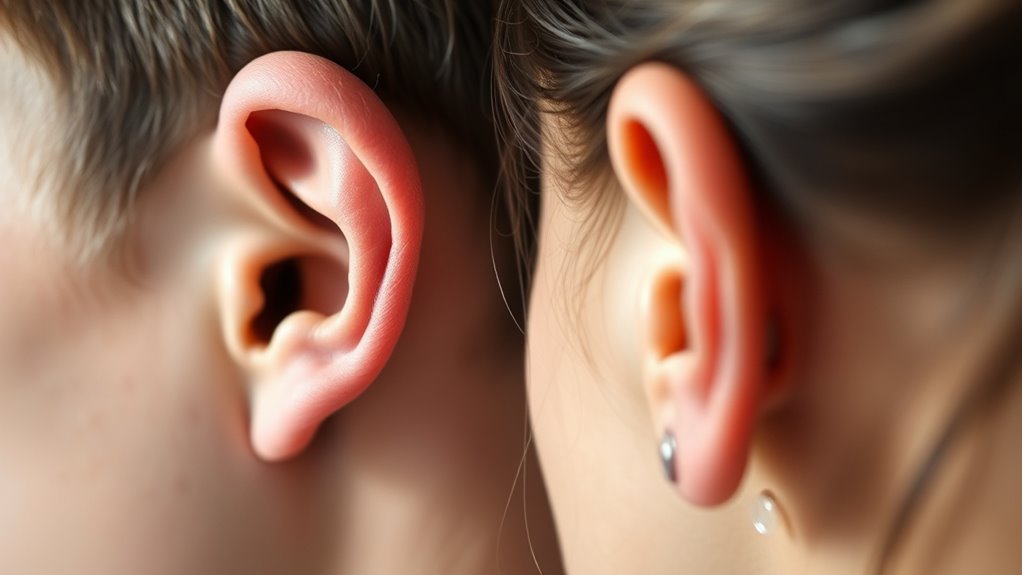
Biological factors play a significant role in shaping hearing sensitivity, and these factors often differ between men and women. Your genetic predispositions influence how your auditory system develops and functions, impacting your hearing thresholds. Men generally have a higher prevalence of genetic traits that make them more susceptible to hearing loss, especially with age or noise exposure. Additionally, differences in inner ear anatomy, such as cochlear size and hair cell density, can affect how sound signals are processed. Men’s inner ears tend to be structured differently, which may contribute to variations in hearing sensitivity. These biological distinctions establish a foundation for understanding gender differences in hearing health, emphasizing the importance of considering genetics and anatomy when evaluating hearing capabilities. Furthermore, high-frequency hearing loss tends to be more common among men, highlighting the influence of biological factors on hearing decline.

Hearing Aid Battery Tester Battery Storage Case (Blue)
If we take the battery out , the voltage would be rebound . Please note , the rebound…
As an affiliate, we earn on qualifying purchases.
As an affiliate, we earn on qualifying purchases.
Age-Related Trends in Hearing Thresholds by Gender
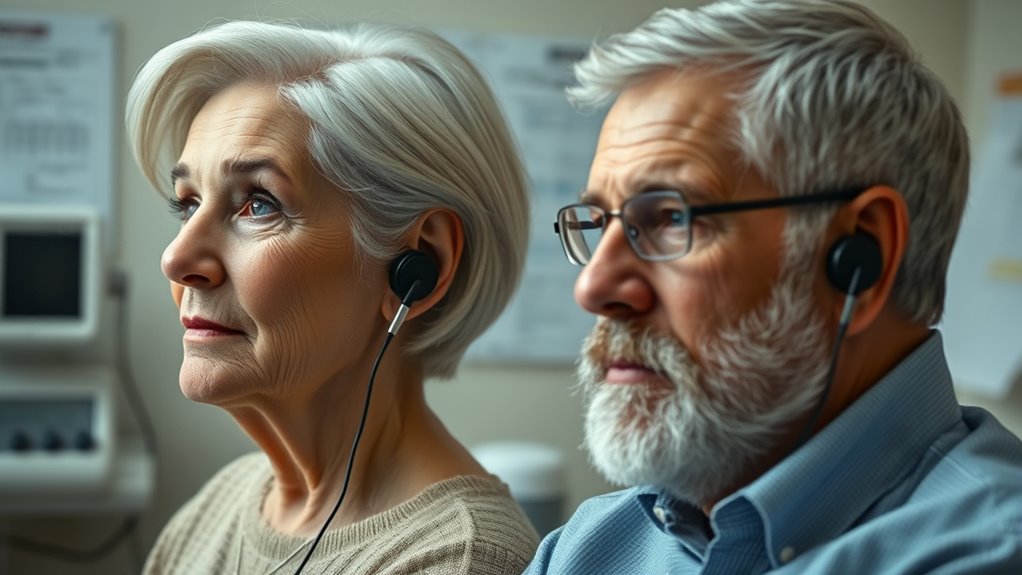
As people age, their hearing thresholds tend to increase, but the rate and pattern of decline often differ between men and women. You might notice that men generally experience earlier and more rapid declines, influenced by genetic predispositions and cultural influences. These factors shape age-related trends in hearing loss:
- Men often show significant threshold increases in their 40s and 50s.
- Women tend to maintain better hearing into older age.
- Cultural behaviors, like noise exposure, accelerate decline more in men.
- Genetic predispositions can predispose men to earlier deterioration.
Understanding these differences helps you recognize that age-related hearing loss isn’t uniform; gender-specific patterns emerge due to complex biological and cultural factors.

Noise Cancelling Headphones for Kids, Kids Ear Protection 28dB SNR Noise Reduction Ear Muffs for 3-12 Years Toddler/Children, Noise Cancelling Headphones Hearing Protection For Fireworks/Monster Truck
🦊【Outstanding Noise Cancelling Performance】The Kids Noise Cancelling Sensory Earmuffs boast an exceptional SNR (Signal-to-Noise Ratio) rating of 28dB….
As an affiliate, we earn on qualifying purchases.
As an affiliate, we earn on qualifying purchases.
The Impact of Hormonal Changes on Auditory Function
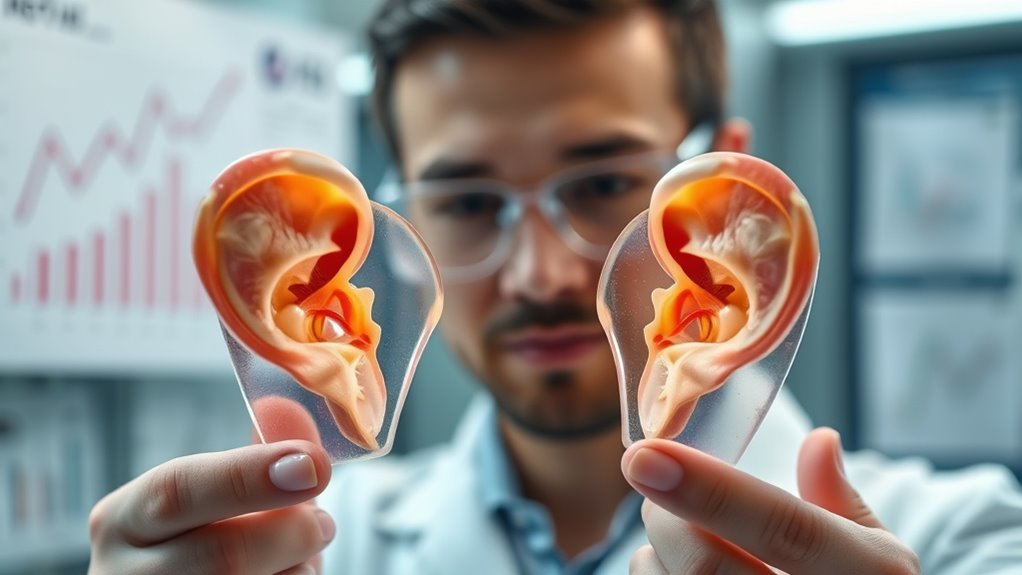
Hormonal changes can considerably influence your hearing health, with estrogen offering some protective benefits and testosterone possibly increasing the risk of hearing loss. As hormone levels fluctuate over time, they can alter auditory function and contribute to gender differences in hearing thresholds. Understanding these effects helps explain why hearing sensitivity may change across different life stages.
Estrogen’s Protective Role
Estrogen plays an essential role in maintaining auditory health by supporting cochlear function and protecting inner ear structures. Its hormonal influence helps preserve hearing sensitivity, especially in women. However, genetic predisposition can modulate how estrogen benefits your hearing. Here are four key points:
- Estrogen enhances blood flow to the cochlea, reducing damage risk.
- It promotes the survival of hair cells crucial for sound transduction.
- Fluctuations in estrogen levels can influence hearing thresholds over time.
- Genetic factors may determine the extent of estrogen’s protective effects among individuals.
- Proper plant watering techniques can also influence overall plant health and resilience, just as hormonal influences impact auditory function.
Understanding this interaction helps explain gender differences in hearing thresholds and highlights estrogen’s protective role in auditory health.
Testosterone and Hearing Loss
Testosterone levels can markedly influence auditory health, with fluctuations often linked to changes in hearing ability. Higher testosterone levels have been associated with increased risk of hearing loss, especially in men. Genetic predispositions may make some individuals more susceptible to hearing decline related to hormonal influences. Cultural influences also play a role, as societal norms can affect exposure to noise or access to hearing health resources, impacting outcomes. Research suggests that testosterone might affect cochlear blood flow or neural function, contributing to hearing deterioration. While some studies show a protective effect in certain contexts, overall, elevated testosterone appears linked to a higher risk of hearing impairment. Additionally, vetted product reviews can provide insights into hearing protection devices and health resources. Understanding these factors helps clarify how hormonal and genetic factors, shaped by cultural influences, contribute to gender differences in hearing loss.
Hormonal Fluctuations Over Time
As hormone levels fluctuate throughout life, these changes can markedly impact your auditory health. Hormonal fluctuations influence hearing in ways that exhibit gender-specific variations. During different life stages, such as puberty, pregnancy, menopause, or andropause, your auditory system responds uniquely.
Consider these key points:
- Hormonal shifts can cause temporary hearing sensitivity changes.
- Estrogen fluctuations may protect or impair auditory function.
- Testosterone levels influence the resilience of hearing thresholds.
- Gender-specific variations mean men and women experience these effects differently.
Understanding these dynamics helps explain why hearing thresholds change over time and differ between genders. Recognizing the role of hormonal fluctuations enables better management of age-related or hormone-related hearing issues.
Additionally, hormonal fluctuations can impact the blood flow to the inner ear, further affecting auditory health.

3-Pack Hearing Aid Clips to Prevent Loss, Hearing Aid Lanyard for Seniors, Retainer/Holder — Dual‑Ear Tether, Black/Gray/Red, Secure Alligator Clip, Compatible with Multiple Models
Anti-Loss Protection For Daily Wear|Includes 3 hearing aid clips to prevent loss with a sturdy safety clip and…
As an affiliate, we earn on qualifying purchases.
As an affiliate, we earn on qualifying purchases.
Occupational and Environmental Exposures and Gender Disparities

You may notice that men and women often face different exposure patterns at work and in the environment, which can impact hearing health. Additionally, the use of protective equipment varies by gender, influencing vulnerability to noise-induced hearing loss. Recognizing these disparities helps highlight how occupational noise sensitivity differs between genders and affects hearing thresholds. Incorporating multi-functional furniture and vertical storage solutions can also help create a more organized environment that reduces noise disruptions and promotes better hearing health.
Exposure Patterns by Gender
Gender differences in hearing thresholds are often influenced by distinct exposure patterns to occupational and environmental noise. Your social habits and recreational activities play a significant role in these disparities. For example:
- Men may participate more in loud recreational activities like concerts or shooting sports.
- Women often engage in quieter social settings, reducing noise exposure.
- Occupational roles can differ, with men more likely to work in noisy industries.
- Environmental noise exposure varies based on lifestyle and community environments.
These patterns contribute to differences in hearing health. Recognizing how gender-specific social habits and recreational choices impact noise exposure helps explain disparities in hearing thresholds. Understanding these behaviors allows for targeted strategies to reduce risk and promote hearing health across genders.
Protective Equipment Usage
Protective equipment usage plays a essential role in mitigating hearing loss from occupational and environmental noise exposures, yet its adoption often varies between genders. Men are more likely to neglect ear protection, increasing their risk of noise-induced hearing loss. Women, on the other hand, may be more receptive to hearing aids later in life, partly due to better protective behaviors. Proper use of hearing protection not only reduces damage but also preserves sound localization abilities, which are critical for safety and communication. When hearing loss occurs, individuals often rely on hearing aids to improve hearing clarity. However, inconsistent protective equipment use can accelerate deterioration, making hearing aids less effective over time. Addressing gender disparities in protective equipment use is essential for reducing long-term hearing health disparities.
Occupational Noise Sensitivity
Why do individuals respond differently to occupational and environmental noise exposures? Your susceptibility to noise induced damage varies due to factors like genetics, exposure duration, and gender. Recognizing these differences is key to effective hearing conservation. Consider these points:
- Biological differences influence noise sensitivity between men and women.
- Gender-specific responses may affect the risk of noise induced damage.
- Personal behaviors and protective equipment use impact hearing health.
- Tailoring hearing conservation programs can reduce disparities and improve outcomes.
Understanding occupational noise sensitivity helps you identify at-risk groups and implement targeted measures. Addressing these gender disparities ensures better protection against noise induced damage and promotes long-term hearing health. By acknowledging individual differences, you can enhance hearing conservation efforts and minimize occupational hearing loss.
Differences in Hearing Loss Progression Between Men and Women

Research shows that hearing loss tends to progress differently in men and women, with men often experiencing a faster decline over time. Genetic predispositions play a role, as men may inherit genes that make their auditory systems more vulnerable to damage. Cultural influences also matter; men are more likely to work in noisy environments or engage in activities that accelerate hearing loss, such as loud hobbies. These factors contribute to the differing rates of deterioration between genders. While biological factors are significant, lifestyle choices shaped by cultural norms further influence progression. Understanding these differences helps you recognize the importance of early intervention and personalized prevention strategies based on your gender and cultural background. Genetic predispositions can significantly influence the rate of hearing deterioration and highlight the importance of tailored approaches to hearing health.
Implications for Audiological Assessment and Treatment

Understanding how hearing loss progresses differently between men and women informs how audiologists approach assessment and treatment. Recognizing genetic predispositions helps tailor early detection efforts, while cultural influences shape patients’ attitudes toward hearing health. To optimize care, consider these factors: 1. Evaluate family history to identify genetic risks affecting treatment plans. 2. Incorporate cultural sensitivities to improve patient engagement and compliance. 3. Customize audiometric testing based on gender-specific hearing threshold patterns. 4. Educate patients on gender-related differences to promote proactive hearing health behaviors. Additionally, awareness of digital literacy programs can support seniors in understanding and managing their hearing health effectively.
Policy and Prevention Strategies Addressing Gender-Specific Hearing Health

Effective policy and prevention strategies must account for gender-specific differences in hearing health to be truly effective. Recognizing gender bias and hearing stereotypes is essential in designing tailored interventions. You should guarantee that public health campaigns address misconceptions that men or women are less vulnerable, which can hinder early detection and treatment. Policies need to promote gender-sensitive screening programs, encouraging both men and women to seek audiological evaluations without bias. Additionally, workplace regulations must consider gender-related exposure risks and promote protective measures equally. By challenging stereotypes that might delay hearing health awareness in one gender, you can help foster equitable access to preventive care. Addressing gender bias in policies strengthens hearing health outcomes for everyone.
Frequently Asked Questions
How Do Cultural Factors Influence Gender Differences in Hearing Health?
Cultural factors play a big role in shaping gender differences in hearing health. You might notice that cultural norms and societal expectations influence how men and women seek care or report hearing issues. For example, some cultures discourage women from speaking up about health problems, leading to delayed diagnosis. These societal influences affect awareness, prevention, and treatment, ultimately impacting hearing health outcomes based on gender.
Are There Genetic Predispositions Affecting Hearing Thresholds Differently in Men and Women?
You might find it interesting that studies show men often have higher hearing thresholds than women, suggesting genetic markers and hormonal influences play roles. These genetic markers can predispose men to hearing loss, while hormonal influences, like estrogen, may protect women’s hearing. So, genetic predispositions affect hearing differently in men and women, shaping how each gender experiences hearing health over time.
How Does Socioeconomic Status Impact Gender Disparities in Hearing Loss?
Socioeconomic status influences gender disparities in hearing loss by affecting your exposure to occupational noise and access to healthcare. If you’re in a lower socioeconomic group, you’re more likely to work in noisy environments without proper protection and face barriers to timely hearing healthcare. These factors can accelerate hearing decline, especially for women in high-risk jobs, widening the gender gap in hearing health. Addressing these disparities requires improved workplace protections and healthcare access.
What Role Do Lifestyle Choices Play in Gender-Specific Hearing Deterioration?
You should consider how lifestyle choices contribute to hearing deterioration. Your dietary habits, like high salt or sugar intake, can impact ear health. Additionally, noise exposure from loud environments or personal devices accelerates hearing loss. These factors affect everyone differently, but women and men may experience varying impacts based on their typical activities. Making healthier choices, such as reducing noise exposure and eating balanced diets, can help protect your hearing over time.
Do Psychological Factors Affect Hearing Perception and Reporting Between Genders?
Imagine your mind as a delicate filter, shaping how you perceive sounds. Psychological perception influences what you hear and how loudly you report it, with subconscious reporting biases often coloring the story. You might notice differences between genders, but these aren’t just physical—they’re shaped by internal beliefs and emotions. Your mind’s lens can distort, amplify, or diminish what you perceive, affecting both your experience and your reporting of hearing.
Conclusion
Understanding gender differences in hearing thresholds helps you recognize risks and tailor treatments. Biological biases, hormonal hormones, and environmental exposures all contribute to these disparities. By embracing evidence, you can better bolster your hearing health through targeted testing and timely intervention. Addressing these gender gaps empowers you to pursue proactive policies and personalized practices. Ultimately, awareness and action align to advance auditory accuracy, affording fair, focused, and future-focused hearing health for everyone.