
Hidden hearing loss occurs when your audiogram shows normal results, but you still struggle to understand speech in noisy environments. This happens because damage to the nerve connections in your inner ear isn’t detected by standard tests. To find out if you have it, specialized assessments like speech-in-noise tests are needed. If you’re curious about how these difficulties develop and what options you have, there’s more to explore below.
Key Takeaways
- Standard audiograms often appear normal despite underlying synaptic damage causing hidden hearing loss.
- Specialized tests like speech-in-noise assessments are essential to detect auditory processing issues.
- Hidden hearing loss involves damage to hair cell synapses, impairing sound interpretation rather than detection.
- Symptoms include difficulty understanding speech in noisy environments and tinnitus, despite normal hearing thresholds.
- Accurate diagnosis requires advanced auditory processing evaluations beyond routine audiometry.

Many people experience difficulty understanding conversations or pinpointing sounds, yet standard hearing tests show no apparent loss. This phenomenon often points to a condition known as hidden hearing loss, which traditional audiograms can’t detect. While your hearing might seem normal on a basic test, you could still be struggling with auditory processing issues that affect how your brain interprets sounds. This type of hearing difficulty is subtle but impactful, especially in noisy environments, where distinguishing speech becomes challenging.
Hidden hearing loss primarily involves damage to the synapses connecting hair cells in your inner ear to the auditory nerve. These tiny connections can deteriorate due to noise exposure, aging, or other factors, without affecting the threshold levels measured during routine audiometry. As a result, your ears might pick up sounds fine, but your brain doesn’t receive or process these signals correctly. This disconnect can lead to problems understanding speech amid background noise or even to symptoms like tinnitus. Managing tinnitus becomes an important part of addressing these auditory processing challenges, as it often coexists with hidden hearing loss and can worsen the perception of sounds or ringing.
Auditory processing is the key to understanding and making sense of the sounds your ears detect. When synaptic connections weaken or get damaged, your brain struggles to interpret complex sounds, making conversations seem muffled or unclear. You might find yourself asking others to repeat themselves or feeling exhausted after social situations that involve lots of listening. Unlike typical hearing loss, which involves the inability to detect soft sounds, hidden hearing loss involves a breakdown in how those sounds are transmitted and processed. This emphasizes the importance of specialized testing beyond standard audiograms, such as speech-in-noise tests and auditory processing evaluations, which can better identify these issues.
Addressing hidden hearing loss requires tailored strategies. Besides hearing aids, which may not always be necessary, auditory training programs can help improve your brain’s ability to process sounds. Tinnitus management techniques can reduce the distress caused by ringing or buzzing, making it easier to focus on speech. Understanding that your difficulty isn’t just about volume but about how your brain interprets sounds is essential. By seeking out advanced assessments and working with audiologists familiar with auditory processing disorders, you can develop a personalized plan to enhance your hearing experience. Recognizing and addressing hidden hearing loss is essential for improving communication and quality of life, even when traditional tests suggest your hearing is “normal.” Auditory processing is a crucial component in understanding these subtle auditory issues.

Audiologist Choice Hearing Aid Activair Battery Tester with Separate Size Slots for Each Type of Battery
Purchase includes: 1 Activair Battery Tester
As an affiliate, we earn on qualifying purchases.
As an affiliate, we earn on qualifying purchases.
Frequently Asked Questions
Can Hidden Hearing Loss Improve Over Time Without Intervention?
You might wonder if hidden hearing loss can improve over time without intervention. While some neural regeneration could happen naturally, it’s unlikely significant recovery occurs without effort. Auditory training can help strengthen your auditory pathways, potentially improving your hearing clarity. However, consulting a professional is essential, as they can recommend tailored strategies to support your hearing health and maximize any natural improvements, even if spontaneous recovery is limited.
Are There Specific Activities That Worsen Hidden Hearing Loss?
Ever wonder if certain activities could make hidden hearing loss worse? You should be cautious, especially with loud environments or noisy hobbies. These can strain your auditory system, possibly worsening tinnitus or hindering recovery. To protect yourself, focus on tinnitus management and auditory training, which can help strengthen your hearing health. Avoid situations that expose you to excessive noise, and consult professionals for personalized strategies to prevent further damage.
How Does Hidden Hearing Loss Affect Speech Comprehension in Noise?
You might notice that speech comprehension in noise becomes challenging because hidden hearing loss affects your auditory processing. It hampers how your brain interprets sounds, especially in noisy environments, leading to increased neural fatigue. Over time, this strain makes it harder to follow conversations, even if your audiogram appears normal. Recognizing these difficulties can help you seek targeted strategies or hearing support to improve your listening experience.
Is Hidden Hearing Loss More Common in Certain Age Groups?
You might wonder if hidden hearing loss is more common in specific age groups. It tends to be linked to age-related hearing changes and exposure to occupational noise, which can damage inner ear structures even when audiograms appear normal. Younger adults with high noise exposure are also at risk. Recognizing these factors helps you understand that hidden hearing loss can affect anyone, especially those with ongoing noise exposure or age-related hearing issues.
What Are Emerging Treatments or Therapies for Hidden Hearing Loss?
Emerging therapies focus on hearing regeneration, aiming to restore lost hair cells in your inner ear. Researchers are exploring stem cell treatments and gene therapy, which show promise for reversing damage that traditional hearing aids can’t fix. These innovative approaches could potentially improve your hearing more naturally. While still in development, these therapies offer hope for better management of hidden hearing loss, especially when audiograms don’t reveal the full extent of your hearing difficulties.

VOXii Auditory Feedback Wireless Headphones PRO, Brain Training Toolkit, New Function: Voice Feedback and Recording, Enhanced Speech, Language, Memory, Attention, Help with Autism ADHD Pro
[ Speech Mode ] Read aloud to improve fluency and comprehension, and the tone of your voice becomes…
As an affiliate, we earn on qualifying purchases.
As an affiliate, we earn on qualifying purchases.
Conclusion
Hidden hearing loss is like an iceberg—most of it remains unseen beneath the surface. While your audiogram might look fine, the real struggles with hearing can still be there, quietly affecting your daily life. By understanding and detecting these subtle changes, you can take control before they grow into bigger problems. Don’t dismiss what your tests don’t show; listening closely to your body and seeking advanced assessments can help you navigate the noise and find clarity amid the chaos.
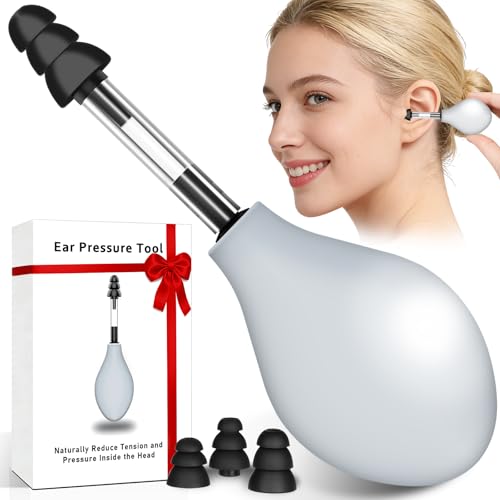
Ear Pressure Relief Suction Device, Tinnitus Relief for Ringing Ears, Portable & Effective Ear Pressure Reliever Device, Ideal for Flying, Reduces Tension with 3 Sizes of Earbuds
Effective Relief: This ear pressure relief device uses pinpoint micro-air pressure to gently stimulate inner ear nerves, delivering…
As an affiliate, we earn on qualifying purchases.
As an affiliate, we earn on qualifying purchases.

Flaygo Pro Rechargeable Hearing Aids for Seniors with Hearing Loss, Smart Noise Reduction Chip for Crystal-Clear Sound, Ultra-Comfort Fit, Super-Mini & Auto On/Off
Restore Authentic Human Voices: Equipped with the Flaygo self-developed the newest digital chip, these hearing aids utilize adaptive…
As an affiliate, we earn on qualifying purchases.
As an affiliate, we earn on qualifying purchases.