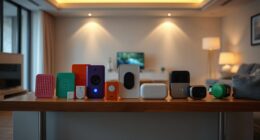
Decibel scales measure sound intensity on a logarithmic scale, meaning a small increase in dB can greatly raise the loudness and potential harm. Generally, sounds below 70 dB are safe, but prolonged exposure to anything above 85 dB can damage your hearing. Common noisy environments, like power tools or loud music, often exceed safe levels. To better understand when noise becomes harmful and how to protect yourself, keep exploring how decibel scales work.
Key Takeaways
- Exposure to noise levels above 85 dB can cause hearing damage over time.
- The decibel scale is logarithmic; a 10 dB increase represents a tenfold rise in sound intensity.
- Everyday sounds like normal conversation (~60 dB) are safe, but loud environments (>85 dB) pose risks.
- Prolonged exposure to loud noises can lead to permanent hearing loss; protective gear is recommended.
- Understanding decibel levels helps determine when noise is too loud and actions to prevent hearing harm.

Decibel scales are vital for measuring and comparing sound levels, helping you understand how loud or quiet different noises are. When it comes to noise measurement, understanding decibel levels is essential for protecting your hearing safety. Loud environments can cause damage over time, so knowing how to interpret decibel readings helps you decide when to take action. Whether you’re at a concert, using power tools, or working in a noisy factory, grasping the basics of decibel levels allows you to assess risk effectively.
Decibel levels are measured on a scale where every increase of 10 dB represents a tenfold increase in sound intensity. For example, a whisper might be around 30 dB, while normal conversation is approximately 60 dB. As noise levels rise, so does the potential for harm. Exposure to sounds above 85 dB can begin to damage your hearing if you’re exposed for extended periods. For instance, a lawnmower or motorcycle can reach 85-100 dB, putting you at risk if you’re not cautious. Recognizing these thresholds helps you make informed decisions about when to wear hearing protection or limit your exposure.
Decibel levels increase sound intensity exponentially, with 85 dB posing risks over extended exposure.
Understanding the decibel scale also assists in noise measurement, especially in environments where controlling noise levels is essential. Employers and safety professionals often use decibel readings to evaluate workplace environments and implement measures to reduce noise exposure. For example, installing sound barriers or providing hearing protection can substantially lower the risk of hearing loss. By knowing the exact decibel levels, you can take proactive steps to safeguard your hearing safety and avoid long-term damage.
It’s important to remember that decibel scales are logarithmic, meaning that small increases in decibel levels can have substantial effects on perceived loudness and potential harm. A 3 dB increase roughly doubles the sound energy, making even seemingly minor changes significant. So, if you’re in an environment where sound levels fluctuate, paying close attention to these changes can help you decide when to step away or use protective gear.
Additionally, understanding size restrictions for tiny houses and other building regulations can ensure that your efforts to control noise and create a comfortable living space comply with local laws, enhancing your overall safety and satisfaction.

3M Corded Reusable Earplugs, 3 Pack, Noise Reduction Rating (NRR) 25 dB, Easy To Use & Insert, Pliable & Tri-Flange Design Enhances Comfort & Fit, Orange Ear Plugs (90716H3-DC)
Pliable, tri-flange design helps provide a secure fit to help block out hazardous noise
As an affiliate, we earn on qualifying purchases.
As an affiliate, we earn on qualifying purchases.
Frequently Asked Questions
How Does Decibel Measurement Vary Across Different Environments?
You’ll notice decibel measurements vary widely across environments. In urban settings, environmental noise levels often reach 70-85 dB, influenced by traffic and crowds, while quieter areas like parks stay below 50 dB. Understanding these differences helps you gauge when noise becomes harmful or disruptive. You can use decibel scales to protect your hearing, especially in noisy urban environments, and choose quieter times or places when possible.
Can Decibel Levels Harm Animals as Well as Humans?
You might not realize it, but high decibel levels can harm animals, just like humans. Animals have different hearing sensitivities, making them more vulnerable to noise pollution effects at lower levels. Excessive noise can cause stress, hearing loss, or disorientation in wildlife and pets. So, it’s essential to take into account animal hearing sensitivity when evaluating noise levels, ensuring we protect their well-being from harmful decibel exposure.
Are There International Standards for Acceptable Noise Levels?
You’ll find that internationally, noise regulations and community standards guide acceptable noise levels. These standards aim to protect health and well-being by setting limits for different environments, like residential or industrial areas. While they vary by country, many follow guidelines established by organizations like the WHO or ISO. Check your local regulations to understand specific community standards, ensuring noise stays within safe, acceptable limits and prevents disturbances.
How Do Decibel Scales Account for Loudness Perception?
Ever wonder how your ears perceive loudness? Decibel scales use perception modeling and psychoacoustic scaling to bridge the gap between actual sound levels and what you hear. These methods account for how your brain interprets different frequencies and intensities, making loudness measurement more accurate. So, next time you hear a noise, remember that decibel scales are designed to reflect your true experience, not just raw numbers.
What Are the Best Tools for Measuring Decibel Levels Accurately?
You should use sound level meters to measure decibel levels accurately, as they’re designed for precise readings. Look for models with digital displays and wide measurement ranges. To guarantee accuracy, apply proper calibration techniques regularly, like using a calibrator to verify the device’s readings. This combination allows you to accurately assess noise levels in any environment, helping you stay within safe limits and understand loudness effectively.

Decibel Meter, TopTes TS-501B Sound Level Meter with 2.25” Backlit LCD Screen, Portable SPL Tester with A/C Weighted, Range 30-130dB, MAX/MIN, Data Hold, Use for Home, Noisy Neighbor, Factory – Orange
2.25-inch LCD Screen with Backlight: This TS-501B sound level meter is measured noise levels are expressed in decibels…
As an affiliate, we earn on qualifying purchases.
As an affiliate, we earn on qualifying purchases.
Conclusion
So, next time you’re at a concert or using headphones, remember that the decibel scale is more than just numbers—it’s your quiet warning. It’s funny how a sudden loud noise can make you jump or how a whisper can feel almost like a secret shared just with you. By understanding these levels, you’re not only protecting your hearing but also tuning into those little moments where sound becomes a quiet conversation between you and the world.

Soundcore by Anker Q20i Hybrid Active Noise Cancelling Headphones, Wireless Over-Ear Bluetooth, 40H Long ANC Playtime, Hi-Res Audio, Big Bass, Customize via an App, Transparency Mode (Black)
Hybrid Active Noise Cancelling: 2 internal and 2 external mics work in tandem to detect external noise and…
As an affiliate, we earn on qualifying purchases.
As an affiliate, we earn on qualifying purchases.
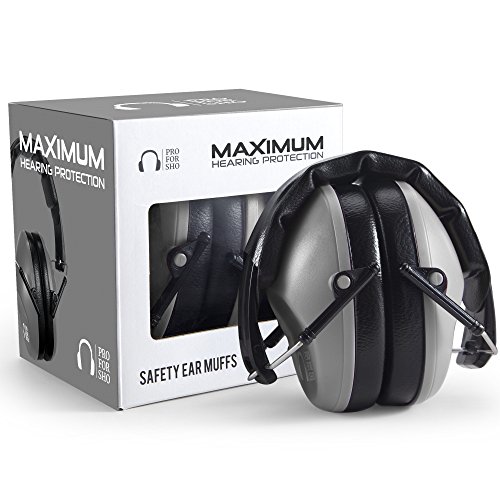
Pro For Sho 34dB NRR Hearing Protection Ear Muffs – Highest NRR Compact Design Ear Protection for Loud Events & Sensory Use (Grey)
34 dB NRR — Proven, Compact & Trusted for Over 10 Years: Since 2013, we’ve designed sleeker, lighter…
As an affiliate, we earn on qualifying purchases.
As an affiliate, we earn on qualifying purchases.