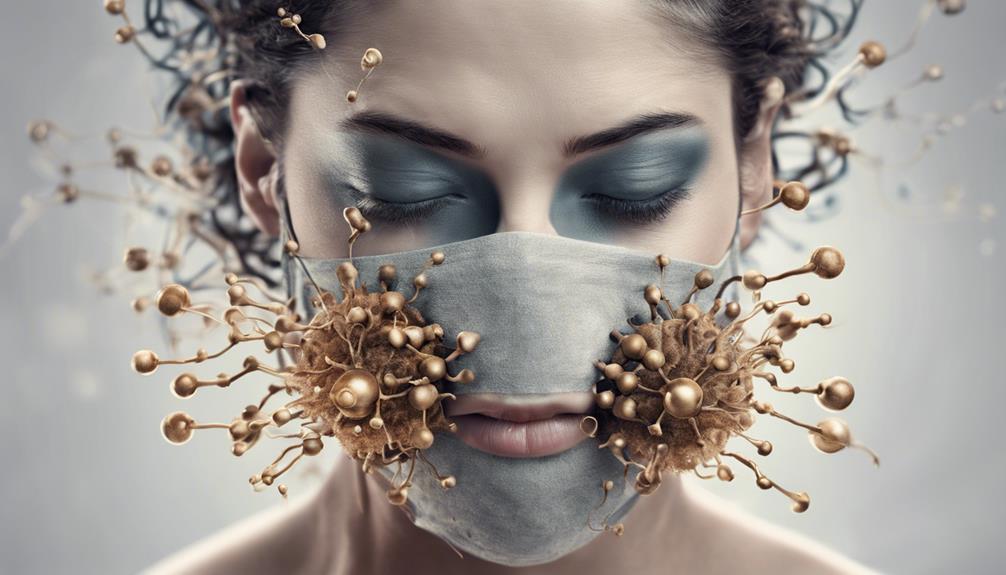

Millions worldwide suffer from irreversible hearing loss due to noise exposure each year, with over 22 million U.S. workers at risk annually. Young people are especially vulnerable, with more than a billion at risk from unsafe listening habits. Many people ignore the dangers or find protection uncomfortable, increasing their risk. Understanding these alarming statistics highlights the importance of proper hearing precautions. Keep exploring to learn more about protecting your hearing and preventing long-term damage.
Key Takeaways
- Over 1 billion young people are at risk of NIHL due to unsafe listening habits.
- Approximately 22 million U.S. workers are exposed annually to hazardous noise levels.
- NIHL is a preventable condition, but many neglect hearing protection, leading to irreversible damage.
- Noise levels exceeding 85 dB over 8 hours significantly increase the risk of hearing loss.
- Regular hearing assessments and workplace noise monitoring help detect early damage and prevent progression.
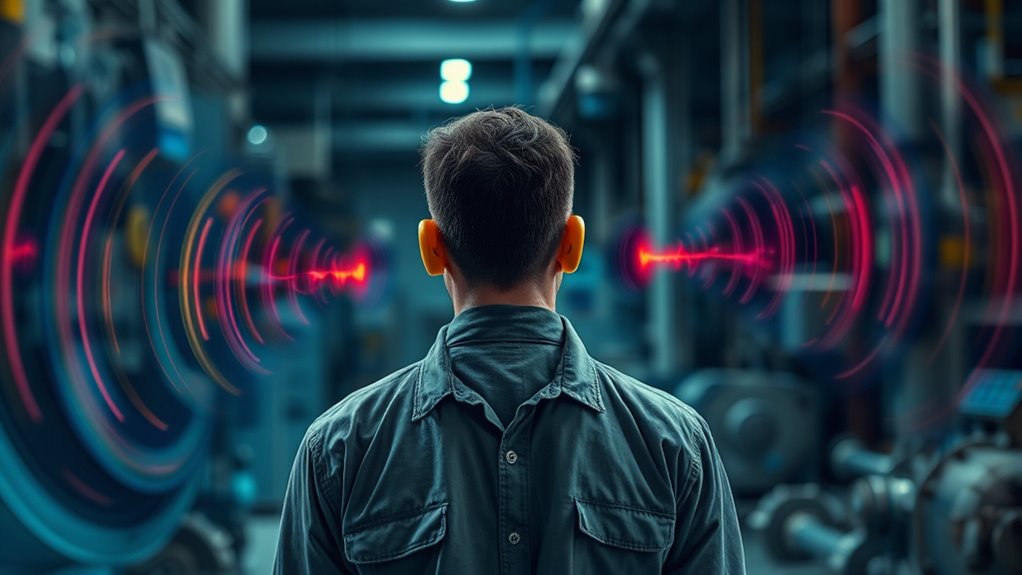
Exposure to loud noise can cause permanent damage to your hearing, known as noise-induced hearing loss (NIHL). This type of damage is entirely preventable if you take the right precautions, especially when you’re in noisy environments like workplaces. Hearing protection is essential for maintaining your hearing health and guaranteeing workplace safety. Whether you’re operating loud machinery, working near heavy equipment, or exposed to loud music, wearing appropriate hearing protection can drastically reduce the risk of NIHL. Earplugs, earmuffs, and custom-fit hearing protection devices are effective tools that help block out damaging noise levels. By making hearing protection a priority, you actively protect yourself from irreversible hearing damage, which can affect your quality of life, communication, and overall well-being.
Statistics show that noise-induced hearing loss affects millions of people worldwide, and the numbers are rising. According to the World Health Organization, over 1 billion young people are at risk of hearing loss due to unsafe listening practices, including exposure to loud music and noise. In occupational settings, the Occupational Safety and Health Administration (OSHA) estimates that around 22 million workers in the United States are exposed to hazardous noise levels annually. Despite these figures, many workers neglect to use hearing protection consistently because they underestimate the danger or find it uncomfortable. This negligence underscores the importance of enforcing workplace safety policies that mandate the use of hearing protection devices. Employers should regularly educate employees about the risks of noise exposure and guarantee that proper safety equipment is available and used correctly.
It’s also vital to understand the significance of monitoring noise levels in your environment. If noise levels exceed 85 decibels (dB) over an 8-hour period, there’s a high risk of NIHL, and hearing protection becomes necessary. Regular hearing tests can help detect early signs of damage, allowing you to take action before hearing loss becomes permanent. Many workplaces have noise monitoring programs to identify problem areas and implement controls, such as engineering modifications or administrative policies, to reduce noise exposure. Your role in maintaining workplace safety involves adhering to these guidelines and advocating for proper hearing protection. Remember, once hearing loss occurs, it can’t be reversed, so taking proactive steps today can save you from long-term consequences tomorrow. Protect your hearing, follow safety protocols, and prioritize your well-being. Furthermore, understanding your personal risk factors can help you make more informed decisions about hearing protection practices.

Joanbro Personal Sound Amplifier for Seniors, Voice Enhancement Devices, Pocket Sound Amplifiers for Elderly People, Adults, 50dB Gain, with Headphones & Earbud, 3 Types Mics, 3 Tone, Volume Control
SUPERIOR PERSONAL SOUND AMPLIFIER: Applying noise cancelling, automatic gain control and advanced amplifying circuit, this sound amplifier device...
As an affiliate, we earn on qualifying purchases.
Frequently Asked Questions
Can Hearing Loss From Noise Be Reversed or Improved?
Hearing loss from noise exposure isn’t usually reversible, but you can improve your hearing health with the right treatment options. While hearing recovery is limited once damage occurs, early intervention can help prevent further loss. Hearing aids or cochlear implants are common treatment options that enhance your hearing. Protect your ears from loud noises now, and consult an audiologist to explore the best strategies to manage or improve your hearing.
What Are the Long-Term Health Effects of Noise-Induced Hearing Loss?
You face long-term health effects like tinnitus management challenges and social isolation. Hearing loss from noise exposure can lead to ongoing ringing in your ears and difficulty engaging with others. These issues may affect your mental health, reduce your quality of life, and increase your risk of depression. Addressing these effects early helps you maintain better social connections, manage tinnitus more effectively, and preserve your overall well-being.
How Does Age Influence Susceptibility to Noise-Induced Hearing Damage?
You might notice that as you age, your susceptibility to noise-induced hearing damage increases due to age-related decline and auditory aging. These natural changes weaken your ear’s ability to recover from loud sounds, making you more vulnerable over time. Protecting your hearing becomes even more important as you get older, because the effects of noise exposure can compound with age, leading to more significant hearing loss and communication challenges.
Are Certain Occupations at Higher Risk for Noise-Induced Hearing Loss?
You’re at higher risk for noise-induced hearing loss if you work in noisy environments like industrial settings or military exposure. These occupations often involve prolonged exposure to loud sounds, which can damage your hearing over time. Protecting your ears with hearing protection devices and limiting exposure time are essential. Staying aware of noise levels and taking preventive measures can help preserve your hearing health in these high-risk jobs.
What Are Effective Strategies to Prevent Noise-Induced Hearing Damage?
Think of your ears as delicate instruments that need protection. To prevent noise-induced hearing damage, wear personal protective equipment like earplugs or earmuffs whenever you’re exposed to loud sounds. Follow workplace regulations that set safe noise levels and require proper hearing protection. Regular breaks from noisy environments also help, giving your ears a chance to rest. By taking these steps, you keep your hearing sharp and avoid long-term damage.
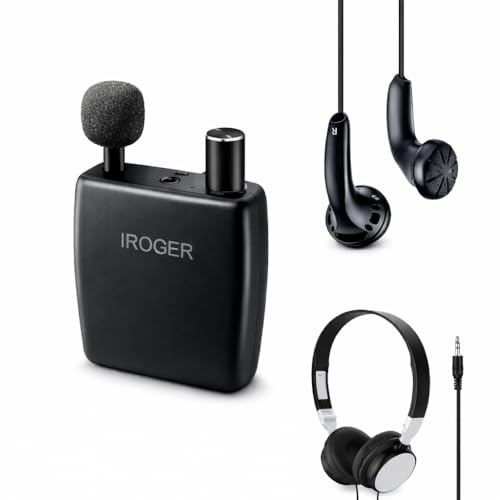
IROGER Hearing Amplifier for Seniors, Personal Sound Amplifier, Smart Auto-Gain, Directional Microphone, Rechargeable with 120-Hour Battery, Headphones & Earbuds Included
Smart Auto-Gain Control – Enjoy crystal-clear sound at all times. iRoger automatically balances audio levels to enhance voices...
As an affiliate, we earn on qualifying purchases.
Conclusion
Don’t ignore the shocking facts—your hearing is priceless and can vanish in an instant if you ignore noise dangers. Every loud sound could be silently stealing your future, leaving you unable to hear your loved ones or enjoy life’s beautiful moments. Protect your ears now, or risk a world of silence that’s more terrifying than you can imagine. Act today before noise steals your most precious sense forever—because your hearing is worth more than you realize.

Audien Hearing ATOM PRO 2 Wireless Rechargeable OTC Hearing Aids, Premium Comfort Design and Nearly Invisible
Hear What Matters, Forget the Rest: Tired of asking, “What?” in conversations? The Atom Pro 2 is here...
As an affiliate, we earn on qualifying purchases.

Personal Sound Amplifier PSAP the Latest Gen Model HA9000, Rechargeable Hearing Aid Device Hearing Amplifier with Headphones, Detachable Microphone, Type-C Charging for Seniors, Adults, Elderly
Advanced Sound Amplification and Noise-Canceling: The Latest Gen HA9000 personal sound amplifier features Auto-Gain Control for clearest amplification,...
As an affiliate, we earn on qualifying purchases.