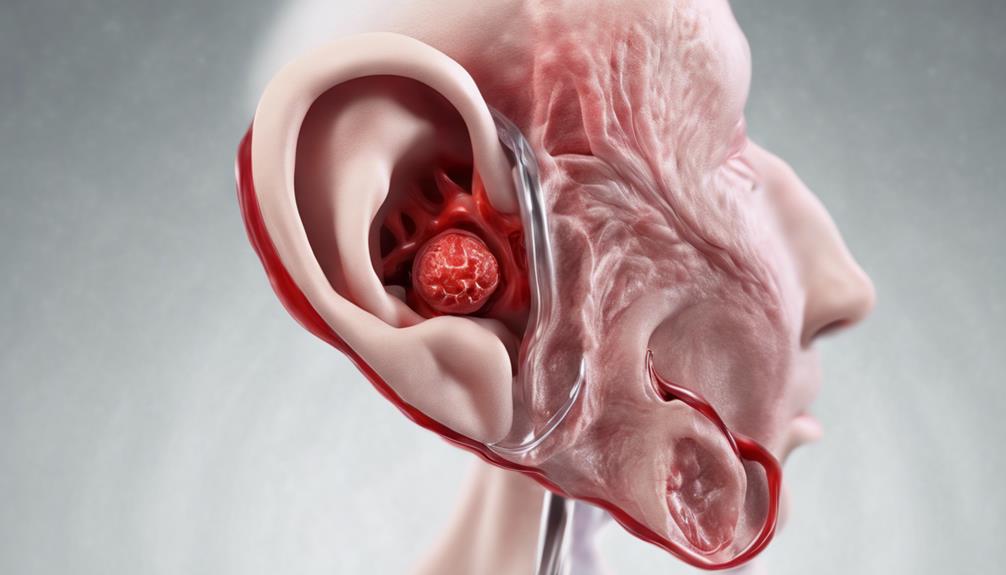
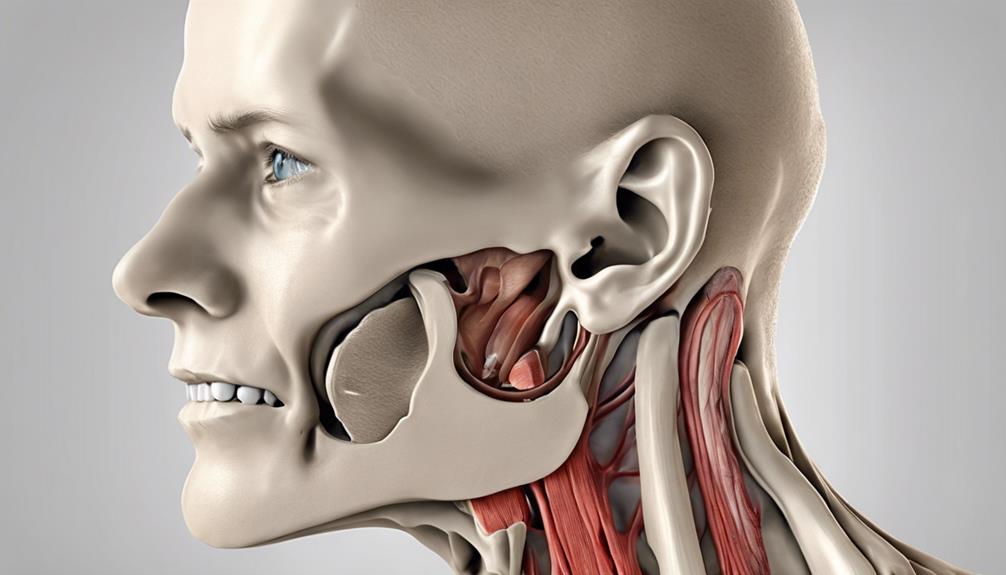
If you’re taking medications like certain antibiotics (gentamicin), chemotherapy drugs (cisplatin), diuretics, NSAIDs, or antimalarials, you should watch for signs of hearing loss or balance issues. These drugs can damage your ears or inner ear function, leading to tinnitus, dizziness, or deafness. Monitoring your symptoms early can help prevent more serious problems. To learn more about how these medications may affect your hearing and how to protect yourself, keep exploring.
Key Takeaways
- Aminoglycoside antibiotics (e.g., gentamicin, streptomycin) can cause irreversible hearing and balance loss.
- Chemotherapy agents like cisplatin and carboplatin are linked to long-term ototoxicity and balance issues.
- Diuretics and NSAIDs may cause temporary or permanent hearing loss and tinnitus, especially at high doses.
- Antimalarial medications can lead to ringing and muffled hearing, with risks influenced by genetic and environmental factors.
- Early symptom detection, regular hearing monitoring, and protective strategies are vital to prevent permanent auditory damage.
Antibiotics With Ototoxic Potential

Certain antibiotics are known to have ototoxic potential, meaning they can cause damage to your ear’s inner structures and lead to hearing loss or balance issues. These antibiotics carry an increased ototoxicity risk, especially when used at high doses or for prolonged periods. Common antibiotics linked to ototoxicity include aminoglycosides like gentamicin, amikacin, and streptomycin. While effective against serious infections, they can cause irreversible damage to the cochlea and vestibular system. You should be aware of potential antibiotic side effects, particularly if you’re receiving long-term or high-dose treatments. Monitoring hearing and balance function during therapy helps catch early signs of damage. Ototoxic drugs are often prescribed with caution, especially in vulnerable populations. Always discuss the risks with your healthcare provider before starting these medications to minimize your chances of ototoxicity.
Chemotherapy Agents That Affect Hearing

Some chemotherapy agents can harm your hearing, leading to temporary or permanent hearing loss. Drugs like cisplatin and carboplatin are known ototoxic agents. Your genetic susceptibility plays a role in how your ears respond; some people experience more significant damage due to inherited factors. The long-term effects can include not only hearing impairment but also balance issues if the inner ear is affected. It’s essential to monitor your hearing before, during, and after treatment. Early detection allows for adjustments to minimize damage. Keep in mind that the severity and permanence of hearing loss depend on individual factors, including genetics. Understanding the difference between Penetration Testing and Ethical Hacking can help in assessing the risks associated with certain medications. Discuss your concerns with your healthcare team so they can tailor your treatment plan and help protect your hearing health.
Diuretics and Their Impact on Ear Health

Diuretics, commonly used to treat high blood pressure and fluid retention, can also affect your ear health. While they are effective for managing fluid buildup, they may cause medication side effects that impact your ears. Some diuretics, especially loop and thiazide types, have been linked to temporary hearing loss or tinnitus in certain individuals. These side effects occur because diuretics alter electrolyte balance, affecting inner ear function. If you notice muffled hearing, ringing, or dizziness after starting a diuretic, it’s vital to consult your healthcare provider promptly. Monitoring your ear health during treatment can help prevent long-term damage. Additionally, ear health awareness is important because, although rare, understanding these potential risks ensures you stay informed and can seek timely intervention if needed.
Non-Steroidal Anti-Inflammatory Drugs (NSAIDs)

NSAIDs are common pain relievers that can pose risks to your hearing, especially with prolonged use or high doses. You should be aware of how dosage and duration affect your ear health, as excessive use increases the chance of hearing loss. Consider alternative pain management options to minimize your ototoxic risk and protect your hearing.
Hearing Loss Risks
Are you aware that common non-steroidal anti-inflammatory drugs (NSAIDs), often used to relieve pain and reduce inflammation, may also pose a risk to your hearing? Research indicates that NSAID use can lead to temporary or even permanent hearing loss, especially in individuals with a genetic predisposition. Environmental factors, such as exposure to loud noises or other ototoxic agents, can compound this risk. If you have a family history of hearing issues or regularly take NSAIDs, you should be cautious. While these medications are effective, overuse or prolonged use might increase your vulnerability to hearing damage. Being aware of your personal risk factors helps you make informed choices and seek medical advice if you notice any changes in your hearing. Understanding ototoxicity is essential for protecting your auditory health.
Dosage and Duration
Using NSAIDs responsibly depends largely on paying attention to the appropriate dosage and duration of use. Too high a dose or prolonged use can increase the risk of ototoxicity, especially if you have drug interactions or genetic predispositions. To minimize risks, keep these points in mind:
- Stick to the recommended dose and avoid exceeding the maximum daily limit.
- Limit usage duration, ideally under a few days unless directed by your healthcare provider.
- Be aware of drug interactions that may heighten ototoxic effects, especially with other ototoxic medications or underlying conditions.
- Understanding contrast ratio and its impact can help you recognize signs of potential hearing issues linked to medication use.
Your genetic makeup can also influence susceptibility, so discuss your family history with your doctor. Monitoring dosage and duration helps protect your hearing health while benefiting from NSAIDs.
Alternative Pain Relievers
Could there be effective alternatives to NSAIDs for managing pain and inflammation? Absolutely. Natural remedies like herbal supplements or topical applications can sometimes reduce discomfort without the risks associated with NSAIDs. Additionally, acupuncture techniques have gained recognition as a non-drug approach that may alleviate pain by stimulating specific points on your body. These options are worth exploring, especially if you’re concerned about ototoxicity or other side effects linked to NSAIDs. Keep in mind, though, that effectiveness varies from person to person. Understanding drug side effects is crucial when considering alternative treatments. Always consult your healthcare provider before switching or combining treatments. By incorporating natural remedies and acupuncture techniques into your pain management plan, you might find relief that’s both safe and effective, without compromising your ear health.
Antimalarial Medications Linked to Hearing Loss

Some antimalarial medications have been linked to hearing loss, so it’s important to comprehend the risks involved. You should be aware of ototoxicity symptoms like ringing, muffled hearing, or dizziness. Monitoring these signs early can help prevent permanent damage and ensure proper treatment. Embracing a creative practice in your routine may also help in developing better awareness and proactive health management.
Ototoxicity Risks Explained
While antimalarial medications are essential in fighting malaria, they can also pose risks to your hearing. Ototoxicity varies based on factors like genetic predispositions and environmental exposures. Your genetic makeup may make you more susceptible, especially if you have a family history of hearing issues. Environmental factors, such as exposure to loud noises or ototoxic substances, can compound the risk. To understand the risks better, consider these points:
- Your genetics can influence how your ears respond to certain medications.
- Environmental exposures may increase the likelihood of hearing damage when taking ototoxic drugs.
- Combining antimalarials with other ototoxic agents heightens the risk of hearing loss.
- Advances in AI are helping researchers develop new strategies to detect and mitigate ototoxicity risks more effectively.
Staying informed about these risks helps you take precautions and discuss concerns with your healthcare provider.
Symptoms to Monitor
Monitoring for symptoms of hearing loss is crucial when taking antimalarial medications, as early detection can prevent further damage. Be alert for signs like ear ringing, which can be a warning of ongoing ototoxicity. Sudden deafness is another critical symptom that requires immediate medical attention. Recognizing these symptoms early helps prevent permanent hearing impairment. Here’s a quick guide to understand the impact:
| Symptom | Possible Cause |
|---|---|
| Ear ringing | Early warning of ototoxicity |
| Sudden deafness | Severe, urgent hearing loss |
| Dizziness | Inner ear involvement |
| Tinnitus | Persistent ringing or buzzing |
| Hearing decline | Gradual loss over time |
Stay vigilant and consult your healthcare provider if you notice any of these signs. Ototoxicity can cause lasting damage if not identified promptly.
Loop Diuretics and Balance Issues

Loop diuretics, commonly prescribed to manage fluid overload and hypertension, can also affect your balance by impacting the inner ear’s function. These medications may cause balance disturbances due to inner ear effects, leading to dizziness or vertigo. You might notice:
- Sudden feelings of unsteadiness when standing or walking.
- A sense of spinning or dizziness that worsens with movement.
- Difficulty maintaining your balance, increasing the risk of falls.
These issues happen because loop diuretics can disrupt the delicate fluid balance in your inner ear, which plays a crucial role in balance. Additionally, inner ear disturbances caused by these medications can sometimes be mistaken for other neurological issues. If you experience persistent dizziness or balance problems, consult your healthcare provider to evaluate your medication and prevent falls or injuries.
Monitoring and Protecting Your Hearing During Treatment

To help prevent hearing loss during treatment with ototoxic drugs, it’s important to regularly check your hearing and take protective steps. Schedule baseline hearing tests before starting medication, and follow up with periodic evaluations to catch any changes early. Using hearing protection techniques, like earplugs or noise-canceling headphones in loud environments, can reduce additional stress on your ears. If you experience symptoms like ringing or tinnitus, effective tinnitus management strategies can help you cope while minimizing damage. Communicate any concerns to your healthcare provider immediately, so they can adjust your treatment if needed. Staying vigilant and proactive ensures you safeguard your hearing health throughout your medication course.
Frequently Asked Questions
Are There Safe Alternatives to Ototoxic Medications?
You might wonder if there are safe alternatives to ototoxic medications. It’s worth exploring alternative medications or natural remedies that can treat your condition without risking hearing damage. Talk to your healthcare provider about options like non-ototoxic drugs or herbal supplements. Always verify these alternatives are safe and effective for your specific needs, and never replace prescribed treatments without professional guidance. Your health and hearing are worth careful consideration.
How Long Does Hearing Recovery Take After Stopping an Ototoxic Drug?
When you stop an ototoxic drug, the hearing restoration timeline varies based on damage severity and duration of exposure. Typically, recovery can take anywhere from a few days to several months. Some hearing loss may be reversible, especially with early intervention, while others might be permanent. It is crucial to consult a healthcare professional promptly to assess your condition and determine an appropriate recovery plan for the best possible outcome.
Can Ototoxic Effects Be Prevented With Protective Agents?
You wonder if protective agents can prevent ototoxic effects. While some research suggests certain supplements or medications might aid in ototoxic prevention, evidence remains limited. Using protective agents could help minimize damage, especially if you’re at risk due to necessary medication. Always consult your healthcare provider before considering any ototoxic prevention strategies. They can recommend safe options tailored to your specific situation, reducing your risk of hearing loss from ototoxic drugs.
Which Symptoms Indicate Early Hearing Damage From Medication?
Think of early hearing damage like a whisper before a storm. You might notice subtle early hearing symptoms such as muffled sounds, ringing in your ears, or difficulty understanding speech. These medication side effects serve as warning signs, so pay close attention. If you experience any of these symptoms, consult your healthcare provider promptly to prevent further damage. Recognizing these early signs can help protect your hearing health.
Do Over-The-Counter Drugs Also Pose Risks for Hearing Loss?
You might wonder if OTC drug risks include hearing loss. While many over-the-counter medications are safe when used properly, some, like high doses of aspirin or NSAIDs, can pose risks for hearing loss if misused or taken long-term. To prevent hearing damage, always follow dosage instructions, avoid prolonged use, and consult your healthcare provider if you notice symptoms like ringing or muffled hearing. Prevention is key to safeguarding your hearing health.
Conclusion
Being aware of ototoxic drugs is essential to protect your hearing. Think of your ears as delicate treasures, easily damaged if neglected. By staying vigilant and working closely with your healthcare provider, you can prevent unnecessary hearing loss and preserve your quality of life. Remember, your senses are a gift—handle them with care, for once lost, they’re irreplaceable. Don’t let silent harm steal the symphony of life from you.