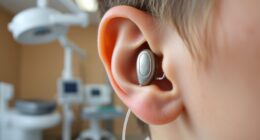

When planning your career pivot after hearing loss, start by evaluating your skills and interests to identify roles that suit you, such as digital or creative fields. Understand how your hearing loss impacts communication and explore assistive technologies to support your work. Gather resources like support groups, certifications, and networking opportunities to build confidence. Creating a clear timeline and setting achievable milestones can keep you motivated; discover more strategies to navigate your progression successfully below.
Key Takeaways
- Assess your hearing loss and explore assistive technologies to determine suitable work environments and accommodations.
- Identify your strengths and interests through self-assessment to align new career paths with your passions.
- Research remote and creative roles that require minimal auditory input, such as digital design or writing.
- Build relevant skills and certifications to enhance credibility and open new employment opportunities.
- Develop a structured transition plan with milestones, support networks, and financial strategies to ensure steady progress.
Assessing Your Current Skills and Interests

Before you consider a career change after hearing loss, it’s essential to evaluate your current skills and interests. Think about how your talents in visual storytelling could translate into new opportunities, such as graphic design, photography, or video production. If you enjoy public speaking, consider roles that focus on written communication or digital content creation, where hearing isn’t a primary requirement. Reflect on your past experiences and identify tasks you excel at and find fulfilling. Recognizing your strengths helps you pinpoint careers that align with your passions and abilities. This self-assessment lays the foundation for a smooth progression, ensuring you pursue paths that suit your interests while accommodating your hearing needs. Exploring highly recommended anime films can also inspire creative thinking and storytelling skills that are valuable in many new career directions.
Understanding Your Hearing Loss and Its Impact

Understanding your hearing loss and how it affects your daily life is a vital step in planning your career change. It helps you identify challenges and explore solutions, such as assistive technology and hearing aids, that can improve communication and comfort. Recognizing the specific nature of your hearing loss—whether it’s mild, moderate, or severe—guides your choices in workplace accommodations. It’s also important to take into account the following: color accuracy, how hearing loss impacts your interaction with colleagues and clients, the role of assistive devices in enhancing your hearing capabilities, and potential adjustments needed for different work environments.
Exploring New Career Paths and Opportunities

Are you wondering how to identify new career options that align with your hearing needs? Exploring opportunities that suit your strengths and lifestyle is key. Remote work offers flexibility and minimizes communication barriers, making it an excellent option. Creative pursuits like writing, graphic design, or digital arts can also be fulfilling, especially if they require minimal auditory input. Consider these career paths:
| Skill Area | Suitable Roles | Benefits |
|---|---|---|
| Technology | Web developer, data analyst | Flexibility, remote options |
| Creative Arts | Writer, photographer | Expressiveness, adaptable pace |
| Business & Admin | Virtual assistant, project manager | Independence, work from home |
Additionally, integrating sound healing science techniques into your routine may support your mental clarity and emotional resilience during this transition.
Identifying Transferable Skills and Strengths

Identifying your transferable skills and strengths is a crucial step in shifting to a new career after hearing loss. Your ability to adapt communication methods, such as using visual aids or written exchanges, demonstrates valuable adaptive communication skills. Additionally, your emotional resilience helps you navigate challenges, stay motivated, and maintain a positive outlook during this changeover. Consider these key strengths:
Recognize your adaptive communication skills and emotional resilience as vital strengths for career transitions after hearing loss.
- Effective problem-solving and adaptability
- Strong interpersonal skills, including empathy and active listening
- Ability to manage stress and remain resilient under pressure
- Familiarity with paint sprayers and related tools can also open opportunities in specialized trades or maintenance roles.
Gathering Resources and Support Systems

To successfully shift into a new career after hearing loss, gathering the right resources and support systems is essential. Support groups offer a sense of community, allowing you to share experiences and gain practical advice from others facing similar challenges. Online forums provide accessible platforms to ask questions, find encouragement, and learn about accommodations or tools that can help you succeed. These resources can connect you with professionals, mentors, or peers who understand your journey. Additionally, local organizations for people with hearing loss can provide valuable information and advocacy. Building a solid network guarantees you stay motivated, informed, and confident as you navigate your career transition. Incorporating AI Security solutions into your planning can also help protect your personal information and ensure a safe transition to your new career. Remember, you’re not alone—lean on these support systems to empower your pivot.
Setting Realistic Goals and Milestones

After gathering resources and building your support network, the next step is to set clear, achievable goals that guide your career shift. Break down your overall objective into smaller, measurable milestones to keep yourself motivated and focused. Use goal tracking to monitor your progress regularly, adjusting your plans as needed. Celebrate each milestone to reinforce your commitment and recognize your achievements. Consider these key actions:
- Define specific, realistic short-term and long-term goals
- Set deadlines to maintain momentum
- Celebrate milestones to boost confidence and motivation
- Incorporate goal setting techniques that help structure your progress effectively
Acquiring New Skills and Qualifications

To shift to a new career, you need to identify skills that align with your goals and capitalize on your strengths. Exploring educational resources and certification programs can help you gain the qualifications you need. Taking these steps will boost your confidence and open doors to fresh opportunities.
Identifying Relevant Skills
When shifting to a new career after hearing loss, identifying the skills that are most relevant becomes essential. Focus on skills that complement your strengths and accommodate your needs, especially those involving assistive technology and communication strategies. These tools can enhance your effectiveness in various roles, making your transition progression smoother. To determine your transferable skills, consider:
- Technical abilities aligned with your new field
- Soft skills like problem-solving and adaptability
- Communication methods that leverage assistive devices or alternative strategies
Additionally, understanding best practices for using assistive technology can significantly improve your communication efficiency and confidence in your new career path.
Exploring Educational Resources
Building on your understanding of relevant skills, exploring educational resources can help you acquire new qualifications and enhance your capabilities. Start by researching courses that focus on assistive technology, which can improve your daily work experience. Many online platforms offer training in communication strategies tailored for individuals with hearing loss, giving you practical tools to succeed. Look for workshops, webinars, and community programs that support skill development. These resources not only expand your knowledge but also boost your confidence in maneuvering your new career path. Investing time in specialized education ensures you’re equipped with the latest techniques and tools, making your transition smoother. Engaging in focused practice can also accelerate your learning and help you adapt more effectively to your new career environment. By actively seeking out these resources, you set yourself up for a successful career pivot.
Gaining Certification Credentials
Have you considered how gaining certification credentials can open new doors in your career? Certification programs boost your skill set and enhance credential recognition, making you more competitive. By completing relevant certification programs, you demonstrate your commitment and expertise to potential employers. When choosing programs, consider these key factors:
- The credibility and reputation of the issuing organization
- How well the certification aligns with your career goals
- The flexibility of the program, especially if you need accommodations due to hearing loss
Acquiring new qualifications not only broadens your capabilities but also signals your dedication to continuous growth. Certification credentials can help you shift into different roles and industries, opening pathways that were previously inaccessible. Preppy Dog Names are an example of specialized naming choices that reflect a particular aesthetic, and similarly, choosing the right certification can reflect your professional identity. Ultimately, they empower you to confidently pivot your career after hearing loss.
Networking and Connecting With Industry Professionals

Connecting with industry professionals is key to your career shift, and building genuine relationships makes a real difference. Use social platforms thoughtfully to engage and showcase your skills, making meaningful connections along the way. These efforts can open doors and provide valuable insights as you navigate your new path. Incorporating effective communication skills can further enhance your networking success.
Building Genuine Relationships
Even when hearing loss presents challenges, forming genuine relationships with industry professionals remains essential for your career change. Building authentic connections opens doors to mentorship, advice, and opportunities that can accelerate your transition. Engage actively in mentoring programs designed to support career changers, especially those sensitive to hearing loss. Participating in online communities relevant to your industry can also help you forge meaningful relationships beyond face-to-face interactions. Focus on:
- Sharing your story honestly to foster trust and understanding
- Offering your expertise to others, creating reciprocal relationships
- Attending industry events with accessible communication tools
These approaches help you develop relationships rooted in trust and authenticity, making your network a valuable asset on your career pivot journey.
Leveraging Social Platforms
Social platforms offer a powerful way to network and connect with industry professionals, especially when in-person interactions are limited by hearing loss. Use visual storytelling to showcase your skills, projects, and expertise, making it easier for others to understand your value. Curate content that aligns with your career goals, highlighting industry trends and your contributions. Engage actively by commenting, sharing, and participating in discussions to build visibility and credibility. Platforms like LinkedIn and Instagram enable you to establish meaningful connections without relying solely on voice communication. Consistently sharing thoughtful content and authentic stories helps you stand out. By leveraging these tools, you can create a strong professional presence, foster relationships, and open doors to new career opportunities—all on your own terms.
Developing a Transition Plan and Timeline

Creating a clear shift plan and timeline is essential to steering your career change effectively after hearing loss. This plan helps you stay organized and manage your transition smoothly. Begin by setting specific milestones, like upgrading skills or exploring new fields, to guarantee steady progress. Consider how your work life balance will evolve, and incorporate strategies to maintain well-being throughout the process. Additionally, prioritize financial planning to cover potential income gaps or retraining costs. To refine your approach, focus on:
- Establishing realistic deadlines for each step
- Setting aside resources for training or certification
- Regularly reviewing progress to stay on track
A well-structured timeline keeps you focused and motivated, ensuring your career pivot aligns with your goals and personal needs.
Embracing Confidence and Maintaining Motivation

Building confidence and staying motivated are essential when steering a career change after hearing loss. Self-confidence helps you trust your abilities and face challenges head-on. To boost it, celebrate small wins and remind yourself of your strengths. Motivation techniques like setting clear, achievable goals keep your momentum going. Break larger tasks into manageable steps, and track your progress to stay inspired. Surround yourself with supportive people who encourage your journey. Remember, setbacks are normal, so practice resilience and focus on your progress. Maintaining motivation involves visualizing success and staying committed to your purpose. By consistently nurturing your self-confidence and applying effective motivation techniques, you’ll find the resilience needed to embrace your new career path with optimism and determination.
Frequently Asked Questions
How Can I Manage Emotional Challenges During My Career Transition?
When managing emotional challenges during your career shift, prioritize self-care strategies like regular exercise, mindfulness, and setting realistic goals. Reach out to peer support networks, where others understand your experiences and can offer encouragement. Acknowledge your feelings and give yourself time to adapt. Staying connected and practicing self-compassion help you build resilience, making it easier to navigate this change with confidence and positivity.
Are There Financial Assistance Programs for Career Changers With Hearing Loss?
They say, “Where there’s a will, there’s a way,” and financial assistance is proof. You may qualify for various financial grants and vocational programs designed for those with hearing loss. These resources can help cover training costs or job accommodations, easing your progression. Check with local agencies, government programs, or nonprofit organizations specializing in hearing loss support to discover options tailored to your needs and empower your career change.
How Do I Disclose My Hearing Loss to Potential Employers?
When disclosing your hearing loss to potential employers, use clear disclosure strategies that highlight your abilities. Be honest yet professional, and mention any accommodations you may need. During interviews, focus on your skills and experience first, then share your hearing loss confidently. Practice interview tips like preparing responses and staying positive. This approach helps you build trust, manage expectations, and demonstrate your readiness to contribute effectively.
What Legal Rights Protect Employees With Hearing Impairments?
Your legal rights protect you from discrimination based on hearing impairments through anti-discrimination policies and workplace accommodations. These laws ensure employers provide reasonable adjustments, like assistive devices or modified work environments, to support your needs. You have the right to disclose your hearing loss without fear of bias, and employers are legally obligated to respect your rights, fostering an inclusive workplace where your abilities are valued and supported.
How Can I Stay Motivated When Facing Setbacks in My Career Change?
When facing setbacks, you can stay motivated by applying mindset strategies like maintaining a positive outlook and focusing on your progress. Set clear, achievable goals to keep yourself oriented and celebrate small wins along the way. Remember, setbacks are part of growth; use them to learn and adapt. Keep reminding yourself of your purpose and stay committed to your vision, which will help you persevere through challenges.
Conclusion
Changing careers after hearing loss is a bold step, and research shows that your brain can adapt and rewire itself—a phenomenon called neuroplasticity. By embracing this mindset, you’ll stay motivated and confident through your shift. Remember, with the right planning, support, and a willingness to learn, you can turn your challenges into new opportunities. Your new path isn’t just a possibility; it’s a proof of your resilience and ability to reinvent yourself.