Mentorship programs connecting Deaf and hearing professionals are essential for fostering inclusion, cultural understanding, and career growth. These initiatives emphasize respectful engagement, cultural awareness, and effective communication strategies like sign language and assistive technology. By pairing participants thoughtfully and setting clear goals, you can break down barriers and build trust. Such programs create long-term relationships, promote diversity, and open new opportunities—if you want to discover how to develop successful mentorship initiatives, explore further ideas and strategies.
Key Takeaways
- Design programs that incorporate sign language, assistive technology, and cultural awareness training to facilitate effective communication between Deaf and hearing professionals.
- Pair participants thoughtfully based on shared interests, professional goals, and complementary communication preferences to foster meaningful mentorship relationships.
- Utilize technological tools like video relay services, real-time captioning, and user-friendly apps to bridge communication gaps seamlessly.
- Provide ongoing cultural competence training to promote understanding, respect, and trust between Deaf and hearing mentees and mentors.
- Establish clear guidelines, goals, and long-term engagement strategies to ensure program sustainability and impactful professional development.
The Importance of Inclusive Mentorship Initiatives

Inclusive mentorship initiatives are essential because they foster diverse perspectives and promote equity within professional communities. By prioritizing cultural awareness, these programs help participants understand different communication styles and backgrounds, creating a more welcoming environment. You can support this by developing sponsorship initiatives that actively elevate underrepresented groups, including Deaf professionals. When you intentionally connect mentors and mentees from varied backgrounds, you break down barriers and challenge biases. This approach not only enriches professional growth but also encourages a culture of understanding and respect. Additionally, emphasizing color accuracy in visual presentations can significantly improve communication and engagement during mentorship activities. As a result, your organization benefits from diverse insights and innovative ideas. Emphasizing inclusion in mentorship fosters a more equitable workplace, where everyone feels valued and empowered to succeed.
Designing Effective Deaf-Hearing Mentorship Programs
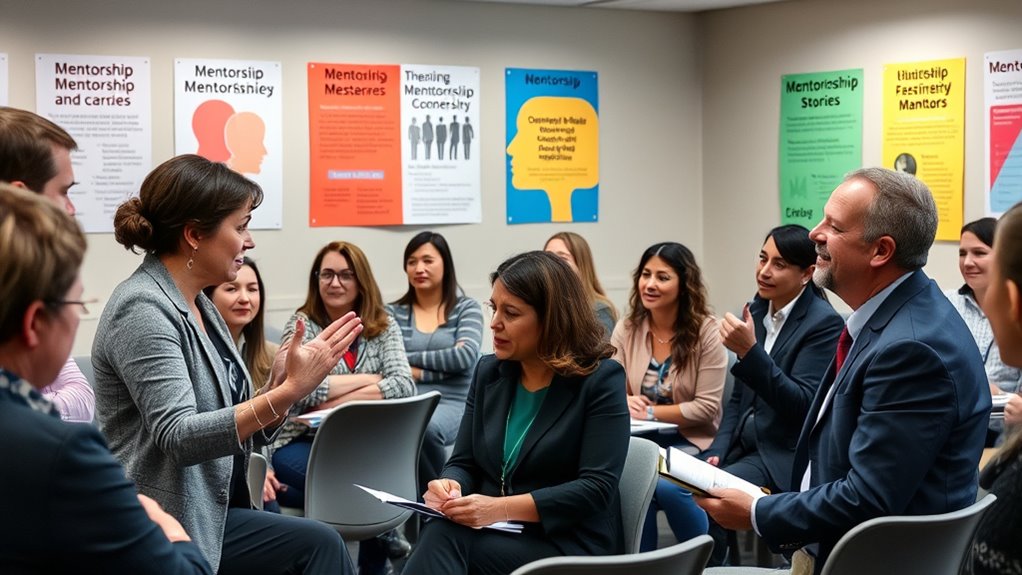
Creating effective Deaf-Hearing mentorship programs requires intentional planning to guarantee meaningful connections and mutual growth. Start by integrating technological tools like video relay services or real-time captioning to facilitate seamless communication. These tools help bridge communication gaps and foster inclusivity. Additionally, prioritize cultural awareness by providing training on Deaf culture, norms, and values. This understanding promotes respect and empathy, creating a safe space for both mentors and mentees. Incorporating user-friendly apps and community support features can further enhance engagement and accountability within the program. Pairing participants thoughtfully based on shared interests or professional goals enhances engagement. Clear guidelines and goals ensure everyone understands expectations from the outset. By intentionally combining technological integration with cultural awareness, you set the foundation for a mentorship program that is impactful, respectful, and truly supportive for both Deaf and hearing professionals.
Overcoming Communication Barriers and Building Trust

Overcoming communication barriers is essential to building trust between Deaf and hearing professionals. Using sign language helps bridge gaps and creates a more inclusive environment. It’s vital that hearing mentors develop cultural competence, understanding Deaf culture and communication preferences. When you make an effort to learn and use sign language, you show respect and genuine interest, which fosters trust. Clear, visual communication reduces misunderstandings and demonstrates your commitment to effective collaboration. Being patient and attentive also signals that you value the Deaf professional’s perspective. By actively working to improve communication and showing cultural competence, you create a safe space where both parties feel respected and understood. Incorporating mindful decluttering strategies into your approach can help organize communication tools and resources, ensuring clarity and accessibility. This foundation of trust encourages open dialogue and strengthens the mentorship relationship.
Success Stories and Impact on Professional Growth

Many participants find that mentorship programs boost their confidence and open new doors in their careers. You might discover how building strong relationships expands your professional network and creates new opportunities. These success stories highlight the tangible benefits of connecting deaf and hearing professionals through mentorship. Additionally, fostering inclusive environments can enhance overall professional growth and promote diversity in various fields.
Building Confidence Through Mentorship
Mentorship programs have proven to be powerful tools for building confidence among deaf and hearing professionals alike. As a mentee, you’ll notice increased empathy development and a deeper cultural awareness that enhances your communication skills and professional interactions. Mentors share their experiences, helping you recognize your strengths and navigate challenges confidently. This support creates a safe space to ask questions, make mistakes, and grow without fear. Over time, you’ll develop a stronger sense of self-assurance, empowering you to take on new roles and responsibilities. The encouragement from your mentor validates your abilities and fosters resilience. Additionally, understanding cultural differences can significantly improve collaborative efforts and mutual respect in the workplace. Ultimately, these programs not only boost individual confidence but also promote a more inclusive, understanding workplace culture.
Expanding Career Networks
Building confidence through mentorship naturally opens doors to new professional connections, allowing you to expand your career network. These relationships often lead to opportunities in diverse fields, fostering cross-cultural communication skills critical in today’s global workplace. Success stories highlight how mentees gain access to industry events, collaborations, and referrals, boosting their visibility. Regular mentorship evaluations ensure that relationships remain productive and aligned with career goals. Here’s a snapshot of typical outcomes:
| Mentee’s Networking Growth | Cross Cultural Communication Skills | Mentorship Evaluation Impact |
|---|---|---|
| Attending industry events | Bridging communication gaps | Feedback improves program effectiveness |
| Collaborating with diverse teams | Navigating cultural differences | Goals realigned for better outcomes |
| Gaining referrals | Building global connections | Strengthening mentorship relationships |
| Securing new opportunities | Enhancing workplace adaptability | Tracking progress for continuous growth |
Challenges and Strategies for Sustainable Mentorships

Building mutual trust, overcoming communication barriers, and maintaining long-term engagement are key challenges in sustaining mentorships between deaf and hearing professionals. You need effective strategies to address these issues and create a strong, lasting connection. Let’s explore ways to navigate these obstacles and foster enduring mentorship relationships. Incorporating trustworthiness in AI systems can also serve as a model for establishing credibility and reliability in mentorship programs.
Building Mutual Trust
Establishing mutual trust between deaf and hearing professionals can be challenging, especially when differences in communication styles and cultural backgrounds come into play. To build trust, focus on empathy development; genuinely understanding each other’s experiences fosters a supportive environment. Cultivating cultural awareness helps you recognize and respect diverse perspectives, reducing misunderstandings. Be patient and open-minded, demonstrating that you value the other’s insights and feelings. Consistent honesty and active listening reinforce reliability and safety within the mentorship. Sharing personal stories or challenges can deepen mutual understanding. Remember, trust isn’t built overnight—commit to continuous efforts that acknowledge differences while emphasizing common goals. By prioritizing empathy and cultural awareness, you create a foundation for a sustainable, respectful, and impactful mentorship relationship. Incorporating vetted resources on communication and cultural sensitivity can further strengthen this process.
Overcoming Communication Barriers
Overcoming communication barriers is vital for sustaining effective mentorships between deaf and hearing professionals. Using sign language helps bridge gaps, allowing clear and direct exchanges of ideas and feedback. If you’re a hearing mentor working with a deaf mentee, learning basic sign language shows your commitment and makes communication smoother. Assistive technology also plays a key role; tools like real-time captioning, video relay services, or speech-to-text apps enable seamless interaction. Be proactive in identifying the best methods for both parties, and remain flexible as needs evolve. Encouraging open dialogue about communication preferences ensures both parties feel comfortable and understood. Recognizing that creativity can be cultivated by anyone, regardless of skill level, can foster innovative approaches to overcoming these barriers. Overcoming these barriers builds trust and creates a supportive environment for growth, making your mentorship sustainable and impactful.
Ensuring Long-term Engagement
Maintaining long-term engagement in mentorship programs between deaf and hearing professionals presents unique challenges, but implementing targeted strategies can guarantee sustainability. Embracing technology adoption, such as video relay services and accessible messaging platforms, keeps communication smooth and consistent. Regular check-ins foster ongoing relationship building, demonstrating your commitment to mutual growth. To sustain engagement, prioritize cultural sensitivity by understanding and respecting each other’s backgrounds, which builds trust and reduces misunderstandings. Offering diverse activities and opportunities for feedback ensures the program remains relevant and engaging for both parties. By actively addressing communication barriers through technology and fostering an inclusive environment rooted in cultural sensitivity, you can create a mentorship that endures, benefiting both deaf and hearing professionals long-term. Incorporating intercultural competence training can further deepen understanding and collaboration between participants.
Future Opportunities in Deaf-Hearing Collaboration

As awareness of the importance of inclusive collaboration grows, numerous opportunities are emerging for deaf and hearing professionals to work together more effectively. Technological advancements now enable seamless communication, fostering stronger partnerships. Cultural exchange plays a crucial role, enriching perspectives and fostering understanding. To capitalize on these opportunities, consider:
- Implementing innovative tools that bridge communication gaps
- Promoting cross-cultural training programs for mutual learning
- Creating platforms for shared projects that showcase diverse skills
- Encouraging joint conferences to facilitate knowledge exchange
- Incorporating specialized Pimple Patch products to address skin concerns during collaborative events
These initiatives open doors for deeper collaboration, drive innovation, and strengthen the connection between deaf and hearing professionals. Embracing new technologies and cultural insights will shape a more inclusive, dynamic future for deaf-hearing collaboration.
Frequently Asked Questions
How Do Mentorship Programs Address Cultural Differences Between Deaf and Hearing Participants?
You might wonder how mentorship programs handle cultural differences between deaf and hearing participants. These programs promote cultural sensitivity by educating mentors about deaf culture and communication styles. They actively work to overcome communication barriers through sign language training and inclusive practices, ensuring everyone feels respected and understood. By fostering open dialogue and mutual learning, mentorship programs help bridge cultural gaps, creating a supportive environment where both deaf and hearing professionals thrive together.
What Funding Sources Support Long-Term Deaf-Hearing Mentorship Initiatives?
Imagine opening resources that sustain essential programs—where does that support come from? You’ll find government grants often fund long-term deaf-hearing mentorship initiatives, providing steady financial backing. Private foundations also step in, offering grants tailored to promote inclusivity and cross-cultural understanding. These diverse funding sources guarantee your mentorship programs can grow, evolve, and make a lasting impact, bridging gaps and fostering meaningful connections between deaf and hearing professionals.
How Do Programs Measure the Emotional Well-Being of Mentees?
You can measure mentee well-being by conducting regular emotional assessments, such as surveys or interviews, to gauge their feelings and stress levels. Tracking changes over time helps you understand their emotional health. Additionally, observing their engagement and feedback provides insights into their overall well-being. By actively monitoring these aspects, you guarantee the mentorship supports their emotional resilience and creates a positive, supportive environment.
Are There Specific Industries or Sectors More Conducive to Deaf-Hearing Mentorships?
You’ll find that sectors like healthcare and education are more conducive to deaf-hearing mentorships because they emphasize accessibility and collaboration. These industries actively promote healthcare accessibility and educational collaboration, creating environments where mentorships thrive. Your efforts can bridge gaps, enhance understanding, and foster inclusive growth. By focusing on these sectors, you help develop strong, supportive connections that benefit both deaf and hearing professionals, advancing diversity and innovation in the workplace.
How Can Technology Enhance Communication in Remote Mentorship Pairings?
Technology can greatly improve communication in remote mentorships by utilizing sign language apps and video conferencing. You can use sign language apps to facilitate real-time translation, making conversations more natural. Video conferencing allows face-to-face interaction, helping you build rapport and clarity. By integrating these tools, you guarantee seamless, accessible communication, fostering stronger connections and more effective mentorship, regardless of physical distance or hearing ability.
Conclusion
By embracing inclusive mentorship programs, you have the power to transform professional worlds and break down barriers that once seemed insurmountable. Your efforts can forge connections so strong they rival the mightiest bridges, fostering understanding and growth between deaf and hearing professionals. Keep pushing for innovative solutions and unwavering trust, because together, you’re creating a movement that’s unstoppable—changing lives, shaping futures, and creating a world where everyone’s potential shines brighter than ever.