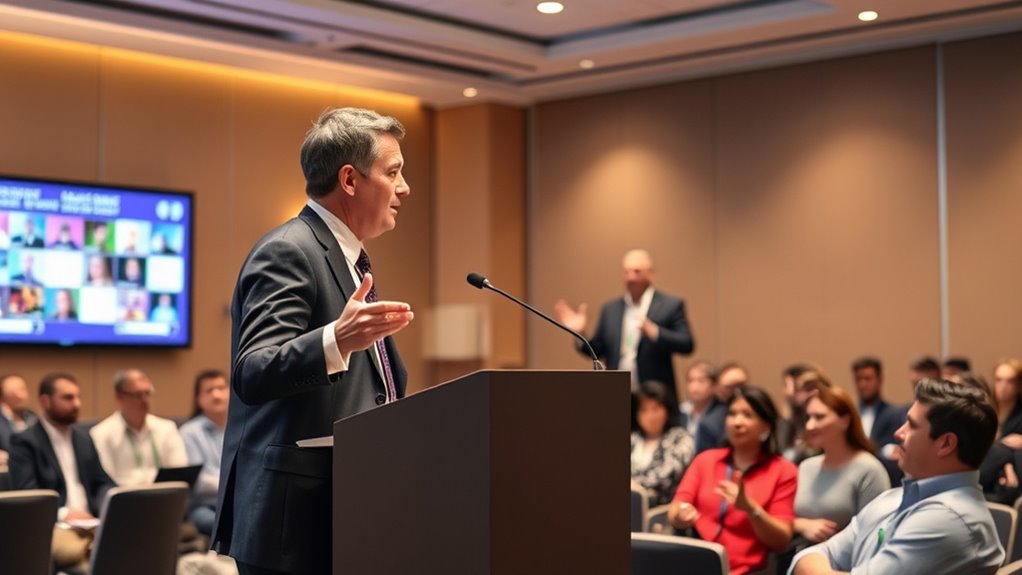
To improve public speaking with hearing loss, use tools like sign language or an interpreter to guarantee clear communication. Amplification devices, such as portable microphones, help you hear yourself and reduce strain. Prepare in advance by testing equipment and practicing with your tools. Incorporate visual aids and deliberate gestures to reinforce your message. Building confidence and focusing on your delivery can make a big difference—keep going, and you’ll discover effective techniques to connect even more deeply with your audience.
Key Takeaways
- Use sign language or visual gestures to enhance communication and connect with your audience effectively.
- Equip yourself with speech amplification devices to improve audibility and confidence during presentations.
- Test all equipment and familiarize with venue acoustics beforehand to prevent technical issues.
- Incorporate visual aids and clear gestures to reinforce your message and support understanding.
- Cultivate a confident mindset by focusing on message delivery, engagement, and embracing your communication tools.
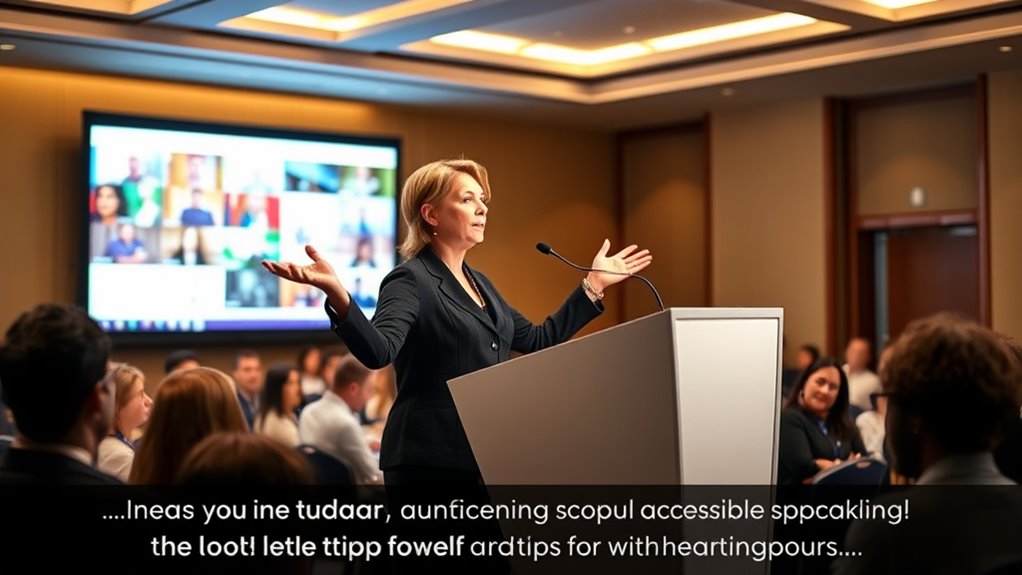
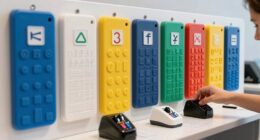
Have you ever wondered how to excel at public speaking despite hearing loss? It might seem challenging at first, but with the right tools and mindset, you can communicate confidently and effectively. One of the most valuable strategies is learning sign language. Not only does it provide a direct way to understand your audience, but it also showcases your commitment to clear communication. If you’re comfortable with sign language, you can incorporate it into your presentations or have an interpreter present, ensuring you stay connected with your listeners. This approach minimizes the frustration that often comes with hearing difficulties and helps you maintain a strong presence on stage.
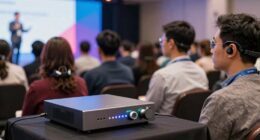
Another essential tool is speech amplification technology. Devices like portable microphones or personal amplifiers can dramatically enhance your ability to hear yourself and the surrounding sounds. When you speak into a microphone, your voice becomes louder and clearer, making it easier for you to monitor your tone, pitch, and pace. This not only boosts your confidence but also prevents the strain that comes from trying to hear your own voice or interpret audio cues. Using speech amplification also benefits your audience—your voice remains consistent and audible, regardless of background noise or room acoustics. Combining amplification with visual cues, such as slides or gestures, creates a more accessible environment for everyone.
Speech amplification devices improve clarity, boost confidence, and enhance audience engagement during public speaking.
Preparing in advance is vital. Familiarize yourself with the venue’s acoustics and test your amplification equipment beforehand. Practice speaking with your device to get comfortable and ensure everything works smoothly during your presentation. If you use sign language, coordinate with an interpreter if possible, and plan your content around visual gestures that can reinforce your message. Clear, deliberate gestures can serve as visual cues, making your speech more engaging and easier to follow for all attendees. Additionally, consider incorporating visual aids like slides, charts, or written summaries to complement your spoken words, providing multiple channels for your audience to grasp the content. Recognizing specialized communication needs such as hearing loss can help you tailor your presentation for maximum impact.
Finally, cultivate a confident mindset. Embrace your unique communication style and focus on your message rather than perceived limitations. Remember, effective public speaking isn’t solely about hearing every word; it’s about connecting with your audience. Use your tools—sign language, speech amplification, visual aids—and your presence to create an engaging, inclusive experience. With preparation and the right techniques, you can overcome hearing challenges and deliver impactful speeches that leave a lasting impression.
portable microphone for public speaking
As an affiliate, we earn on qualifying purchases.
As an affiliate, we earn on qualifying purchases.
Frequently Asked Questions
How Can I Manage Background Noise During Speeches?
Dealing with background noise during speeches can be challenging, but you can manage it effectively. Use visual cues to stay connected with your audience and to help you focus. Additionally, sound amplification devices can enhance your hearing, making it easier to distinguish your speech from background noise. Position yourself close to the speaker and choose quieter environments when possible. These strategies help you stay confident and engaged during your presentation.
What Equipment Best Assists Hearing-Impaired Speakers?
Imagine having a trusty sidekick like a walkie-talkie to stay connected—that’s what the right equipment does for you. The best assistive devices include hearing aids, FM systems, and personal amplifiers, which enhance sound clarity. Combine these with communication strategies like facing your audience and using visual cues. These tools empower you to speak confidently, ensuring your message comes across loud and clear despite hearing challenges.
How Do I Build Confidence Despite Hearing Challenges?
To build confidence despite hearing challenges, start by practicing visualization techniques to imagine successful speaking moments. Use positive self-talk to reinforce your abilities and reduce anxiety. Focus on your strengths and prepare thoroughly, which boosts your self-assurance. Remember, your message matters more than perfect hearing. With consistent practice and a positive mindset, you’ll become more confident and comfortable speaking in front of others, regardless of hearing difficulties.
Can Speech Therapy Improve My Public Speaking Skills?
Speech therapy can definitely improve your public speaking skills by enhancing your communication strategies. Through targeted exercises, you’ll learn to better manage your hearing challenges, improve speech clarity, and build confidence. A speech therapist can teach you techniques to adapt your speaking style, making your presentations more effective. With consistent practice, you’ll become more comfortable speaking publicly, despite hearing difficulties, and convey your messages more confidently.
What Are Effective Ways to Rehearse With Hearing Loss?
You might think rehearsing with hearing loss is impossible, but visualization techniques can boost your confidence by imagining successful speeches. Peer rehearsal is also effective; practicing in front of trusted friends helps you receive feedback and adapt. These methods make your preparation more engaging and realistic, proving that hearing loss doesn’t have to hold you back. With dedication, you can refine your skills and deliver powerful speeches.
sign language interpreter device
As an affiliate, we earn on qualifying purchases.
As an affiliate, we earn on qualifying purchases.
Conclusion
Just like Helen Keller found her voice beyond silence, you can confidently share your message despite hearing loss. Remember, every challenge is a stepping stone—turning obstacles into opportunities. With the right tools and mindset, you’re the author of your own story, illuminating the stage with resilience and strength. Embrace your unique voice, and let it shine like a lighthouse guiding others through their own storms. Your voice matters—make it heard.
personal hearing amplification device
As an affiliate, we earn on qualifying purchases.
As an affiliate, we earn on qualifying purchases.
visual aids for presentations
As an affiliate, we earn on qualifying purchases.
As an affiliate, we earn on qualifying purchases.