Vocational rehab services are designed to help you regain independence through employment support tailored to your needs. To access these government-supported resources, you need to meet eligibility criteria, like having a documented disability that affects your ability to work. You can apply through local offices or online portals and work with counselors who guide you through assessments, training, and job placement. Exploring these options can open resources that support your career goals—continue to see how you can make the most of this opportunity.
Key Takeaways
- Determine eligibility by demonstrating a disability that impacts employment through medical documentation and income criteria.
- Access services via local vocational rehab offices or online portals, preparing necessary medical and work history documentation.
- Utilize assessments, assistive technologies, and counseling to develop personalized career plans and enhance job readiness.
- Engage with community partners and training programs to expand skills, resources, and employment opportunities.
- Benefit from ongoing support and success stories that motivate persistence and demonstrate pathways to meaningful employment.

Assistive Technology for People with Disabilities
As an affiliate, we earn on qualifying purchases.
As an affiliate, we earn on qualifying purchases.
Understanding Vocational Rehab Services and Their Purpose

Vocational rehab services are designed to help individuals with disabilities or injuries regain independence by preparing them for suitable employment. These services focus on two main goals: job placement and skill development. You’ll work with specialists who assess your abilities and identify potential career paths. They provide training to improve your skills, making you more competitive in the job market. This might include classroom learning, hands-on training, or real-world experience. Once you’re ready, the program helps you find appropriate job opportunities that match your skills and interests. The ultimate aim is to support you in securing employment that allows you to thrive independently. By focusing on both skill development and effective job placement, these services empower you to achieve long-term success. Incorporating aquatic exercises can also be part of rehabilitation programs to improve physical recovery and mobility.
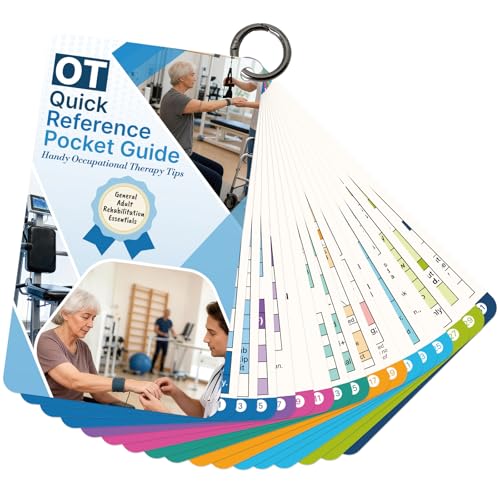
OCQOTAT Occupational Therapy Reference Set -General Adult Rehab Quick Pocket Guide, Occupational Therapy Tools Must-Have Gifts for Therapist,Students 3"×5"(32 Pages)
Comprehensive Occupational Therapy Tools & Reference This set is a complete collection of occupational & physical therapy aids,…
As an affiliate, we earn on qualifying purchases.
As an affiliate, we earn on qualifying purchases.
Who Qualifies for Government-Supported Vocational Assistance

If you have a disability or injury that limits your ability to work, you may qualify for government-supported vocational assistance. To determine eligibility, your disability documentation plays a essential role, confirming your condition and need for support. Funding eligibility depends on your income, resources, and the severity of your disability. Additionally, understanding the legal and professional considerations can help you navigate the application process more effectively.
Disability documentation is essential for qualifying for government-supported vocational assistance and funding eligibility.
You might qualify if:
- Your disability markedly impairs your ability to gain employment or maintain a job.
- You have documented your disability with medical records or evaluations.
- Your income and resources meet the program’s criteria for funding assistance.
If these conditions apply, you could access critical services that help you regain independence and find suitable employment. Don’t hesitate to explore your options—support is available to help you succeed.

Joyreal AAC Device for Autism, Non Verbal Communication Tools for Speech Therapy & Stroke Rehab. Communication Tablet, Autism Talking Aids with 8 Programmable Buttons & Adjustable Volume
37 Easy To Understand Talking Buttons- Our AAC device for speech comes with 37 pre-installed instructions in a…
As an affiliate, we earn on qualifying purchases.
As an affiliate, we earn on qualifying purchases.
Key Components of Vocational Rehab Programs

Understanding the key components of vocational rehab programs can help you navigate the services available to support your employment goals. A core element is personalized assessment, which identifies your strengths, limitations, and needs. Assistive technologies play a crucial role, providing tools that enhance your ability to perform tasks and communicate effectively. Vocational counseling guides you through career options, skills development, and job placement strategies. Additionally, community partnerships expand support networks by connecting you with local employers, training programs, and organizations that understand your unique challenges. These collaborations help create a holistic support system, making your transition to work smoother. Incorporating Assistive technologies can significantly improve your independence and productivity in the workplace. Recognizing these components ensures you can make the most of available resources, empowering you to achieve sustainable employment.

42 Inch Leg Lifter,Leg Lifter After Hip Replacement with Large Foot Loop,Mobility Aid for Disables and Elderly,Leg Lifter Strap for Knee Replacement Recovery Aids(Black)
HOMYMUSY GUARANTEE:Leg Lifter After Hip Replacement Through Strict Inspection,rigid leg lifter after-sales Service with Our Dedicated Team Available…
As an affiliate, we earn on qualifying purchases.
As an affiliate, we earn on qualifying purchases.
How to Access and Apply for Vocational Rehab Support

Getting started with vocational rehab support involves understanding the application process and knowing where to turn for assistance. First, gather your medical records and work history, as these are essential for your assessment. Next, schedule an appointment with your local vocational rehab office or visit their website to begin your application. Be prepared to discuss your goals, such as preparing for a job interview or improving your resume writing skills, which are often part of the process. Utilizing beneficial ingredients like collagen and hyaluronic acid can also be incorporated into your routine to support overall well-being and confidence during this process.
Here are three key steps to help you succeed:
- Complete the application thoroughly, highlighting your current skills and needs.
- Attend all required assessments to demonstrate your readiness for employment.
- Stay proactive by following up and asking questions about your support options.
The Role of Counselors and Support Staff in Your Journey

Your counselors and support staff are there to help create a personalized career plan that fits your goals. They also provide emotional encouragement and motivation when challenges arise. Plus, they guide you through the program processes, so you know what to expect every step of the way. Additionally, they can assist you in exploring different camping environments and outdoor activities that might support your personal development and well-being.
Personalized Career Planning
Have you ever wondered how personalized career planning can make a difference in your journey toward employment? It’s all about tailoring strategies to fit your strengths and needs. Your counselors and support staff play a crucial role by helping you identify suitable careers and providing tools like assistive technology and workplace accommodations. They guide you through exploring options that match your skills, facilitating a smoother transition into the workforce.
Understanding best anime movies can also serve as a source of inspiration and motivation, enriching your personal growth and resilience. Here’s why personalized planning matters: 1. It boosts your confidence by highlighting your unique abilities. 2. It guarantees you have the right tools, like assistive technology, to succeed. 3. It creates a clear, achievable pathway toward meaningful employment, empowering you every step of the way.
Emotional and Motivational Support
Counselors and support staff play a pivotal role in providing emotional and motivational support throughout your vocational rehabilitation journey. They help you build emotional resilience and introduce mindfulness techniques to manage stress and setbacks. Their encouragement keeps you motivated, especially during challenging times. You can also learn comfort solutions that promote well-being and stability during this process. Their guidance, combined with these strategies, helps you develop skills to stay positive and resilient. Their support not only lifts your spirits but also equips you with tools to face obstacles confidently, helping you stay committed to your goals.
Navigating Program Processes
Guiding the complex processes of a vocational rehabilitation program can feel overwhelming, but counselors and support staff are there to guide you every step of the way. They help you navigate key aspects like job placement and workplace accommodations, ensuring your needs are met. With their expertise, you can:
- Feel confident in understanding the steps toward securing a suitable job that matches your skills and interests.
- Experience relief knowing workplace accommodations are tailored to support your success and comfort.
- Stay motivated, knowing you’re not alone in overcoming barriers and achieving your employment goals.
- They also assist in evaluating your needs to ensure the program aligns with your long-term employment and financial goals.
Support staff will work closely with you to clarify the process, advocate on your behalf, and celebrate your progress. Their guidance is essential in transforming your rehabilitation journey into a pathway to meaningful employment.
Success Stories: Achieving Goals Through Vocational Rehab

Many individuals face barriers that seem impossible to overcome, but vocational rehab helps you turn those challenges into successes. You’ll hear inspiring stories of transformative career journeys where persistence and support make all the difference. These experiences show that achieving your goals is within reach, no matter your starting point. Recognizing spiritual guidance can also be a powerful tool in overcoming obstacles and embracing new opportunities.
Overcoming Barriers Successfully
When faced with obstacles, individuals often find that determination and support can lead to remarkable breakthroughs. With the right tools, you can overcome barriers and achieve your goals. Assistive technology becomes a game-changer, helping you perform tasks once thought impossible. Peer support offers encouragement, shared experiences, and practical advice, making challenges less formidable. Remember, you’re not alone in this journey. Incorporating high-quality projectors can also provide visual motivation and clarity during your progress. Here are some inspiring ways others have succeeded:
- Embracing assistive technology to enhance daily productivity.
- Connecting with peer support groups for motivation and guidance.
- Persisting through setbacks with resilience and confidence.
Your perseverance, combined with available resources, can turn obstacles into stepping stones toward your career success.
Transformative Career Journeys
Transformative career journeys demonstrate how vocational rehab services can turn aspirations into reality. By providing tailored disability accommodations and focusing on skill development, you can overcome obstacles and reach your goals. Many individuals have successfully transitioned into fulfilling careers by working closely with coaches and support teams who understand their unique needs. These services help you identify your strengths, develop new skills, and adapt work environments to guarantee accessibility. As a result, you gain confidence and independence, opening doors to opportunities you once thought impossible. Your journey becomes a testament to resilience and determination, showing that with the right support, you can achieve meaningful employment and personal growth. These success stories inspire others to pursue their dreams with the same unwavering commitment.
Maximizing Resources and Preparing for Employment Opportunities
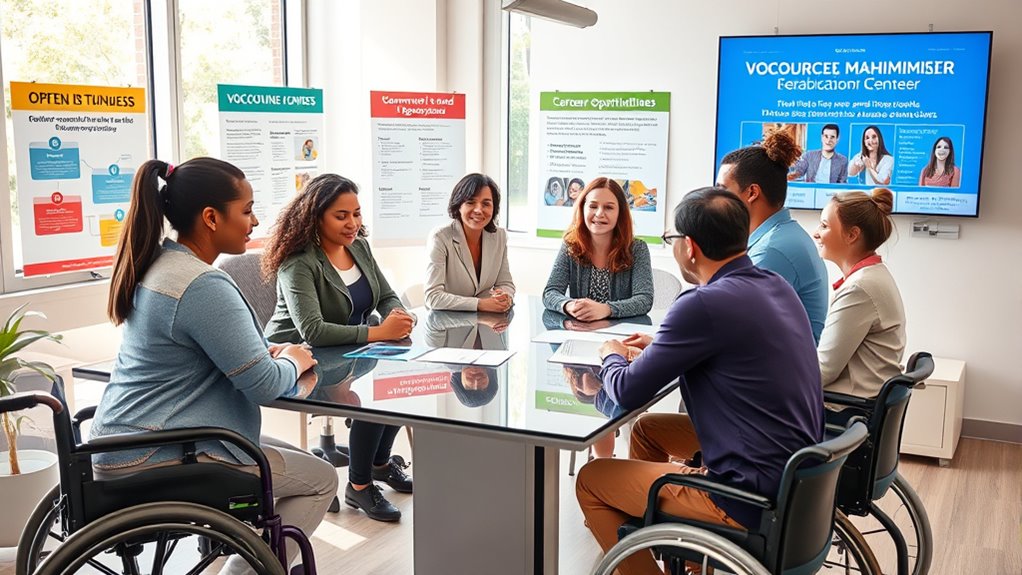
To effectively prepare for employment opportunities, you need to actively leverage available resources and develop a strategic plan. The job market is competitive, but with the right approach, you can stand out. Focus on skill development to increase your employability and confidence. Here are three powerful ways to maximize resources and prepare:
- Utilize vocational rehab programs to access training and job placement services tailored to your needs.
- Engage in continuous learning through online courses and workshops that align with current job market demands.
- Network actively with industry professionals and local employment agencies to uncover hidden opportunities.
Frequently Asked Questions
How Long Does Vocational Rehab Services Typically Last?
The duration overview of vocational rehab services varies depending on your specific needs and goals. Typically, the program length can range from a few months to a couple of years. You might participate for a shorter period if you quickly gain employment, or longer if you require extensive training or support. Your case manager will tailor the program length to guarantee you get the right assistance, helping you achieve your employment goals efficiently.
Are There Specific Industries Prioritized by Vocational Rehab Programs?
You might think vocational rehab programs cover every industry equally, but that’s not the case—they often have top industry focus based on job market demand. Program priorities usually emphasize healthcare, technology, and skilled trades because they’re in high demand and offer strong employment opportunities. This targeted industry focus helps you gain skills quickly and land stable, rewarding jobs. Stay informed about these priorities to maximize your chances of success in the right sector.
Can Vocational Rehab Services Assist With Entrepreneurial Pursuits?
Yes, vocational rehab services can help you pursue entrepreneurial goals. They typically offer support with business planning, guiding you through creating a solid plan. They also assist with market research, helping you understand your target audience and competition. By providing training, resources, and sometimes funding, they enable you to start or grow your business with confidence. This support makes it easier to turn your entrepreneurial dreams into reality.
What Costs Are Involved for Participants in Vocational Rehab Programs?
Your question about costs involved in vocational rehab programs is crucial. You might find it feels like steering a maze, but don’t worry. Typically, program costs are covered through cost coverage options, making expenses manageable. Eligibility is key, as it determines your access to these benefits. Usually, qualifying participants don’t pay out-of-pocket for most services, ensuring you can focus on your goals without financial stress.
How Are Success Metrics Measured in Vocational Rehab Initiatives?
You measure success in vocational rehab initiatives through outcome measurement and program evaluation. You look at how many participants gain employment, improve their skills, or increase independence. You also assess satisfaction levels and long-term stability to gauge effectiveness. By tracking these metrics, you can determine whether the program helps individuals reach their goals and if it’s worth continuing or improving. This approach guarantees continuous improvement based on tangible results.
Conclusion
By tapping into vocational rehab services, you’re opening a door to new opportunities and turning your dreams into reality. Think of these programs as your personal compass, guiding you through the maze toward a brighter future. With support from dedicated counselors and your own determination, you’ll navigate challenges like a seasoned explorer. Embrace this journey—your future is a canvas waiting for your unique masterpiece to unfold.