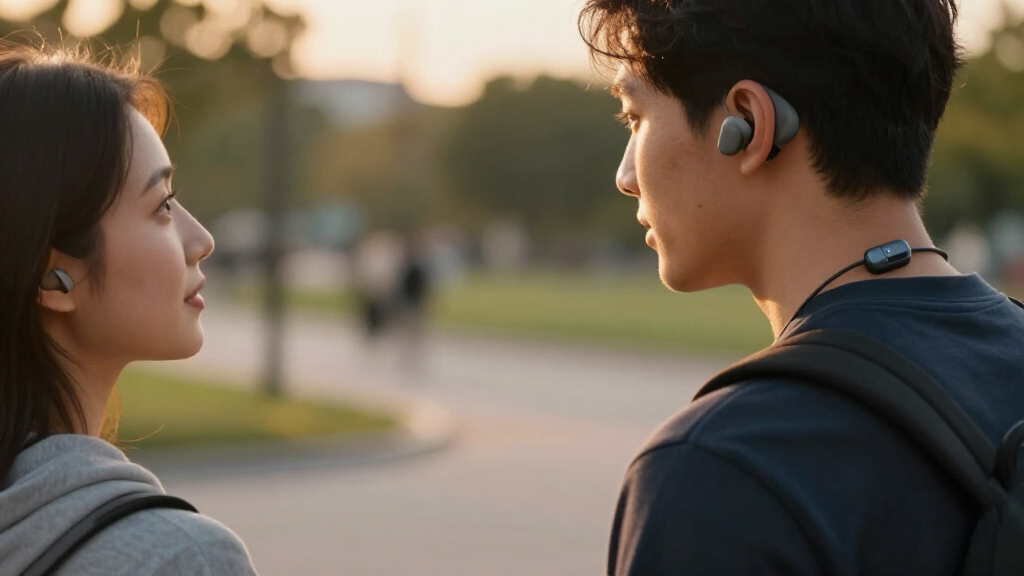

Wireless Bluetooth assistive listening devices span a wider range than most buyers expect — from church translation systems with multiple receivers to personal hearing amplifiers and TV audio transmitters that pair directly with hearing aids. My best overall pick is the Venucast AuraPlex M3, because its multi-channel Auracast architecture handles the most demanding venue scenarios while staying compatible with modern Bluetooth LE Audio hearing devices. For home use, the Phonak TV Connector stands out for hearing aid owners who want plug-and-play TV streaming, while the Retekess TT119 delivers strong value for smaller congregations on a budget. The core tradeoff in this category is scalability versus simplicity: venue-grade systems with dozens of receivers demand setup and management, while personal devices trade range and capacity for ease of use. Read on for the full breakdown of all 13 options.

Get everyday helpers delivered free with Prime
- Fast, free delivery on millions of items
- Prime Video, Amazon Music and more included
- Member-only deals all year
Key Takeaways
- Auracast-based systems (Venucast AuraPlex M3, Avantree Audiplex M3) represent the future of assistive listening because they broadcast to unlimited receivers without pairing, but they require Bluetooth LE Audio-compatible hearing devices to fully benefit.
- The biggest differentiator across tour and church systems was channel count and receiver capacity — the Retekess T130U (32 receivers) suits large venues while the Retekess TT119 (10 receivers) only makes sense for smaller groups.
- Two nearly identical products appeared under different brands (Venucast Oasis Aura vs. Avantree Oasis Aura), which means buyers should compare warranty and support rather than features when choosing between them.
- The Phonak TV Connector and SIMOLIO wireless TV speaker serve the same basic need through opposite approaches: one streams straight into hearing aids with zero extra hardware to wear, the other puts a standalone speaker near the listener — the right choice depends on whether you already wear hearing aids.
- The generic ‘Bluetooth Rechargeable Hearing Aids for Seniors’ bundle and the Liber open-ear device blur the line between assistive listening devices and hearing aids themselves, making them better for buyers without existing hearing aids rather than as complements to them.
| EXMAX Wireless Assistive Listening Equipment Translation System ATG-100T (2 Transmitters & 18 Receivers) |  | Best Overall for Multi-Group Events | Frequency: 195MHz | Channels: 99 | Transmit Range: 164-328 ft | VIEW LATEST PRICE | See Our Full Breakdown |
| Retekess TT119 Assistive Listening System (1 Transmitter, 10 Receivers) |  | Best for Fixed Venue Installation | Connectivity: Auxiliary, FM, Wireless | Channels: 17 | Transmit Range: Up to 984 ft (300 m) | VIEW LATEST PRICE | See Our Full Breakdown |
| Phonak TV Connector for Hearing Aids |  | Best for Hearing Aid Owners | Compatibility: Phonak Marvel, Paradise, Lumity, Audéo, Naída, Bolero, Infinio, and Unitron hearing aids | Connection: Optical (TOSLINK) or 3.5mm analog | Wireless Range: 15 m (50 ft) | VIEW LATEST PRICE | See Our Full Breakdown |
| Retekess T130U Tour Guide System with Headsets (2 Transmitters, 32 Receivers) |  | Best Premium for Large Groups | Band: U-Band digital | Range: 200 m (656 ft) unobstructed | Channels: 2 (multi-channel management) | VIEW LATEST PRICE | See Our Full Breakdown |
| SIMOLIO Wireless TV Speakers for Hard of Hearing |  | Best Value for Home TV Listening | Wireless Range: 164 ft | Battery Life: 8 hours | Audio Outputs: Optical, RCA, AUX | VIEW LATEST PRICE | See Our Full Breakdown |
| Venucast Oasis Aura – Auracast Transmitter for Churches & Venues |  | Best for Congregations Going All-In on Auracast | Compatibility: Auracast-enabled devices; ReSound Nexia, Jabra Enhance Pro 20/30, Oticon Intent, Philips HearLink 9050 | Input Options: AUX (3.5mm), Optical, Bluetooth | Supported Environments: Small to mid-sized venues | VIEW LATEST PRICE | See Our Full Breakdown |
| Venucast AuraPlex M3 – Auracast Assistive Listening System for Churches |  | Best Complete Auracast Kit | Includes: 1 transmitter, 3 receivers | Compatibility: Auracast-enabled hearing aids and devices | Range: 100 meters / 328 feet | VIEW LATEST PRICE | See Our Full Breakdown |
| Retekess T130 Wireless Tour Guide System with Headsets (1 Transmitter, 15 Receivers) |  | Best for Large Guided Groups | Transmission Range: 60 meters | Transmitter Weight: 56g | Receiver Weight: 46g | VIEW LATEST PRICE | See Our Full Breakdown |
| Avantree Oasis Aura Auracast Hearing Aids Transmitter |  | Best Long-Range Auracast Transmitter | Input Options: Optical, 3.5mm AUX, Bluetooth | Compatibility: Auracast hearing aids from Starkey, ReSound, Oticon | Range: Up to 100 meters line-of-sight | VIEW LATEST PRICE | See Our Full Breakdown |
| Wireless Tour Guide System, 1 Transmitter & 10 Receivers |  | Best Value Group Kit | Configuration: 1 transmitter, 10 receivers | Range: 140 meters / 459 feet | Receiver Weight: 19 grams | VIEW LATEST PRICE | See Our Full Breakdown |
| Liber Open Ear Assistive Listening Device with Remote Microphone |  | Best Personal All-Day Wear | Design: Open-ear | Connectivity: Bluetooth 5.3 | Latency: 16ms | VIEW LATEST PRICE | See Our Full Breakdown |
| Avantree Audiplex M3 Multi-Channel Assistive Listening System with Transmitter and Receivers |  | Best for Small Venues and Classrooms | Channels Supported: 4 | Wireless Transmission: 2.4GHz | Range: 100m / 328ft | VIEW LATEST PRICE | See Our Full Breakdown |
| Bluetooth Rechargeable Hearing Aids for Seniors with Noise Cancellation |  | Best Wearable Value for Seniors | Type: Bluetooth hearing aids | Connectivity: Bluetooth wireless streaming | Controls: Touch controls, no app required | VIEW LATEST PRICE | See Our Full Breakdown |
More Details on Our Top Picks
EXMAX Wireless Assistive Listening Equipment Translation System ATG-100T (2 Transmitters & 18 Receivers)
This option stands out for scale and flexibility, thanks to 99 channels and a kit that covers 18 listeners out of the charging case. Compared with the Retekess T130U, which offers better noise reduction, the EXMAX trades audio polish for sheer channel capacity — that matters when a venue runs simultaneous interpretation in several languages or hosts multiple tours at once. The rugged aluminum charging case also makes it far better suited to daily transport than the heavier desktop-style TT119. The tradeoff is real, though: communication is strictly one-way, so participants cannot talk back, and someone still needs to run the transmitter competently. Setup takes patience the first time.
Pros:- 99 channels allow multiple language groups to operate side by side
- Up to 328 feet of transmission range covers large venues
- All-day battery life on both transmitters and receivers
- Durable aluminum charging case simplifies transport and storage
Cons:- One-way only — participants cannot respond or ask questions
- Requires a live interpreter or presenter; no automation
- Initial setup is more involved than plug-and-play alternatives
Best for: Churches, tour operators, and event coordinators who regularly serve medium-to-large groups and need multiple simultaneous channels
Not ideal for: Small gatherings or one-on-one listening — 18 receivers and a bulky case are overkill for a handful of people
- Frequency:195MHz
- Channels:99
- Transmit Range:164-328 ft
- Battery Life:Transmitter up to 20 hours; receiver up to 25 hours
- Transmitter Battery:1200 mAh
- Receiver Battery:900 mAh
- Includes:2 transmitters, 18 receivers, microphones, earphones, lanyards, charging case
- Certifications:FCC approved
Our verdict“If you run multilingual services or split tours at a venue, this is the most capable group system in the lineup — just plan for a learning curve.”
Retekess TT119 Assistive Listening System (1 Transmitter, 10 Receivers)
Where the EXMAX ATG-100T is built to travel, the TT119 is built to stay put. Its desktop FM transmitter pushes audio up to 984 feet — more than triple the EXMAX’s range — which makes this model better suited to a permanent sanctuary or auditorium install wired into an existing mixer. The one-click mute and pause functions are genuinely useful for interpretation work, and recording output lets services be archived. The flip side: at 3.86 kg and corded electric, this is not a system you carry between buildings, and the single AA battery per receiver becomes a recurring chore across ten units.
Pros:- 984-foot range easily covers large permanent venues
- 17 channels support simultaneous multi-language interpretation
- One-click mute and pause simplify live operation
- Accepts audio mixers and recording devices via multiple inputs
Cons:- Heavy, corded design makes relocation impractical
- AA battery receivers require ongoing replacement across the fleet
- Installation is harder for non-technical volunteers
Best for: Churches and conference halls that want a permanently installed system feeding a soundboard
Not ideal for: Traveling guides or mobile event teams — the weight and corded power defeat portability
- Connectivity:Auxiliary, FM, Wireless
- Channels:17
- Transmit Range:Up to 984 ft (300 m)
- Power Source:Corded electric transmitter; 1 AA battery per receiver
- Microphone:Headset
- Weight:3.86 kg
- Dimensions:17.91 x 12.2 x 10.63 inches
Our verdict“This is the pick when range and hardwired reliability matter more than mobility — anchor it in one venue and leave it there.”
Phonak TV Connector for Hearing Aids
Everything else in this roundup broadcasts to receivers or speakers; the Phonak TV Connector takes the opposite approach — it streams directly into your existing hearing aids. That means no extra device to wear, charge, or misplace, and audio that is tuned by your audiologist’s fitting rather than a generic speaker. Compared with the SIMOLIO TV speaker, which anyone in the room hears, this keeps sound completely private with no lip-sync delay. The catch is hard compatibility: it only works with Phonak and Unitron platforms like Marvel, Paradise, Lumity, and Infinio. If your hearing aids come from another manufacturer, skip this entirely. It also needs wall power and does nothing beyond audio streaming.
Pros:- Streams stereo audio straight to hearing aids with no perceptible delay
- True plug-and-play via optical or 3.5mm connection
- 15-meter wireless range lets you move around while listening
- No additional wearable device or earbuds needed
Cons:- Strictly limited to Phonak and Unitron hearing aid families
- Audio streaming only — no microphone or conversation support
- Requires constant connection to a wall outlet
Best for: Owners of compatible Phonak or Unitron hearing aids who want direct, delay-free TV and music streaming
Not ideal for: Anyone with hearing aids from other brands, or those without hearing aids at all — compatibility is everything here
- Compatibility:Phonak Marvel, Paradise, Lumity, Audéo, Naída, Bolero, Infinio, and Unitron hearing aids
- Connection:Optical (TOSLINK) or 3.5mm analog
- Wireless Range:15 m (50 ft)
- Audio:Stereo streaming with no delay
- Setup:Plug-and-play
- Power:External power source required
Our verdict“If you already wear compatible Phonak hearing aids, this is the cleanest possible home listening upgrade; everyone else should look at the SIMOLIO instead.”
Retekess T130U Tour Guide System with Headsets (2 Transmitters, 32 Receivers)
Compared with the standard Retekess T130, the fourth-generation T130U adds Bluetooth input and digital noise reduction, and this configuration scales to 32 listeners — the largest headcount in the batch. The noise reduction is the real differentiator: in noisy museums or factory floors, voices come through cleaner than on the EXMAX ATG-100T, even though the EXMAX offers far more channels. With 40 hours of receiver battery life, multi-day events are realistic without nightly charging anxiety. The tradeoffs are weight and complexity — the full kit is genuinely heavy, the transmitter only lasts 10 hours per charge, and juggling 34 devices takes a trained operator.
Pros:- Noise reduction delivers noticeably clearer speech in loud environments
- 200-meter unobstructed range beats most FM rivals
- 40-hour receiver battery life supports multi-day use
- Bluetooth pairing adds flexibility for pre-recorded or mixed audio
Cons:- Full kit is heavy and awkward to transport
- Transmitter battery lasts only 10 hours versus the receivers’ 40
- More components mean a steeper setup and management burden
Best for: Large guided tours, school groups, and corporate events where audio clarity in noisy spaces is a priority
Not ideal for: Small teams or occasional users — the size, weight, and component count make it impractical for light-duty needs
- Band:U-Band digital
- Range:200 m (656 ft) unobstructed
- Channels:2 (multi-channel management)
- Connectivity:Bluetooth plus headset and headphone support
- Battery Life:40 hours (receiver); 10 hours (transmitter)
- Configuration:2 transmitters, 32 receivers
- Audio Output:Stereo surround sound
Our verdict“For organizations regularly guiding 20-plus people through noisy spaces, the audio quality justifies the bulk — smaller groups should step down to the EXMAX or T130.”
SIMOLIO Wireless TV Speakers for Hard of Hearing
This pick makes the most sense for seniors at home who want louder, clearer dialogue without wearing anything. Unlike the Phonak TV Connector, which requires specific hearing aids, the SIMOLIO works for anyone — it’s a dedicated wireless speaker placed next to the listener, with voice-boosting sound modes that lift dialogue out of background music. The 164-foot range and included charging dock mean it can move room to room, and optical, RCA, and AUX outputs cover nearly every TV made. Tradeoffs exist: you need to sort out adapters on first setup, the 8-hour battery demands regular docking, and batteries should be removed for long storage — a fussy detail for less technical owners.
Pros:- Voice-focused sound modes clarify dialogue without raising overall volume
- Works with virtually any TV via optical, RCA, or AUX
- 164-foot wireless range and charging dock allow room-to-room use
- Doubles as a speaker for PCs and smartphones over Bluetooth
Cons:- 8-hour battery requires frequent recharging for heavy viewers
- Multiple adapters needed for full functionality
- Initial setup can confuse users unfamiliar with audio connections
Best for: Seniors and hard-of-hearing viewers who want amplified, adjustable TV audio without headphones or hearing aids
Not ideal for: People who already wear hearing aids and want private, direct streaming — the Phonak TV Connector does that job better
- Wireless Range:164 ft
- Battery Life:8 hours
- Audio Outputs:Optical, RCA, AUX
- Connectivity:RF wireless, Bluetooth
- Charging:2 AC adapters plus charging dock
- Sound Adjustment:Adjustable sound effects for dialogue enhancement
Our verdict“The simplest path to louder, clearer TV dialogue for someone who won’t wear headphones — hearing aid owners should consider the Phonak instead.”
Venucast Oasis Aura – Auracast Transmitter for Churches & Venues
For houses of worship that want attendees to stream audio directly into their Auracast hearing aids, this transmitter-only approach is the cleanest path. Unlike the Venucast AuraPlex M3, which bundles handheld receivers, the Oasis Aura assumes your audience brings their own devices — a smart bet for churches where most members have modern hearing aids like the Oticon Intent or ReSound Nexia. Input flexibility is strong here, with AUX, optical, and Bluetooth options covering virtually any sound board. The tradeoff is real, though: anyone with classic Bluetooth headphones like AirPods is left out entirely, and there are no fallback receivers in the box. Compared with the Avantree Oasis Aura, this model edges ahead for shared venues thanks to customizable broadcast settings and firmware updates that let administrators refine the experience over time.
Pros:- Streams simultaneously to multiple attendees with reliable audio
- Works with a broad range of current Auracast hearing aids
- Three input options cover nearly any venue sound system
- Customizable broadcast settings plus firmware updates
Cons:- No support for classic Bluetooth headphones like AirPods or Bose
- Not powerful enough for stadiums or outdoor spaces
- Every listener needs an Auracast-enabled device — no receivers included
Best for: Small to mid-sized churches and meeting rooms where most attendees already own Auracast-compatible hearing aids
Not ideal for: Venues that need to serve guests with standard Bluetooth headphones or earbuds, since classic Bluetooth is not supported
- Compatibility:Auracast-enabled devices; ReSound Nexia, Jabra Enhance Pro 20/30, Oticon Intent, Philips HearLink 9050
- Input Options:AUX (3.5mm), Optical, Bluetooth
- Supported Environments:Small to mid-sized venues
- Firmware Updates:Supported
- Bluetooth Headphone Support:Not supported
- Included Receivers:None
Our verdict“A transmitter-only pick that makes sense only if your audience has already adopted Auracast hearing aids.”
Venucast AuraPlex M3 – Auracast Assistive Listening System for Churches
This is the package I’d point to when a venue needs to serve both hearing aid wearers and everyone else. By pairing the transmitter with three included receivers, the AuraPlex M3 solves the single biggest weakness of the Venucast Oasis Aura — guests without Auracast devices aren’t stranded. The 100-meter range and support for gatherings up to 300 people put it comfortably ahead of single-transmitter tour systems like the Retekess T130 for sanctuary-sized rooms, where attendees also benefit from connecting their own hearing aids directly. That said, three receivers may not stretch far for a large congregation, so budget for extras. And like all Auracast gear here, it struggles in outdoor or heavily obstructed spaces, so campuses with multiple buildings or courtyard services will need a different plan.
Pros:- Includes three receivers alongside the transmitter for immediate guest support
- Works with venue receivers and attendees’ own Auracast devices simultaneously
- Stable Bluetooth LE Audio transmission across a 100-meter range
- Scales to venues of up to 300 people
Cons:- Three receivers may be too few for larger congregations
- Falters outdoors or through heavy obstructions
- Full functionality depends on Auracast-compatible devices
Best for: Churches and event spaces up to 300 people that want a hybrid setup serving hearing aid wearers and guests with loaner receivers
Not ideal for: Outdoor venues or sites with thick walls and obstructions, where the Bluetooth LE Audio signal degrades
- Includes:1 transmitter, 3 receivers
- Compatibility:Auracast-enabled hearing aids and devices
- Range:100 meters / 328 feet
- Suitable For:Venues up to 300 people
- Transmission:Bluetooth LE Audio
- Outdoor Use:Not recommended
Our verdict“The most balanced Auracast bundle here — best for venues that must accommodate mixed groups of hearing aid wearers and everyone else.”
Retekess T130 Wireless Tour Guide System with Headsets (1 Transmitter, 15 Receivers)
When the job is one presenter addressing a crowd of fifteen or more, the T130 earns its place through sheer practicality. Unlike the Auracast options above, it works with any attendee wearing the included receiver headsets — no hearing aid compatibility list to check, no firmware to verify. PLL technology keeps the signal clean in noisy factories and busy museums, and the 18-hour receiver battery life comfortably outlasts the transmitter’s 12 hours, meaning a full day of tours is realistic on one charge. Compared with the 10-receiver generic tour system in this roundup, the T130’s expandable capacity and automatic pairing make it the better pick for organizations running repeated sessions. The limitation is structural: audio flows one way only, so Q&A requires raising voices the old-fashioned way.
Pros:- PLL technology avoids interference in loud environments
- Very lightweight hardware at 56g transmitter and 46g receivers
- Long 12–18 hour battery life covers full-day tours
- Expandable capacity and automatic pairing for large groups
Cons:- One-way transmission only — no questions or replies from listeners
- Cannot translate; only assists a human interpreter
- Not compatible with the T130U model
Best for: Tour operators, factories, and museums that guide groups of 15+ people through noisy environments on a regular schedule
Not ideal for: Anyone hoping for two-way conversation or translation — this is strictly one-way audio assistance
- Transmission Range:60 meters
- Transmitter Weight:56g
- Receiver Weight:46g
- Battery Capacity:900mAh
- Battery Life:Transmitter: 12 hours; Receiver: 18 hours
- Compatibility:T130, T130S, T130P (not T130U)
- Microphone:Lavalier
- Audio Input:AUX cable
Our verdict“The most dependable pick here for outfitting big guided groups where everyone gets a headset, no hearing aid required.”
Avantree Oasis Aura Auracast Hearing Aids Transmitter
Avantree’s take on the Auracast transmitter trades flexibility for reach. Its 100-meter line-of-sight range matches the Venucast AuraPlex M3 but comes without that kit’s bundled receivers, making it the leaner choice for venues that already know their audience owns compatible hardware. The optical, AUX, and Bluetooth inputs mirror the Venucast Oasis Aura almost exactly, so the real differentiator is brand trust and hearing aid coverage — Starkey, ReSound, and Oticon users are explicitly supported, though you should verify your specific model before buying. What holds it back is the same Auracast ceiling: standard Bluetooth headphones are a no-go, and obstructions or large rooms can undercut the quoted range. For a classroom or sanctuary with clear sightlines, this pick makes the most sense as a set-and-forget transmitter.
Pros:- Streams directly to compatible Auracast hearing aids
- Up to 100 meters of range in line-of-sight conditions
- Optical, AUX, and Bluetooth inputs handle any audio source
- Simple setup suited to set-and-forget venue installation
Cons:- No support for standard Bluetooth headphones or earbuds
- Range degrades in large venues or with obstructions
- Hearing aid compatibility must be verified before purchase
Best for: Small to mid-size venues with clear sightlines where attendees use Starkey, ReSound, or Oticon Auracast hearing aids
Not ideal for: Mixed audiences with AirPods or standard Bluetooth earbuds, which cannot connect at all
- Input Options:Optical, 3.5mm AUX, Bluetooth
- Compatibility:Auracast hearing aids from Starkey, ReSound, Oticon
- Range:Up to 100 meters line-of-sight
- Not Compatible With:Standard Bluetooth headphones or earbuds
- Venue Size:Small to mid-size
- Included Receivers:None
Our verdict“A solid long-range Auracast transmitter for hearing-aid-first venues, provided every listener’s device is on the compatibility list.”
Wireless Tour Guide System, 1 Transmitter & 10 Receivers
This 10-receiver kit undercuts the competition on completeness: microphones, chargers, and a carry bag all come in the box, which the Retekess T130 doesn’t match at this scale. With a 140-meter range, it actually outdistances both the T130 (60 meters) and the Auracast transmitters in open conditions, and the 19-gram receivers are light enough that wearers forget they have them on. The 999-channel capacity helps when multiple systems run in the same building — a real advantage at conference venues hosting simultaneous sessions. The compromises show up in daily operations: the transmitter’s 6-hour battery is half the receiver’s runtime, so long training days need a mid-session recharge, and there’s no waterproofing for outdoor tours. Still, for indoor training rooms and guided events, this is the kit I’d hand to a budget-conscious coordinator.
Pros:- 140-meter range exceeds most rivals in this roundup
- Extremely light 19g receivers for all-day comfort
- 999 channels prevent interference between multiple systems
- Includes microphones, chargers, and a portable bag
Cons:- Transmitter lasts only 6 hours, half the receiver runtime
- No waterproof or weather-resistant rating for outdoor use
- Requires multiple batteries for operation
Best for: Training providers and event coordinators who need a fully accessorized 10-person kit for indoor sessions at low cost per listener
Not ideal for: All-day outdoor tours — the short transmitter battery and lack of weather resistance make it risky
- Configuration:1 transmitter, 10 receivers
- Range:140 meters / 459 feet
- Receiver Weight:19 grams
- Receiver Battery Life:12 hours
- Transmitter Battery:500 mAh, 6 hours
- Channels:999
- Connectivity:Bluetooth
- Includes:Microphones, chargers, carrying bag
Our verdict“The most complete and affordable 10-listener package here, best kept indoors where its range and accessories shine.”
Liber Open Ear Assistive Listening Device with Remote Microphone
Most options in this roundup are built around venues — transmitters feeding a crowd of receivers, like the Retekess T130 or the EXMAX ATG-100T. The Liber flips that model: it’s a single-listener device built for one person’s daily conversations and TV time. The open-ear design means no ear canal fatigue over a long day, which matters if you’ve tried in-ear receivers and found them uncomfortable by mid-afternoon.
Its standout trick is the 2-in-1 remote microphone and TV streamer — place the mic near a speaker at dinner, or stream the television with 16ms latency, low enough that lips and sound stay in sync. Compared with the Phonak TV Connector, which only handles TV audio and requires compatible hearing aids, the Liber works as a standalone system. The tradeoff is a 10-hour battery ceiling and an open-ear design that struggles against heavy background noise, where an in-ear option like the Bluetooth Rechargeable Hearing Aids below would isolate speech better.
Pros:- Open-ear design stays comfortable through all-day wear without ear canal pressure
- 16ms latency keeps streamed TV audio perfectly in sync with on-screen speech
- Doubles as both a remote conversation microphone and a TV streamer
- Bluetooth 5.3 pairs reliably with modern phones and televisions
Cons:- Battery tops out at 10 hours, requiring a mid-day recharge for heavy users
- Open-ear fit lets in more background noise than in-ear options in loud environments
- Depends on Bluetooth compatibility, so older TVs and audio sources may not connect
Best for: Individuals with mild hearing difficulty who want one wearable device for conversations, restaurants, and TV at home
Not ideal for: Facilities or group leaders — this serves one listener, not a congregation or tour group
- Design:Open-ear
- Connectivity:Bluetooth 5.3
- Latency:16ms
- Battery Life:Up to 10 hours
- Charging Time:About 1 hour
- Weight:70 g
- Functions:Remote microphone and TV streamer with noise reduction
Our verdict“This is the pick for a solo listener who wants a comfortable, do-everything wearable instead of a multi-receiver venue system.”
Avantree Audiplex M3 Multi-Channel Assistive Listening System with Transmitter and Receivers
Where the Liber serves one person, the Audiplex M3 serves a room. With one transmitter and three clip-on receivers, it’s sized for small groups — a classroom reading circle, a church overflow room, a boardroom — rather than the 15-to-32-receiver kits from Retekess that dominate large tour and sanctuary deployments.
What separates the M3 from cheaper single-channel systems is 4-channel support, which prevents interference when multiple systems run in the same building — a real issue for churches running simultaneous translation alongside the main service, a use case the EXMAX also targets. The 100-meter range covers most venues without dropouts, and 30ms latency keeps speech synced with video screens. Unlike Auracast-based options such as the Venucast AuraPlex M3, this system works with any listener today without requiring Bluetooth LE Audio hardware. The compromises: receivers need wired earbuds (a cord-management hassle some users dislike), and groups larger than three must buy extra receivers.
Pros:- 4-channel support prevents interference when multiple systems operate in the same building
- 100m range reliably covers large rooms and sanctuaries
- Expandable design lets venues add receivers as attendance grows
- 30ms latency keeps audio synchronized with video and live speech
Cons:- Clip-on receivers require wired earbuds, which adds cord management for each listener
- Only 3 receivers included; larger groups face extra purchases
- No earbuds-free listening option — every listener is tethered to their receiver
Best for: Small venues, classrooms, and churches that need a multi-listener system with interference protection and room to expand
Not ideal for: Individuals seeking a personal hearing device — this is infrastructure, not a wearable
- Channels Supported:4
- Wireless Transmission:2.4GHz
- Range:100m / 328ft
- Latency:30ms
- Included:1 transmitter, 3 clip-on receivers, wired earbuds
- Expandability:Supports additional receivers
- Primary Use:Schools, churches, and events
Our verdict“A scalable, interference-resistant choice for organizations that need clear audio for small groups today and room to grow later.”
Bluetooth Rechargeable Hearing Aids for Seniors with Noise Cancellation
This entry sits in a different category from everything else here: instead of a transmitter-and-receiver venue system like the Avantree Audiplex M3, it’s a pair of actual hearing aids that happen to stream Bluetooth audio. For a senior who wants amplification during the day and phone calls or music streamed directly to their ears, it collapses two devices into one — something the Phonak TV Connector can’t do, since that product only feeds audio to existing hearing instruments.
The touch controls stand out against app-driven competitors: no smartphone setup, no pairing menus to fight through, which matters for buyers who find companion apps frustrating. Multiple sizes of soft ear tips also mean a more personalized fit than the one-size receivers bundled with most tour systems. Compared with the Liber’s open-ear design, in-ear placement delivers better noise isolation, though at the cost of some situational awareness. Be realistic about the ceiling here — noise cancellation helps with steady background hum, but it won’t match prescription-fitted devices for complex listening situations, and there’s a learning curve on first setup.
Pros:- Combines daily hearing amplification with Bluetooth streaming and phone calls in one device
- Simple touch controls avoid the app setup that trips up many seniors
- Portable charging case keeps them powered without fumbling with disposable batteries
- Multiple ear tip sizes allow a comfortable, secure personalized fit
Cons:- Initial setup requires reading the manual to get amplification settings right
- Streaming only works with Bluetooth-enabled devices, leaving older audio sources unsupported
- Noise cancellation handles steady background noise but can’t match prescription-fitted performance
Best for: Seniors with mild to moderate hearing loss who want amplification plus hands-free phone streaming in one device
Not ideal for: Anyone with significant or complex hearing loss — a professional audiology fitting will serve better
- Type:Bluetooth hearing aids
- Connectivity:Bluetooth wireless streaming
- Controls:Touch controls, no app required
- Noise Handling:Customizable noise cancellation
- Power:Rechargeable
- Included:Multiple sizes of soft ear tips, portable charging case
- Designed For:Seniors and people with hearing difficulties
Our verdict“A sensible two-in-one for seniors who want hearing support and phone streaming without paying prescription prices or fighting an app.”
How We Picked
I evaluated these 13 devices against the criteria that actually determine satisfaction in this category: transmission range and reliability, receiver capacity and scalability, ease of setup, compatibility with hearing aids and cochlear implants, battery life across long services or tours, and build quality that survives daily handling by volunteers or guests. Venue systems were judged on how many simultaneous receivers they support and whether they offer multiple channels for parallel language translation. Personal devices were judged on pairing simplicity and whether they genuinely integrate with existing hearing instruments rather than replacing them.
The ranking reflects a simple logic: systems that solve the widest range of listening scenarios rank highest, while single-purpose devices rank lower unless they execute their one job exceptionally well. That is why the multi-channel Auracast systems lead the list, mid-tier positions go to scalable FM-style tour systems, and niche products — TV-only transmitters, personal amplifiers, and hybrid hearing-aid bundles — fill out the bottom half. Every product here earned its place for a specific buyer, but the ordering reflects versatility first and specialization second.
Factors to Consider When Choosing Wireless Bluetooth Assistive Listening Devices
Before spending money on any of these devices, it helps to understand the landscape — because the biggest mistake buyers make in this category is purchasing the wrong type of system entirely, not a bad version of the right one.Venue Systems vs. Personal Devices: Get This Decision Right First
The single most common purchasing error in this category is confusing venue-scale systems with personal listening devices. If you are buying for a church, tour operation, or auditorium, you need a transmitter-plus-receivers package, and the receiver count should match your largest expected audience, not your average one — running short on receivers mid-service is the failure mode venues complain about most. If you are buying for yourself or a family member at home, a venue system is overkill, harder to operate, and rarely integrates with hearing aids. Personal buyers should instead focus on devices that either stream into existing hearing instruments or place amplified sound closer to the listener. Ask yourself who controls the equipment: volunteers managing 20+ receivers need charging cases and numbered units, while a single user needs one-button operation. Getting this split wrong wastes the entire budget regardless of product quality.
FM/195MHz vs. Bluetooth vs. Auracast: The Technology Tradeoff
Most tour and church systems on this list use FM transmission around 195MHz, which offers long range, reliable penetration through walls, and unlimited listener counts — but requires everyone to wear a dedicated receiver. Classic Bluetooth solves the pairing problem for personal use but historically limited you to a handful of connected devices at once. Auracast (Bluetooth LE Audio broadcast) changes the math: one transmitter can reach an unlimited number of compatible hearing aids, earbuds, or receivers with no pairing at all. The catch is adoption — only newer hearing aids and phones support Auracast today, so a pure Auracast system may leave listeners with older devices stranded. Many venues solve this by running Auracast alongside legacy receivers, which is exactly what the multi-channel systems in this roundup are built for. If your audience skews older with older hearing aids, FM receivers remain the safest backbone.
Receiver Capacity and Channel Count
Receiver count is the spec venues most frequently under-buy. Packages range from 10 receivers (fine for small tours or chapel-side translation) to 32 or more (mid-size congregations), and large churches often need to combine multiple kits. Less obvious but equally important is channel count: a single-channel system supports one audio stream, so you cannot run Spanish and English translation simultaneously, or a tour guide and an interpreter on different floors. Multi-channel systems cost more upfront but eliminate the need to buy a second complete system later. Battery life per receiver matters too — receivers that die halfway through a two-hour service create complaints and extra charging logistics. Check whether the kit includes a multi-slot charging case, because charging 15 receivers one at a time on individual cables is a genuine operational headache.
Hearing Aid Compatibility: Telecoil, Direct Streaming, or Neither
If the listener wears hearing aids, compatibility should drive the entire decision. Hearing aids support audio in three ways: a telecoil (T-coil) that picks up loop-system signals, direct Bluetooth streaming from made-for-iPhone or Android devices, and proprietary 2.4GHz protocols like Phonak’s AirStream, which is what makes the TV Connector so frictionless for Phonak and Unitron users. Buying a generic Bluetooth transmitter for someone whose hearing aids use a proprietary protocol often leads to a frustrating discovery that the two will not pair. Check the hearing aid brand and model against the transmitter’s compatibility list before buying anything — this is the most returned-product scenario in the category. If compatibility is uncertain, a standalone wireless speaker like the SIMOLIO sidesteps the problem entirely by not needing to talk to the hearing aid at all.
Latency and Audio Sync: The Hidden Dealbreaker for TV Use
For TV listening, lip-sync error is the specification most buyers never check and most often regret ignoring. If audio reaches the listener more than roughly 40 milliseconds after the picture, dialogue visibly lags lip movement, which is far more distracting for someone straining to hear. Transmitters using aptX Low Latency or similar codecs keep sync tight; generic Bluetooth transmitters without a low-latency codec can lag by 150ms or more. FM and Auracast venue systems generally keep latency low, which is why they also work for live translation. If you are pairing a transmitter with a soundbar or Bluetooth speaker alongside it, both devices need the same low-latency codec or the two audio sources will drift apart. This is one area where paying more for a codec-certified device genuinely changes the experience.
Maintenance, Charging, and Long-Term Cost of Ownership
The purchase price is only part of the real cost. Multi-receiver kits need organized charging, and receiver batteries degrade after a few years of daily charge cycles — kits with drop-in charging cases and replaceable batteries age far better than those with individual cables and sealed cells. For personal devices, check whether the rechargeable battery is user-replaceable, because a sealed battery turning a $200 device into e-waste after three years is a legitimate concern. Ear-tip hygiene and availability matter for shared receivers in venues: silicone tips wear out and get lost, so confirm replacement tips are easy to source. Finally, consider who provides support when something fails — white-label products sold under multiple brand names often have inconsistent warranty handling, which is a real risk when two listings appear identical at different prices.
Frequently Asked Questions
Do Auracast systems work with older hearing aids?
Not directly, and this is the most important compatibility question in the category right now. Auracast requires Bluetooth LE Audio support, which only exists in hearing aids and earbuds released in roughly the last few years. Listeners with older hearing aids will not see the Auracast broadcast at all, which is why systems like the Venucast AuraPlex M3 and Avantree Audiplex M3 include physical receivers alongside the Auracast transmitter. If your congregation or tour group includes many long-time hearing aid users, treat Auracast as a forward-looking bonus rather than the primary delivery method. The safest approach for mixed audiences is a hybrid setup: FM or proprietary receivers for today’s users, Auracast for the growing number of compatible devices arriving over the next few years.
Can I use a tour guide system for church translation, or do I need a purpose-built system?
In most cases, yes — tour guide systems and church translation systems are built on the same FM transmission technology, and the differences are mostly in the accessories and channel count. The Retekess T130 series, for example, works for both guided tours and language interpretation because the core hardware is identical. What you should verify is channel availability: simultaneous translation into two languages requires a system with at least two channels, so single-channel kits only work for one-way audio like assistive listening or a single interpreted language. Also check that the transmitter supports continuous audio input from a mixing board or interpreter’s microphone rather than only a headset, since interpretation setups usually feed audio differently than a walking tour guide does.
Is a wireless TV speaker better than a TV transmitter for hearing aids?
It depends entirely on whether the listener already wears hearing aids. A transmitter like the Phonak TV Connector streams audio directly into compatible hearing aids, which means no extra device to wear, charge, or take off — but it only works with specific hearing aid brands and models. A standalone wireless speaker like the SIMOLIO works for anyone regardless of hearing technology and lets the listener raise volume independently of the TV, so the rest of the room can keep a comfortable level. The tradeoff is that a speaker sits near the listener, takes up space, and does not benefit from the hearing aid’s own processing. If the hearing aid supports direct streaming, that route is almost always cleaner; if it does not, or if the listener refuses to wear hearing aids, the speaker is the practical choice.
How many receivers do I need for a church assistive listening setup?
Size for your peak attendance, not your average, because running out of receivers during a holiday service is the most common complaint from churches. A practical guideline is one receiver for every 25 to 30 attendees if you are serving people who forgot hearing aids or do not own them, plus enough capacity for anyone whose hearing aids cannot receive the signal you broadcast. Kits with 10 receivers suit small chapels, while the 32-receiver Retekess T130U configuration fits mid-size congregations, and larger churches typically combine a transmitter with add-on receiver packs. Also leave headroom for growth and for receivers that are out for charging or repair — buying at exactly your current number guarantees a shortage within a year.
Are cheap personal sound amplifiers a substitute for hearing aids?
They are not, and understanding the difference prevents a costly and potentially harmful mistake. Products like the Liber open-ear device and rechargeable hearing-aid-style bundles amplify all sound broadly, without the diagnostic fitting, frequency-specific tuning, or safety limiters that prescription hearing aids provide. For someone with mild difficulty hearing in specific situations — watching TV, conversations across a table — a well-designed amplifier can genuinely help at a lower cost. But untreated hearing loss that actually needs medical attention can worsen with delayed treatment, and over-amplification from cheap devices can damage remaining hearing. My view is that personal amplifiers work best as a supplement for situational use, while any noticeable, persistent hearing loss deserves a professional audiogram first.
Conclusion
After comparing all 13 devices, the right pick comes down to who is listening and where. For best overall, the Venucast AuraPlex M3 earns the top spot because it combines Aurast broadcasting, multi-channel support, and physical receivers into one system that serves both today’s hearing aids and tomorrow’s. The Avantree Audiplex M3 is its closest equivalent and a smart alternative if availability or support differs in your region.
For best value, the Retekess TT119 covers small-venue assistive listening and translation at a sensible cost, while the Retekess T130U is the value pick at scale with 32 receivers. For best premium, the Phonak TV Connector delivers the most polished personal experience available — provided the listener wears a compatible hearing aid. For beginners, the SIMOLIO wireless TV speaker requires no pairing knowledge, no hearing aid compatibility checks, and works out of the box for home TV listening.
For specific needs: choose the EXMAX ATG-100T when you need two simultaneous transmitters for dual-language events, the Avantree or Venucast Oasis Aura for a simple single-room Auracast upgrade, the Retekess T130 for tour operations needing a balanced mid-size kit, and the Liber open-ear device or the rechargeable hearing-aid bundle for individuals without existing hearing instruments. Match the system to your audience size and hearing technology first — that single decision will matter more than any feature list.
Halloween Picks
halloween
As an affiliate, we earn on qualifying purchases.