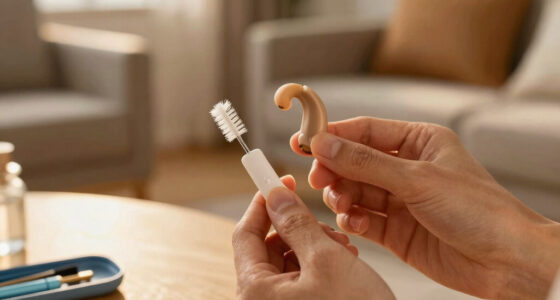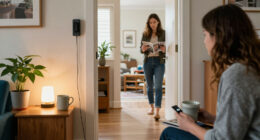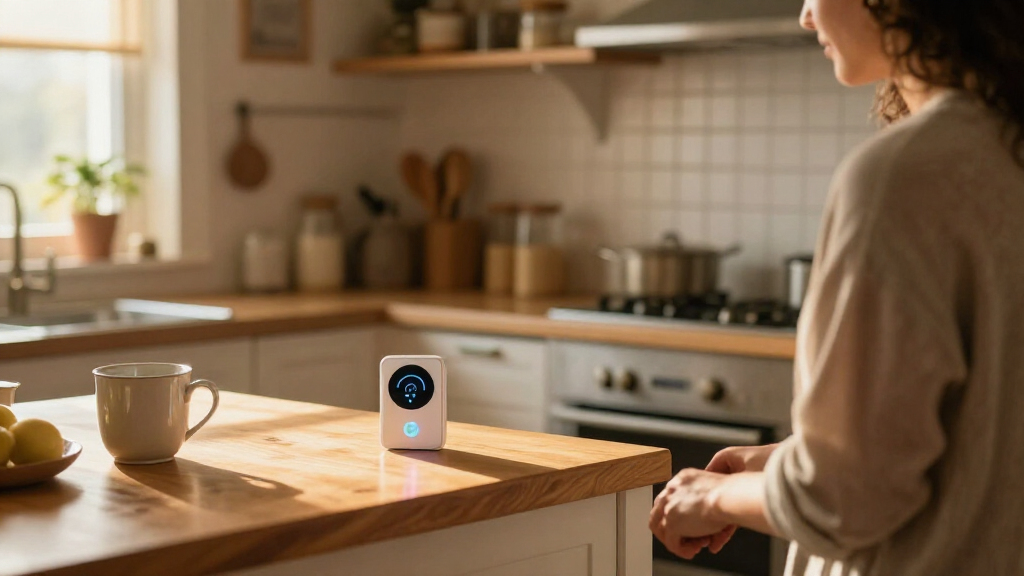
For most households, I’d choose the Sonic Alert HomeAware II Basic Starter Kit as the best overall pick because it is designed for home signaling, while the Bellman & Symfon Push Button Notification System stands out for a personal vibrating alert and the Loud Flash Doorbell for visible door notifications across multiple rooms. The main tradeoff is between room-wide visual alerts, wearable vibration, and systems that add caregiver call buttons or app connectivity. Coverage, receiver placement, and whether alerts need to work during sleep can matter as much as the number of transmitters included. No single alert system covers every need, so I compare dedicated doorbells, caregiver pagers, and broader home alert kits separately. Read on for the full breakdown and guidance on matching an alert to your home and routine.

Get everyday helpers delivered free with Prime
- Fast, free delivery on millions of items
- Prime Video, Amazon Music and more included
- Member-only deals all year
Key Takeaways
- The lineup serves different alert jobs. Doorbell-focused models such as the Loud Flash Doorbell and Wireless Doorbell with 7 Color Lights are not substitutes for caregiver call-button systems or broader home signaling kits.
- Receiver placement can matter more than transmitter count. A multi-receiver setup may help cover separate rooms, while a single pager can be easier to carry but may leave a stationary user without a nearby alert.
- Vibration changes the use case. Bellman & Symfon and the portable CallToU option suit people who need a personal cue; bright lights are more useful when the user is within sight of a receiver.
- More communication features bring more setup decisions. The CallToU intercom kit adds two-way communication, while Wi-Fi options add connectivity considerations that basic radio-frequency pagers avoid.
- Power and installation divide the field. The First Alert SLED177 is hardwired, unlike the wireless choices, so it may fit a fixed installation but is less flexible for renters or changing room layouts.
| First Alert SLED177 Hardwired Hearing-Impaired LED Strobe Light – White |  | Best for Interconnected Fire Alerts | Light source: LED | Power: Hardwired | Voltage: 120 V | VIEW LATEST PRICE | See Our Full Breakdown |
| Sonic Alert HomeAware II Basic Starter Kit |  | Best Overall for Multi-Alert Home Signaling | Model: HA360MBK | Alarm sensor type: Acoustic | Power: Corded electric with rechargeable battery backup | VIEW LATEST PRICE | See Our Full Breakdown |
| CallToU Wireless Caregiver Pager with Two Call Buttons |  | Best for Simple, Private Caregiver Requests | Model: CC21 | Included: Two call buttons and one receiver | Maximum stated range: 1,000 ft | VIEW LATEST PRICE | See Our Full Breakdown |
| CallToU Wireless Caregiver Pager and Intercom System with 2 Receivers, 2 Call Buttons, and 2 Walkie-Talkies | 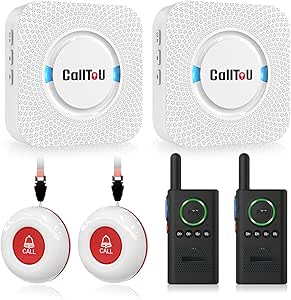 | Best for Two-Way Household Communication | Included components: Two receivers, two call buttons, and two walkie-talkies | Maximum stated range: 500 ft in open areas | Recommended indoor range: Under 300 ft | VIEW LATEST PRICE | See Our Full Breakdown |
| CallToU Wi-Fi Caregiver Call Button Emergency Alert System for Seniors |  | Best for Shared Smartphone Alerts | Model: TY02BL | Included: Two call buttons, one wrist button, and one receiver | Wireless range: Up to 328 ft (100 m) | VIEW LATEST PRICE | See Our Full Breakdown |
| Bellman & Symfon Push Button Notification System – Wireless Caregiver Call Button with Vibrations (Push Button TX + Pager RX) |  | Best for Strong Visual and Tactile Alerts | Wireless range: Up to 250 meters | Power source: Alkaline battery | Included transmitter: Push button TX | VIEW LATEST PRICE | See Our Full Breakdown |
| CallToU Wireless Caregiver Pager System with 4 Call Buttons |  | Best for Multiple Call Points | Manufacturer: CallToU | Model: CC22WH 4-1 | Included components: One plug-in receiver and four call buttons | VIEW LATEST PRICE | See Our Full Breakdown |
| Loud Flash Doorbell with 7 Colors of Bright Light and 4 Volume Levels, Wireless Doorbell up to 600 ft |  | Best for Visual Doorbell Alerts | Manufacturer: HSYIJIA | Model: A201 | Included components: Two transmitters and three receivers | VIEW LATEST PRICE | See Our Full Breakdown |
| CallToU Portable Vibrating Caregiver Pager System, 4 Call Buttons and 2 Receivers |  | Best for Wearable Caregiver Alerts | Included components: Two receivers and four call buttons | Maximum stated range: Up to 500 feet | Alert types: Vibration, flashing lights, ringtone | VIEW LATEST PRICE | See Our Full Breakdown |
| PRNBRH CF106 Wi-Fi Medical Alert System for Seniors with 2 Call Buttons and Receiver |  | Best for Smartphone Notifications | Brand: PRNBRH | Model: CF106 | Included items: Two call buttons and one receiver | VIEW LATEST PRICE | See Our Full Breakdown |
| CallToU Caregiver Pager with 2 Wireless Call Buttons for Elderly at Home |  | Best for Mobile, Multi-Room Care | Components: 1 plug-in receiver, 1 rechargeable portable pager, 2 wireless call buttons | Stated range: Up to 500 ft in open air | Expandable call buttons: Up to 30 compatible buttons | VIEW LATEST PRICE | See Our Full Breakdown |
| CallToU Bell Call Button for Elderly Wireless Caregiver Pager Alert System |  | Best for Whole-Home Visual Coverage | Model: CC01BL | Included buttons: 4 waterproof SOS buttons | Included receivers: 2 plug-in receivers | VIEW LATEST PRICE | See Our Full Breakdown |
| Wireless Doorbell with 7 Color Lights for Deaf People |  | Best for Visual Doorbell Alerts | Brand: Bloepum | Model: 501038345A1 | Included units: 1 transmitter and 1 receiver | VIEW LATEST PRICE | See Our Full Breakdown |
| FullHouse Caregiver Pager with Wireless Call Button and Emergency Wristband |  | Best for Long Open-Air Reach | Brand: Full House | Open-air range: Up to 1,000 ft | Range through walls: About 500 ft | VIEW LATEST PRICE | See Our Full Breakdown |
More Details on Our Top Picks
First Alert SLED177 Hardwired Hearing-Impaired LED Strobe Light – White
The SLED177 is the most focused fire-alert pick here: its 177-candela LED strobe gives occupants a visual warning, and it can synchronize with additional units. Its key advantage over the Sonic Alert HomeAware II is direct interconnection with up to 18 compatible First Alert smoke, CO, or heat alarms, rather than listening for alarm sounds in the room. That makes it a stronger fit for a coordinated, hardwired household setup. The tradeoff is flexibility: this is a visual-only, 120 V device, not a general-purpose alert hub for calls or caregiver requests. It also has no battery backup, so it cannot provide its alert during an outage. I’d choose it for fixed fire signaling, not as a standalone replacement for other alert needs.
Pros:- Bright 177-candela LED strobe provides a visible fire warning
- Can synchronize flashing across multiple installed units
- Quick-connect wiring supports hardwired installation
- Interconnects with up to 18 compatible First Alert smoke, CO, or heat alarms
Cons:- Hardwired power with no battery backup leaves it unavailable during an outage
- Provides a visual alert only, without an audible alarm or other alert modes
- Works with compatible First Alert alarms rather than serving as a general alert system
Best for: Deaf or hard-of-hearing occupants in a home with compatible First Alert alarms who want synchronized visual fire alerts.
Not ideal for: Renters, people seeking a portable or battery-backed alert, or households needing alerts for calls, texts, or caregiver requests.
- Light source:LED
- Power:Hardwired
- Voltage:120 V
- Mounting:Ceiling or wall
- Strobe intensity:177 candela
- Interconnection:Up to 18 compatible First Alert smoke, CO, or heat alarms
- Color and shape:White, round
- Weight:8.16 oz
Our verdict“Choose the SLED177 for synchronized visual warnings from compatible hardwired fire alarms, but not for portable or all-purpose alerting.”
Sonic Alert HomeAware II Basic Starter Kit
Among these five options, the HomeAware II covers the widest range of alerts relevant to deaf and hard-of-hearing users: it pairs a flashing strobe, bed shaker, and scrolling text with sound alerts. It listens for existing smoke and CO alarm patterns, and can also show cellphone calls and texts through its app and signal landline calls. Unlike the First Alert SLED177, it is not directly interconnected with alarms and does not detect smoke or CO itself; it must hear a compatible alarm nearby. That distinction makes placement and regular testing part of the setup. Its rechargeable battery backup adds resilience, while the included bed shaker is useful for waking someone who may not see the display. I’d favor it for a bedroom-centered, multi-alert setup, not for anyone seeking a standalone fire detector.
Pros:- Combines strobe, bed shaker, audio tones, and scrolling text
- Can signal cellphone calls and texts through the app and landline calls
- Rechargeable battery backup supports alerts during a power interruption
- Listens for T3 smoke and T4 CO alarm patterns
Cons:- Does not detect smoke or carbon monoxide directly
- Must be placed in the same room as existing alarms and tested regularly
Best for: Deaf or hard-of-hearing people who want bedroom fire alerts plus visual and tactile signals for phone and landline calls.
Not ideal for: Buyers who need a smoke or CO detector in the device itself, or who cannot place and test it near existing alarms.
- Model:HA360MBK
- Alarm sensor type:Acoustic
- Power:Corded electric with rechargeable battery backup
- Alert methods:Flashing strobe, bed shaker, audio tones, and scrolling text
- Alarm patterns:T3 smoke and T4 CO
- Connectivity:Bluetooth and HomeAware app
- Included:HomeAware alerting system and bed shaker
- Dimensions:5 × 6 × 6.5 in
Our verdict“Pick the HomeAware II for layered fire, phone, and wake-up alerts, provided you already have compatible alarms nearby.”
CallToU Wireless Caregiver Pager with Two Call Buttons
This CallToU kit is a straightforward way for someone at home to summon a nearby caregiver: two buttons can stay in separate rooms while one portable receiver flashes or vibrates. It arrives pre-paired and needs no network, so setup is simpler than the CallToU Wi-Fi Caregiver Call Button System, which adds app sharing but depends on 2.4 GHz Wi-Fi. For a deaf user, vibration and flashing provide useful alternatives to the receiver’s ringtone, and the five volume settings include mute. Its purpose is narrower than the HomeAware II: it does not listen for smoke or CO alarms or handle phone notifications. The receiver also runs on three AAA batteries, so you’ll need to monitor its power, and the stated range should be checked in the actual home. I’d choose it for basic, local caregiver signaling.
Pros:- Two call buttons can be placed in different rooms
- Receiver supports flashing and vibration as well as ringtone alerts
- Pre-paired setup requires no network
- Portable receiver lets a caregiver carry alerts around the home
Cons:- Receiver requires three AAA batteries
- Wireless range can vary with the home’s layout and obstacles
Best for: Deaf or hard-of-hearing people at home who need an uncomplicated way to call a nearby caregiver from two locations.
Not ideal for: Households needing fire-alarm monitoring, smartphone notifications, or a receiver that does not rely on replaceable batteries.
- Model:CC21
- Included:Two call buttons and one receiver
- Maximum stated range:1,000 ft
- Alert modes:Ringtone, vibration, and flash combinations
- Volume settings:Five, including mute
- Receiver power:Three AAA batteries
- Call button battery:12 V alkaline battery included
- Mounting:Wall mount
Our verdict“Choose this pager for a simple two-button caregiver alert without Wi-Fi, but not for fire or phone notifications.”
CallToU Wireless Caregiver Pager and Intercom System with 2 Receivers, 2 Call Buttons, and 2 Walkie-Talkies
This bundle stands apart from the other caregiver pagers by combining two call buttons, two receivers, and two walkie-talkies. The buttons can summon help, while the radios add a way to speak back and forth; that is a more communication-focused setup than the CallToU CC21, which supplies one portable receiver and no intercom radios. For a deaf user, the receivers offer visual alerts, but the listed alert options emphasize ringtones and volume rather than vibration, so I would not treat it as a tactile alert solution. Its stated range is up to 500 feet in open areas and under 300 feet indoors, where walls can reduce coverage. The receivers also need outlets, and the pager and intercom systems cannot pair with each other. I’d pick it when household communication matters more than compact portability.
Pros:- Includes two call buttons, two receivers, and two walkie-talkies
- Call buttons can be worn as pendants or mounted
- Receivers offer 55 ringtone options and five volume levels
- Call buttons and receivers are described as waterproof and dustproof
Cons:- Receivers need electrical outlets rather than offering portable battery operation
- Indoor walls and obstacles can reduce the stated open-area range
- Pager and intercom systems cannot be paired with each other
Best for: Households with a resident and caregiver who want call-button alerts plus separate two-way radios for conversation.
Not ideal for: People who need a wearable vibrating receiver, an integrated pager-and-intercom connection, or fully portable receivers.
- Included components:Two receivers, two call buttons, and two walkie-talkies
- Maximum stated range:500 ft in open areas
- Recommended indoor range:Under 300 ft
- Ringtones:55
- Volume settings:Five
- Maximum volume:110 dB
- Power:Receivers plug into electrical outlets
- Mounting:Wall or door mount
Our verdict“Choose this bundle for separate caregiver paging and two-way radio communication, but skip it if tactile alerts or one integrated system are priorities.”
CallToU Wi-Fi Caregiver Call Button Emergency Alert System for Seniors
This CallToU system adds an app layer to caregiver paging: alerts can reach shared family members’ smartphones, and the buttons can have custom names in the app. It also includes two call buttons, a wrist button, and a receiver, giving it more ways to trigger an alert than the CC21, which is simpler and does not require a network. The tradeoff is setup dependence: this model needs 2.4 GHz Wi-Fi, and phone and text notifications require a paid subscription. Its receiver provides 20 ringtones and five volume levels, but the supplied details do not list vibration or a dedicated flashing alert, so deaf buyers should confirm the receiver’s visual signaling is suitable before choosing it. This is a caregiver-call system, not a fire alarm monitor. I’d select it for families who value shared app alerts and accept those limits.
Pros:- App supports shared alerts with family members
- Custom button names can help identify where an alert came from
- Includes two call buttons, a wrist button, and a receiver
- Receiver offers 20 ringtones and five volume levels
Cons:- Wi-Fi connection supports 2.4 GHz only
- Phone and text notifications require a paid subscription
- Provided details do not specify vibration or a dedicated visual receiver alert
Best for: Families supporting a deaf or hard-of-hearing person who want caregiver button alerts shared through an app over 2.4 GHz Wi-Fi.
Not ideal for: Buyers without 2.4 GHz Wi-Fi, anyone unwilling to pay for phone and text notifications, or users needing confirmed tactile or fire-alarm alerts.
- Model:TY02BL
- Included:Two call buttons, one wrist button, and one receiver
- Wireless range:Up to 328 ft (100 m)
- Wireless technology:433 MHz RF
- Wi-Fi compatibility:2.4 GHz only
- Ringtones and volume:20 ringtones and five volume levels
- Power:Battery powered; two AAA batteries included
- Phone and text notifications:Require a paid subscription
Our verdict“Choose this system for shared app-based caregiver alerts if you have 2.4 GHz Wi-Fi and accept the subscription requirement for phone and text notifications.”
Bellman & Symfon Push Button Notification System – Wireless Caregiver Call Button with Vibrations (Push Button TX + Pager RX)
For deaf users who need more than a flashing doorbell, the Bellman & Symfon system combines LED symbols, a strobe, and a bed shaker, so an alert can be noticed visually or through vibration. Its pre-paired transmitter and pager are ready to use without wiring, while the stated 250-meter range gives it more reach than the CallToU Portable Vibrating Caregiver Pager System’s 500-foot claim. The included lanyard also makes the push button easier to keep close at hand. This is a focused, tactile-alert option rather than a multi-button caregiver kit: unlike the CallToU portable system, it includes one push-button transmitter and one pager receiver. Battery-life details are not provided, so I would verify replacement needs before relying on it as a primary alert system.
Pros:- Combines LED symbols, a strobe light, and vibration for visual and tactile notification.
- Pre-paired components allow setup without wiring or configuration.
- Stated range of up to 250 meters exceeds the 500-foot claim of the CallToU portable pager.
- Can be expanded with additional transmitters and receivers.
Cons:- Battery-life details are not provided, making maintenance needs hard to estimate.
- Includes one push-button transmitter, fewer than the four buttons in either CallToU caregiver system in this batch.
Best for: Deaf or hard-of-hearing users who want a simple call button paired with both visual alerts and a bed shaker, especially where a longer stated range is useful.
Not ideal for: Households needing several call buttons or clear battery-life planning; this package includes one transmitter and does not state battery runtime.
- Wireless range:Up to 250 meters
- Power source:Alkaline battery
- Included transmitter:Push button TX
- Included receiver:Pager RX
- Included alert accessory:Bed shaker
- Alert types:LED symbols, strobe light, vibration
- Included accessories:Lanyard, screws, Velcro tape
- Expandability:Supports additional transmitters and receivers
Our verdict“Choose this system if a bed shaker and long-range visual alerts matter more than having multiple call buttons.”
CallToU Wireless Caregiver Pager System with 4 Call Buttons
Among these options, the CallToU four-button system is the clearest fit for a household or care setting where a user may need to call from several rooms. Its four pre-paired buttons avoid the one-button limit of the Bellman & Symfon system, and the IP65-rated buttons suit locations where splashes are a concern. The receiver plugs into an outlet, so it does not depend on hearing a sound from a small battery-powered pager; however, the listed alert details emphasize ringtones and adjustable sound rather than visual or vibration alerts. That makes it less tailored to deaf users than Bellman & Symfon or the CallToU portable system, both of which specify non-auditory alerts. I would choose it when multiple call locations matter most, not when a light or vibration is required.
Pros:- Includes four pre-paired call buttons for use in multiple rooms.
- IP65 waterproof rating makes the buttons suitable for splash-prone areas.
- Stated range of up to 150 meters supports use across a large home.
- Offers 55 ringtones and adjustable volume up to 110 dB.
Cons:- Receiver requires a power outlet, limiting placement if outlets are inconvenient.
- The listed alert features are sound-focused, with no visual or vibration alert specified.
- Product dimensions may not describe the full system.
Best for: Families and care providers who need four ready-to-use call buttons around a home or facility and can place the receiver near a power outlet.
Not ideal for: Deaf users who need a specified visual or vibrating notification; the product details list ringtones and volume but do not specify a strobe or vibration alert.
- Manufacturer:CallToU
- Model:CC22WH 4-1
- Included components:One plug-in receiver and four call buttons
- Wireless range:Up to 500 feet (150 meters)
- Ringtones:55
- Maximum sound level:110 dB
- Power source:Battery powered
- Included battery:One AAA alkaline battery
- Warranty:One year
Our verdict“Pick this for several call locations and water-resistant buttons, but skip it if the alert must be visual or tactile.”
Loud Flash Doorbell with 7 Colors of Bright Light and 4 Volume Levels, Wireless Doorbell up to 600 ft
The HSYIJIA A201 is the most doorbell-focused choice here: two transmitters can serve separate entrances, and three receivers provide more than one place to notice a visitor. Its seven flashing colors give a deaf user a visible alert, while four volume levels also accommodate household members who rely on sound. Compared with the Bellman & Symfon system, it is better suited to visitor alerts than caregiver calls and does not list a bed shaker or tactile notification. The stated range is up to 600 feet, but the product description also puts it at about 150 meters, so buyers should treat coverage as a stated maximum rather than a guarantee for every layout. Multiple AA batteries add upkeep across the transmitters and receivers.
Pros:- Seven flashing colors provide a conspicuous visual doorbell signal.
- Includes two transmitters and three receivers for coverage at multiple entrances or rooms.
- Four volume levels allow sound adjustment for hearing household members.
- Adhesive installation avoids drilling or wall damage.
Cons:- Several AA batteries are required across the transmitters and receivers, adding maintenance.
- No smartphone integration or app notification is specified.
- No vibration or bed-shaker alert is listed for users who may not see the lights.
Best for: Deaf or hard-of-hearing residents who want a visible doorbell alert at multiple locations and also need a conventional sound option for other household members.
Not ideal for: People seeking a wearable call button, bed shaker, app alerts, or a caregiver-style help system; this is a doorbell kit with no listed tactile or smartphone notification.
- Manufacturer:HSYIJIA
- Model:A201
- Included components:Two transmitters and three receivers
- Stated wireless range:Up to 600 feet (approximately 150 meters)
- Flashing colors:Seven
- Volume levels:Four
- Power:AA batteries; the description says each transmitter and receiver requires batteries
- Installation:Double-sided adhesive tape
- Color:White
Our verdict“Choose this for multi-room visual doorbell coverage, not for a wearable or tactile caregiver alert.”
CallToU Portable Vibrating Caregiver Pager System, 4 Call Buttons and 2 Receivers
For deaf users who need to request assistance, the CallToU portable system offers a stronger mix of non-auditory alerts than the plug-in CallToU four-button model: its two receivers provide vibration and flashing lights, as well as a ringtone. Four buttons can be worn as pendants, carried, or mounted, so a caller does not need to stay beside a fixed station. This makes it a better fit for caregivers moving between rooms than the HSYIJIA A201, which is designed to signal visitors at the door. The product states a range of up to 500 feet, but also describes the receiving distance as relatively short, so I would not choose it where dependable coverage across a large property is the main requirement. Its buttons are splash-resistant, not fully waterproof.
Pros:- Two receivers signal with vibration and flashing lights as well as a ringtone.
- Four call buttons can be worn as pendants, carried, or wall-mounted.
- Five volume levels provide adjustment up to 110 dB.
- Includes two receivers, letting alerts be received in more than one location.
Cons:- The stated range is up to 500 feet, but the description also calls the receiving distance relatively short.
- Buttons are splash-resistant rather than fully waterproof.
- The product details do not specify a bed shaker.
Best for: Deaf or hard-of-hearing users who need a portable way to request help and caregivers who want two receivers with visual and vibrating alerts.
Not ideal for: Households needing verified long-distance coverage or call buttons for wet environments; the range description is qualified and the buttons are only described as splash-resistant.
- Included components:Two receivers and four call buttons
- Maximum stated range:Up to 500 feet
- Alert types:Vibration, flashing lights, ringtone
- Volume levels:Five
- Maximum volume:110 dB
- Power source:Battery powered
- Included batteries:Two AAA batteries
- Button options:Portable, pendant-worn, or wall-mounted
- Button water resistance:Splash-resistant; not specified as fully waterproof
Our verdict“Choose this for portable help requests with vibrating and flashing receiver alerts, but look elsewhere for clearly specified wet-area protection.”
PRNBRH CF106 Wi-Fi Medical Alert System for Seniors with 2 Call Buttons and Receiver
The PRNBRH CF106 adds a smartphone path to a basic button-and-receiver alert system: pressing either of its two buttons can trigger an alarm at the receiver and an app notification to connected phones. That can help caregivers who are away from the receiver, a feature neither the Bellman & Symfon pager nor the CallToU portable system specifies. The tradeoff for deaf users is that the receiver is described as sounding an alarm, with no flashing light or vibration listed; the phone notification may be useful, but it depends on a compatible smartphone and app setup. Its wireless connection is stated to work during internet outages, while SMS alerts require a subscription. This is the most connected option in this group, but not the best choice for someone who needs a standalone tactile or visual alert.
Pros:- Smartphone app notifications can reach multiple connected caregivers.
- The stated wireless link can operate during internet outages.
- Basic pager function has no monthly fee.
- Includes two call buttons for separate locations or users.
Cons:- Receiver alert is described as an alarm, with no visual or vibration alert specified.
- Supports 2.4 GHz Wi-Fi only.
- SMS notifications require a subscription, and help must be requested by pressing a button.
Best for: Households with caregivers who want button-triggered app notifications on smartphones as well as an in-home receiver alarm.
Not ideal for: Deaf users who need a specified flashing-light or vibrating receiver alert, or buyers who want SMS notifications without a subscription.
- Brand:PRNBRH
- Model:CF106
- Included items:Two call buttons and one receiver
- Wi-Fi:2.4 GHz only
- Wireless range:Up to 300 feet
- Alarm volume:110 dB
- Control method:Smartphone app
- Batteries:Two A batteries included
- SMS notifications:Subscription required
Our verdict“Choose this when remote app alerts matter most, but skip it if the receiver itself must alert through light or vibration.”
CallToU Caregiver Pager with 2 Wireless Call Buttons for Elderly at Home
The rechargeable portable pager is the main advantage here: a caregiver can keep receiving alerts while moving around the home instead of relying only on a receiver plugged into one room. Its vibration-only mode also offers a useful silent alert for deaf users, though it is a pager notification rather than a dedicated flashing-light signal. Compared with the CallToU Bell Call Button system, this package has fewer buttons and receivers, but its portable pager better suits a caregiver who needs alerts while away from a fixed outlet. Two included call buttons cover a couple of locations, and expansion to up to 30 buttons can support a larger setup. The stated 500-foot range is open-air; walls can reduce coverage, so placement and testing matter.
Pros:- Portable rechargeable pager can alert a caregiver away from the plug-in receiver.
- Vibration-only mode provides a silent notification option.
- Two call buttons are included, with expansion support for up to 30 compatible buttons.
- Multiple volume settings and selectable tones allow alert customization.
Cons:- The described alert options do not specify a visual flashing notification for the user.
- The 500-foot range is open-air; walls and other obstructions can reduce coverage.
Best for: Caregivers who move between rooms and want a rechargeable, vibration-capable pager with room to add call buttons.
Not ideal for: Deaf users who need a clear visual flashing alert, or households that need reliable coverage across a large, obstructed home without checking signal reach.
- Components:1 plug-in receiver, 1 rechargeable portable pager, 2 wireless call buttons
- Stated range:Up to 500 ft in open air
- Expandable call buttons:Up to 30 compatible buttons
- Volume levels:5 adjustable levels
- Silent alert:Vibration mode
- Receiver ringtones:55 selectable tones
- Pager ringtones:18 selectable tones
Our verdict“Choose this system if a caregiver needs mobile vibration alerts and expandable call-button coverage, but skip it if a visible flash is essential.”
CallToU Bell Call Button for Elderly Wireless Caregiver Pager Alert System
For a deaf user who needs alerts available in several locations, this package stands out for combining four waterproof SOS buttons with two plug-in receivers. The receiver’s flashing LED adds a visual cue alongside its chimes, making it more directly suited to deaf users than the CallToU caregiver pager, whose listed silent alert is vibration. The two receivers can be placed in different rooms, while the four buttons offer more calling points without buying an expanded setup first. The system needs no WiFi or monthly fee, but its notification is still centered on plug-in receivers rather than a wearable vibrating pager. Its 500+ foot range is stated for open areas, and signal performance can change with walls and building materials; test the actual locations before relying on it.
Pros:- Four waterproof SOS buttons and two receivers provide several calling and notification locations.
- Flashing LED gives a visual alert alongside audible chimes.
- Offers 55 chimes and five volume levels, with volume listed up to 110 dB.
- Operates without WiFi or a monthly subscription.
Cons:- The four buttons require four 12V batteries, which will need replacement over time.
- The stated 500+ ft range is for open areas and can vary with home construction.
- Plug-in receivers do not provide the mobile pager format included with the CallToU two-button caregiver system.
Best for: Households seeking multiple call points and visible receiver alerts for a deaf family member, with caregivers able to place receivers around the home.
Not ideal for: Caregivers who need a portable or wearable alert while moving away from plug-in receivers, or users who need a guaranteed signal through a heavily obstructed home.
- Model:CC01BL
- Included buttons:4 waterproof SOS buttons
- Included receivers:2 plug-in receivers
- Signal range:500+ ft in open area
- Maximum volume:Up to 110 dB
- Chimes:55 selectable tones
- Volume settings:5 levels
- Button batteries:4 x 12V batteries, included
Our verdict“Pick this for multi-room coverage with visual receiver alerts and several SOS buttons, but not if the caregiver needs a wearable notification.”
Wireless Doorbell with 7 Color Lights for Deaf People
This Bloepum doorbell has a straightforward purpose: alert someone inside when a visitor presses the transmitter. Its seven-color LED lights make it the most doorbell-focused visual option in this group, unlike the CallToU Bell system, which is built around SOS buttons for caregiver communication. The no-wiring setup suits renters or anyone who wants a simpler installation across rooms or floors, and the description says its wireless signal can pass through walls and floors. That makes it a practical choice for door notifications, not a substitute for a multi-button emergency alert network. The package contains one transmitter and one receiver, so it offers less distributed coverage than the CallToU Bell’s four buttons and two receivers. AA batteries are not included, and the supplied details do not give a specific range or light-flash pattern.
Pros:- Seven LED colors provide a visual notification when the doorbell is pressed.
- Wireless, no-wiring setup suits homes, apartments, offices, and care facilities.
- Description states that transmission can pass through walls and floors.
- Combines visual lights with an audible alert.
Cons:- Only one transmitter and one receiver are listed, limiting coverage compared with the four-button CallToU Bell system.
- Transmitter and receiver AA batteries are not included.
- The provided product data does not specify an exact wireless range or detailed light behavior.
Best for: Deaf or hard-of-hearing residents who want a simple wireless visitor doorbell with multicolor visual notification.
Not ideal for: Care recipients who need several emergency call buttons, multiple receivers, or a wearable alert for a caregiver.
- Brand:Bloepum
- Model:501038345A1
- Included units:1 transmitter and 1 receiver
- Visual alert:7-color LED lights
- Transmitter battery:1 AA battery, not included
- Receiver batteries:3 AA batteries, not included
- Material:ABS
- Listed item weight:256 g
Our verdict“Choose this for a basic visitor doorbell with multicolor visual alerts, not for caregiver call coverage around the home.”
FullHouse Caregiver Pager with Wireless Call Button and Emergency Wristband
The FullHouse system is the range-focused choice in this group, with a stated reach of up to 1,000 feet in open air and about 500 feet through walls. That can suit a caregiver working across a large property, while the included wristband gives the user a way to keep the call button accessible. For deaf users, its silent LED alert is more relevant than relying on the 52 melodies, though the product details do not describe the LED’s visibility or intensity. Compared with the Bloepum doorbell, this is designed for caregiver calls rather than visitor notifications; compared with the CallToU two-button system, it lists a longer open-air range but just one call button. The button is splash-proof, not immersion-safe, so it is a poor fit for bathing or other wet use.
Pros:- Stated open-air range reaches up to 1,000 feet.
- Silent LED alert offers a non-audible notification option.
- Wristband lets the user wear the call button instead of leaving it in one place.
- Includes two C batteries and requires no monthly fee.
Cons:- Range is listed at about 500 feet through walls, well below the open-air figure.
- The call button is splash-proof but not suitable for immersion.
- Only one call button is listed, compared with the two included in the CallToU caregiver pager system.
Best for: Caregivers covering a large open property who want a wrist-worn call button and a silent LED notification option.
Not ideal for: Users who need multiple call points, a button suitable for immersion, or a stated long range through walls and dense construction.
- Brand:Full House
- Open-air range:Up to 1,000 ft
- Range through walls:About 500 ft
- Alert options:52 melodies and silent LED flash
- Volume levels:5 levels, 0–110 dB
- Call button:Splash-proof; not suitable for immersion
- Batteries:2 C batteries, included
- Item weight:8.1 ounces
Our verdict“Choose this for a wearable caregiver button and long open-air reach, but not for multiple calling locations or wet-area use.”

How We Picked
I ranked these 14 systems by how directly they address the needs behind wireless alerts for deaf and hard-of-hearing users: clear visual or vibration signals, practical coverage, and a setup that fits the alert source. I gave more weight to options that explain a distinct use case—such as door notifications, portable personal alerts, or multiple caregiver call points—than to a larger bundle of components by itself. The First Alert SLED177 is included because it is relevant to hearing-impaired signaling, but its hardwired design ranks below wireless options for buyers specifically seeking flexibility.
I also compared usability, expandability, and everyday tradeoffs. A system that can alert someone in another room has a different value from a pager intended to be carried, and Wi-Fi connectivity is not automatically better if a buyer wants a straightforward local alert. The order favors broad usefulness first, then narrower strengths such as portability, intercom communication, multiple call buttons, or doorbell-specific lighting. I did not treat medical-alert products as substitutes for emergency services or assume that any product provides a monitored response.
Factors to Consider When Choosing Wireless Alert Systems For Deaf Users
Before choosing a model, I’d start with the alert event and the person who must notice it. A doorbell, a caregiver call, and a smoke or household alert are different problems, even when each product is marketed as an alert system. The following checks help prevent buying a device that signals reliably but signals the wrong thing, in the wrong room, or in a way the user may not notice.
Match the alert source to the system
List the events that need a signal before comparing kits: visitors, a caregiver request, phone calls, or other household alarms. A doorbell transmitter may handle visitors well but will not automatically capture every alarm in the home. Caregiver call buttons solve a different problem and may require the user to press a button, so they are not a replacement for automatic detection. A common mistake is to buy a bundle with several buttons when the real need is an alert triggered without anyone pressing one. I’d favor a system that names the alert sources it supports, then check whether additional transmitters are compatible. If the household needs several alert types, plan how the user will tell them apart rather than assuming every alert means the same thing.
Choose visual, vibration, or a combination
Flashing lights work only when the user can see the receiver, while vibration can help when the receiver is carried or worn. Think about sleep, mobility, vision, and where the person spends time before treating either signal as sufficient. Brightness, color, and placement can affect visibility, but a light hidden behind furniture or in a bright room may be easy to miss. Vibration also has limits: a pager left on a table cannot provide a personal cue as reliably as one kept close to the body. When missed alerts would have serious consequences, consider a system with more than one notification method and test whether the person can distinguish its patterns. Do not assume a product’s hearing-impaired label means its alert is suitable for every user’s vision or sensory needs.
Plan coverage around rooms and movement
Advertised wireless range is usually a best-case figure, not a promise for every house. Walls, floors, appliances, and receiver placement can reduce signal strength, so a large open range does not guarantee coverage between floors or through dense construction. Draw a simple room map and mark where the alert originates, where the user will be, and where a receiver can be plugged in or carried. Multiple receivers can help cover fixed locations, whereas a portable pager better suits someone who moves around. Buyers often count transmitters but overlook the number and location of receivers. Check whether the system supports extra receivers and whether each can be paired independently before relying on one kit for a larger home.
Decide whether connectivity is worth the setup
Basic wireless systems can be appealing when the goal is a direct local alert with fewer setup steps. Wi-Fi models may suit households that want network-based features, but they also bring dependence on a working router, account setup, and a reliable internet connection for any features that use it. Ask what happens if the network or power goes down, and whether the system still provides a local alert. Do not infer monitoring or emergency dispatch from the phrase “medical alert”; confirm exactly what the product does and what services, if any, are separate. For a buyer who wants a simple caregiver call button, a more connected system can add complexity without solving a real need. Choose connectivity for a specific feature, not because it sounds like a general upgrade.
Check power, installation, and daily upkeep
Wireless describes how a signal travels; it does not mean every component is battery-free or installation-free. Check which parts use replaceable batteries, which need charging, and whether a receiver must remain plugged in. Hardwired options such as the First Alert SLED177 can suit a fixed location, but installation and relocation are less flexible than with plug-in receivers. Battery upkeep is easy to overlook, especially for a device that may sit unused until an alert occurs. I’d set a recurring test routine and confirm the user can recognize the signal after any change to placement or settings. If the system depends on a wearable pager, also consider whether the person is likely to keep it charged and within reach.
Pay for the feature that changes the outcome
More buttons, receivers, and communication features are useful only if they match how the household operates. Multiple call buttons can identify different locations or give a person more than one way to request help, while an intercom can support a quick spoken exchange after an alert. Neither feature helps if the user cannot reach the button or if a receiver is outside the caregiver’s range. Before paying for a larger setup, decide who will respond, where they will be, and what they need to do after the signal. For a visitor alert, lighting and receiver coverage may matter more than extra call buttons. For an individual who needs a private cue while moving around, a portable vibrating receiver may be a better use of the budget than a stationary multi-receiver bundle.
Frequently Asked Questions
Can one wireless alert system notify me about both visitors and caregiver calls?
Sometimes, but only when the system supports the relevant transmitters and can distinguish the alerts clearly. A doorbell transmitter is designed for a visitor signal, while a caregiver call button requires someone to press it. Before buying, confirm whether both types can pair with the same receiver and whether their light or vibration patterns differ. If the signals look or feel identical, the user may not know whether to answer the door or respond to a care request. A separate, clearly labeled alert path can be safer than combining incompatible devices.
Will a wireless alert system work through walls or between floors?
It may, but the advertised range does not predict performance in every building. Walls, floors, metal surfaces, and household electronics can weaken a signal, and the effect varies by layout. Place the receiver where it will be used, then test each transmitter from its actual location before relying on it. If one area has weak reception, a compatible additional receiver may help, though it will not fix every pairing or range limitation. Check the manufacturer’s guidance on range and compatibility rather than assuming two systems with similar claims will work together.
Should I choose a flashing-light alert or a vibrating pager?
Choose based on where the user is and what they are likely to notice. A flashing receiver can alert someone nearby without requiring them to wear or carry anything, while vibration is more personal and can work when the receiver is close to the body. A stationary light may be missed if the person is in another room or facing away, and a pager may be missed if it is set down or its battery is depleted. Some households benefit from using both forms, particularly when the alert must be noticed across different routines. Check that the user can perceive the signal and identify what it means.
Do Wi-Fi caregiver alert systems still work if the internet goes out?
That depends on the model and the feature being used. Some systems may provide local signaling without internet, while app notifications or remote access can depend on a working network. Read the product’s outage behavior carefully and ask whether the call button still reaches its receiver during an internet or router failure. Also check what happens during a power outage, since both the router and receiver may need power. If the system is intended for urgent communication, do not rely on an assumed backup path; confirm it before use and keep a separate way to call for help.
Are caregiver pagers a substitute for monitored medical alert service?
No. A caregiver pager generally sends a signal to a paired receiver or caregiver; that does not by itself mean an operator is monitoring the alert or emergency services will be contacted. A medical-alert product’s name can sound broader than its actual function, so check whether monitoring is included, how it is activated, and who receives the call. Consider the person’s needs when deciding whether a local caregiver signal is enough or whether a separate monitored service is appropriate. Keep emergency contact plans and backup communication methods clear for everyone who may respond.
Conclusion
For the widest fit among these options, I’d start with the Sonic Alert HomeAware II Basic Starter Kit as my best overall pick, while checking that its supported signals match the alerts your household needs. The CallToU Wireless Caregiver Pager with Two Call Buttons is a practical value choice for a straightforward caregiver-call setup, and the CallToU intercom system is the premium-style option for households that need two-way communication as well as alerts. Beginners who want a simple visitor signal can start with a dedicated light-up doorbell, such as the Loud Flash Doorbell, rather than a multi-purpose caregiver bundle. For a personal vibrating cue, compare the Bellman & Symfon system with the portable CallToU pager; for fixed installation, consider the First Alert SLED177 only if hardwiring suits the home. My final choice would depend on who needs the alert, where they will be, and whether a light, vibration, or both will be noticed.