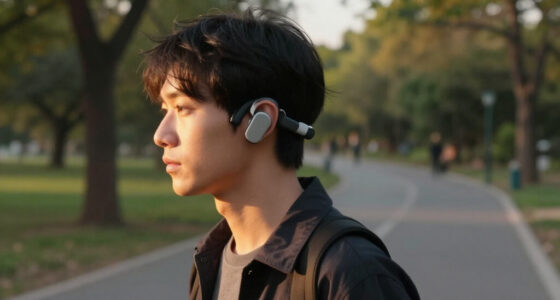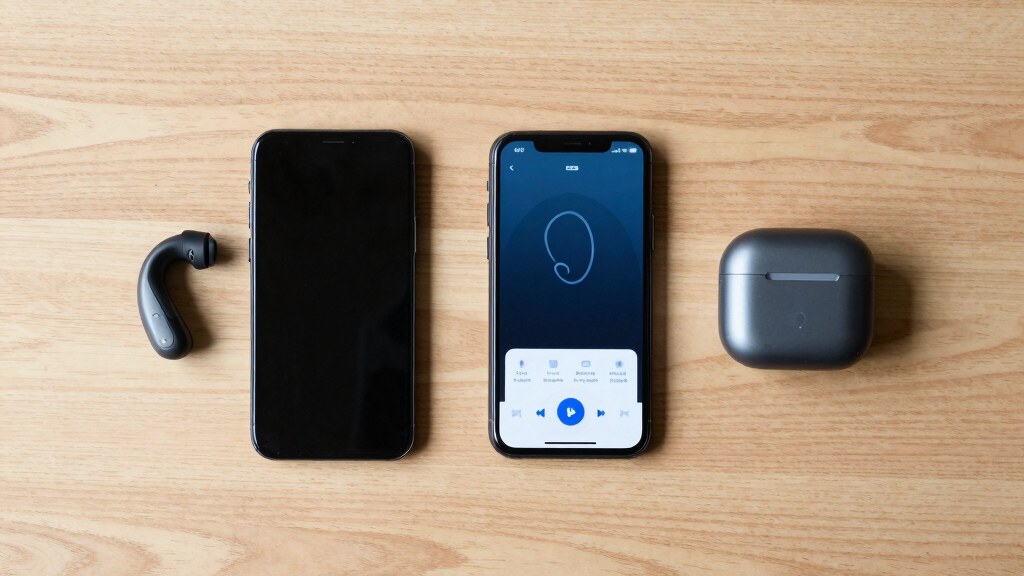

Among the best assistive listening devices, the Williams Sound PockeTalker Ultra DUO is my best overall pick because it combines straightforward personal amplification with two listening options. The SuperEar SE5000 is the stronger value choice for occasional conversations and TV listening, while the Avantree AuraPlex MX offers a more advanced wireless approach for churches and events. The main choice is between a simple personal amplifier for one listener and a transmitter-based system built to serve a room or group. Buyers must also weigh range, receiver count, listening accessories, charging demands, and compatibility with hearing devices. Continue reading for my full breakdown of all 15 options and the buyer types each one serves best.

Get everyday helpers delivered free with Prime
- Fast, free delivery on millions of items
- Prime Video, Amazon Music and more included
- Member-only deals all year
Complete the kit


Key Takeaways
- Williams Sound PockeTalker Ultra DUO takes the top position because its simple controls and included headphone and earbud suit more personal-listening situations than highly specialized group systems.
- SuperEar SE5000 offers the best value for occasional use, but it lacks the long-range transmission and multi-listener support found in the Retekess and Avantree systems.
- The two Retekess TT119 configurations stand apart through their advertised 300-meter range; the recording version makes more sense when buyers also need to capture sessions.
- Avantree AuraPlex MX is my premium event pick, while the Audiplex MX package is easier to plan around when a venue needs ten receivers from the start.
- Bone-conduction, rear-wear, headphone, and earbud packages are not interchangeable conveniences: earpiece choice can determine comfort and hearing-aid compatibility.
| Williams Sound PockeTalker Ultra DUO Sound Amplifier with Headphone & Earbud |  | Best Overall Personal Amplifier | Power source: Battery powered | Battery requirement: 2 AAA alkaline batteries | Maximum battery life: Up to 100 hours | VIEW LATEST PRICE | See Our Full Breakdown |
| Retekess TT119 Assistive Listening System with 17 Channels, Long Range up to 300m, for Church, Court, Conference |  | Best for Large Venues | Connectivity: Wireless | Maximum range: Up to 300 meters | Number of channels: 17 | VIEW LATEST PRICE | See Our Full Breakdown |
| Williams Sound PKT D1 H26 with Rear-Wear Headphones |  | Best Rear-Wear Headphone Kit | Model: PKT D1 H26 | Device type: Personal assistive listening amplifier | Amplifier: Included | VIEW LATEST PRICE | See Our Full Breakdown |
| Williams Sound Pocketalker Ultra Hearing Amplifier with Batteries and Accessories |  | Best Accessory Bundle | Maximum amplification: Up to 40 dB | Controls: Separate adjustable volume and tone | Included batteries: 20 AAA batteries | VIEW LATEST PRICE | See Our Full Breakdown |
| Reizen Loud Ear 110dB Gain Personal Amplifier |  | Best for Long-Distance Pickup | Product type: Personal sound amplifier | Sensitivity: 120 dB | Title-listed gain: 110 dB | VIEW LATEST PRICE | See Our Full Breakdown |
| Retekess TT106S Assistive Listening System with Microphone and Speaker |  | Best for Multi-Team Coordination | Battery Life: Up to 50 hours | Range: 200 meters / 656 feet | Channels: 9,999 | VIEW LATEST PRICE | See Our Full Breakdown |
| ConvoAssist Personal Sound Amplifier |  | Best for Two-Person Conversations | Wireless Microphones: 2 included | Maximum Range: 100 feet | Battery Life: Up to 8 hours per charge | VIEW LATEST PRICE | See Our Full Breakdown |
| Retekess T130 Assistive Listening System with Bone Conduction Headphones |  | Best Open-Ear Group System | Receivers Included: 15 | Transmitter Channels: Up to 99 | Battery Life: Up to 8 hours | VIEW LATEST PRICE | See Our Full Breakdown |
| Avantree Audiplex MX Multi-Channel Assistive Listening System |  | Best for Synchronized Live Audio | Selectable Channels: 4 | Latency: 30ms | Range: 100 meters / listed 1,028 feet | VIEW LATEST PRICE | See Our Full Breakdown |
| Retekess TT119 Assistive Listening System with 300m Range and Recording Function |  | Best for Large Multilingual Venues | Range: 300 meters / 980 feet | Channels: 17 | Receiver Weight: 90 grams | VIEW LATEST PRICE | See Our Full Breakdown |
| Avantree AuraPlex MX Auracast Assistive Listening System |  | Best Auracast System for Larger Groups | Model: AuraPlex MX | Transmitter: 1 | Receivers: 10 | VIEW LATEST PRICE | See Our Full Breakdown |
| SuperEar SE5000 Personal Hearing Amplifier |  | Best Simple Personal Amplifier | Amplification: Up to 50 dB | Total decibel gain: 107 dB | Battery life: Up to 30 hours | VIEW LATEST PRICE | See Our Full Breakdown |
| Personal Sound Amplifier for Seniors with Microphones, Headphones and Earbud |  | Best for Flexible Microphone Placement | Maximum gain: 50 dB | Total gain: Up to 108 dB | Microphone configurations: 3 | VIEW LATEST PRICE | See Our Full Breakdown |
| Venucast AuraPlex M3 Auracast Assistive Listening System |  | Best Starter Auracast Venue Kit | Transmitter: 1 | Receivers: 3 | Wireless format: Bluetooth LE Audio with Auracast | VIEW LATEST PRICE | See Our Full Breakdown |
| 4-Person Assistive Listening System with Carrying Case and Support |  | Best Expandable System with Long Warranty | Initial listener capacity: 4 people | Item weight: 14 lb | Warranty: 3-year US-based warranty | VIEW LATEST PRICE | See Our Full Breakdown |
More Details on Our Top Picks
Williams Sound PockeTalker Ultra DUO Sound Amplifier with Headphone & Earbud
I rank the Williams Sound PockeTalker Ultra DUO highest among these personal models because its separate volume and tone controls give buyers more useful personalization than the basic volume adjustment on the Reizen Loud Ear. The removable microphone can be positioned near a speaker or television, helping prioritize nearby speech during conversations, car rides, and TV viewing. A headphone and earbud are included, so users can choose between two listening styles. Its 100-hour battery life also makes it less demanding than rechargeable devices that require frequent charging. The tradeoff is that it offers no active noise control, despite being designed to focus on nearby sound, and disposable AAA batteries add ongoing expense. Its very light plastic construction may also feel less substantial than buyers expect.
Pros:- Separate volume and tone controls support personalized listening
- Removable microphone can be positioned close to the desired sound
- Up to 100 hours of operation reduces battery-change frequency
- Includes both a headphone and an earbud
Cons:- No active noise-control system for busy environments
- Requires disposable AAA batteries that are not included
- Lightweight plastic construction may feel less durable
Best for: Adults who want a portable, adjustable amplifier for one-on-one conversations, television listening, and car rides
Not ideal for: People who need active background-noise cancellation or a device built for severe hearing loss
- Power source:Battery powered
- Battery requirement:2 AAA alkaline batteries
- Maximum battery life:Up to 100 hours
- Controls:External volume and tone controls
- Microphone:Removable
- Included listening options:Headphone and earbud
- Audio sensitivity:110 dB
- Carrying options:Lanyard and belt clip
Our verdict“This is my leading personal-use pick for buyers who value simple controls, flexible listening accessories, and long battery life.”
Retekess TT119 Assistive Listening System with 17 Channels, Long Range up to 300m, for Church, Court, Conference
I place the Retekess TT119 in the large-venue role because its 300-meter range and 17 channels address a different problem from the close-range PockeTalker Ultra DUO. Churches, courts, and conferences can use those channels for simultaneous interpretation or separate listening groups, while audio-mixer compatibility helps integrate the system with installed sound equipment. Recording and one-click mute controls add practical value for organized events. Compared with the Avantree Audiplex MX, which is presented as a ten-receiver package, this model’s defining advantage is its long transmission range. It is not a casual personal amplifier, though: the corded desktop transmitter, 3.86-kilogram weight, and large case make transport more involved. Buyers without audio-system knowledge may also need help configuring channels and inputs for reliable venue-wide operation.
Pros:- Transmission range reaches up to 300 meters
- Seventeen channels support interpretation and separate listener groups
- Recording and one-click mute functions suit managed events
- Multiple audio inputs support connection to venue equipment
Cons:- The 3.86-kilogram system is cumbersome for frequent transport
- Channel and audio-source setup may require technical knowledge
- Corded transmitter limits placement to locations near electrical power
Best for: Churches, courts, conference organizers, and interpretation teams that need multi-channel audio across a large venue
Not ideal for: Individuals seeking a pocket-sized conversation amplifier with minimal setup
- Connectivity:Wireless
- Maximum range:Up to 300 meters
- Number of channels:17
- Transmitter type:Desktop FM transmitter
- Connector:3.5 mm jack
- Compatible equipment:Audio mixer
- Power source:Corded electric; 1 AA battery required
- Weight:3.86 kilograms
- Dimensions:17.91 x 12.2 x 10.63 inches
Our verdict“This is my venue-focused choice for organizations that need long-range, multi-channel listening rather than personal amplification.”
Williams Sound PKT D1 H26 with Rear-Wear Headphones
The Williams Sound PKT D1 H26 earns a specialized place for buyers who prefer rear-wear headphones and want the core components supplied together. Its amplifier, microphone, and headphones form a straightforward kit for improving speech access in difficult listening settings. Compared with the PockeTalker Ultra DUO, this package offers less accessory flexibility: the listed configuration centers on one rear-wear headphone style rather than a choice between a headphone and earbud. That makes selection simpler, but fit becomes a bigger part of the buying decision because an uncomfortable or unstable headset can undermine regular use. I also rank it below the newer Pocketalker bundle because the available product data provides no amplification rating, battery details, tone-control information, or extra accessories. Its appeal rests on a focused, ready-matched package, not broad customization.
Pros:- Includes the amplifier, microphone, and rear-wear headphones
- Purpose-built to improve communication in difficult listening settings
- Matched components reduce the need to select separate accessories
Cons:- Rear-wear headphone comfort and performance depend on proper fit
- No alternative listening accessory is listed
- Published data omits battery, control, and amplification details
Best for: Hearing-impaired adults who specifically prefer rear-wear headphones and want an amplifier, microphone, and headset in one package
Not ideal for: Buyers who want documented amplification levels, multiple earpiece choices, or a detailed accessory bundle
- Model:PKT D1 H26
- Device type:Personal assistive listening amplifier
- Amplifier:Included
- Microphone:Included
- Headphone style:Rear-wear
- Primary application:Communication in challenging listening environments
Our verdict“This kit makes the most sense for buyers committed to a rear-wear headset who value simplicity over documented features and accessory choice.”
Williams Sound Pocketalker Ultra Hearing Amplifier with Batteries and Accessories
I chose the Williams Sound Pocketalker Ultra bundle for buyers who want a personal amplifier with fewer add-on purchases. It supplies headphones, a mini earbud, a microphone extension cord, a lanyard, and 20 AAA batteries, making it more complete than the PockeTalker Ultra DUO package. The extension cord matters because placing the microphone near a television or conversation partner can deliver clearer access to the target sound than simply raising room volume. Separate tone and volume controls allow more adjustment than the Reizen Loud Ear’s volume-only control, while amplification reaches 40 dB. That ceiling may be insufficient for severe hearing loss, and this remains an amplifier rather than a medical hearing aid. The need for close microphone placement can also feel restrictive. Still, the five-year warranty and substantial accessory set make it the strongest ready-to-use bundle here.
Pros:- Includes headphones, a mini earbud, an extension cord, and carrying accessories
- Twenty included AAA batteries reduce immediate supply costs
- Separate volume and tone controls allow useful personalization
- Five-year warranty provides longer-term purchase protection
Cons:- Maximum 40 dB amplification may not meet severe hearing needs
- Microphone works best when positioned close to the desired sound
- It does not replace a medically fitted hearing aid
Best for: Seniors and caregivers who want a simple personal amplifier supplied with spare batteries and several listening accessories
Not ideal for: People with severe hearing loss who need clinically fitted hearing aids or amplification beyond 40 dB
- Maximum amplification:Up to 40 dB
- Controls:Separate adjustable volume and tone
- Included batteries:20 AAA batteries
- Listening accessories:Headphones and mini earbud
- Microphone accessory:Extension cord
- Carrying accessories:Lanyard and microfiber cloth
- Documentation:User manual
- Warranty:5 years
Our verdict“This is my bundle pick for seniors who want straightforward controls, generous accessories, and a long warranty in one purchase.”
Reizen Loud Ear 110dB Gain Personal Amplifier
The Reizen Loud Ear stands apart through its claimed ability to pick up sound from as far as 100 feet, which can help buyers trying to hear a distant speaker rather than a nearby conversation partner. Its 120 dB sensitivity and adjustable volume provide substantial output, while dual earphones deliver sound to both ears. Compared with the PockeTalker Ultra DUO, it favors reach and strong amplification over separate tone adjustment and microphone-positioning flexibility. That distinction also creates its main drawback: a built-in microphone listening across a room may capture unwanted surrounding sounds, and no dedicated noise-control feature is listed. The product title references 110 dB gain while the supplied specification lists 120 dB sensitivity, so buyers should not treat those figures as interchangeable. I rank it as a special-purpose distance option, not the most refined choice for noisy social settings.
Pros:- Claims sound pickup at distances up to 100 feet
- High 120 dB sensitivity supports strong sound output
- Adjustable volume accommodates different listening needs
- Dual earphones provide binaural listening
Cons:- Built-in microphone may collect distracting ambient sound at long range
- No separate tone control or active noise control is listed
- Title and supplied data use different 110 dB gain and 120 dB sensitivity figures
Best for: Adults who need adjustable amplification for lectures, meetings, or speakers positioned across a room
Not ideal for: People who mainly listen in noisy restaurants or need tone controls and focused close-microphone placement
- Product type:Personal sound amplifier
- Sensitivity:120 dB
- Title-listed gain:110 dB
- Microphone:Built-in
- Earphone type:Dual earphones
- Volume control:Adjustable
- Battery requirement:2 AAA batteries
- Maximum pickup distance:Up to 100 feet
Our verdict“This is my distance-focused pick for buyers who prioritize hearing faraway speakers over precise sound shaping in noisy spaces.”
Retekess TT106S Assistive Listening System with Microphone and Speaker
Retekess TT106S earns its place through exceptional channel flexibility: its 9,999 channels give tour operators, trainers, and interpreters ample room to separate multiple teams. Its 200-meter range and 50-hour battery life also beat the Avantree Audiplex MX for extended outdoor sessions, where charging access may be limited. The included six receivers make this a practical starter package, while one-touch syncing reduces repeated setup work. Still, this is less approachable than ConvoAssist for personal conversations because an organizer must manage channels and distribute receivers. The 20-minute automatic shutdown saves power but could disrupt a paused presentation if staff forget about it. I rank it as the strongest choice for long-running, multi-group programs, rather than casual one-to-one listening.
Pros:- Up to 50 hours of battery life supports multi-day programs
- 9,999 channels provide extensive separation for simultaneous teams
- 200-meter range suits tours and sizable venues
- One-touch mute, power, and synchronization controls simplify routine operation
Cons:- Channel management requires more preparation than a personal listening device
- Automatic shutdown may interrupt sessions after an extended loss of signal
- The six-receiver package may be too small for larger groups
Best for: Tour companies, museums, and training coordinators running several listening groups during long sessions
Not ideal for: Individuals seeking a simple personal amplifier, since channel management and receiver distribution add unnecessary complexity
- Battery Life:Up to 50 hours
- Range:200 meters / 656 feet
- Channels:9,999
- Receiver Volume Levels:0-9
- Automatic Shutdown:After 20 minutes without a signal
- Receivers Included:6
- Microphones Included:Headset and lavalier microphones
- Other Included Equipment:Wireless transmitter and USB cable
Our verdict“Choose the TT106S when long battery life and extensive channel separation matter more than personal-use simplicity.”
ConvoAssist Personal Sound Amplifier
ConvoAssist Personal Sound Amplifier is the most personal, conversation-focused option here. Two wireless microphones can send separate speakers directly to the listener’s existing headphones, which is more useful at a family dinner or appointment than the group-broadcast design of the Retekess TT106S. Automatic pairing removes channel programming, and the charging case makes repeated daily use easier than replacing AA batteries in the Retekess TT119. The tradeoff is dependence on cooperation: speakers need to wear or position the microphones for the clearest results. Its 100-foot range is also far shorter than the venue systems, and eight hours per charge may not cover a full day without the case. I favor it for discreet speech support, but it is an amplifier rather than treatment or a replacement for prescribed hearing aids.
Pros:- Two microphones allow the listener to follow two speakers
- Automatic pairing avoids manual channel setup
- Works with headphones or earbuds the buyer already owns
- Charging case supplies multiple recharges away from an outlet
Cons:- Speakers must clip on or position the microphones for the best speech pickup
- It does not replace medically fitted hearing aids
- Eight-hour battery life and 100-foot range trail the larger venue systems
Best for: Adults who struggle to follow one or two speakers at meals, appointments, classes, or small gatherings
Not ideal for: People seeking treatment-grade hearing correction or venue operators who need to serve a large audience
- Wireless Microphones:2 included
- Maximum Range:100 feet
- Battery Life:Up to 8 hours per charge
- Charging Case:Included with multiple recharges
- Headphone Compatibility:Works with headphones and earbuds
- Microphone Controls:Mute button on each microphone
- Pairing:Automatic
- Design:Lightweight and portable
Our verdict“ConvoAssist makes sense for portable, low-fuss conversations with one or two cooperative speakers.”
Retekess T130 Assistive Listening System with Bone Conduction Headphones
Retekess T130 separates itself with bone-conduction headphones, which leave the ear canal open and may feel less intrusive during long tours, services, or lectures. It serves a much larger group than ConvoAssist, supplying 15 receivers and reaching 200 meters, while its 99 transmitter channels allow several programs to operate nearby. Compared with the Retekess TT106S, however, its eight-hour battery life is far shorter and its channel capacity is more limited. Only four bone-conduction headphones are included for 15 receivers, so organizers may need extra listening accessories before serving the whole group. Bone conduction also will not suit every hearing profile or wearer preference. I place this model ahead for open-ear comfort in shared venues, especially where awareness of surrounding sound matters alongside amplified speech.
Pros:- Open-ear bone-conduction design avoids blocking the ear canal
- Fifteen receivers accommodate a midsize group
- 200-meter working range supports large indoor and outdoor spaces
- Up to 99 channels help separate nearby programs
Cons:- Only four bone-conduction headphones are supplied for 15 receivers
- Eight-hour runtime is much shorter than the TT106S battery life
- Bone-conduction listening may not work equally well for every hearing profile
Best for: Churches, tour operators, and venues serving listeners who dislike in-ear headphones or need awareness of surrounding sound
Not ideal for: All-day programs needing more than eight hours of runtime or groups expecting a bone-conduction headset for every included receiver
- Receivers Included:15
- Transmitter Channels:Up to 99
- Battery Life:Up to 8 hours
- Working Range:200 meters
- Headphone Type:Bone conduction
- Audio Connection:3.5mm jack
- Bone-Conduction Headphones Included:4
- Transmitters Included:1
Our verdict“Pick the T130 when open-ear wear and group capacity outweigh the need for very long battery life.”
Avantree Audiplex MX Multi-Channel Assistive Listening System
Avantree Audiplex MX takes the live-event slot because its 30ms latency keeps relayed audio closely aligned with a visible speaker or presentation. That timing advantage makes it better suited to classrooms, conference rooms, and worship services than systems focused mainly on maximum distance. Four selectable channels can support separate feeds, including interpretation, and the 10-receiver package can expand as attendance grows. Against the Retekess TT119, though, it offers fewer channels, less stated range, and no recording function. The three included wired on-ear earbuds also leave seven receivers without their own listed earpieces, while cable-averse users may want another accessory. I rank it for speech-and-image synchronization, not maximum scale: buyers with sprawling sites or many language feeds will get more flexibility from the TT119.
Pros:- 30ms latency keeps live audio closely synchronized
- Four selectable channels support separate audio feeds
- Ten included receivers provide a useful group starting point
- Expandable design can accommodate future audience growth
Cons:- Four channels are restrictive for complex multilingual events
- Only three wired on-ear earbuds are listed for ten receivers
- Setup and pairing become more involved as the system expands
Best for: Schools, churches, and conference rooms where listeners must hear live speech closely synchronized with the presenter
Not ideal for: Large multilingual venues needing more than four feeds, recording capability, or the longest available transmission range
- Selectable Channels:4
- Latency:30ms
- Range:100 meters / listed 1,028 feet
- Transmitters Included:1
- Receivers Included:10, expandable
- Included Earpieces:3 wired on-ear earbuds
- Intended Venues:Schools, churches, and conference rooms
Our verdict“The Audiplex MX is the better fit when low-delay live audio matters more than recording or extensive channel capacity.”
Retekess TT119 Assistive Listening System with 300m Range and Recording Function
Retekess TT119 is the specialist choice for demanding venue installations, pairing a 300-meter range with 17 channels and broad XLR, AUX, RCA, and USB input support. That combination gives churches, schools, courts, and conferences more freedom to route several language feeds than the four-channel Avantree Audiplex MX. Recording adds value for archived proceedings or training sessions, while one-click pairing helps staff manage receivers. Scale brings compromises: receivers rely on two AA batteries for up to 10 hours, creating recurring supply and disposal costs across a large fleet. The default mono output may also require adjustment when stereo playback is wanted, and buyers should verify each source connection before installation. I rank it as the best large-site option, but smaller groups will find ConvoAssist or the Audiplex MX easier to manage.
Pros:- 300-meter transmission range suits expansive venues
- Seventeen channels support multilingual and parallel programming
- XLR, AUX, RCA, and USB inputs accept varied audio sources
- Recording function supports archives and training review
Cons:- AA-powered receivers create recurring battery costs for large fleets
- Up to 10 hours of receiver runtime may require spare batteries during long events
- Default mono sound needs adjustment when stereo output is preferred
Best for: Churches, courts, schools, and conference organizers running multilingual audio across large or divided venues
Not ideal for: Small groups wanting rechargeable personal listening, since AA battery management and 17-channel infrastructure add cost and complexity
- Range:300 meters / 980 feet
- Channels:17
- Receiver Weight:90 grams
- Receiver Power:2 AA batteries
- Battery Life:Up to 10 hours
- Audio Inputs:XLR, AUX, RCA, and USB
- Recording:Yes
- Transmitters Included:1
- Receiver Capacity:Supports an unlimited number of receivers
Our verdict“Choose the TT119 for long-range, multilingual venue work where recording and connection flexibility justify added battery management.”
Avantree AuraPlex MX Auracast Assistive Listening System
I rank the Avantree AuraPlex MX highest among these Auracast packages for venues that need receivers ready for ten listeners. Its 328-foot Bluetooth LE Audio range gives churches and classrooms more placement freedom, while synchronized sound helps attendees follow speech without distracting delay. Compared with the Venucast AuraPlex M3, this package serves over three times as many receiver users from the start and includes a charging dock plus a fuller cable set. It also supports compatible Auracast hearing aids and personal devices, making access less dependent on supplied receivers. The tradeoff is environmental sensitivity: walls, outdoor spaces, and heavy obstruction can weaken coverage. It is also more equipment than small groups need, and buyers seeking stadium-scale coverage should favor a longer-range dedicated radio system such as the Retekess TT119.
Pros:- Ten included receivers accommodate a larger group without immediate expansion purchases
- Bluetooth LE Audio provides synchronized sound across a stated 328-foot range
- Supports select Auracast hearing aids and compatible personal devices
- Charging dock, cables, charger, and storage bag form a venue-ready package
Cons:- Walls, outdoor conditions, and heavy obstruction can reduce dependable coverage
- Full direct-hearing-aid access depends on Auracast compatibility
- Medium-venue range is less suitable than the Retekess TT119 for very large sites
Best for: Churches, classrooms, and event teams that need synchronized Auracast audio for up to ten receiver users in a medium-size indoor venue
Not ideal for: Outdoor events, heavily divided buildings, or stadium operators that need reliable coverage beyond 328 feet
- Model:AuraPlex MX
- Transmitter:1
- Receivers:10
- Wireless format:Bluetooth LE Audio with Auracast
- Maximum range:328 ft
- Battery:Lithium-ion
- Charge time:2 hours
- Warranty:24 months
- Included accessories:Optical cable, AUX cable, USB-C cables, charger, storage bag, and charging dock
Our verdict“I would choose this for a medium-size indoor venue that wants ten supplied receivers plus a path toward direct Auracast listening.”
SuperEar SE5000 Personal Hearing Amplifier
The SuperEar SE5000 makes the most sense for one listener who values uncomplicated controls over wireless features. Its pocket-size amplifier offers up to 50 dB amplification, an adjustable volume dial, and a choice of headphones or earbuds, so a user can adapt it for conversations, television audio in the room, or outdoor listening. Compared with the Personal Sound Amplifier for Seniors, the SE5000 supplies fewer microphone configurations and lacks separate tone control, but its simpler setup may feel more approachable. Its 30-hour battery life is useful for travel, though it trails that competing amplifier’s stated 40 hours. This is ambient amplification rather than a direct TV or venue feed, so background noise may also become louder. It will not replace professionally fitted hearing support for complex or severe hearing loss.
Pros:- Straightforward volume control reduces setup complexity
- Up to 50 dB amplification supports conversations and ambient listening
- Pocket-size body and belt clip make it easy to carry
- Up to 30 hours of battery life limits frequent battery changes
Cons:- Amplifies surrounding noise along with the sound the listener wants
- Does not connect wirelessly to a television or venue transmitter
- Less microphone and tone flexibility than the Personal Sound Amplifier for Seniors
Best for: Seniors and adults with mild hearing difficulty who want a pocket amplifier with a basic volume control and included listening accessories
Not ideal for: People who need direct wireless television audio, advanced tone adjustment, or support tailored to severe hearing loss
- Amplification:Up to 50 dB
- Total decibel gain:107 dB
- Battery life:Up to 30 hours
- Battery type:AAA
- Listening accessories:Headphones and earbuds
- Carry option:Belt clip
- Accessory compatibility:Disposable earpad covers and extension cable
Our verdict“I recommend the SE5000 for a single listener who wants simple portable amplification and can accept limited control over background noise.”
Personal Sound Amplifier for Seniors with Microphones, Headphones and Earbud
I place this Personal Sound Amplifier for Seniors ahead of simpler pocket amplifiers when microphone positioning matters. Three microphone arrangements, fasteners, and 6.6-foot and 19-foot extension cables let a listener move the pickup closer to a television, speaker, or conversation partner; that can produce clearer speech than merely raising room volume. Separate tone and volume adjustments also offer more tailoring than the SuperEar SE5000. The stated 50 dB maximum gain and up to 40 hours from two AAA batteries suit recurring daily sessions, though the cables create clutter and require more setup. Like the SE5000, it amplifies rather than treating hearing loss, and results will vary with the listener and environment. Buyers wanting group distribution or direct wireless audio should choose the Avantree AuraPlex MX instead.
Pros:- Three microphone configurations support varied listening situations
- Long extension cables can place the microphone closer to the desired sound
- Independent tone and volume controls allow more tailoring than basic amplifiers
- Two AAA batteries provide up to 40 hours of stated use
Cons:- Extension cables and fasteners add clutter and setup work
- Disposable batteries create an ongoing replacement cost
- May provide insufficient help for severe or medically complex hearing loss
Best for: Home users who want to place a microphone near a television, lecturer, or conversation partner and adjust both tone and volume
Not ideal for: Users with severe hearing loss or anyone who wants a cable-free system for distributing audio to several listeners
- Maximum gain:50 dB
- Total gain:Up to 108 dB
- Microphone configurations:3
- Controls:Adjustable tone and volume
- Battery requirement:2 AAA batteries
- Battery life:Up to 40 hours
- Extension cable lengths:6.6 ft and 19 ft
- Included listening options:Headphones and earbud
Our verdict“I favor this model for one listener who benefits from close microphone placement and wants more adjustment than the SuperEar SE5000 provides.”
Venucast AuraPlex M3 Auracast Assistive Listening System
The Venucast AuraPlex M3 is my starter-system choice for a venue serving only a few receiver users today while welcoming compatible Auracast devices. It combines one transmitter with three supplied receivers and supports listed hearing aids from ReSound, Jabra, Beltone, Starkey, Oticon, and Philips. Compared with the Avantree AuraPlex MX, it offers the same stated 328-foot reach but far fewer receivers, making it a leaner fit for small accessibility programs rather than a ten-person listening group. BYOD support can broaden access without issuing hardware to every attendee, although only people with compatible devices receive that benefit. The system is rated for medium venues of up to 300 people, not stadiums. Outdoor use, walls, and other obstructions may also make its real operating area less predictable.
Pros:- Three-receiver package suits a small accessibility program without excessive hardware
- Supports multiple named Auracast hearing-aid families
- Bluetooth LE Audio delivers synchronized audio over a stated 328-foot range
- BYOD support lets compatible attendees use personal listening devices
Cons:- Only three supplied receivers, versus ten with the Avantree AuraPlex MX
- Direct personal-device access depends on Auracast compatibility
- Outdoor conditions and physical obstructions can reduce reliable coverage
Best for: Small churches, classrooms, and event programs that need three receivers now and expect some attendees to use compatible Auracast hearing aids
Not ideal for: Venues needing receivers for more than three people immediately or dependable operation across outdoor and heavily obstructed spaces
- Transmitter:1
- Receivers:3
- Wireless format:Bluetooth LE Audio with Auracast
- Maximum range:328 ft (100 m)
- Recommended venue size:Medium venues
- Audience capacity:Up to 300 people
- Hearing-aid compatibility:ReSound Nexia, Jabra Enhance Pro 20/30, Beltone Serene, Starkey Edge AI, Oticon Intent, and Philips HearLink 9050
- Personal-device support:BYOD for compatible Auracast devices
Our verdict“I would pick the M3 for a medium-size indoor venue with a small receiver pool and a growing number of Auracast users.”
4-Person Assistive Listening System with Carrying Case and Support
I see this 4-Person Assistive Listening System as the practical choice for organizations that value support, transport protection, and later expansion. The included CAS-10 carrying case and ADA plaque make it better prepared for shared church or school use than a personal amplifier such as the SuperEar SE5000. Its three-year US-based warranty also exceeds the Avantree AuraPlex MX’s 24-month coverage, which matters when staff members rather than individual owners manage the equipment. Four-person capacity is modest, but compatibility with additional R-120 or R-100 receivers provides a growth path. That expansion adds cost, and the supplied product data does not state range, wireless format, or detailed audio performance, making comparison with the 328-foot AuraPlex systems less certain. At 14 pounds, it is transportable in its case but not a lightweight personal solution.
Pros:- Expandable with R-120 or R-100 receivers as attendance needs grow
- Three-year US-based warranty is longer than the AuraPlex MX coverage
- Included CAS-10 case protects the system during storage and transport
- ADA plaque supports clear identification of listening assistance availability
Cons:- Serves only four listeners before extra receivers are purchased
- Fourteen-pound weight is substantial compared with pocket amplifiers
- Provided data omits range, wireless format, and detailed audio specifications
Best for: Churches and schools starting with four listeners that prioritize a protective case, ADA signage, phone support, and future receiver expansion
Not ideal for: Buyers who need a lightweight personal device or published range and wireless specifications before approving a venue system
- Initial listener capacity:4 people
- Item weight:14 lb
- Warranty:3-year US-based warranty
- Support:Phone support
- Carrying case:CAS-10 included
- Accessibility signage:ADA plaque included
- Expandability:Supports additional receivers
- Compatible expansion receivers:R-120 or R-100
- Suggested venues:Churches and schools
Our verdict“I would choose this system for a small institutional program that values support and expandability more than low weight or fully published wireless specifications.”
How We Picked
I ranked these devices by how well they solve a defined listening problem rather than by counting features. My main criteria were speech-focused performance, control simplicity, useful operating range, receiver capacity, wearing comfort, and the practicality of the included accessories. I also weighed power management, portability, setup demands, and whether a system can grow with a venue’s needs. Products moved higher when their benefits applied to a broad buyer group without adding unnecessary complexity.
I separated personal amplifiers from multi-listener systems because they address different jobs. Within each group, I looked for a clear advantage, such as beginner-friendly operation, long-distance coverage, bone-conduction listening, recording, or a ready-made receiver bundle. Price alone did not decide value; I favored packages that reduce the need for immediate accessory purchases. The final order reflects broad usefulness near the top and increasingly specialized roles farther down the lineup.
Factors to Consider When Choosing Assistive Listening Devices
Choosing among assistive listening devices starts with the listening setting, not the longest feature list. I would identify who needs to hear, where the speaker will be, and whether the device must work alongside hearing aids before comparing packages. Those answers quickly separate pocket amplifiers from room-scale wireless systems.
Match the System to the Listening Setting
A personal amplifier works best when one listener is close to a conversation partner, television, or lecturer. A church, courtroom, tour, or conference usually calls for a transmitter and multiple receivers because sound must reach listeners across a larger space. Buying a long-range group system for bedside conversations adds setup and hardware with little benefit. The opposite mistake is relying on a pocket amplifier when the speaker is across a noisy hall. I would map the farthest listening position and typical background noise before choosing either format. Buyers who split their time between home and public events may need separate devices rather than one compromised solution.
Check Hearing-Aid and Earpiece Compatibility
The included listening accessory affects comfort as much as the amplifier itself. Over-ear headphones can be simple to fit but may press against behind-the-ear hearing aids, while earbuds require a comfortable ear-canal fit. Bone-conduction headphones leave the ears open, which can help some listeners, though results depend on the type and degree of hearing loss. Buyers who use telecoil-equipped hearing aids should check whether a compatible neckloop is supplied or available separately. I would also check connector size before assuming existing headphones will work. A package with several earpiece choices has more value when multiple people will share the system.
Choose Range Without Overpaying for It
Advertised range is usually measured under favorable conditions, so walls, crowds, and competing wireless signals can reduce real coverage. The 300-meter TT119 systems make sense for large venues, guided activities, and speakers who move around. That capacity offers little advantage for a listener seated across a kitchen table. For indoor venues, reliable coverage through the actual seating area matters more than a dramatic maximum figure. I would plan extra range beyond the measured distance to account for interference and room layout. Venues should also verify local frequency rules and test the system in the building before a major event.
Plan Receiver Capacity and Future Expansion
A bundled system may appear expensive until the cost of adding receivers individually is calculated. The Audiplex MX package with ten receivers offers a clearer starting budget for group use than a personal device or smaller kit. A four-person package is easier to transport and manage, but it may become restrictive if attendance grows. I would count regular users, occasional guests, spare receivers, and charging positions before selecting a bundle. Venues also need a process for cleaning, storing, distributing, and collecting earpieces. Expansion is only useful when compatible receivers remain available and pairing them does not create extra administrative work.
Balance Battery Convenience With Readiness
Rechargeable hardware reduces disposable-battery purchases, but every receiver must return to a charged state before use. Replaceable batteries can be easier for all-day programs because depleted cells can be swapped immediately. For occasional home use, a device with common batteries may sit in a drawer more reliably than a rechargeable model that slowly loses charge. A charging case, such as the one included with ConvoAssist, can simplify daily storage for a single user. Group operators should calculate how many devices can charge at once and how long a full cycle takes. I favor the power system that matches the user’s routine rather than treating rechargeability as an automatic advantage.
Know When Extra Features Earn Their Cost
Recording, multiple channels, dual microphones, and newer broadcast formats each serve a specific purpose. Multiple channels help when separate tours, courtrooms, or meeting rooms operate nearby, while recording is useful only when consent and privacy rules permit it. Dual microphones may make conversational placement more flexible, but they do not replace careful microphone positioning in a noisy room. Auracast systems offer a forward-looking route for compatible devices, though buyers must verify what their current phones, earbuds, or hearing products support. I would pay more when an extra feature removes a known obstacle, not merely because it sounds advanced. Straightforward controls remain the better investment for users who would avoid a complicated device.
Frequently Asked Questions
Should I Buy a Personal Amplifier or a Multi-Listener System?
I would choose a personal amplifier for one person listening to nearby speech, television, or a speaker at a short distance. These devices are smaller, quicker to set up, and usually less expensive than venue systems. A multi-listener system is the better fit when one speaker must reach several receivers across a church, conference room, courtroom, or tour route. It also gives an organizer more control over microphone placement and distribution. If only one receiver is needed today but attendance may grow, check expansion costs before committing to either format.
Can an Assistive Listening Device Replace Hearing Aids?
An assistive listening device can make a target voice louder or transmit it more directly, but it is not a substitute for a professionally fitted hearing aid in every situation. Personal amplifiers generally raise selected environmental sound without the individualized programming found in prescription devices. They can still be useful for specific listening tasks, such as watching television or talking across a table. Buyers with sudden, uneven, painful, or worsening hearing changes should seek a hearing assessment before relying on amplification. I would treat these products as task-focused listening tools, whether used alone or alongside compatible hearing aids.
Which Listening Accessory Works Best With Behind-the-Ear Hearing Aids?
A telecoil-compatible neckloop is often the cleanest pairing when the hearing aid supports that mode, because it sends the signal through the hearing device rather than adding another earpiece. Standard headphones may work, but the cup must fit around the hearing aid without causing pressure or feedback. Earbuds can be awkward when an earmold already occupies the ear canal. Bone-conduction headphones leave the ear open, though they are not suitable for every hearing profile. I would confirm telecoil support, connector type, and physical fit before choosing a package based on its included accessory.
How Many Channels Does a Church or Conference System Need?
A single event in an isolated room may need only one channel. Multiple channels become useful when several speakers, language feeds, tours, or neighboring rooms operate at the same time. A system such as the 17-channel Retekess TT119 provides more room to separate groups, but someone still needs to assign and label those channels. More choices can also increase setup errors when volunteers distribute receivers. I would base the channel count on the number of simultaneous audio sources and leave a small margin for nearby interference.
Is Auracast Worth Paying More for in 2026?
Auracast is most appealing to venues planning for listeners who bring compatible hearing devices or earbuds. It can reduce dependence on dedicated receivers over time, yet device compatibility remains the deciding factor. A conventional package with supplied receivers may be easier for guests because the venue controls every part of the listening chain. Buyers should confirm transmitter coverage, broadcast access, and the exact steps listeners must follow to join. I see AuraPlex systems as stronger premium choices for forward-planning venues, while traditional receiver bundles remain safer for predictable access today.
Conclusion
For most individual buyers, I would start with the Williams Sound PockeTalker Ultra DUO as the best overall choice because its simple personal format and two listening accessories cover common conversation and TV needs. The SuperEar SE5000 is my best value pick for occasional amplification, while the Williams Sound PKT D1 H26 is the better beginner option for buyers who prefer rear-wear headphones and a focused package. For premium venue use, the Avantree AuraPlex MX makes the strongest case for organizations preparing for Auracast-compatible listening. The Avantree Audiplex MX is better for groups that need ten dedicated receivers immediately, and the 17-channel Retekess TT119 is my choice for long-range, multi-channel settings. I would choose the recording-equipped TT119 only when session capture is a real requirement, the Retekess T130 for buyers who specifically need bone-conduction listening, and the compact four-person system for small teams that value a portable carrying case.
Halloween Picks
halloween
As an affiliate, we earn on qualifying purchases.