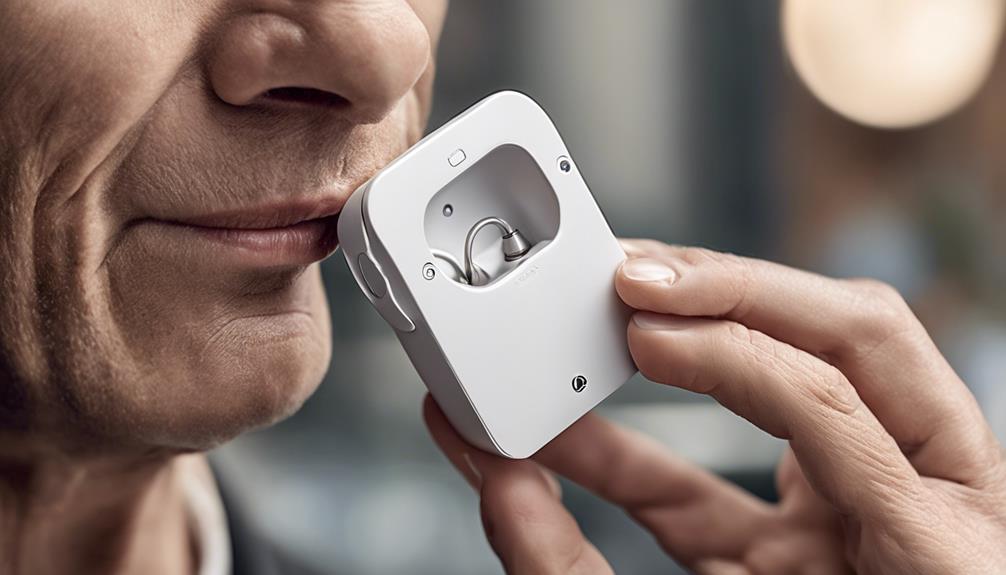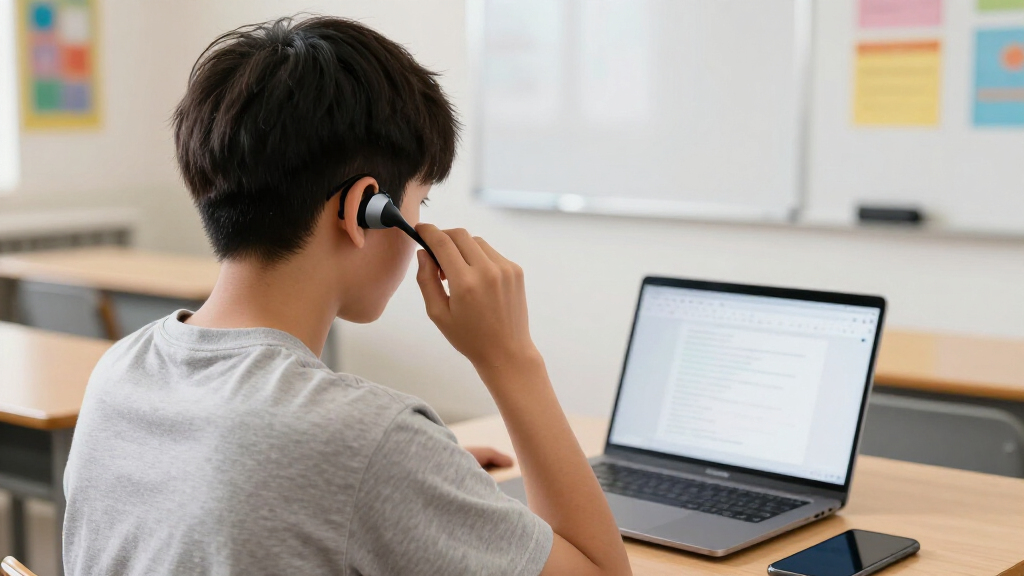
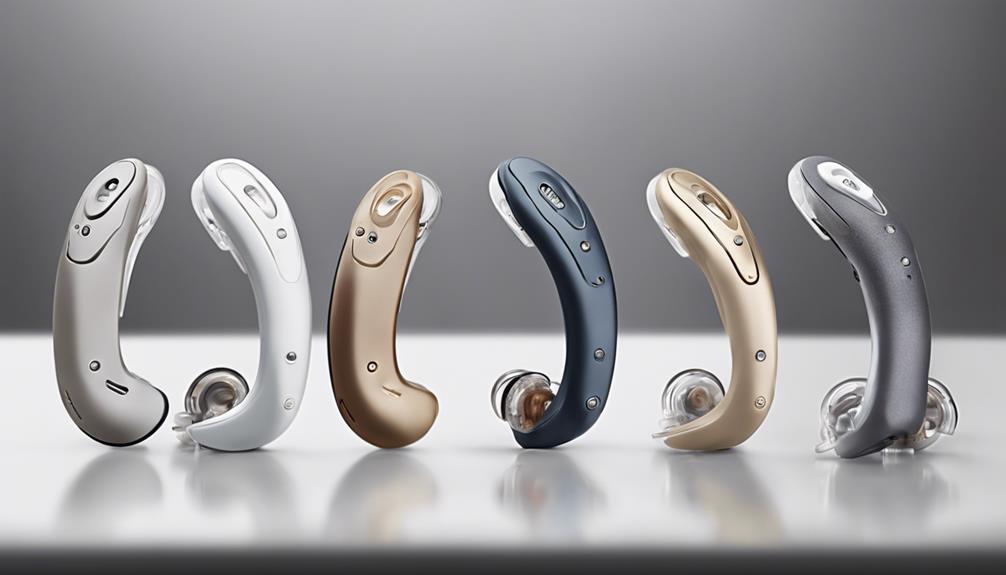
Assistive listening devices for students solve a specific problem: getting clear speech from a lecturer’s mouth to a listener’s ear without the room noise, distance, and reverberation that garble it. The right choice depends heavily on setting — a 300-seat lecture hall needs a different system than a four-person resource room. After comparing the seven strongest options on range, clarity, receiver count, and classroom practicality, I rank the Avantree Audiplex MX as the best overall pick, since its multi-channel transmitter and ten included receivers scale from small seminars to full lecture halls. The Retekess TT119 is the standout value choice for covering a whole classroom on a tight budget, and the Avantree AuraPlex MX is the premium pick for campuses moving to Auracast broadcasting. The core tradeoffs here are dedicated receivers versus students’ own earbuds, and cheap FM simplicity versus cleaner digital audio. Read on for the full breakdown of all seven picks and who each one suits.

Get everyday helpers delivered free with Prime
- Fast, free delivery on millions of items
- Prime Video, Amazon Music and more included
- Member-only deals all year
Key Takeaways
- The Avantree Audiplex MX took first place because its multi-channel transmitter can run separate channels for different rooms or language tracks from one system — flexibility none of the other 10-receiver bundles here match.
- Retekess owns the budget tier of this lineup: the TT119 covers ten listeners for roughly half the price of the Avantree bundles, though its receivers give up the channel flexibility and polish of the top pick.
- Auracast is the dividing line in 2026 — the AuraPlex MX broadcasts to students’ own LE Audio earbuds and hearing aids, which eliminates receiver management but only pays off where students carry compatible devices.
- The Xelarvex recorder is the outlier, not a competitor: it captures lectures for later review rather than amplifying them live, so it suits auditory processing and note-taking needs more than hearing loss.
- Compliance extras separate institutional buys from personal ones — only the 4-Person system ships with an ADA plaque and a 3-year warranty, details that matter when a school must document accessibility.


| assistive listening devices for student | Receivers Included |
|---|---|
| Avantree Audiplex MX Multi-Cha | 10 |
| Retekess TT106S Assistive List | 6 |
| Retekess TR503 Church Translat | 10 |
| 4-Person Assistive Listening S | — |
| Retekess TT119 Assistive Liste | 10 |
| 72GB Voice Activated Recorder | — |
| Avantree AuraPlex MX Auracast | — |
More Details on Our Top Picks
Avantree Audiplex MX Multi-Channel Assistive Listening System with Transmitter and 10 Receivers
The Avantree Audiplex MX earns the top spot because it balances what a school actually needs: ten receivers in the box, a 100-meter 2.4G RF range that covers any classroom and most auditoriums, and low-latency audio so speech stays in sync with a teacher’s lips — something students who lean on lipreading will notice immediately. Compared with the Retekess TR503, which tops out at 30 meters on older FM tech, the Audiplex feels built for modern campuses. I also rank it above the Retekess TT119 for typical classrooms, since the TT119’s 300-meter reach and XLR inputs are more than a single room calls for. The tradeoffs are real: only two channels limits it to two simultaneous groups, battery power means keeping spares on hand, and the kit is bulkier to store than the Retekess TT106S’s earhook sets.
Pros:- Low-latency 2.4G audio keeps speech aligned with the teacher’s lips
- 100-meter range covers classrooms, gyms, and auditoriums
- Ships with 10 receivers plus wired earbuds — a complete kit out of the box
- Individual volume controls let each student set their own level
Cons:- Only 2 channels, so it cannot run three or more groups simultaneously
- Battery-powered design means stocking replacements instead of docking a charger
- Bulkier to store and deploy than compact earhook systems
Best for: Schools outfitting one classroom or lecture space for up to ten students who need speech that stays synced with the speaker
Not ideal for: Programs running three or more groups at once — the two-channel ceiling pushes those buyers toward the 17-channel Retekess TT119
- Connectivity:2.4G RF
- Audio Inputs:Bluetooth, Optical, AUX
- Channels:2
- Wireless Range:Up to 100 meters
- Receivers Included:10
- Power Source:Battery powered
- Weight:1200 g
- Extras:3 wired earbuds included
Our verdict“The most complete classroom-ready package in this lineup and the default choice for schools that want one kit to cover a whole room.”
Retekess TT106S Assistive Listening System with 2.4G Wireless Microphones
Battery anxiety is the quiet killer of school listening programs, and the Retekess TT106S answers it with a 50-hour battery life — weeks of classes between charges, where the Retekess TR503’s transmitter needs a recharge after about eight hours. The 200-meter range doubles what the Avantree Audiplex MX offers, and 9,999 channels mean several classrooms can run side by side without crosstalk. The earhook receivers are shaped for extended wear, which matters for a student using one through six periods a day. The tradeoffs: this kit includes only six receivers against the Audiplex MX’s ten, the channel flexibility that makes it powerful also makes setup more demanding for non-technical staff, and the earhook units sit bulkier on the ear than ordinary earbuds — something self-conscious teenagers may push back on.
Pros:- 50-hour battery outlasts every other pick here by a wide margin
- 200-meter range covers large buildings and outdoor areas
- 9,999 channels let many groups run at once without interference
- One-touch mute and frequency sync simplify daily operation
Cons:- Only 6 receivers included, fewer than most kits in this roundup
- Multi-channel management can overwhelm non-technical staff
- Earhook receivers are bulkier than standard earbuds
Best for: Students who wear a receiver through a full school day and districts that want weeks between charges
Not ideal for: Schools without a tech-comfortable staff member — managing channels across rooms takes more patience than the plug-and-play Avantree Audiplex MX
- Battery Life:Up to 50 hours
- Range:200 meters
- Channels:9,999
- Battery:450mAh, 3-hour charge time
- Receivers Included:6
- Volume Levels:0–9
- Microphones:Built-in headset plus Lavalier
- Auto-Shutdown:After 20 minutes without signal
Our verdict“The right buy for all-day wear and multi-room campuses, provided someone on staff can own the setup.”
Retekess TR503 Church Translation System with FM Listening Devices (1 Transmitter, 10 Receivers)
Not every school can spend premium money, and the Retekess TR503 is where I’d start when budget drives the decision. It pairs one FM transmitter with ten receivers — the same headcount as the Avantree Audiplex MX — and adds classroom-friendly touches like five station presets, adjustable volume, and a lock function that stops curious fingers from changing settings mid-lesson. The compromises show up in range and power. Thirty meters outdoors suits a single classroom, not the gym or auditorium the Retekess TT119’s 300 meters can reach. Receivers run on AAA batteries you supply yourself, an ongoing cost the rechargeable Retekess TT106S avoids, and FM audio sits a step below the 2.4G clarity of the pricier picks here. For one room and a tight budget, those are fair trades; beyond that, they bite.
Pros:- Ten receivers in the box, with older FM tech keeping per-seat cost low
- Station presets and a lock function keep settings tamper-proof in class
- Lightweight, compact design students can wear without fuss
- About 8 hours of transmitter battery covers a full school day
Cons:- 30-meter range limits it to a single room
- Receivers need AAA batteries bought separately — a recurring expense
- FM audio trails the 2.4G clarity of higher-ranked picks
Best for: Budget-limited classrooms that need a simple FM kit for one room and up to ten students
Not ideal for: Large spaces or multi-room campuses — the 30-meter range cannot stretch, so those buyers should look at the Retekess TT119
- Transmission Distance:30 meters (outdoors)
- Receivers Included:10
- Transmitter Battery:450mAh lithium, about 8 hours
- Receiver Power:2 x AAA batteries (not included)
- Station Presets:5
- Transmitter Recharge:2–3 hours
- Dimensions:7.87 x 5.91 x 1.18 inches
Our verdict“The sensible choice when money is tight and listening never leaves one classroom.”
4-Person Assistive Listening System with 3-Year Warranty and ADA Plaque
Some school purchases are about paperwork as much as audio, and this 4-person assistive listening system is the only pick here that ships with an ADA plaque — a clear sign it targets schools documenting accessibility compliance rather than chasing range numbers. The backing is the real draw: a US-based 3-year warranty with phone support beats anything Retekess or Avantree offers in this roundup, and that matters when a district wants gear repaired instead of replaced. Set against the Avantree Audiplex MX’s ten receivers, four seats out of the box is thin, and every expansion receiver adds cost. Sound quality specs are also vaguer than the detailed Retekess TT119 listing. For a small resource room, a guidance office, or a front-desk compliance install, though, the support package justifies the higher per-seat price.
Pros:- ADA plaque included for visible accessibility compliance
- 3-year US warranty with live phone support
- Expandable with additional receivers and accessories as needs grow
- Supports four students simultaneously out of the box
Cons:- Only four users without buying expansion receivers
- Highest cost per seat in this lineup once expanded
- Sound quality details are not specified
Best for: Schools and districts that need documented ADA compliance and long-term warranty support for a small group of students
Not ideal for: Whole-classroom coverage — reaching ten students means buying expansion receivers, while the Audiplex MX includes them
- Capacity:4 users simultaneously
- Warranty:3 years (US-based)
- Support:Phone support
- Compliance:ADA plaque included
- Expandable:Yes, via additional receivers
- Weight:4 pounds
Our verdict“Buy it for the compliance documentation and warranty safety net, not for range or headcount.”
Retekess TT119 Assistive Listening System with 1 Transmitter and 10 Receivers
When the audience is a 300-seat lecture hall rather than a classroom, the Retekess TT119 is the pick I’d make. Its 300-meter range is the longest in this roundup — triple the Avantree Audiplex MX — and XLR, AUX, RCA, and USB inputs let it feed directly from a venue’s existing soundboard, something no other system here does as cleanly. Seventeen channels with stereo and mono modes handle multilingual or multi-group needs that would max out the two-channel Audiplex. The cost of that headroom is complexity: stereo needs manual switching from the default mono, recording requires an external device, and the ten-hour battery means nightly charging instead of the weeks-long stamina the Retekess TT106S delivers. For a single classroom, it is simply more system than the job calls for.
Pros:- 300-meter range, the longest in this roundup
- XLR, RCA, AUX, and USB inputs integrate with existing PA systems
- 17 channels with stereo/mono modes for multilingual or multi-group use
- One-click mute and pause simplify live operation
Cons:- Defaults to mono; stereo requires manual switching
- Recording needs an external device
- 10-hour battery demands nightly charging
Best for: Universities and schools equipping lecture halls, theaters, or assembly spaces that already run a soundboard
Not ideal for: Single classrooms — the setup and range are overkill, and the Avantree Audiplex MX is simpler for one room
- Range:300 m / 984 ft
- Channels:17
- Inputs:XLR, AUX, RCA, USB
- Battery Life:Up to 10 hours
- Receivers Included:10
- Receiver Weight:90 grams
Our verdict“The right investment for large venues with existing audio gear, and too much system for a single classroom.”
72GB Voice Activated Recorder – Xelarvex Digital Voice Recorder with AI Noise Reduction
For a student who can’t rely on a school-installed system, I’d call this Xelarvex recorder the most flexible fallback in the lineup. Unlike the Retekess TT106S or the Avantree AuraPlex MX, which pipe live audio to a listener, this one captures lectures for replay, so a student can revisit a fast-paced class at their own pace — a real benefit for anyone who absorbs information better the second time. The 72GB storage rated for 4,800 hours means a full semester of classes fits without offloading files, and voice activation keeps dead air from eating battery and space. The AI noise reduction helps speech stay intelligible in echo-prone halls. Tradeoffs: it does nothing in real time, so it can’t replace live listening support, and with no confirmed display, scrubbing through long recordings may get tedious. It’s also a single-user tool, not a classroom solution.
Pros:- 72GB holds up to 4,800 hours, covering a full semester without deleting files
- Voice activation skips silence, stretching both battery and storage
- AI noise reduction keeps speech clearer in echo-heavy lecture halls
- One-ounce body disappears into a pocket or pencil case
Cons:- No live amplification — it only helps after class, not during
- No confirmed display, so finding a moment in a long recording takes patience
- Single-user device with no way to serve a group
Best for: Self-directed students who review recorded lectures after class, especially those whose schools have no installed assistive listening system
Not ideal for: Students who need to hear the speaker more clearly in the moment — this records audio but offers no live amplification at all
- Storage Capacity:72 GB
- Recording Time:Up to 4,800 hours
- Battery Life:Up to 48 hours
- Noise Reduction:AI-powered
- Recording Mode:Voice-activated
- Microphone:Built-in
- Weight:1 oz
- Connectivity:USB-C, 3.5 mm headphone jack
Our verdict“The right buy for a student who studies by replaying recorded lectures, but not a substitute for real-time assistive listening.”
Avantree AuraPlex MX Auracast Assistive Listening System for Churches
If a school or campus venue is buying for the long haul, this is the pick I’d put at the front of the line. The AuraPlex MX broadcasts over Auracast, so students with compatible hearing aids connect directly — no borrowed receiver around the neck — while the ten included receivers cover everyone else. Compared with the Avantree Audiplex MX, which leans on dedicated multi-channel receivers, this model feels more future-proof as Auracast hearing aids become common, and the 328-foot range with support for up to 300 listeners suits lecture halls and auditoriums better than single classrooms. The tradeoffs are real: older hearing aids without Auracast need a receiver, performance drops outdoors or through heavy obstructions, and the per-seat cost dwarfs simple options like the Retekess TR503. For smaller rooms, that spending is hard to justify.
Pros:- Auracast lets compatible hearing aids connect directly with no extra hardware
- Ten receivers included for students without Auracast devices
- 328-foot range and 300-listener capacity fit lecture halls and auditoriums
- Straightforward setup built on Bluetooth LE Audio
Cons:- Full benefit requires Auracast-capable hearing aids or devices
- Not suited to outdoor or heavily obstructed spaces
- Costs far more than basic FM systems designed for small rooms
Best for: Schools, universities, and houses of worship outfitting medium-to-large venues where many students use Auracast-enabled hearing aids
Not ideal for: Small classrooms or tight budgets — a basic FM kit like the Retekess TR503 covers a handful of students for far less money
- Range:328 ft
- Included:1 transmitter, 10 receivers
- Wireless Technology:Bluetooth LE Audio (Auracast)
- Compatibility:Auracast-enabled hearing aids and devices
- Supported Venues:Churches, classrooms, events
- Audience Size:Up to 300 people
Our verdict“The strongest long-term investment for venues serving many students with modern hearing aids, provided the budget and room size justify it.”

How We Picked
I evaluated each device the way a school or student actually would: speech clarity and latency first, because a system that distorts or delays the lecturer’s voice fails at its one job. Next came coverage and capacity — how many listeners a system serves out of the box and whether the range handles a real lecture hall rather than a living room. I also weighed setup and daily operation, since most classrooms do not have an AV technician on call, plus battery life, receiver durability, warranty length, and cost per listener. Systems that ship complete with transmitter and multiple receivers scored higher than piecemeal kits, and compliance extras like ADA plaques counted for institutional buyers.
The ranking reflects classroom usefulness, not spec sheets. The Avantree Audiplex MX takes first place because it balances multi-room flexibility, ten receivers, and manageable pricing better than anything else here; the budget Retekess models follow because they deliver similar coverage for less money with fewer refinements. The AuraPlex MX ranks on future-readiness rather than present-day value, since Auracast only pays off where students carry compatible devices. The Xelarvex recorder sits last deliberately: it is not a live listening system at all, but it answers a genuine student need — capturing lectures for review — so it earned a place rather than a high rank.
Factors to Consider When Choosing Assistive Listening Devices For Students
Spec sheets tell you what a system does; they do not tell you whether it will still be in use by mid-semester. These six factors cover the decisions that actually determine success or failure — room physics, real costs, staffing, legal duties, and the question of whether a live system is even the right tool for the student in front of you.
Match the Wireless Technology to the Room
The single biggest mistake buyers make is choosing a system by price or brand before checking whether its radio technology fits the room. FM systems, like the TR503 in this lineup, reach 100 meters or more and shrug off walls, which makes them the default for large lecture halls and theaters — but FM is prone to hiss and interference, and in a small seminar room you are paying for range you will never use. 2.4 GHz digital systems deliver cleaner, more consistent audio with less static, though their realistic range is shorter and walls cut it further. Auracast, the newest option, broadcasts over Bluetooth LE Audio to as many compatible earbuds or hearing aids as want to join, so coverage stops being a hardware question and becomes a device-compatibility question. Measure the largest room first, add a margin for bodies and building materials, and only then compare prices. A system that drops out in the back row is not a bargain at any price.
Calculate Cost Per Listener, Not Sticker Price
A $600 bundle with ten receivers costs $60 per listener; a $400 kit that covers four people costs $100 per listener — the cheaper box is actually the more expensive system. This math matters more in education than anywhere else, because class sizes grow and receivers get lost at a steady rate. I would budget for 10 to 20 percent spare receivers beyond current enrollment, plus replacement earphones, which are consumables in any shared-device program. Charging gear is part of the real cost too: ten receivers without a charging rack means ten cables and ten outlets every night. The trap to avoid is buying the minimum configuration to hit a price point, then discovering mid-semester that three students share one receiver. A slightly bigger bundle almost always beats a second, smaller purchase later.
Decide Who Manages the Hardware Every Day
Dedicated receiver systems create a daily workflow that nobody puts in the brochure: someone has to charge, sanitize, hand out, collect, and track every unit. In a university AV department that is a solved problem; in a small school office it can quietly kill the program. Auracast flips that burden — students bring their own earbuds or hearing aids, and the institution maintains one transmitter instead of a drawer of receivers. The catch is equity: not every student owns a compatible device, so you still need a handful of loaner receivers to cover everyone. For K-12 settings, school-managed receivers are usually the only workable route, since young students cannot be relied on to bring charged personal devices. Be honest about staffing before choosing the architecture, because the best system on paper fails when nobody owns the charging rack.
Understand Compliance Before You Buy
If the buying institution is a school, college, or any public-facing venue, the purchase is not just an equipment decision — it is a legal accommodation. The ADA requires assistive listening systems in assembly areas where audio amplification is installed, with receiver counts tied to seating capacity and signage announcing availability. A personal amplifier or a recorder does not satisfy that obligation, no matter how good it is. This is where details like an included ADA plaque and a multi-year warranty stop being marketing extras and start being procurement requirements, since inspectors look for signage and receivers take daily abuse. Section 504 and IEP accommodations can impose similar duties in classrooms that fall outside the assembly-area rules. When in doubt, loop in the institution’s disability services office before purchasing rather than after a complaint.
Know When a Recorder Beats a Live System
Not every listening problem is a real-time hearing problem. Students with auditory processing difficulties, second-language learners, and anyone who simply cannot take notes fast enough often get more from a high-capacity recorder with AI noise reduction than from a live RF link — and at a fraction of the cost. A recorder lets them replay a difficult passage at half speed instead of asking the lecturer to repeat it, which changes how they study, not just how they hear. The hard limit is that a recording does nothing in the moment: a student who cannot follow live discussion or respond to questions still needs real-time amplification. Recorders also carry consent rules in some states and institutions, so check recording policies before building a study habit around one. For some students the honest answer is both tools, each doing the job the other cannot.
Plan Battery and Charging Logistics First
A receiver that dies in third period teaches a student to stop trusting the equipment, and trust is hard to win back. Compare stated battery hours against the longest realistic day, including evening lectures or after-school use, then subtract a margin for battery aging over a school year. Look at how receivers recharge: a 10-bay rack is one plug and one shelf, while individual USB cables mean a tangle of adapters and lost chargers. Standardizing on one system per building pays off here, because spares, chargers, and accessories become interchangeable across rooms. Also check whether receivers use replaceable or sealed batteries — sealed units become e-waste when the cells fade, while replaceable-battery models stretch a budget over years. None of this appears on a spec comparison chart, yet it decides whether the system still works in month nine.
Frequently Asked Questions
Is my school required to provide an assistive listening system?
In most cases, yes — and it is not limited to special education classrooms. Under the ADA and Section 504, any assembly area with audio amplification — lecture halls, auditoriums, gymnasiums, theaters — must offer an assistive listening system with a set number of receivers based on seating capacity. Individual students with documented hearing loss can also request a system as an academic accommodation even in smaller classrooms. The duty falls on the institution, not the student, so families should not have to self-fund a compliant setup. That said, the law sets a floor, not a ceiling: many schools buy above the minimum receiver count because units get lost or damaged. If you are a parent or student, the disability services or 504 coordinator’s office is the right first stop, and it helps to reference the specific seating capacity of the rooms in question.
What is the real difference between FM, 2.4 GHz, and Auracast systems in a classroom?
FM systems are the old workhorse: long range, good wall penetration, and cheap receivers, but the analog signal carries hiss and can clash with other FM users nearby. 2.4 GHz digital systems sound cleaner and pair more securely, which suits discussion-heavy classes, though range is shorter and a crowded Wi-Fi environment can cause dropouts. Auracast is the newest approach — the transmitter broadcasts over Bluetooth LE Audio, and students join with their own compatible earbuds or hearing aids, so there is no receiver hardware to manage at all. Its weakness in 2026 is device compatibility: many students still carry earbuds without Auracast support, so institutions need loaner receivers as a fallback. For a small seminar room, 2.4 GHz is usually the sweet spot; for a big hall, FM reach wins; for a campus planning five years ahead, Auracast is where the industry is heading.
Can students use their own hearing aids or earbuds with these systems?
Often, yes — but it depends on the connection method, and this is worth checking before purchase. Many dedicated receivers drive standard wired earphones or a neckloop, and a neckloop feeds the signal straight into a hearing aid’s telecoil, which gives the cleanest result for aid wearers. Auracast systems go further: compatible hearing aids and earbuds can join the broadcast directly, with no receiver in between, which is why Auracast-ready hearing aids are becoming a selling point. The ADA also requires a share of receivers to be hearing-aid compatible, typically via neckloops, so a compliant kit needs more than plain earbuds in the box. Students who prefer their own earphones for comfort or hygiene can usually just plug them into the receiver’s 3.5mm jack. The one combination that rarely works is pairing consumer Bluetooth earbuds with an FM or 2.4 GHz transmitter — those systems were built for their own receivers.
How many receivers does a classroom or lecture hall actually need?
The ADA sets the floor with a sliding scale: two receivers for venues up to 50 seats, scaling up to 20-plus receivers for the largest halls, with a portion of them hearing-aid compatible. Treat that as a legal minimum rather than a planning target. Demand is unpredictable — a lecture hall might go semesters with zero requests and then have five students who need receivers at once. I would buy the ADA-required count, add at least two spare units, and keep one spare neckloop per four receivers. Loss and damage are the other argument for over-buying: shared receivers disappear at a steady rate, and a system that falls below the compliant count mid-year creates real legal exposure. Buying spares up front is far cheaper than an emergency reorder at education-market prices.
Is a voice recorder a good substitute for an assistive listening device?
No — it solves a different problem, and treating it as a substitute leaves the actual need unmet. An assistive listening system works in real time: it lifts the speaker’s voice above room noise so a student can follow and participate as things happen. A recorder helps after the fact, letting a student replay lectures, fill in notes, and study at their own pace, which suits auditory processing difficulties and second-language learners more than hearing loss. There is also a legal angle: a recorder is not an ADA-recognized accommodation for hearing access, so a school cannot offer one in place of a compliant listening system. Recording consent laws and campus policies add another wrinkle, since some states require all-party consent. For students who struggle with both live comprehension and review, the strongest setup is a live system in class plus a recorder for evening study — each covers the other’s blind spot.
Conclusion
Every pick here earns its place, but they serve different buyers. For a school or university that needs one system to cover many rooms, the Avantree Audiplex MX is my best overall recommendation — its multi-channel transmitter and ten receivers handle almost any teaching space without a second purchase. Buyers watching every dollar should take the Retekess TT119, the best value in this lineup, which covers a full classroom for roughly half the cost of the Avantree bundle. The Avantree AuraPlex MX is the premium choice for campuses ready to broadcast to students’ own Auracast devices, while the 4-Person Assistive Listening System is the best starting point for small institutions that need a compliant, warrantied setup out of the box. Large halls and multilingual programs belong to the Retekess TR503, small interactive classes to the Retekess TT106S, and students who mainly need to review lectures should skip RF systems entirely and buy the Xelarvex recorder. Match the system to the room, the staff, and the student’s actual need, and any of these seven will do its job well.
Halloween Picks
halloween
As an affiliate, we earn on qualifying purchases.