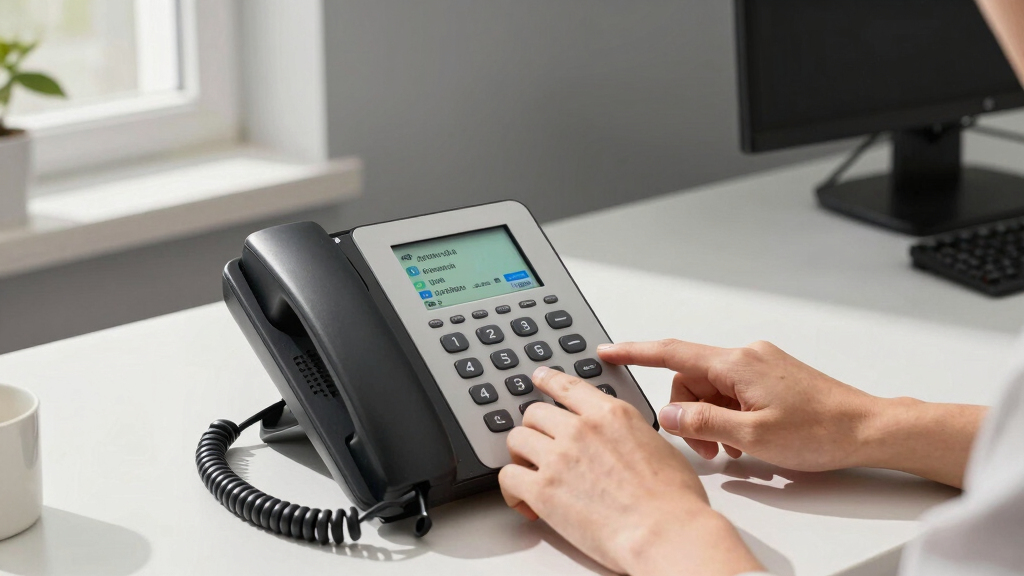
For those with hearing difficulties, finding a captioned telephone with effective amplification can make a significant difference in daily communication. The best options combine clear speech, reliable captioning, and strong sound amplification without sacrificing ease of use. The ClearSounds CSC500 stands out for its high sound boost, while the Hamilton CapTel 2400iSPNBT offers excellent captioning accuracy. Tradeoffs often involve balancing sound amplification against captioning quality or ease of setup. Keep reading for a detailed comparison to help you choose the right model for your needs.
Key Takeaways
- Top picks balance sound amplification with accurate, real-time captioning for clearer conversations.
- Models with adjustable volume and tone help customize hearing aid compatibility and comfort.
- Some options combine corded and cordless features, offering flexibility for different environments.
- Higher-end models typically include more advanced captioning and hearing aid compatibility, but at a higher price point.
- Ease of setup and user interface vary, making some options better suited to tech novices than others.
| ClearSounds CSC500 Amplified Landline Phone with 30dB Sound Boost and T-Coil Hearing Aid Compatibility |  | Best Overall for Hearing-Impaired Users Who Prefer Landlines | Amplification: Up to 30dB | Hearing Aid Compatibility: T-Coil (FCC compliant) | Photo Memory Buttons: 8 buttons (32-digit storage each) | VIEW LATEST PRICE | See Our Full Breakdown |
| Hamilton CapTel 2400iSPNBT Captioned Telephone for Hearing Impaired |  | Best for Real-Time Captioning on a High-Visibility Screen | Amplification Gain: Up to 40dB | Display Type: Large Touch Screen | Connectivity: Wi-Fi, Ethernet | VIEW LATEST PRICE | See Our Full Breakdown |
| Hamilton CapTel 840i Captioned Telephone for Hearing Impaired Users |  | Best for Large Screen and Nationwide Captioning Service | Power Source: Corded Electric | Display Type: Large Screen | Volume Control: Up to 40dB | VIEW LATEST PRICE | See Our Full Breakdown |
| VTech SN5147 Amplified Corded/Cordless Senior Phone with Answering Machine |  | Best for Seniors Needing Large Buttons and Visual Alerts | Audio Amplification: 50dB | Visual Ringer Volume: 90dB | Call Blocker Capacity: 1,000 entries | VIEW LATEST PRICE | See Our Full Breakdown |
| AT&T BL102-2 DECT 6.0 Cordless Phone System with Answering Machine and Call Blocking |  | Best for Range and Call Blocking with Hearing Support | Model Number: BL102-2 | Handsets Included: 2 | Technology: DECT 6.0 | VIEW LATEST PRICE | See Our Full Breakdown |
| Hamilton CapTel 2400iSPNBT Captioned Telephone | | Best Overall for High-Quality Captioning and Connectivity | Power Source: Corded Electric | Dialer Type: Single Keypad | Answering System Type: Digital | VIEW LATEST PRICE | See Our Full Breakdown |
| Clarity P300 Landline Phone with Sound Amplification, Adjustable Ringer Pitch and Volume Control |  | Best Value for Simple, Reliable Amplification and Easy Use | Product Type: Landline Phone | Amplification Level: 26 dB | Power Source: Phone Landline (9V battery required) | VIEW LATEST PRICE | See Our Full Breakdown |
| Panasonic KX-TGM430B Amplified Cordless Phone with Link2Cell |  | Best for Wireless Convenience and Multi-Device Integration | Volume Boost: 40 dB | Visual Ringer Loudness: 100 dB | Display Size: 1.8″ | VIEW LATEST PRICE | See Our Full Breakdown |
More Details on Our Top Picks
ClearSounds CSC500 Amplified Landline Phone with 30dB Sound Boost and T-Coil Hearing Aid Compatibility
The ClearSounds CSC500 stands out for its high 30dB amplification and T-Coil hearing aid compatibility, making it ideal for users who need significant sound boosting and assistive listening features. Unlike the Hamilton CapTel 2400iSPNBT, which emphasizes real-time captioning, this phone offers tactile and visual cues alongside sound amplification, providing a straightforward solution for those who primarily rely on hearing aids. The inclusion of 8 photo-memory buttons simplifies dialing for users with dexterity challenges, while its visual flasher and adjustable ringer volume ensure calls are never missed. The main tradeoff lies in its landline-only setup, which may not suit those seeking cordless flexibility or internet-based solutions. Overall, this phone is best for individuals who want reliable, high-volume landline communication with hearing aid support, but it may feel limited for those seeking mobility or modern connectivity.
Pros:- Up to 30dB sound amplification for clearer calls
- T-Coil hearing aid compatibility ensures seamless integration
- Includes 8 photo-frame quick-dial buttons for easy access
- Visual flasher and adjustable ringer volume enhance call alerts
Cons:- Requires a traditional landline connection, limiting mobility
- Setup via QR code can be less intuitive for some users
Best for: Hearing aid users needing high amplification and tactile controls on a landline phone
Not ideal for: People looking for a cordless or VoIP-compatible device, or those preferring mobile phone solutions
- Amplification:Up to 30dB
- Hearing Aid Compatibility:T-Coil (FCC compliant)
- Photo Memory Buttons:8 buttons (32-digit storage each)
- Speakerphone:Yes
- Ringer Volume:Up to 85dB
Bottom line: This phone offers robust amplification and hearing aid support, making it ideal for landline users with significant hearing needs.
Hamilton CapTel 2400iSPNBT Captioned Telephone for Hearing Impaired
The Hamilton CapTel 2400iSPNBT excels in delivering real-time captions via its large touch screen, making it perfect for users who prefer visual text over audio cues. Compared to the Hamilton CapTel 840i, which offers similar captioning features, the 2400iSPNBT stands out for its Wi-Fi and Ethernet connectivity, supporting high-speed internet for continuous captioning service. The built-in answering machine with captioned messages adds convenience, complementing its primary focus on clarity. However, the need for U.S.-only registration and high-speed internet access limits its use for international or low-bandwidth households. This device is best suited for those who prioritize visual captioning and have reliable internet, but it may be overkill for users comfortable with basic amplified phones without captioning needs.
Pros:- Large touch screen displays real-time captions during calls
- Up to 40dB amplification for clearer audio
- Includes captioned answering machine messages
- Supports Wi-Fi and Ethernet for reliable connectivity
Cons:- Limited to U.S. availability, restricting international use
- Requires high-speed internet and U.S. registration
- Activation depends on hearing loss certification
Best for: Individuals with significant hearing loss who want detailed, real-time visual call captions
Not ideal for: International users or those without high-speed internet access, who might find setup cumbersome
- Amplification Gain:Up to 40dB
- Display Type:Large Touch Screen
- Connectivity:Wi-Fi, Ethernet
- Answering Machine Feature:Captioned voice messages
- Service Availability:U.S.-only (FCC-certified)
Bottom line: Ideal for users prioritizing visual call captions with high internet reliability, but less suited for international or low-bandwidth environments.
Hamilton CapTel 840i Captioned Telephone for Hearing Impaired Users
The Hamilton CapTel 840i is tailored for users who value a large, easy-to-read display and consistent captioning service. Its sizeable screen and simple button menu navigation make reading captions effortless, which is a step up from smaller screens on some amplified phones like the Clarity P300. While it offers adjustable volume up to 40dB, it’s somewhat limited compared to the 2400iSPNBT in terms of connectivity options, as it mainly supports Wi-Fi and requires U.S. registration. The built-in answering machine and free 24/7 captioning service make it a comprehensive choice, but its 18-minute message limit and U.S.-only service restrict flexibility for international or long-duration messaging needs. This model is best for users who want straightforward, reliable captioning paired with hearing support, but not for those seeking advanced internet features or international use.
Pros:- Large, easy-to-read screen with clear captions
- Adjustable volume up to 40dB
- Includes built-in answering machine with captioned messages
- Free nationwide captioning service available 24/7
Cons:- Limited to U.S. registration and services
- Short 18-minute message recording capacity
- Less connectivity flexibility compared to newer models
Best for: Hearing-impaired users who need a large display and reliable captioning nationwide
Not ideal for: International users or those seeking extensive voice message recording capabilities
- Power Source:Corded Electric
- Display Type:Large Screen
- Volume Control:Up to 40dB
- Answering System:Digital, 18-minute capacity
- Connectivity:Wi-Fi
Bottom line: Best suited for users who want dependable captioning with a large display and are based in the U.S., but less so for international or long-message needs.
VTech SN5147 Amplified Corded/Cordless Senior Phone with Answering Machine
The VTech SN5147 is designed specifically for seniors or users with visual and hearing challenges, offering a combination of amplified sound up to 50dB and visual alerts like a 90dB flashing ringer. Its large, backlit buttons and high-contrast display make dialing and call management straightforward, surpassing basic models like the Clarity P300 in usability. The integrated call blocker with a 1,000-entry directory adds security and peace of mind, while the built-in answering machine with caller ID announcement rounds out its features. The main drawback is its size, which may be cumbersome for users with limited dexterity or small hands, and the setup process for call blocking can be complex. Overall, this model is ideal for seniors who prioritize visual and audio clarity, but less suited for users seeking a compact or cordless option.
Pros:- Extra-large buttons and high-contrast display for ease of use
- 90dB visual ringer and flashing alerts ensure missed calls are minimized
- Up to 50dB audio amplification and hearing aid compatibility
- Includes a call blocker with 1,000 entries
Cons:- Bulky design may be difficult for users with limited dexterity
- Setup of call blocker features can be complex
Best for: Elderly users with hearing and vision impairments needing large controls and visual alerts
Not ideal for: Users who prefer cordless phones or have limited space for a bulky device
- Audio Amplification:50dB
- Visual Ringer Volume:90dB
- Call Blocker Capacity:1,000 entries
- Answering Machine:Digital with caller ID announce
- Design Features:Big buttons, large backlit display
Bottom line: This phone is perfect for seniors needing maximum visual and audio support, despite its size and setup complexity.
AT&T BL102-2 DECT 6.0 Cordless Phone System with Answering Machine and Call Blocking
The AT&T BL102-2 combines cordless convenience with effective call blocking and hearing support features, making it suitable for users who value mobility and security. Its 2-inch backlit display, large keypad, and audio assist provide clarity and ease of use, surpassing basic corded models like the Clarity P300. The system’s impressive range and noise-filtering technology support clear conversations across larger homes, while the built-in digital answering machine with 22 minutes of capacity complements its call management features. The automatic call blocking of robocalls on first ring is a standout feature, but setup can be somewhat complex, especially for seniors unfamiliar with digital systems. This pick makes the most sense for users who want a versatile, cordless phone with strong call protection and hearing assistance, but it relies on a landline connection and may be over-featured for minimal users.
Pros:- Blocks robocalls automatically on first ring
- Large 2-inch backlit display and lighted keypad
- Supports full-duplex speakerphone and audio assist
- Unmatched range with noise-filtering technology
Cons:- Base unit requires a landline, limiting portability
- Some features may be complex for non-technical users
Best for: Seniors or users needing mobility, large display, and effective call blocking
Not ideal for: Users without a landline or those preferring a simple, minimal device without advanced features
- Model Number:BL102-2
- Handsets Included:2
- Technology:DECT 6.0
- Answering Machine Capacity:22 minutes
- Call Block Directory Size:1,000 entries
- Screen Size:2-inch backlit
Bottom line: This cordless system is best for those who want mobility, robust call blocking, and hearing support in a comprehensive package, provided they have a landline.
Hamilton CapTel 2400iSPNBT Captioned Telephone
This model stands out for its large touchscreen display and robust captioning features, making it ideal for users who prioritize clear, real-time text during calls. Compared to the Panasonic KX-TGM430B, it offers more detailed captions and Wi-Fi connectivity, enabling both captioning and internet access in one device. The integrated answering machine with captioned messages adds convenience for managing voicemails visually. However, the setup can be complex for those unfamiliar with VoIP and internet services, and it’s limited to U.S. users due to service restrictions. The high volume amplification up to 40dB is well-suited for severe hearing loss, but it depends on a reliable internet connection, which might be a barrier for some users.
Pros:- Large touchscreen display for easy reading of captions
- Up to 40dB amplification for severe hearing loss
- Wi-Fi connectivity for internet and captioning support
- Integrated captioned answering machine
Cons:- Requires high-speed internet and VoIP service, which may be complex to set up
- Limited to U.S. availability and service restrictions
Best for: Hearing-impaired users who want a comprehensive captioned phone with internet connectivity and a user-friendly display.
Not ideal for: Users seeking a simple, stand-alone landline without internet requirements or those in areas with unreliable high-speed internet.
- Power Source:Corded Electric
- Dialer Type:Single Keypad
- Answering System Type:Digital
- Compatible Devices:VoIP, analog/digital cable/DSL/FIOS
- Recording Capacity:18 Minutes
- Conference Call Capability:3 way
- Multiline Operation:Single-Line
- Caller ID:Yes
Bottom line: This pick is best for tech-savvy users who need high-volume, captioned communication with internet integration.
Clarity P300 Landline Phone with Sound Amplification, Adjustable Ringer Pitch and Volume Control
The Clarity P300 makes this list for its straightforward design and dependable amplification, offering up to 26dB of sound boost, which suits users who need more volume but don’t require complex features. Unlike the Panasonic KX-TGM430B, it doesn’t include a cordless option or cell phone integration but provides a wired connection that guarantees consistent audio quality without setup hassles. The large buttons and adjustable ringer are ideal for seniors or users with dexterity or vision challenges. Its limitation lies in the absence of caller ID and reliance on a separate 9V battery, which adds a small maintenance step. This model primarily supports single-line landline use and offers a reliable amplification boost for less tech-inclined users.
Pros:- Up to 26dB sound amplification for hearing assistance
- Adjustable ringer pitch and volume for personalized settings
- Large, easy-to-press buttons suitable for limited dexterity
- Wired connection ensures consistent audio quality
Cons:- No built-in caller ID functionality
- Requires a separate 9V battery for operation
Best for: Seniors or individuals with hearing impairments who prefer a simple, wired phone with adjustable sound features.
Not ideal for: Those wanting cordless mobility or integrated caller ID functions, as this model is basic and wired-only.
- Product Type:Landline Phone
- Amplification Level:26 dB
- Power Source:Phone Landline (9V battery required)
- Answering System Type:Digital
- Hearing Aid Compatibility:Yes
- Color:White
Bottom line: This phone offers dependable, straightforward amplification ideal for users who prefer simplicity and reliability over advanced features.
Panasonic KX-TGM430B Amplified Cordless Phone with Link2Cell
This cordless model excels for users who want amplified sound combined with the convenience of cell phone integration. The Panasonic KX-TGM430B offers a powerful 40dB volume boost and slow talk mode, making speech clearer for users with hearing difficulties. Its large backlit LCD enhances visibility, and the Link2Cell feature allows calls and texts to be amplified directly from synced cell phones, eliminating the need for multiple devices. Compared with the wired Clarity P300, it provides wireless mobility and multi-handset options, but setup for cell phone syncing can be complex and may require technical adjustment. Its only drawback is the limited color choice (black), which might not match all home decor. The visual ringer at 100dB adds an extra alert for hearing-impaired users.
Pros:- 40dB volume boost and slow talk mode for clarity
- Large, backlit LCD display improves visibility
- Link2Cell technology for syncing with cell phones
- Hearing aid compatibility and bright visual ringer
Cons:- Limited color options (only black)
- Setup may be complicated for some users
Best for: Hearing-impaired users who want amplified calls with the flexibility of cordless operation and mobile phone integration.
Not ideal for: Users seeking a simple, wired landline without cell phone features or those uncomfortable with wireless setup procedures.
- Volume Boost:40 dB
- Visual Ringer Loudness:100 dB
- Display Size:1.8″
- Handsets:1 included, expandable to 6
- Model Number:KX-TGM430B
- Color:Black
Bottom line: This cordless amplified phone is ideal for tech-savvy users who need mobility and cell phone integration alongside hearing assistance.
How We Picked
Our evaluation focused on performance, usability, build quality, and value. We prioritized devices that offer strong sound amplification, accurate and reliable captioning, and user-friendly controls. Durability and ease of installation also played a role, especially for senior users or those unfamiliar with advanced technology. Cost was considered alongside features to identify options that provide the best balance of value and functionality. The ranking reflects how well each phone performs in everyday use for hearing-impaired individuals, with a focus on helping buyers find an effective, long-lasting solution.
Factors to Consider When Choosing Best Captioned Telephones With Amplification
Choosing the best captioned telephone with amplification involves considering several key factors that influence usability and effectiveness. It’s important to match the device to your specific hearing needs, technical comfort level, and environment. Understanding these considerations can prevent common mistakes, like focusing solely on amplification power or caption accuracy, which might not address overall user experience.Sound Amplification Power
Look for phones with adjustable volume and tone controls to ensure you can fine-tune sound to your hearing comfort level. Some devices offer high dB boosts suitable for severe hearing loss, but excessive amplification can cause distortion or discomfort if not adjustable. Consider your specific hearing needs and whether the device can adapt as your hearing changes over time.
Captioning Accuracy and Reliability
Accurate, real-time captioning is vital for understanding conversations clearly. Check reviews for captioning reliability, especially in noisy environments or during fast speech. Some models use advanced speech recognition software, which may vary in accuracy; choosing a device with proven captioning performance helps reduce frustration.
Compatibility with Hearing Aids
If you use hearing aids, verify that the phone supports telecoil (T-coil) compatibility or Bluetooth connectivity. Not all amplified phones are hearing aid compatible, which could lead to feedback or reduced clarity. Compatibility can significantly enhance your overall listening experience, especially with modern hearing aids.
Ease of Use and Setup
Devices with straightforward controls, clear interfaces, and simple captioning setup are better suited for users who are less tech-savvy. Look for models with large buttons, clear labels, and minimal setup steps. Ease of use can make a noticeable difference in daily satisfaction and usability.
Additional Features and Accessories
Features like cordless operation, answering machine integration, call blocking, and adjustable ringer pitches can improve convenience. Consider whether you need extra accessories such as remote controls or extra handsets. These added features can enhance the overall value and functionality for your specific needs.
Frequently Asked Questions
Can these phones be used with hearing aids?
Many captioned telephones with amplification are compatible with hearing aids through telecoil support or Bluetooth connections. This compatibility allows direct audio streaming or reduced feedback, greatly enhancing clarity. However, not all models support hearing aid integration, so checking each device’s specifications is essential for users relying on hearing aids.
How do I know if a phone’s amplification level is sufficient for my hearing loss?
Assessing your hearing needs with an audiologist is the best approach, but in general, look for phones offering adjustable volume controls and high dB boosts. Devices that specify their amplification range, such as 30dB or more, tend to suit more severe hearing loss. Testing the device in real-world conditions can also help determine if the amplification is sufficient for your comfort.
Are captioned phones suitable for noisy environments?
Captioned phones can be very helpful in noisy settings, as the captions provide a visual backup to audio signals. However, their effectiveness depends on captioning accuracy and speed. For very noisy environments, pairing a captioned phone with a high-quality amplification setting and good captioning software will deliver the best results.
What is the difference between corded and cordless captioned phones?
Corded phones typically offer more stability and sometimes better sound quality, making them suitable for home use. Cordless models provide mobility and ease of placement around a house, which can be helpful for users with limited mobility. Your choice should depend on your mobility needs and preferences for convenience versus stability.
Is it worth investing in a more expensive captioned phone?
Higher-priced models often include advanced features like superior captioning accuracy, higher amplification levels, better hearing aid compatibility, and more durable build quality. If you rely heavily on these features daily, investing in a premium device can improve your overall communication experience. For occasional use or milder hearing loss, a more affordable model may suffice.
Conclusion
The best overall captioned telephone with amplification for most users is the ClearSounds CSC500, thanks to its powerful sound boost and user-friendly interface. The Hamilton CapTel 2400iSPNBT offers excellent captioning accuracy, making it ideal for those who prioritize clarity. For budget-conscious buyers, the VTech SN5147 provides solid amplification and simple setup. Premium users seeking advanced features may find the Panasonic KX-TGM430B worth the investment. Beginners should focus on models with straightforward controls, while those with severe hearing needs might prioritize higher amplification and hearing aid compatibility. Tailoring your choice to your specific hearing environment and tech comfort will ensure the best communication experience in 2026.