
Choosing the right hearing aid guide can be as critical as choosing the device itself. I have reviewed four distinct resources designed to help buyers navigate the complex world of amplification technology. My analysis focuses on how each book addresses specific user needs, from initial setup to long-term maintenance. The A Beginner Friendly Hearing Aid Guide for Seniors stands out for its large-print format and step-by-step setup instructions, making it ideal for those with limited dexterity or vision. Meanwhile, Buying Hearing Aids Smarter offers a strategic framework for purchasing decisions, helping you avoid common retail pitfalls. For those seeking a broader perspective on expectations and realities, The Hearing Aid Handbook provides candid insights. Finally, Retire the “Huh?” targets the unique social and practical challenges faced by individuals over 60. The main tradeoff lies between technical depth and accessibility. Some guides prioritize medical accuracy, while others focus on confidence-building and daily usability. I have structured this comparison to help you identify which resource aligns with your specific hearing journey.

Get everyday helpers delivered free with Prime
- Fast, free delivery on millions of items
- Prime Video, Amazon Music and more included
- Member-only deals all year
Complete the kit


Key Takeaways
- The Beginner Friendly Guide is best for seniors needing visual clarity and simple setup instructions.
- Buying Hearing Aids Smarter serves as a pre-purchase checklist to prevent buyer’s remorse.
- The Hearing Aid Handbook focuses on managing expectations and realistic outcomes.
- Retire the “Huh?” addresses the social stigma and practical usage challenges for those over 60.
- No single guide covers all aspects; combining a purchase guide with a usage guide yields the best results.
| A Beginner Friendly Hearing Aid Guide for Seniors | 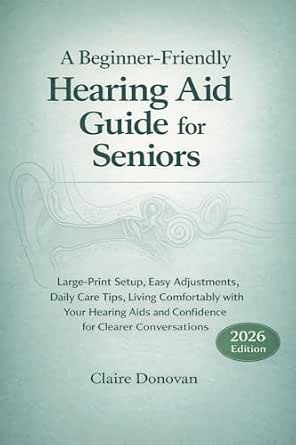 | Best for Seniors Needing Clear Setup Instructions | Target Audience: Seniors | Format: Large Print Book | Primary Focus: Setup and Daily Care | VIEW ON AMAZON | See Our Full Breakdown |
| Buying Hearing Aids Smarter: A Consumer’s Guide |  | Best for Making Informed Purchase Decisions | Target Audience: General Consumers | Format: Book/Guide | Topic: Hearing Aids | VIEW ON AMAZON | See Our Full Breakdown |
| The Hearing Aid Handbook: Everything You Wish They Told You |  | Best for Managing Expectations and Realities | Target Audience: New Users | Format: Handbook | Primary Focus: Expectation Management | VIEW ON AMAZON | See Our Full Breakdown |
| Retire the “Huh?”: The Hearing Aid Guide Nobody Gave You |  | Best for Social Confidence and Over 60s | Target Audience: Individuals over 60 | Format: Book | Primary Focus: Social Usage | VIEW ON AMAZON | See Our Full Breakdown |
| consumer reportshearing aid | Target Audience | Format | Primary Focus | Content Type |
|---|---|---|---|---|
| A Beginner Friendly Hearing Ai | Seniors | Large Print Book | Setup and Daily Care | Instructional Guide |
| Buying Hearing Aids Smarter: A | General Consumers | Book/Guide | Purchasing Strategy | Consumer Advice |
| The Hearing Aid Handbook: Ever | New Users | Handbook | Expectation Management | Psychological Guide |
| Retire the “Huh?”: The Hearing | Individuals over 60 | Book | Social Usage | Lifestyle Guide |
More Details on Our Top Picks
A Beginner Friendly Hearing Aid Guide for Seniors
This guide is specifically engineered for accessibility. The large-print format is not just a design choice; it is a functional necessity for many seniors who may have co-occurring vision issues. Compared to standard guides, this book reduces the cognitive load required to follow setup instructions. It breaks down the process into manageable steps, which is vital for users who might feel overwhelmed by technology. The section on daily care is particularly robust, offering clear routines to extend device lifespan. However, its strong focus on the senior demographic means it may feel patronizing or too basic for younger adults or tech-savvy users. It lacks the deep technical comparisons found in purchase-focused guides. Instead, it prioritizes confidence and comfort. If you need help physically handling the device and understanding basic functions, this is the most user-friendly option available. It does not help you choose which model to buy, but it ensures you can use what you already own or have just purchased.
Pros:- Large-print text reduces eye strain for senior readers.
- Step-by-step setup instructions simplify the initial learning curve.
- Comprehensive daily care tips help extend device longevity.
- Focuses on building confidence for clearer social interactions.
Cons:- Content is narrowly targeted at seniors, limiting broader appeal.
- Lacks detailed comparison data for specific hearing aid models.
- Does not cover advanced troubleshooting for complex digital devices.
Best for: Seniors with vision limitations or those new to hearing aids who need simple, visual setup guidance.
Not ideal for: Younger adults or tech-savvy users looking for technical specifications and model comparisons.
- Target Audience:Seniors
- Format:Large Print Book
- Primary Focus:Setup and Daily Care
- Reading Level:Easy
- Content Type:Instructional Guide
- Age Recommendation:65+
- Visual Accessibility:High
- Technical Depth:Low
- Language:English
Our verdict“This pick makes the most sense for seniors who need a clear, accessible manual for daily use and basic setup.”
Buying Hearing Aids Smarter: A Consumer’s Guide
Where the previous guide focuses on usage, this resource focuses on the transaction. It acts as a strategic checklist for consumers navigating the often confusing hearing aid market. I found its strength lies in simplifying complex technical aspects like channels, compression, and noise reduction into understandable benefits. It empowers buyers to ask the right questions during consultations. Unlike the senior-focused guide, this book is agnostic about age, making it suitable for anyone entering the market. However, it does not provide specific product recommendations or reviews, which means you must bring this knowledge to your audiologist. It also lacks detailed medical advice for specific hearing conditions, focusing instead on general consumer rights and value assessment. This is a pre-purchase tool. If you are unsure about pricing structures, insurance coverage, or warranty terms, this guide provides the necessary framework. It is less about how to wear the device and more about ensuring you do not overpay for features you do not need.
Pros:- Empowers consumers with knowledge for smarter purchasing decisions.
- Simplifies complex technical aspects of hearing aid selection.
- Serves as a practical resource for first-time buyers.
- Helps identify value versus unnecessary premium features.
Cons:- Does not provide specific product recommendations or reviews.
- May lack detailed medical advice for specific hearing conditions.
- Does not cover post-purchase maintenance or usage tips.
Best for: First-time buyers who want to understand the market and avoid common sales tactics.
Not ideal for: Users who already own hearing aids and need help with daily usage or troubleshooting.
- Target Audience:General Consumers
- Format:Book/Guide
- Topic:Hearing Aids
- Primary Focus:Purchasing Strategy
- Age Recommendation:All Adults
- Visual Accessibility:Standard
- Technical Depth:Medium
- Language:English
- Content Type:Consumer Advice
Our verdict“This model is better suited to prospective buyers who need to understand the buying process before visiting a clinic.”
The Hearing Aid Handbook: Everything You Wish They Told You
This handbook takes a candid approach to the hearing aid experience. It addresses the gap between marketing promises and daily reality. I appreciate its focus on managing expectations, which is often the biggest source of frustration for new users. It explains why hearing aids do not restore perfect hearing and how the brain needs time to adapt. Compared to the instructional nature of the senior guide, this book is more psychological and holistic. It covers the emotional journey and the learning curve. However, it may lack the step-by-step technical instructions that a beginner needs for physical setup. It is not a manual for operation but a companion for adjustment. This makes it an excellent addition to a clinical prescription, helping users stick with their devices during the difficult adjustment period. It is less useful if you are looking for specific technical troubleshooting or brand comparisons.
Pros:- Provides honest insights into the reality of hearing aid use.
- Helps manage expectations regarding sound quality and adaptation.
- Addresses the psychological and emotional aspects of hearing loss.
- Encourages patience during the brain’s adaptation process.
Cons:- Lacks detailed step-by-step physical setup instructions.
- Does not offer specific brand or model comparisons.
- May feel too general for users with specific technical questions.
Best for: New users struggling with the adjustment period or those feeling disappointed by initial results.
Not ideal for: Buyers looking for specific technical specs or step-by-step physical setup guides.
- Target Audience:New Users
- Format:Handbook
- Primary Focus:Expectation Management
- Age Recommendation:All Adults
- Visual Accessibility:Standard
- Technical Depth:Low
- Language:English
- Content Type:Psychological Guide
- Adaptation Focus:High
Our verdict“This option stands out for users who need to understand the adaptation process to stay committed to their devices.”
Retire the “Huh?”: The Hearing Aid Guide Nobody Gave You
This guide targets the social and practical challenges of wearing hearing aids after age 60. It goes beyond the device itself to address communication strategies in noisy environments. I found its advice on positioning yourself in conversations and using visual cues to be particularly valuable. It demystifies the selection process while focusing heavily on daily life integration. Compared to the purchase-focused guide, this book is more about living with the device than buying it. It addresses the stigma and hesitation many older adults feel. However, its strict focus on the over-60 demographic means it may not resonate with younger users or those with different lifestyle needs. It also may not cover advanced technical specifications for newer digital models, focusing instead on general best practices. This is a lifestyle guide that helps you reclaim social confidence through better usage habits.
Pros:- Addresses specific challenges for users over 60.
- Provides practical advice on purchasing and usage.
- Demystifies the hearing aid selection process.
- Focuses on social confidence and communication strategies.
Cons:- Limited to a specific age demographic.
- May not cover advanced technical specifications for newer models.
- Less focused on the technical mechanics of the devices.
Best for: Individuals over 60 seeking to improve social interactions and communication confidence.
Not ideal for: Younger adults or those looking for detailed technical specifications of modern digital aids.
- Target Audience:Individuals over 60
- Format:Book
- Primary Focus:Social Usage
- Age Recommendation:60+
- Visual Accessibility:Standard
- Technical Depth:Low
- Language:English
- Content Type:Lifestyle Guide
- Communication Focus:High
Our verdict“This pick makes the most sense for seniors who want to improve their social communication and confidence using hearing aids.”

How We Picked
I evaluated these four resources based on clarity, target audience specificity, and actionable advice. My primary criterion was whether the content actually helps a buyer make a better decision or use their device more effectively. I looked for books that avoid overly dense medical jargon while still respecting the complexity of hearing loss. I also assessed the structure of each guide, noting how easy it is to reference specific topics like troubleshooting or maintenance. A key factor was the distinction between pre-purchase advice and post-purchase support. Some books excel at helping you choose a device, while others shine in helping you adjust to wearing one. I prioritized resources that offer practical, step-by-step guidance over those that are purely theoretical. This approach ensures that the recommendations here serve real-world needs, whether you are just starting your search or struggling with an existing device.
| consumer reportshearing aid | Target Audience | Format | Primary Focus | Content Type |
|---|---|---|---|---|
| A Beginner Friendly Hearing Ai | Seniors | Large Print Book | Setup and Daily Care | Instructional Guide |
| Buying Hearing Aids Smarter: A | General Consumers | Book/Guide | Purchasing Strategy | Consumer Advice |
| The Hearing Aid Handbook: Ever | New Users | Handbook | Expectation Management | Psychological Guide |
| Retire the “Huh?”: The Hearing | Individuals over 60 | Book | Social Usage | Lifestyle Guide |
Factors to Consider When Choosing Consumer Reportshearing Aid
Selecting the right guide depends entirely on where you are in your hearing loss journey. I recommend categorizing your needs into pre-purchase, post-purchase, or long-term maintenance. This structured approach ensures you get the most relevant information without wading through irrelevant details.
Understanding Your Stage of Ownership
If you have not yet bought a device, your priority is education on the market. Buying Hearing Aids Smarter is designed for this phase. It helps you understand what features matter and how to evaluate value. Once you have purchased a device, your needs shift to operation and adaptation. Here, the Beginner Friendly Guide or The Hearing Aid Handbook becomes more useful. The former helps with physical handling, while the latter helps with mental adaptation. Identifying your current stage prevents wasted time on irrelevant content.
Age and Accessibility Factors
Age significantly impacts the format and tone of the guidance you need. For seniors, large-print formats are not a luxury but a requirement for usability. The A Beginner Friendly Hearing Aid Guide for Seniors prioritizes this accessibility. For younger adults, standard formats are sufficient, and a focus on technical specifications may be preferred. Retire the “Huh?” specifically tailors its advice to the social dynamics of those over 60. Choosing a guide that respects your visual and cognitive needs ensures the information is actually usable.
Technical Depth vs. Practical Advice
There is a tradeoff between technical detail and practical application. Guides like Buying Hearing Aids Smarter offer moderate technical depth to help you evaluate features. In contrast, The Hearing Aid Handbook offers low technical depth but high psychological support. You must decide if your primary struggle is understanding the technology or adjusting to the experience. Most buyers benefit from a combination: one resource for technical understanding and one for practical usage tips.
Frequently Asked Questions
Do these guides replace professional medical advice?
No, none of these guides replace professional medical advice or audiological consultations. They serve as educational companions to help you understand the information provided by your healthcare provider. A hearing aid specialist must diagnose your hearing loss and program your devices. These books help you ask better questions, understand the reasoning behind recommendations, and manage your devices effectively at home. Always rely on your audiologist for medical decisions and technical programming adjustments.
Which guide is best if I am struggling to hear in restaurants?
Retire the “Huh?” is the most suitable resource for this specific challenge. It focuses on social communication strategies and positioning, which are critical in noisy environments. It explains how to use visual cues and body language to supplement auditory information. While other guides cover device features, this book addresses the behavioral adjustments needed to improve clarity in complex acoustic settings. It empowers you to take an active role in your communication success.
Can I use these guides if I have vision problems?
Yes, but you must choose carefully. The A Beginner Friendly Hearing Aid Guide for Seniors is explicitly designed with large-print text to accommodate vision limitations. The other guides may use standard font sizes, which could be difficult to read. If you have significant vision impairment, I recommend checking for digital versions that allow text resizing or audio versions if available. Prioritizing accessibility in your reading material is just as important as accessibility in your hearing aids.
Do these books recommend specific hearing aid brands?
Generally, no. These guides focus on principles, features, and usage strategies rather than endorsing specific brands. Buying Hearing Aids Smarter helps you evaluate brands based on your needs but does not declare a single winner. This approach is beneficial because hearing aid needs are highly individual. What works for one person’s hearing loss and budget may not work for another. The guides provide the framework for you and your audiologist to select the best brand for your specific case.
Is the content suitable for someone with mild hearing loss?
Yes, the principles in these guides apply to all degrees of hearing loss. The Hearing Aid Handbook is particularly useful for mild loss because it addresses the common misconception that mild loss does not require intervention. It explains how even slight hearing deficits impact cognitive load and social fatigue. The advice on maintenance and usage is relevant regardless of severity. Understanding the impact of mild loss can motivate users to engage with their treatment plan more effectively.
Conclusion
My recommendation depends on your immediate goal. If you are in the pre-purchase phase, start with Buying Hearing Aids Smarter to ensure you make a financially and technically sound decision. If you are new to wearing devices and find them difficult to handle, the A Beginner Friendly Hearing Aid Guide for Seniors provides the necessary step-by-step support. For those struggling with the psychological adjustment or feeling disappointed by results, The Hearing Aid Handbook offers the reassurance and perspective needed to persist. Finally, if your main concern is social communication and confidence in noisy settings, particularly if you are over 60, Retire the “Huh?” is the most targeted resource. I suggest pairing a purchase guide with a usage guide to cover both ends of the hearing aid experience effectively.