
The VAHVARNA Oasis M1 is my leading phone pick because it explicitly lists hearing aid compatibility, pairs that support with large buttons, and works with AT&T, T-Mobile, and many related carriers. The Lively Jitterbug Smart5 follows for buyers who value real-time captions, a simple menu, and access to human support, although it requires Lively service. The Samsung Galaxy A16 offers a more familiar Android experience, but its restricted US network support and lack of a supplied hearing aid rating make it a less certain choice.

Get everyday helpers delivered free — and shop member deals
- Fast, free delivery on millions of items
- Access to Prime Big Deal Days deals on October 6–7
- Prime Video, Amazon Music and more included
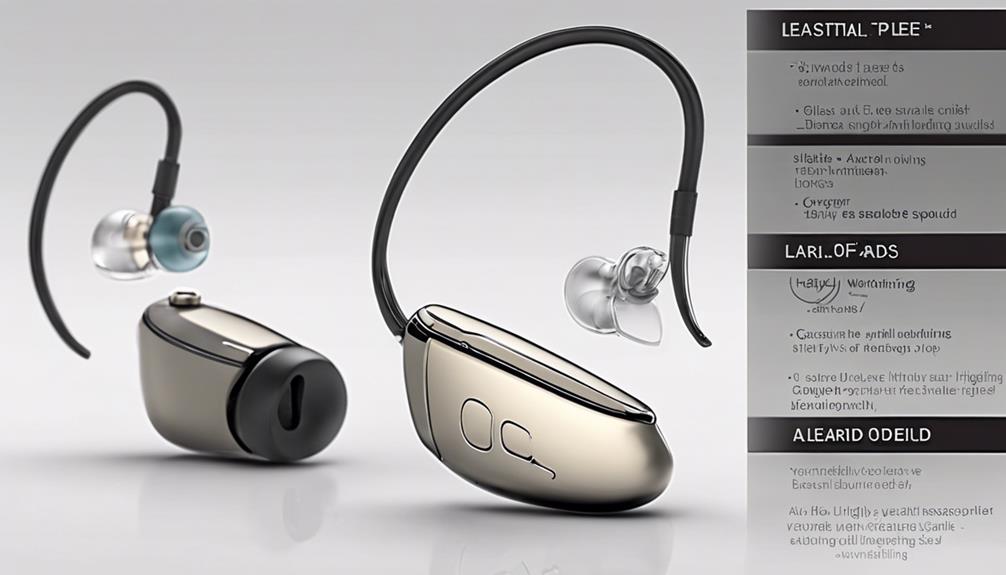
This lineup contains three cell phones and two Bluetooth hearing aids. I rank the phones first because they answer the search directly; I include AuraLink and Vivtone afterward as companion-device alternatives for buyers whose main goal is streaming calls into their ears. The defining tradeoffs are documented compatibility, carrier freedom, interface simplicity, and streaming support. A phone can be easy to hear without carrying a published M or T rating, so buyers using telecoil-equipped aids should verify the exact model before ordering.
Complete the kit


Key Takeaways
- The VAHVARNA Oasis M1 ranks first because it is the only supplied phone whose specifications explicitly state hearing aid compatibility.
- The Jitterbug Smart5 offers the strongest senior support package and real-time call captions, but it cannot leave the Lively network.
- The Samsung Galaxy A16 provides the richest conventional smartphone experience, yet this international version has narrow US carrier support.
- AuraLink and Vivtone are hearing aids rather than cell phones; they belong lower in this phone-focused ranking despite their Bluetooth call features.
- Carrier approval, telecoil support, and Bluetooth streaming are separate issues, so buyers should verify all three for their particular hearing aids.
| VAHVARNA Oasis M1 4G Unlocked Flip Phone for Seniors | 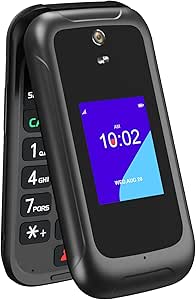 | Best Overall Hearing Aid Compatible Phone | Hearing Aid Compatibility: Yes | Operating System: KaiOS | Displays: 3.2-inch main and 2.0-inch external | VIEW ON AMAZON | See Our Full Breakdown |
| Lively Jitterbug Smart5 Smartphone for Seniors |  | Best for Call Captioning and Personal Support | Display: 6.75 inches | Storage: 128GB; expandable to 2TB | RAM: 8GB | VIEW ON AMAZON | See Our Full Breakdown |
| Samsung Galaxy A16 4G LTE 128GB Smartphone | 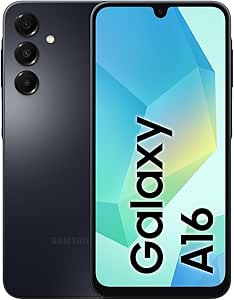 | Best Conventional Smartphone | Model: SM-A165F/DS international version | Display: 6.7 inches | Storage: 128GB | VIEW ON AMAZON | See Our Full Breakdown |
| AuraLink Bluetooth Hearing Aids for Seniors and Adults |  | Best Durable Hearing Aid Companion | Product Type: OTC Bluetooth hearing aids | Hearing Loss Range: 25–85 dB HL | Bluetooth: 5.4 | VIEW ON AMAZON | See Our Full Breakdown |
| Vivtone Xpure Bluetooth Hearing Aids |  | Best for App-Controlled Phone Streaming | Product Type: Rechargeable OTC hearing aids | Design: Receiver-in-canal | iPhone Requirement: iOS 12 or later | VIEW ON AMAZON | See Our Full Breakdown |
| hearing aid compatible cell phone | Battery | Storage |
|---|---|---|
| VAHVARNA Oasis M1 4G Unlocked | 2000mAh removable | 8GB; expandable to 32GB |
| Lively Jitterbug Smart5 Smartp | 5010mAh | 128GB; expandable to 2TB |
| Samsung Galaxy A16 4G LTE 128G | 5000mAh non-removable | 128GB |
| AuraLink Bluetooth Hearing Aid | — | — |
| Vivtone Xpure Bluetooth Hearin | — | — |
More Details on Our Top Picks
VAHVARNA Oasis M1 4G Unlocked Flip Phone for Seniors
I rank the VAHVARNA Oasis M1 first because its supplied specifications directly identify it as hearing aid compatible. That gives it a clearer claim than the Jitterbug Smart5 or Galaxy A16, whose listed accessibility features do not include an M or T rating. Large backlit keys, big type, text readout, loud volume, speed dial, and a Favorite button also reduce friction for buyers who want calling without a crowded touchscreen.
The Oasis M1 offers more carrier choice than the Lively-only Smart5, supporting AT&T, T-Mobile, and many MVNOs. Its removable battery is another practical advantage, since an aging battery does not make the whole phone disposable. The compromises are equally plain: Verizon is excluded, KaiOS has fewer apps than Android, and 8GB of storage limits media use. Bluetooth 4.2 may connect accessories, but buyers wanting polished app control and audio streaming may prefer a modern smartphone paired with AuraLink or Vivtone.
Pros:- Explicitly lists hearing aid compatibility
- Large backlit buttons, text readout, and loud volume
- Works with AT&T, T-Mobile, and many MVNOs
- Removable battery and quick-access Favorite button
Cons:- Does not support Verizon or its MVNOs
- Limited KaiOS app selection and 8GB storage
- No 5G and only one SIM slot
Best for: Buyers who want a straightforward flip phone with stated hearing aid compatibility, large physical controls, and broad non-Verizon carrier support.
Not ideal for: Verizon customers, heavy app users, mobile photographers, or anyone seeking a full Android smartphone.
- Hearing Aid Compatibility:Yes
- Operating System:KaiOS
- Displays:3.2-inch main and 2.0-inch external
- Network:4G LTE bands 2, 4, 5, 12, and 66
- Carrier Support:AT&T, T-Mobile, and many MVNOs; not Verizon
- Battery:2000mAh removable
- Talk Time:Up to 10 hours
- Bluetooth:4.2
- Storage:8GB; expandable to 32GB
Our verdict“I recommend the Oasis M1 as the strongest phone-focused choice for buyers who value documented hearing aid support and physical simplicity over apps.”
Lively Jitterbug Smart5 Smartphone for Seniors
The Jitterbug Smart5 earns second place through a senior-centered phone experience that the Oasis M1 and Galaxy A16 cannot match. Its real-time call captioning can turn spoken words into readable text, while voice calling, a simplified menu, and a 6.75-inch screen address several barriers beyond volume. The Urgent Response button and access to Lively assistance add reassurance for buyers who want help available from the handset.
Unlike the button-driven Oasis M1, this is a capable touchscreen smartphone with 128GB of storage, strong processing hardware, and useful cameras. Yet its accessibility benefits do not confirm a particular M or T hearing aid rating in the supplied data. Buyers should ask Lively about the exact rating and compatibility with their aids. The other major drawback is mandatory Lively service: the preinstalled SIM cannot be replaced with an existing carrier plan, making this a service commitment as much as a hardware purchase.
Pros:- Real-time call captioning and voice calling
- Large display with simplified senior-friendly navigation
- Urgent Response button for quick help
- 128GB storage and a large 5010mAh battery
Cons:- Locked to Lively service plans
- Published M and T ratings are not included in the supplied data
- Ongoing service costs may exceed basic carrier plans
Best for: Older adults who prefer a large touchscreen, readable call captions, simplified navigation, and direct access to support services.
Not ideal for: Buyers who want to keep an existing carrier, avoid recurring Lively fees, or require a confirmed telecoil rating before purchase.
- Display:6.75 inches
- Storage:128GB; expandable to 2TB
- RAM:8GB
- Processor:MediaTek Dimensity 6100 Plus
- Battery:5010mAh
- Call Accessibility:Real-time captions and voice calling
- Emergency Feature:Urgent Response button
- SIM:Preinstalled single Nano SIM
- Carrier:Lively only
Our verdict“I favor the Smart5 for buyers who need captions and guided support, provided they accept the Lively service lock and verify hearing aid ratings first.”
Samsung Galaxy A16 4G LTE 128GB Smartphone
I place the Samsung Galaxy A16 third for buyers who want an ordinary Android-style smartphone rather than a senior-specific device. Its 6.7-inch display, 128GB capacity, dual SIM hardware, and 5000mAh battery make it better suited to apps, photos, messaging, and media than the Oasis M1. Compared with the Jitterbug Smart5, it avoids a proprietary senior-service ecosystem and gives experienced smartphone users a more familiar layout.
That flexibility comes with two large cautions. This is an international 4G model, and the supplied information says US use is limited to T-Mobile and its MVNOs. The listing also provides no hearing aid compatibility rating, so I would not buy it solely on the assumption that modern Bluetooth equals hearing aid support. Buyers should confirm both carrier approval and an M/T rating for model SM-A165F/DS. There is no eSIM, and the missing power adapter adds a small setup cost.
Pros:- Large 6.7-inch screen aids reading and touch control
- 128GB storage supports apps, photos, and media
- 5000mAh battery is suited to full-day phone use
- Factory-unlocked dual SIM design
Cons:- US network support is limited to T-Mobile and related MVNOs
- No hearing aid rating is supplied
- No eSIM or included power adapter
Best for: Confident smartphone users on a supported T-Mobile-based network who want a large display and mainstream mobile apps.
Not ideal for: AT&T or Verizon customers, buyers needing physical buttons, or anyone who requires documented hearing aid compatibility.
- Model:SM-A165F/DS international version
- Display:6.7 inches
- Storage:128GB
- RAM:4GB
- Battery:5000mAh non-removable
- Network:4G LTE GSM
- US Carrier Support:T-Mobile and selected T-Mobile MVNOs
- SIM:Dual SIM; no eSIM
- Main Camera:50MP wide with supporting sensors
Our verdict“I see the Galaxy A16 as the best conventional smartphone here, but only after the buyer confirms network access and hearing aid compatibility for this exact model.”
AuraLink Bluetooth Hearing Aids for Seniors and Adults
The AuraLink is not a cell phone, so I rank it below all three handsets despite its strong phone-related features. It is a receiver-in-canal hearing aid for mild to moderate loss, with Bluetooth 5.4 calling and music support for compatible iOS and Android phones. Its clearest advantage over Vivtone is the rugged package: an IP68 rating, resistance to dust and drops, and a UV-sanitizing charging case suit active buyers who worry about moisture or daily wear.
AI-based sound adjustment and app-guided personalization may help speech stand apart from background noise, but full control depends on a smartphone. That creates a poor fit for buyers seeking the independence of the Oasis M1’s physical controls. AuraLink also cannot replace a phone, carrier plan, or emergency-call device. I would choose it over Vivtone when durability and adaptive noise management matter most, while buyers wanting clearly stated battery figures may find Vivtone easier to compare.
Pros:- Bluetooth 5.4 supports phone calls and music
- AI-powered sound adjustment targets clearer speech
- IP68 protection suits active daily use
- UV-sanitizing charging case adds convenient care
Cons:- It is a hearing aid, not a cell phone
- Full personalization requires a compatible smartphone app
- Intended only for mild to moderate hearing loss
Best for: Phone owners with mild to moderate hearing loss who want durable app-adjustable aids for calls, music, and everyday conversation.
Not ideal for: Anyone shopping for an actual cell phone, people with severe hearing loss, or buyers who do not want app-based setup.
- Product Type:OTC Bluetooth hearing aids
- Hearing Loss Range:25–85 dB HL
- Bluetooth:5.4
- Phone Compatibility:iOS and Android
- Water Resistance:IP68
- Design:Receiver-in-canal
- Charging Case:UV-sanitizing
Our verdict“I would pair AuraLink with a compatible phone when ruggedness and adaptive sound matter more than simple controls or published battery detail.”
Vivtone Xpure Bluetooth Hearing Aids
Like AuraLink, the Vivtone Xpure is a hearing aid rather than a phone. I include it for buyers who already own a compatible handset and want calls and music streamed directly through rechargeable aids. Multiple listening modes and app-based fitting provide more adjustment than the Oasis M1’s built-in accessibility controls, and the stated 24-hour hearing-aid runtime makes daily planning easier than AuraLink’s unspecified battery figure.
Vivtone falls behind AuraLink on ruggedness because the supplied details give no comparable IP68 claim. It also has a sharp battery tradeoff: ordinary hearing use can reach 24 hours, but streaming is rated for only three hours. The app requires iOS 12 or Android 11 and later, which may exclude older senior phones. First-time users may find fitting menus less approachable than the Jitterbug Smart5’s simplified interface. This pick makes sense when customization outranks weather resistance and when streaming sessions are brief.
Pros:- Streams compatible phone calls and music
- App offers personalized fitting and environment modes
- Up to 24 hours of standard hearing use
- Rechargeable receiver-in-canal design
Cons:- It is not a cell phone
- Streaming runtime is limited to about three hours
- Full control requires a compatible smartphone and app
Best for: Owners of compatible iOS or Android phones who want adjustable OTC hearing aids for calls, music, and changing sound environments.
Not ideal for: Buyers who need a phone, use an older mobile operating system, or expect hours of continuous audio streaming.
- Product Type:Rechargeable OTC hearing aids
- Design:Receiver-in-canal
- iPhone Requirement:iOS 12 or later
- Android Requirement:Android 11 or later
- Hearing Battery Life:Up to 24 hours
- Streaming Battery Life:Up to 3 hours
- Charging Time:2.5 hours
- Standby Time:Up to 1 week
Our verdict“I recommend Vivtone as a customizable streaming companion for an existing phone, especially when published battery details matter more than rugged construction.”
How We Picked
I placed the greatest weight on explicit hearing aid compatibility, since accessibility cannot be inferred from loud volume or Bluetooth alone. I then compared carrier support, call accessibility, control size, display readability, and emergency features. Phones received priority over hearing aids because the query asks for a phone, while the two wearable devices were judged as companion options rather than direct substitutes.
My ranking also reflects the cost of choosing the wrong ecosystem. A phone tied to one provider can be wonderfully simple yet expensive to leave, while an unlocked model may still omit a buyer’s carrier bands. I treated published limitations as ranking factors: the Jitterbug’s service lock, Samsung’s US network restriction, and Oasis M1’s lack of Verizon support all matter. For AuraLink and Vivtone, I focused on mobile OS requirements, streaming behavior, battery limits, and app dependence. I did not treat call captioning as proof of acoustic or telecoil compatibility.
Factors to Consider When Choosing Hearing Aid Compatible Cell Phones
I would start with the hearing aid itself, then match the phone to its connection method, carrier, and level of interface complexity. A loud speaker or Bluetooth logo alone does not settle compatibility.Understand M, T, and Bluetooth Support
M ratings describe reduced interference when a hearing aid uses its microphone mode, while T ratings relate to telecoil coupling. Bluetooth streaming is a separate path that may send calls directly to compatible aids. I would check the phone’s exact model number against the hearing aid maker’s compatibility list, since two phones with similar names can use different regional hardware. Among these picks, only the Oasis M1 explicitly states hearing aid compatibility in the supplied specifications; its precise M/T rating still deserves confirmation if telecoil use is required.
Match the Phone to the Carrier
A phone that cannot activate on the buyer’s network has no practical value. The Oasis M1 supports AT&T, T-Mobile, and many MVNOs, but excludes Verizon. The international Galaxy A16 is narrower in the United States, with the supplied data limiting it to T-Mobile and related providers. The Jitterbug Smart5 works only with Lively. I would verify the device identifier with the carrier before purchase, especially on an MVNO, because sharing a parent network does not guarantee that every handset will be approved.
Choose Buttons, Captions, or a Full Touchscreen
The right interface depends on the barriers a buyer faces. The Oasis M1’s physical keys and large type help with dialing and menu control, but its KaiOS software offers fewer apps. The Smart5 replaces physical keys with a simplified touchscreen and live call captions, making it stronger when reading speech is more useful than added volume. Samsung’s Galaxy A16 provides the broadest mainstream app experience, yet it asks the user to manage a standard smartphone interface. I would favor simplicity over extra features when missed calls or menu confusion are already common.
Separate Phone Features from Hearing Aid Features
AuraLink and Vivtone can improve how compatible phone audio reaches the wearer, but neither can dial independently or replace mobile service. AuraLink emphasizes durability and adaptive sound; Vivtone supplies clearer battery figures and multiple listening modes. Both rely on apps for full adjustment. I would treat either as one half of a two-device system and confirm that the existing phone meets its OS requirements. Buyers seeking one simple calling device should stay with Oasis M1 or Smart5 rather than adding app-managed hearing aids solely for phone use.
Frequently Asked Questions
What makes a cell phone hearing aid compatible?
A hearing aid compatible phone is designed to limit interference with hearing aids and may support telecoil coupling, microphone-mode use, or direct wireless streaming. I look for a published M rating, T rating, or explicit HAC statement tied to the exact model. Loud volume and Bluetooth are useful, but neither automatically proves compatibility. The buyer’s hearing aids must support the same connection method, so the phone maker’s rating and the hearing aid maker’s device list should agree.
Is the VAHVARNA Oasis M1 the best choice for every hearing aid user?
No. I rank the Oasis M1 first because it directly states hearing aid compatibility and offers large physical controls, but it is not a fit for Verizon users or people who depend on Android or iPhone apps. Its KaiOS platform and modest storage favor basic calls and messages. A buyer who relies on captions may prefer the Smart5, while someone who wants app-based hearing aid streaming may be better served by a verified smartphone paired with AuraLink or Vivtone.
Do call captions replace hearing aid compatibility?
No. Call captions convert speech into text, while hearing aid compatibility addresses how sound or electromagnetic signals interact with the aids. The Jitterbug Smart5’s captions may help when speech remains unclear, even with amplification, but they do not establish an M or T rating. I see captions as a valuable second channel rather than a substitute. Buyers who use telecoils should request the Smart5’s exact rating from Lively before committing to its service plan.
Can Bluetooth hearing aids connect to any smartphone?
Compatibility depends on the hearing aid, phone hardware, operating system, and app version. Vivtone lists iOS 12 or Android 11 and later, while AuraLink states support for iOS and Android without giving versions in the supplied data. I would compare the precise phone model with the maker’s compatibility list before ordering. Basic Bluetooth pairing may work while hands-free calling, stereo streaming, or app controls do not, so each desired feature needs separate confirmation.
Which option is easiest for an older adult to use?
I would choose based on whether the user prefers buttons or a touchscreen. The Oasis M1 is the simpler dialing device, with large backlit keys, big fonts, text readout, and speed dial. The Jitterbug Smart5 is easier for someone who wants smartphone functions but benefits from simplified menus, call captions, and access to Lively support. AuraLink and Vivtone add app setup and charging routines, while the Galaxy A16 presents a standard smartphone interface with less senior-specific guidance.
Conclusion
For a buyer seeking a true hearing aid compatible cell phone, I would start with the VAHVARNA Oasis M1: its explicit compatibility claim, large buttons, and non-Verizon carrier range give it the clearest case. I would choose the Jitterbug Smart5 for call captions, a large touchscreen, and human support, accepting the required Lively plan. The Galaxy A16 fits experienced smartphone users on a supported T-Mobile-based network, but its hearing aid rating must be checked before purchase.
AuraLink and Vivtone serve a different buyer. I would pair AuraLink with a phone when water resistance and adaptive noise control lead the priorities, or choose Vivtone for stated battery figures and adjustable listening modes. Neither replaces a handset. Whatever the buyer type, I would confirm the exact phone model, carrier approval, hearing aid connection method, and any required M/T rating before placing the order.
Halloween Picks
halloween
As an affiliate, we earn on qualifying purchases.