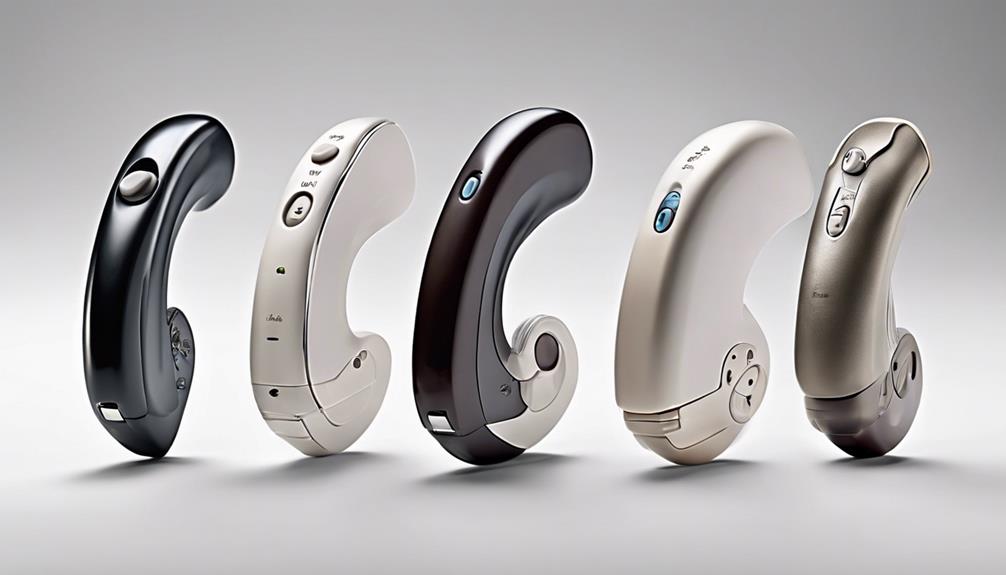
A hearing aid for one ear only can suit someone whose hearing loss affects one side, but the right choice depends on fit, controls, and whether the device is appropriate for that pattern of loss. My best overall pick is the Oricle Hearing Aids for its straightforward volume control and portable charging case; the ELEHEAR Beyond stands out for its advertised AI noise cancellation, while the Vivtone Bluetooth suits buyers who want app control. The main tradeoffs are simple operation versus customization, discreet in-ear fit versus ease of handling, and battery convenience versus charging routines. A one-ear device may not solve every form of single-sided hearing loss, so professional advice can help you choose the right type. Continue reading for the full comparison, buying guidance, and questions to ask before choosing.
Complete the kit



Key Takeaways
- Oricle is the clearest simple-control pick: its volume control and portable charging case make it a practical starting point, while the app-controlled Vivtone offers more adjustment options.
- ELEHEAR Beyond is the feature-led choice: its advertised AI noise cancellation and 50 dB specification set it apart, but buyers should verify that its fitting approach suits their hearing profile.
- Long battery claims appear across several models: the Flaygo, 16-channel DSP, and 100-hour-listed options emphasize extended use, but actual runtime depends on use and charging-case assumptions.
- Single-sided hearing needs are not all alike: an in-ear amplifier may help some users, but it is not interchangeable with a device designed to route sound from the poorer-hearing side.
- Ease of use is a meaningful separator: one-button operation on the Karthus and Flaygo models favors simple routines, whereas Bluetooth and app controls bring flexibility with added setup.




| hearing aid for one ear only | Design | Battery life |
|---|---|---|
| BLJ Hearing Aid for Seniors | Invisible in-ear | — |
| OTC Hearing Aids for Seniors | Behind-the-ear | 120 hours |
| Oricle Hearing Aids for Senior | — | — |
| Audien Atom One OTC Hearing Ai | — | — |
| Rechargeable OTC Hearing Aids | Mini in-ear | Up to 100 hours |
| Rechargeable Hearing Aids for | — | 35 hours |
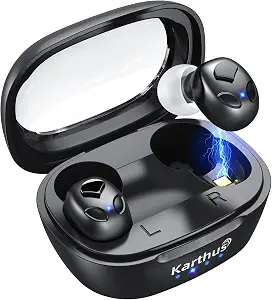
| Karthus Rechargeable Hearing A | Behind-the-ear | Up to 100 hours with charging case |
| ELEHEAR Beyond OTC Hearing Aid | Discreet behind-the-ear | Up to 100 hours |
| Vivtone Bluetooth Hearing Aids | Receiver-in-canal | — |
| Flaygo Hearing Aids for Senior | — | Up to 80 hours |
| OTC Hearing Aids for Seniors & | — | 80+ hours |
| Digital Rechargeable Invisible | Ergonomic, nearly invisible | Up to 100 hours |
| Rechargeable OTC Hearing Aids | Nearly invisible | — |
More Details on Our Top Picks
BLJ Hearing Aid for Seniors, Invisible Digital Hearing Amplifier with Noise Reduction and Feedback Cancelling (Blue-Left Ear)
The BLJ is the clearest match here for someone seeking a dedicated left-ear device: its listed Blue-Left Ear configuration avoids the uncertainty of choosing a side-neutral model. Six channels, three programs, and 11 volume levels give more ways to adjust listening than the Audien Atom One, which uses manual analog dials and has no listed noise control. BLJ also specifies both noise reduction and feedback cancellation, useful features when background sound or whistling disrupts listening. The tradeoff is power and fit information: the listing does not mention rechargeable batteries, and the in-ear fit may take adjustment. Unlike the OTC rechargeable 16-channel model, it offers fewer channels and no stated charging case or battery-life figure. I’d rank it for side-specific fit and controls, not for documented battery convenience.
Pros:- Listed specifically for the left ear
- Six channels, three programs, and 11 volume levels offer adjustment options
- Noise reduction and feedback cancellation are both specified
- Discreet, lightweight in-ear design with a one-year warranty
Cons:- Battery type and whether it is rechargeable are not specified
- Fit may require adjustment to feel secure and comfortable
- Blue is the only listed color, and the product is side-specific
Best for: Buyers who need a left-ear-only device and want several program and volume adjustments in a discreet in-ear design.
Not ideal for: People who need a right-ear version, want a rechargeable charging-case setup, or need clear battery-life details before choosing.
- Channels:6
- Programs:3
- Volume levels:11
- Ear and color:Blue, left ear
- Design:Invisible in-ear
- Sound features:Noise reduction and feedback cancellation
- Warranty:1 year
Our verdict“Choose the BLJ if you need a left-ear-specific fit and multiple sound adjustments, but skip it if rechargeable operation is a priority.”
OTC Hearing Aids for Seniors, Rechargeable Amplifier with Noise Cancelling, Lightweight and Beginner-Friendly
For a first-time wearer using one device, this model prioritizes straightforward operation and fewer charging interruptions. Its one-button control cycles through Quiet, Social, and Outdoor modes, while the charging case supports a listed 120 hours of battery life. That makes it a more convenient pick for routine use than the BLJ, whose battery setup and runtime are not specified. Its 16-channel processor and AI noise cancellation also give it a stronger stated processing feature set than the Audien Atom One, which has no noise control. The compromise is limited personal adjustment: there is no app control, and three preset modes may not suit every listening situation. The description identifies this as a behind-the-ear pair, so buyers seeking a single-ear fit should confirm whether one device can be used independently and whether the configuration suits their affected side.
Pros:- One-button operation with three named listening modes
- Charging case and 120-hour battery-life claim support extended use between charging routines
- 16-channel processing and AI noise cancellation are specified
- Lightweight behind-the-ear design
Cons:- No app control or advanced personalization options
- Listing does not specify whether one earpiece can be used independently
- Exact weight and a left/right-specific configuration are not provided
Best for: First-time users who want simple physical controls, a portable charging case, and long stated runtime, provided the device can be worn as a single aid.
Not ideal for: Buyers who need a clearly specified left- or right-ear-only model, detailed app adjustments, or confirmation that one earpiece works independently.
- Design:Behind-the-ear
- Channels:16
- Noise cancellation:AI noise cancellation
- Battery life:120 hours
- Charging case:Included
- Controls:One button
- Listening modes:Quiet, Social, Outdoor
Our verdict“Consider this for easy controls and extended runtime if the seller confirms that a single earpiece fits your one-ear needs.”
Oricle Hearing Aids for Seniors – Advanced Noise Cancellation, Easy Volume Control, Portable Charging Case
Oricle’s strongest case is comfort: the silicone in-ear material is intended to provide a secure, all-day fit, a useful priority if a rigid shell becomes uncomfortable. It also lists noise reduction, volume control, and a portable charging case, making it more feature-rich for noisy conversations than the Audien Atom One, which lacks noise control. The one-ear limitation needs careful attention, though: the style is listed as Both Ear, and the available information does not confirm a left-only or right-only configuration or independent single-device operation. Battery details also conflict: the description claims up to 60 hours per charge and rechargeability, while the specs list one C battery and lithium-ion composition. Compared with BLJ’s explicit left-ear listing, Oricle is less certain for side-specific buying. I’d choose it only after confirming the battery setup and single-ear compatibility.
Pros:- Silicone construction is intended for a comfortable, secure in-ear fit
- Noise reduction and volume control are listed
- Portable case and charger are included
- Button control and smart-memory features are described
Cons:- The listing says Both Ear and does not confirm a single-ear configuration
- Battery information is inconsistent between the description and specifications
- Software update support is not described
Best for: Buyers who prioritize soft silicone tips and want volume control for conversation, after confirming one-device use and the battery arrangement.
Not ideal for: Anyone who needs a clearly identified left- or right-ear aid or reliable, consistent information about battery type and runtime before purchase.
- Brand:Oricle
- Model:Standard 2.0
- Model number:HA-JHA490-2.0
- Style:Both Ear
- Materials:Silicone
- Controls:Button
- Battery information:Specs list one C battery and lithium-ion composition; description claims rechargeable use
- Weight:43 g
- Included components:Hearing aids, case, charger
Our verdict“Pick Oricle for a soft in-ear fit only if the seller confirms single-ear use and clarifies its battery specifications.”
Audien Atom One OTC Hearing Aids
The Atom One suits buyers who prefer direct, physical adjustment over modes, apps, or digital menus. Its volume and frequency dials make the controls easy to understand at a glance, and its rechargeable in-ear design avoids routine disposable-battery changes. Compared with the BLJ, it offers fewer stated sound-processing tools: Audien lists no noise control, while BLJ specifies noise reduction and feedback cancellation. That difference matters most in busy settings, where background sound or feedback can interfere with speech. Audien is described for adults with mild to moderate hearing loss, and the product information does not identify a left- or right-ear version or confirm single-device use. I’d rank it for uncomplicated manual operation, not for noisy environments or shoppers who need a clearly side-specific aid.
Pros:- Physical volume and frequency dials avoid app setup
- Rechargeable lithium-ion batteries
- Small, discreet in-ear design
- Expert-guided setup is listed
Cons:- No noise control is specified
- Manual dials may offer less precise adjustment than digital controls
- No left/right-specific fit or single-device use is confirmed
Best for: Adults with mild to moderate hearing loss who want rechargeable in-ear support and prefer simple manual dials to app-based controls.
Not ideal for: People who need noise reduction, feedback control, a specified one-ear configuration, or support for severe hearing loss.
- Fit:In-ear
- Hearing-loss range:Mild to moderate, as described
- Control type:Dial control
- Noise control:None listed
- Battery:Two lithium-ion batteries required
- Color:Beige
- Materials:Plastic or silicone
Our verdict“Choose the Atom One for uncomplicated rechargeable controls in mild-to-moderate hearing loss, not for noise management or confirmed one-ear fit.”
Rechargeable OTC Hearing Aids for Seniors, Digital Hearing Aids with Noise Cancellation & Feedback Suppression, Mini In-Ear Design, Magnetic Charging Case, 100H Battery Life
This model combines a small in-ear form with a magnetic charging case, a helpful pairing for buyers who want discreet wear and simple storage. Noise cancellation and feedback suppression are both listed, giving it a clearer focus on listening comfort than the Audien Atom One, which has no stated noise-control features. Its one-button operation keeps daily use simple, but also limits the adjustments available compared with BLJ’s 11 volume levels and three programs. The claimed 100 hours of total battery life is appealing, though the listing does not specify charge time or explain how that total is measured. It also gives no left/right designation, so one-ear shoppers should verify that a single device can be worn on their affected side. I’d put it ahead of Audien for noise features, but behind BLJ for documented side-specific selection.
Pros:- Mini in-ear design is intended for discreet wear
- Noise cancellation and feedback suppression are specified
- Magnetic portable charging case
- One-button controls and up to 100 hours of total battery life are listed
Cons:- Single-button operation offers limited control
- Charge time and battery-life measurement details are not provided
- No left/right-specific configuration or water-resistance information is listed
Best for: Buyers seeking a compact rechargeable in-ear aid with a magnetic case, provided they verify single-device use for the correct ear.
Not ideal for: People who need precise volume or program choices, documented charging time, sweat-resistance details, or a confirmed left/right-specific model.
- Design:Mini in-ear
- Battery life:Up to 100 hours
- Charge time:Not specified
- Charging case:Portable magnetic case
- Controls:One-button operation
- Sound features:Noise cancellation and feedback suppression
- Materials:Medical-grade, skin-friendly
Our verdict“Choose this for compact rechargeable convenience and noise features if the seller confirms it works as a single aid for your affected ear.”
Rechargeable Hearing Aids for Seniors, 16-Channel DSP Noise Reduction, Invisible In-Ear Design, Volume Control, 35 Hours Battery Life with Charging Case
For someone wearing an aid in just one ear, this model’s lightweight in-ear fit keeps the device self-contained, without a behind-the-ear piece to position. Its button controls and three modes also make basic adjustments less dependent on a smartphone than the ELEHEAR Beyond, which offers app customization but may take more setup. The stated 35-hour battery life and USB-C charging case suit regular use, though that figure is less generous than the case-life claims for the Karthus or Flaygo. The tradeoff is limited detail about software updates and how its noise processing performs in busy places. I’d choose it for straightforward, discreet wear—not for someone who needs extensive app tuning or clearly documented performance in noisy settings.
Pros:- In-ear design avoids a behind-the-ear unit.
- Button control supports straightforward adjustments.
- Three modes offer some flexibility for different listening situations.
- USB-C charging case and stated 35-hour battery life support routine use.
Cons:- Battery-life claim is lower than the Karthus and Flaygo claims.
- Limited information is provided about software updates.
- Noise processing may not be sufficient in very noisy environments.
Best for: Adults seeking a discreet in-ear aid for one ear with physical controls and a charging case, especially those who prefer not to rely on an app.
Not ideal for: People who need extensive sound personalization, strong support in very noisy settings, or a published battery-life claim closer to the Karthus and Flaygo options.
- Fit:In-ear
- Controls:Button control
- Digital processing:16-channel DSP noise reduction
- Listening modes:3
- Battery:Rechargeable
- Battery life:35 hours
- Charging:Charging case, USB Type-C
- Color:White
Our verdict“Choose this for discreet, app-free in-ear wear in one ear, but favor a more customizable model if you need extensive tuning.”
Karthus Rechargeable Hearing Aids for Seniors, Noise Cancelling, Invisible Design, 100H Battery Life, 7 Volume Levels, One-Button Operation, Char Black
The Karthus is the battery-focused choice here: its stated up-to-100-hour runtime with the charging case can reduce how often a wearer needs to plan around charging. For a one-ear setup, the behind-the-ear design may also be easier to handle than the tiny in-ear body of the first product, though it is less self-contained and visible. A single button and seven volume levels give more adjustment steps than the Flaygo’s four, without requiring an app like the ELEHEAR Beyond or Vivtone. Its limits matter: Bluetooth is absent, the full-day use claim depends on the case, and the product is described for mild to moderate hearing loss. I’d pick it for simple controls and fewer charging interruptions, not for streaming or a fully in-ear appearance.
Pros:- One-button operation keeps everyday adjustments simple.
- Seven volume levels allow finer control than the Flaygo’s four levels.
- Up to 100 hours of use with the charging case reduces charging frequency.
- Behind-the-ear fit may be easier to handle than a small in-ear aid.
Cons:- No Bluetooth or wireless connectivity.
- Full-day use relies on the charging case.
- Specified for mild to moderate hearing loss rather than severe loss.
Best for: People with mild to moderate hearing loss who want a one-ear aid with tactile operation, several volume steps, and extended case-supported use.
Not ideal for: Buyers who want Bluetooth streaming, a fully in-ear fit, or an option intended for severe hearing loss.
- Design:Behind-the-ear
- Digital processing:16-channel
- Volume levels:7
- Modes:Quiet and Noise
- Battery life:Up to 100 hours with charging case
- Quick charge:15 minutes for hours of use
- Color:Char Black
- Intended hearing loss:Mild to moderate
Our verdict“Pick the Karthus if long case-supported runtime and simple physical controls matter more than Bluetooth or an in-ear shape.”
ELEHEAR Beyond OTC Hearing Aids for Seniors, 50dB, AI Noise Cancellation
Among these options, the ELEHEAR Beyond makes the most sense for a one-ear wearer who wants to shape the sound through a phone: app customization, four scene modes, and nine dome sizes provide more adjustment paths than the button-led Karthus or Flaygo. Its AI noise cancellation and stated 50dB amplification are aimed at mild to moderate hearing loss, while the behind-the-ear design keeps the device outside the ear canal. The claimed up-to-100-hour battery life is appealing, but the product also lists a 15-minute charge for six hours of use, so buyers should distinguish quick-charge performance from total runtime. The main compromise is setup: full customization depends on a compatible smartphone, and the maker says it may be less effective for severe loss. I’d favor it for app-friendly tuning, not for buyers seeking the simplest controls.
Pros:- App customization allows sound settings to be tailored.
- Four scene modes provide more situation-specific options than the Karthus’s two listed modes.
- Nine dome sizes offer choices for fitting the ear.
- Bluetooth connectivity and quick charging add flexibility.
Cons:- Full customization requires a smartphone app.
- Setup may feel complex for buyers seeking one-button operation.
- May be less effective for severe hearing loss.
Best for: Smartphone users with mild to moderate hearing loss who want one-ear wear, app-based sound adjustments, and a choice of dome sizes.
Not ideal for: People who do not want to use an app, have severe hearing loss, or prefer a no-setup physical-control aid such as the Karthus.
- Amplification:50dB
- Noise cancellation:AI noise cancellation
- Design:Discreet behind-the-ear
- Connectivity:Bluetooth
- Scene modes:4
- Dome sizes:9
- Battery life:Up to 100 hours
- Quick charge:15 minutes for 6 hours of use
Our verdict“Choose the ELEHEAR Beyond if you want app-based tuning and fit options for one ear, and are comfortable with smartphone setup.”
Vivtone Bluetooth Hearing Aids for Seniors: App Control, Rechargeable, OTC
The Vivtone stands apart from the Karthus and Flaygo by adding Bluetooth streaming for calls and music, making it the clearest fit for a one-ear wearer who also wants wireless audio. Its receiver-in-canal design places the receiver in the ear, while app control supports sound adjustments without relying only on a physical button. The battery details are more specific than the broad case-runtime claims on the ELEHEAR Beyond: Vivtone lists 18+ hours of use, but only three hours when streaming, so frequent media use can change the charging routine. The 2.5-hour recharge time and case recharging up to three times add flexibility, though smartphone compatibility is required for app features. I’d choose it for connectivity, not for the longest listening time or heavy use in very noisy places.
Pros:- Bluetooth supports phone calls and music streaming.
- App control offers customizable sound modes.
- Charging case can recharge the aids up to three times.
- Receiver-in-canal design places the receiver in the ear.
Cons:- Streaming battery life is listed as three hours, below the 18+ hours of general use.
- App features require compatible iOS or Android devices.
- May be less effective in extremely noisy environments.
Best for: One-ear users who want a receiver-in-canal OTC aid that can connect to a compatible smartphone for calls, music, and app adjustments.
Not ideal for: People without a compatible iOS or Android phone, buyers prioritizing maximum streaming time, or those who often listen in extremely noisy environments.
- Design:Receiver-in-canal
- Connectivity:Bluetooth
- Controls:Smartphone app
- General-use battery life:18+ hours
- Bluetooth streaming battery life:3 hours
- Recharge time:2.5 hours
- Charging case:Recharges aids up to 3 times
- Phone compatibility:iOS 11+ and Android 6.0+
Our verdict“Pick the Vivtone for one-ear hearing support with Bluetooth calls and music, but skip it if streaming runtime or app-free use matters more.”
Flaygo Hearing Aids for Seniors, Sound Quality Restoration, Noise Reduction, 80h Battery Life, One-Button Operation, Comfortable Fit
The Flaygo is a practical choice for a one-ear wearer who wants physical, uncomplicated controls rather than app setup. Its single button and four volume levels are easier to understand than the Vivtone’s app-led controls, while the Karthus offers seven levels for someone who wants finer volume steps. Flaygo’s 16-channel digital chip with noise reduction is paired with a stated 80-hour battery life and USB-C fast charging, giving it a useful middle ground between the shorter claim of the first in-ear model and the Karthus’s case-supported 100 hours. At 3.5g, it is described as lightweight, but the available data does not specify a clear fit style beyond a comfortable, nearly invisible design. I’d choose it for simple operation and long intervals between charges, not for app customization or severe hearing loss.
Pros:- One-button operation keeps controls simple.
- Four volume levels allow adjustments for different environments.
- Stated 80-hour battery life and USB-C charging support regular use.
- Listed weight of 3.5g supports a lightweight fit.
Cons:- Requires charging every few days despite the stated long battery life.
- Only four volume levels, compared with the Karthus’s seven.
- May not suit severe hearing loss.
Best for: Adults who want a lightweight, one-ear aid with one-button operation, four volume settings, and a long stated battery life.
Not ideal for: People who need app-based personalization, more volume steps than four, or an aid intended for severe hearing loss.
- Digital chip:16-channel with noise reduction
- Battery life:Up to 80 hours
- Charging:USB-C fast charging
- Charge time:2 hours per charge
- Weight:3.5g
- Operation:One-button
- Volume levels:4
- Color:Beige
Our verdict“Choose the Flaygo for simple button control and long stated runtime, but look elsewhere for app tuning or finer volume adjustment.”
OTC Hearing Aids for Seniors & Adults, Rechargeable, Noise Cancelling, 16-Channel Digital DSP, 2 Environment Modes, 80+ Hour Battery Life, Comfort-Fit, Black
For someone fitting an aid to one ear and hoping to wear it through a full day, this model’s stated 80+ hours of battery life is its clearest advantage. Its 16-channel digital processing, noise reduction, and feedback cancellation are intended to support clearer listening, while two environment modes offer some flexibility without a complicated feature set. Compared with the Digital Rechargeable Invisible Hearing Aids for Seniors, it offers more channel detail on paper, but that model lists one-button volume adjustment and a longer stated runtime of up to 100 hours. This pick makes more sense if the combination of feedback cancellation and long battery life matters more than extra control options. The tradeoff is limited information about water resistance and fitting specifics; comfort may also take some adjustment. Check that the device is sold as a single aid or can be used independently before buying for one-ear use.
Pros:- Stated 80+ hour battery life reduces how often charging is needed.
- 16-channel digital processing with noise reduction and feedback cancellation.
- Two environment modes offer some listening flexibility.
- Two-hour charge time is specified.
Cons:- No waterproof or sweat-resistance rating is provided.
- Fit may need adjustment before it feels comfortable for extended wear.
- The supplied details do not confirm single-aid packaging or independent one-ear use.
Best for: Adults seeking a rechargeable aid for one ear who prioritize long stated battery life, feedback cancellation, and a simple choice of listening environments.
Not ideal for: People who need water- or sweat-resistant construction, detailed fit information, or confirmed single-unit packaging; those features are not specified in the supplied product details.
- Channels:16
- Battery life:80+ hours
- Charge time:2 hours
- Environment modes:2
- Color:Black
- Technology:Digital signal processing
- Sound features:Noise reduction and feedback cancellation
Our verdict“Choose this for long runtime and feedback control in a one-ear setup, provided the seller confirms the package and fit suit your needs.”
Digital Rechargeable Invisible Hearing Aids for Seniors
The main appeal here is straightforward control: one button handles four volume settings, a practical format for someone who wants to adjust a single aid without an app. Its nearly invisible, ergonomic design is also aimed at discreet wear, while the stated up to 100-hour battery life and 100-minute charging time make it a strong alternative to the 16-channel OTC Hearing Aids for Seniors & Adults, which list 80+ hours and a two-hour charge. The tradeoff is that this model provides fewer stated control options and does not specify channel count or distinct environment modes, so buyers who want more information about sound adjustment may prefer that 16-channel option. For one-ear use, the product details do not establish whether the package contains one aid or whether each aid can be configured independently; confirm this before ordering.
Pros:- One-button controls with four adjustable volume settings.
- Up to 100 hours of stated battery life and a 100-minute charge time.
- Nearly invisible, ergonomic design is intended for discreet wear.
- Digital processing includes noise reduction.
Cons:- Control options are limited, with no smartphone app specified.
- No channel count or selectable environment modes are listed.
- The supplied details do not confirm single-aid packaging or independent one-ear configuration.
Best for: Seniors who want a discreet rechargeable aid for one ear with physical one-button operation and a small number of easy volume settings.
Not ideal for: Buyers who want app-based tuning, multiple listening modes, detailed channel specifications, or confirmed single-aid packaging.
- Technology:Advanced digital chips
- Noise reduction:Yes
- Battery life:Up to 100 hours
- Charging time:100 minutes
- Controls:One button with four adjustable volume settings
- Design:Ergonomic, nearly invisible
Our verdict“Pick this for discreet wear and uncomplicated button controls, but verify one-ear compatibility and packaging before purchase.”
Rechargeable OTC Hearing Aids for Seniors with Auto UV Cleaning and Noise Cancellation
This model separates itself from the other picks with a charging case that includes an automatic cleaning cycle and battery indicators. That convenience may appeal to someone who would rather have a routine care feature built into the case than manage cleaning entirely by hand. The stated runtime is 15–20 hours per charge, with up to 120 hours total using the case; compared with the 80+ hour 16-channel OTC model, its advantage is the case’s added care features, not a longer single-charge claim. Automatic environment adaptation and digital noise reduction are intended to reduce the need for frequent listening-mode changes, though manual volume adjustment may still be needed. The cleaning cycle is not a replacement for dealing with heavy earwax buildup, and the nearly invisible design may not satisfy buyers who want a completely hidden fit. Confirm single-aid availability for one-ear use.
Pros:- Charging case includes battery indicators and an automatic cleaning cycle.
- Up to 120 hours of stated total runtime with the case.
- Automatic environment adaptation and digital noise reduction.
- FSA/HSA eligibility is specified.
Cons:- Single-charge runtime is stated as 15–20 hours, not the total runtime listed with the case.
- Automatic cleaning may not handle heavy earwax buildup.
- Manual volume adjustment may be needed, and the design may not be fully invisible.
Best for: A senior buying a rechargeable aid for one ear who values case-based charging indicators and a built-in cleaning routine.
Not ideal for: People with heavy earwax buildup, those who want fully automatic volume control or a completely invisible fit, and buyers who need confirmed single-aid packaging.
- Type:Rechargeable OTC hearing aids
- Noise cancellation:Advanced digital noise reduction
- Design:Nearly invisible
- Battery life per charge:15–20 hours
- Total battery life with case:Up to 120 hours
- Charging case:Battery indicators and automatic cleaning cycle
- FSA/HSA eligible:Yes
Our verdict“Choose this if case-based cleaning and charging cues matter more than long single-charge runtime or fully automatic volume adjustment.”

How We Picked
I compared the 13 listed products through the needs that matter when buying for one ear: how clearly the listing describes controls and fit, what it claims about noise handling, how charging and battery information is presented, and whether extra features add useful flexibility. I gave more weight to understandable operation and practical maintenance than to a long feature list, since a device that is difficult to fit or adjust can be a poor match for everyday use.
The order reflects how well each option appears to balance those needs, not a claim of clinical effectiveness or first-hand testing. Products with clearly stated controls or useful fitting and charging details rank ahead of listings with less specific information; app features, channel counts, and advertised battery figures are treated as differentiators rather than proof of better hearing. Since these products are not all described as prescription devices or as solutions for single-sided deafness, I also factor in the importance of checking suitability with a hearing-care professional.
Factors to Consider When Choosing Hearing Aid For One Ear Only
Choosing a device for one ear involves more than picking the smallest shell or the longest battery claim. I would start by identifying what kind of hearing difficulty the device is meant to address, then match its fitting, controls, and upkeep to the wearer’s routine.
Clarify what “one ear only” means for your hearing
Hearing loss in one ear can describe different situations, from mild loss on one side to very limited hearing on that side. A conventional amplifier worn in the affected ear may not provide the same benefit as a system that sends sound from that side to the better ear. Before buying, ask an audiologist or other qualified hearing-care professional whether an in-ear OTC aid is suitable for your hearing profile. Do not assume that a product labeled for seniors or one ear is designed for single-sided deafness. If the loss appeared suddenly, or comes with pain, dizziness, or a sudden change in hearing, seek medical advice rather than relying on an over-the-counter device. Matching the device type to the hearing pattern matters more than choosing the longest feature list.
Choose controls the wearer can use consistently
Small buttons and touch controls can be hard to operate for someone with reduced dexterity or vision. A one-button design can simplify daily adjustments, but it may offer fewer ways to tailor sound than an app-controlled model. App control can help a wearer make finer changes, yet it adds phone compatibility, setup, and charging habits to the routine. Think through the actual sequence: inserting the aid, selecting a setting, changing volume, and putting it away. If another person will help with setup, check whether the controls remain manageable when the wearer is alone. A simpler device often wins when reliable everyday use matters more than extensive adjustment.
Treat noise reduction claims as a starting point
Noise reduction, feedback suppression, and multiple listening modes describe different attempts to make sound more comfortable; none guarantees clear speech in every setting. A feature that helps with steady background noise may not solve the challenge of following conversation in a busy restaurant. More DSP channels or an AI label can indicate added processing, but those specifications do not by themselves show how the aid will sound to a particular wearer. Consider where the device will be used most: quiet conversations at home call for different priorities than group meals or outdoor activities. Check whether the wearer can adjust modes without complicated steps. If possible, favor a seller or clinician who can explain fitting and provide a return or adjustment path.
Check fit, handling, and ear comfort together
A discreet in-ear shape may appeal to someone who wants a low-profile device, but tiny parts can be harder to insert, remove, or clean. The correct dome or tip size affects comfort and how securely the aid sits; a poor fit can also contribute to feedback or weak sound. Buyers sometimes focus on the word “invisible” and overlook whether the wearer can handle the device without assistance. Look for clear information about included ear tips, cleaning tools, and replacement parts before deciding. Anyone with ear irritation, recurring infections, or unusual ear anatomy should ask a professional about safe fit. Comfort during a full day matters more than an almost-hidden appearance.
Read battery claims with the charging case in mind
Advertised totals such as 80 or 100 hours may combine the aid’s operating time with energy stored in its case, so compare the fine print rather than treating every figure as continuous wear time. A case can reduce the need to find an outlet during the day, but it also has to be charged and carried. Magnetic charging may make placement easier for some users, while a small case can be inconvenient if its charging status is hard to see. Ask how long the aid runs on one charge, how long recharging takes, and whether the case itself needs a cable. For travel or frequent outings, a predictable charging routine may matter more than a large headline total. Keep spare charging accessories in mind if the device will be used daily.
Weigh convenience features against support and suitability
Bluetooth, UV cleaning, and advanced sound processing can address particular preferences, but added features do not replace a proper assessment of hearing needs. App-based controls are useful only if the wearer is comfortable using a compatible phone. An advertised UV-cleaning case may simplify one part of upkeep, yet it does not remove the need to clean ear tips as directed or check the manufacturer’s care instructions. Verify what warranty, troubleshooting help, and return conditions apply before purchase, especially when fit or sound quality is uncertain. Buyers should also confirm whether the device is intended for OTC use and which hearing profiles the manufacturer says it supports. Paying more for a feature makes sense only when it solves a real, repeated problem for the wearer.
Frequently Asked Questions
Can an ordinary OTC hearing aid help if I can hear well in one ear but poorly in the other?
It may help some people, but that depends on the cause and degree of hearing loss. A standard aid amplifies sound for the ear in which it is worn; a device designed to route sound to the better ear works differently. An OTC label does not mean a product suits every single-sided hearing profile. A hearing test can clarify whether amplification, sound routing, or another approach is more appropriate. Ask a hearing-care professional before choosing a one-ear device if the difference between ears is substantial.
Should I buy one hearing aid or a pair if only one ear seems to need help?
Do not decide from symptoms alone, since a hearing test may find changes in both ears even when one side feels worse. If professional advice confirms that only one ear needs amplification, buying a single device may be reasonable, but confirm that the product can be configured and worn on the intended side. Some listings specify a left- or right-ear version, while others do not make the fitting options clear. A pair may be unnecessary for some people and unsuitable for others. Ask about the expected benefit of one-sided use before purchasing a set.
How can I tell whether a hearing aid is meant for my left or right ear?
Check the listing, packaging, and manual for explicit left- or right-ear labeling rather than assuming an in-ear design fits either side. Some models are sold in a specific side configuration, while others use interchangeable tips or a shape intended for either ear. The BLJ option in this roundup explicitly names a blue left-ear version, but many product titles do not provide the same detail. Confirm the side before ordering and check the seller’s exchange policy if the fit is unclear. If the aid feels painful or does not stay in place, stop using it and seek fitting guidance.
Are long battery-life claims enough to choose between these models?
No. Headline totals may include charges stored in the case, so they do not always show how long the aid runs between case visits. Compare the stated runtime per charge, recharge time, and how easy the case is to use. The Flaygo and several other listings emphasize extended totals, while options such as Oricle highlight a portable charging case; those are different conveniences, not direct proof of better sound. Think about how often the wearer can recharge and whether they need the aid for long days away from home. Clear battery details are more useful than a large number without context.
What should I do if a one-ear aid causes whistling, discomfort, or little improvement?
First check that the tip is seated correctly, the ear and device are clean, and the volume is not set higher than needed. Feedback can be related to fit, wax, or device placement, while discomfort may mean the tip size or style is wrong. If the problem continues, stop increasing the volume and contact the seller or a hearing-care professional for fitting advice. Little improvement may mean the device type does not match the hearing loss, not that the wearer simply needs a stronger setting. Sudden changes in hearing, pain, or dizziness call for medical attention.
Conclusion
For the strongest all-around balance in this lineup, I would start with the Oricle Hearing Aids, especially for someone who wants volume control and a portable charging case without app-dependent setup. The best value in practical features is the Karthus for buyers who prioritize one-button operation and a stated long battery total, while remembering that runtime details should be checked carefully. For a premium, feature-led option, consider ELEHEAR Beyond if its advertised AI noise cancellation and fitting approach match the wearer’s needs. The best beginner choice is Oricle for straightforward controls; choose Vivtone Bluetooth instead only if app adjustments are a priority and the wearer is comfortable with phone setup. For specific needs, the BLJ’s explicitly labeled left-ear version may suit a buyer seeking that side, while anyone with significant one-sided hearing loss should get professional guidance before choosing any ordinary OTC aid.