For a high-end home espresso setup, the Diletta Alto is my best overall pick for its dual boilers, PID temperature control, and shot timer, which support a more controlled workflow. The Breville Barista Pro pairs an integrated grinder with fast, hands-on brewing, while the Ninja Luxe Café Premier suits households that want espresso alongside drip coffee and cold brew. The main tradeoff is between manual control and convenience: traditional machines ask for more skill and upkeep, while automatic and multi-drink models handle more of the work. Grinder integration, milk preparation, counter space, and service needs also separate these options. Read on for the full breakdown and help matching a machine to your routine.

Get everyday helpers delivered free with Prime
- Fast, free delivery on millions of items
- Prime Video, Amazon Music and more included
- Member-only deals all year
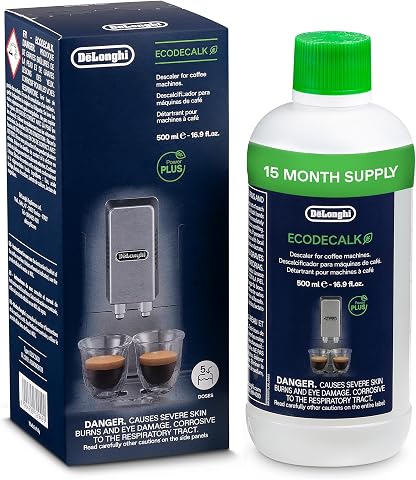
Complete the kit


Key Takeaways
- The Diletta Alto leads for hands-on control: its dual boilers and PID give espresso and milk preparation dedicated heating capacity, though it asks more of the buyer than an automatic machine.
- Integrated grinders define the practical middle ground: the Barista Pro, Barista Express, and La Specialista Arte Evo combine grinding and brewing, reducing setup clutter while limiting the flexibility of a separate grinder.
- Convenience comes in different forms: the Gaggia Brera and De’Longhi Magnifica Duo automate more of the process, while the Ninja Luxe Café Premier broadens the menu beyond espresso.
- The Bambino models prioritize a smaller footprint and approachable workflow: the Bambino Plus adds more milk assistance, while the standard Bambino keeps the setup simpler.
- Traditional machines reward skill more than speed: the Diletta Bello+ and Gaggia Classic models suit buyers who want more manual involvement, but they are less forgiving than beginner-focused or super-automatic picks.
| Diletta Alto Espresso Machine | Dual Boiler | PID | Shot Timer | Adjustable OPV (Black) |  | Best for Hands-On Temperature Control | Boiler configuration: Dual boiler | Portafilter size: 58mm | Water capacity: 3 liters | VIEW ON AMAZON | See Our Full Breakdown |
| De’Longhi Classic Signature Espresso Machine with Adjustable Milk Frother |  | Best for Preset-Driven Milk Drinks | Pump pressure: 15 bar | Heating technology: Thermoblock | Power: 1350 watts | VIEW ON AMAZON | See Our Full Breakdown |
| Breville BES450BSS Bambino Espresso Machine, Brushed Stainless Steel |  | Best Compact Pick | Heating system: ThermoJet | Stated heat-up time: 3 seconds | Water capacity: 47 fluid ounces | VIEW ON AMAZON | See Our Full Breakdown |
| Ninja Luxe Café Premier 3-in-1 Espresso Machine, Drip Coffee, & Cold Brew |  | Best All-in-One Convenience | Brew modes: Espresso, drip coffee, and cold brew | Operation: Fully automatic | Water capacity: 70 fluid ounces | VIEW ON AMAZON | See Our Full Breakdown |
| Gaggia Classic Pro Espresso Machine, 1.3 liters, Cherry Red |  | Best for Traditional Semi-Automatic Brewing | Operation: Semi-automatic | Pressure: 9 bar | Water capacity: 1.3 liters | VIEW ON AMAZON | See Our Full Breakdown |
| Breville Barista Pro Espresso Machine with Integrated Grinder, Brushed Stainless Steel |  | Best for Fast, Hands-On Espresso | Model: BES878BSS | Heating system: ThermoJet | Grinder: Integrated conical burr | VIEW ON AMAZON | See Our Full Breakdown |
| Rowan Espresso Machine Nova Reverie RCE5011 (Stainless Steel, Standard) |  | Best All-in-One Workflow | Grind adjustment: 30 levels | Brew modes: Espresso, milk drinks, American coffee, hot water or tea | Portafilter: 58 mm | VIEW ON AMAZON | See Our Full Breakdown |
| Breville Bambino Plus Espresso Machine, Brushed Stainless Steel |  | Best Compact Option for Milk Drinks | Operation mode: Semi-automatic | Dimensions: 7.6″ D x 12.5″ W x 12.2″ H | Weight: 11 lbs | VIEW ON AMAZON | See Our Full Breakdown |
| Breville Barista Express Espresso Machine (BES870BTR), Black Truffle |  | Best for Traditional Manual Control | Model: BES870BTR | Grinder: Integrated precision conical burr | Temperature control: Digital PID | VIEW ON AMAZON | See Our Full Breakdown |
| Gaggia Brera Super-Automatic Espresso Machine, 40 oz, Silver |  | Best for Push-Button Convenience | Operation mode: Fully automatic | Water capacity: 40 fl oz | Coffee bean capacity: 250 g | VIEW ON AMAZON | See Our Full Breakdown |
| Gaggia RI9380/46 Classic Evo Pro Espresso Machine | 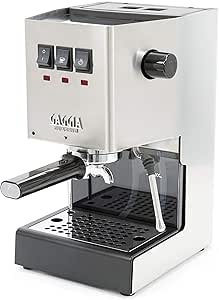 | Best for Hands-On Traditional Espresso | Operation: Semi-automatic | Pressure: 9 bar | Capacity: 2.1 liters | VIEW ON AMAZON | See Our Full Breakdown |
| De’Longhi La Specialista Arte Evo Espresso Machine with Coffee Grinder |  | Best for Espresso and Quick Cold Coffee | Operation: Semi-automatic | Grinder: Built-in conical burr grinder with 15 grind settings | Pump pressure: 15 bar | VIEW ON AMAZON | See Our Full Breakdown |
| Diletta Bello+ Espresso Machine | E61 | PID Temperature Control | Shot Timer | Programmable Preinfusion | Handmade in Italy (Black) |  | Best for Advanced Manual Control | Operation: Semi-automatic | Temperature control: PID | Preinfusion: Programmable | VIEW ON AMAZON | See Our Full Breakdown |
| De’Longhi Magnifica Duo Automatic Espresso Machine, Milk Frother, Silver |  | Best for One-Touch Drink Variety | Operation: Fully automatic | Presets: 20 | Grinder: Built-in conical burr grinder | VIEW ON AMAZON | See Our Full Breakdown |
| Breville BES876BSS Barista Express Impress, Brushed Stainless Steel |  | Best Guided All-in-One for Beginners | Operation: Semi-automatic | Grind settings: 25 | Bean hopper capacity: 250g | VIEW ON AMAZON | See Our Full Breakdown |
| highend espresso machines under | Dimensions | Weight | Power | Operation |
|---|---|---|---|---|
| Diletta Alto Espresso Machine | 19.75 × 12 × 14.5 inches | 40 pounds | 1400 watts | Manual |
| De’Longhi Classic Signature Es | 11.22 × 13.98 × 15.94 inches | 9.3 pounds | 1350 watts | — |
| Breville BES450BSS Bambino Esp | 13.7 × 6.3 × 12 inches | 10.9 pounds | 1560 watts | — |
| Ninja Luxe Café Premier 3-in-1 | 12.95 × 13.99 × 14.57 inches | 25.7 pounds | 1650 watts | Fully automatic |
| Gaggia Classic Pro Espresso Ma | 8 × 9.5 × 14.2 inches | 20 pounds | 1200 watts | Semi-automatic |
| Breville Barista Pro Espresso | 13" D x 14" W x 16" H | 19.5 lbs | 1680 W | — |
| Rowan Espresso Machine Nova Re | — | — | 1500 W | — |
| Breville Bambino Plus Espresso | 7.6" D x 12.5" W x 12.2" H | 11 lbs | 1560 W | — |
| Breville Barista Express Espre | 13.8" D x 12.5" W x 15.9" H | 22.1 lbs | 1600 W | — |
| Gaggia Brera Super-Automatic E | 10" D x 15.5" W x 11.5" H | 18 lbs | 1250 W | — |
| Gaggia RI9380/46 Classic Evo P | 8 × 9.5 × 14.2 inches | 20 pounds | — | Semi-automatic |
| De’Longhi La Specialista Arte | 14.4 × 11.2 × 15.9 inches | 25.8 pounds | — | Semi-automatic |
| Diletta Bello+ Espresso Machin | 17.75 × 11 × 14.5 inches | — | — | Semi-automatic |
| De’Longhi Magnifica Duo Automa | 19.69 × 12.2 × 16.14 inches | 20.8 pounds | — | Fully automatic |
| Breville BES876BSS Barista Exp | 12.5 × 14.5 × 16.5 inches | 23.7 pounds | — | Semi-automatic |
More Details on Our Top Picks
Diletta Alto Espresso Machine | Dual Boiler | PID | Shot Timer | Adjustable OPV (Black)
The Diletta Alto earns its place for buyers who want to control brewing and steaming as separate tasks. Its dual boilers and PID let you pull a shot while preparing milk, while the adjustable OPV offers a way to tailor brew pressure. Compared with the Gaggia Classic Pro, the Alto is more geared toward temperature management and simultaneous workflow; the Gaggia is a smaller, simpler semi-automatic with a 9-bar setup. That added control comes with real demands: the Alto weighs 40 pounds, needs nearly 20 inches of depth, and takes about 22 minutes to warm up. Its manual operation also assumes you want to manage the process rather than press a drink button. I’d choose it for a dedicated home barista station, not a quick, compact coffee setup.
Pros:- Dual boilers support brewing and steaming at the same time.
- PID temperature control and adjustable OPV offer meaningful brewing control.
- Shot timer helps track extraction without a separate timer.
- 58mm portafilter and 3-liter capacity suit a dedicated espresso station.
Cons:- Approximately 22-minute warm-up is slower than the Bambino’s stated three-second heat-up.
- At 40 pounds and nearly 20 inches deep, it needs substantial counter space.
- Manual operation requires more attention than the fully automatic Ninja Luxe Café Premier.
Best for: Experienced home baristas who want separate brew and steam boilers, adjustable pressure, and room for a substantial machine.
Not ideal for: Small-kitchen owners or anyone who prioritizes quick startup and minimal manual control; its size, weight, and warm-up time work against that routine.
- Boiler configuration:Dual boiler
- Portafilter size:58mm
- Water capacity:3 liters
- Warm-up time:Approximately 22 minutes
- Power:1400 watts
- Dimensions:19.75 × 12 × 14.5 inches
- Weight:40 pounds
- Operation:Manual
Our verdict“Choose the Diletta Alto if hands-on control and simultaneous brewing and steaming matter more than compact size or fast startup.”
De’Longhi Classic Signature Espresso Machine with Adjustable Milk Frother
The De’Longhi Classic Signature is the lineup’s accessible choice for people who want preset espresso recipes and an adjustable frother without moving to a machine with a built-in grinder. Its 15-bar pump and Thermoblock heating support a straightforward home workflow, while the removable tank makes refilling less awkward. Compared with the Breville Bambino, this De’Longhi offers customizable presets and a larger listed capacity, while the Bambino is more compelling for very fast startup and a narrow counter. The tradeoff is that the De’Longhi is still limited to ground coffee and lacks a digital display, so its convenience is about repeatable drink selection rather than guided, detailed control. Its listed dimensions are also wider than the Bambino’s, making it a less natural fit for cramped kitchens.
Pros:- Customizable single- and double-espresso presets simplify repeat drinks.
- Adjustable steam wand accommodates different milk-frothing preferences.
- Removable water tank makes refilling and cleaning more convenient.
- Stainless steel construction gives it a more substantial look than many compact entry machines.
Cons:- Accepts ground coffee only, with no built-in grinder.
- No digital display or touchscreen for more detailed feedback.
- Wider than the Breville Bambino, so it is less suited to tight counters.
Best for: Home coffee drinkers who mostly make preset single or double espresso drinks and milk-based beverages from ground coffee.
Not ideal for: Buyers who want a built-in grinder, a touchscreen interface, or a machine narrower than the Breville Bambino.
- Pump pressure:15 bar
- Heating technology:Thermoblock
- Power:1350 watts
- Voltage:120 volts
- Dimensions:11.22 × 13.98 × 15.94 inches
- Weight:9.3 pounds
- Coffee input:Ground coffee
- Features:Adjustable milk frother, removable tank, auto shut-off
Our verdict“Pick the De’Longhi Classic Signature if you want preset espresso drinks and adjustable milk frothing without a grinder-led setup.”
Breville BES450BSS Bambino Espresso Machine, Brushed Stainless Steel
The Breville Bambino is the compact choice for buyers who want quick espresso preparation and milk drinks without giving up temperature control. Its three-second ThermoJet heat-up reduces the wait before a shot, and the automatic steam wand takes some of the guesswork out of producing microfoam. At just 6.3 inches wide, it is far easier to place on a crowded counter than the 12-inch-wide Diletta Alto or the broader De’Longhi Classic Signature. That smaller format means compromises: the 47-fluid-ounce reservoir needs more frequent attention during repeated drinks, and the machine has no built-in grinder. It is also less suited to buyers seeking the Diletta’s dual-boiler workflow and adjustable OPV. I’d rank it for space-conscious home users who value speed and assisted milk texture over extensive manual tuning.
Pros:- ThermoJet system reaches extraction temperature in a stated three seconds.
- Narrow 6.3-inch width fits counters where the Diletta Alto would be difficult to place.
- Automatic steam wand assists with consistent milk texture.
- PID temperature control supports steadier extraction.
Cons:- 47-fluid-ounce reservoir is modest for repeated brewing.
- No built-in grinder, so coffee must be ground separately or bought pre-ground.
- Does not offer the Diletta Alto’s dual boilers or adjustable OPV.
Best for: Apartment dwellers and first-time home baristas who want fast startup, automatic milk frothing, and a narrow countertop footprint.
Not ideal for: Households making many drinks back-to-back or buyers who want an integrated grinder, large reservoir, or dual-boiler control.
- Heating system:ThermoJet
- Stated heat-up time:3 seconds
- Water capacity:47 fluid ounces
- Power:1560 watts
- Voltage:120 volts
- Dimensions:13.7 × 6.3 × 12 inches
- Weight:10.9 pounds
- Material:Stainless steel
Our verdict“Choose the Bambino if counter space and fast, assisted espresso preparation outweigh reservoir size and manual tuning options.”
Ninja Luxe Café Premier 3-in-1 Espresso Machine, Drip Coffee, & Cold Brew
The Ninja Luxe Café Premier is the broadest-use option here: it handles espresso, drip coffee, and cold brew, with a built-in conical burr grinder and assisted brewing features. That makes it a different proposition from the Bambino or Gaggia Classic Pro, both of which focus on espresso and ask the owner to manage more of the process. The Ninja’s 25 grinder settings and Barista Assist guidance can make it easier to move between coffee styles without buying separate equipment. Automatic frothing also lowers the skill barrier for milk drinks. The tradeoff is a more involved machine with a 25.7-pound weight and a larger footprint than the Bambino; its many functions may be unnecessary for someone who only wants espresso. I’d put it ahead for households that value variety and guided convenience over a traditional manual workflow.
Pros:- Brews espresso, drip coffee, and cold brew in one machine.
- Built-in conical burr grinder offers 25 settings.
- Barista Assist guidance and automatic frothing reduce hands-on work.
- 70-fluid-ounce capacity supports serving more than one coffee style through the day.
Cons:- At 25.7 pounds, it is much heavier than the Bambino and less convenient to move.
- Its multiple drink modes and features can add complexity for casual espresso drinkers.
- A broader, more feature-heavy setup is unnecessary for buyers who only want manual espresso.
Best for: Households that want one appliance for espresso, drip coffee, and cold brew, plus an integrated grinder and assisted drink preparation.
Not ideal for: Espresso purists who prefer a simpler manual machine, or small-kitchen owners who only need espresso and want a lighter setup.
- Brew modes:Espresso, drip coffee, and cold brew
- Operation:Fully automatic
- Water capacity:70 fluid ounces
- Grinder:Built-in conical burr grinder with 25 settings
- Power:1650 watts
- Voltage:120 volts
- Dimensions:12.95 × 13.99 × 14.57 inches
- Weight:25.7 pounds
Our verdict“Choose the Ninja Luxe Café Premier if variety, built-in grinding, and guided convenience matter more than a focused manual espresso workflow.”
Gaggia Classic Pro Espresso Machine, 1.3 liters, Cherry Red
The Gaggia Classic Pro is the traditionalist’s pick: a semi-automatic machine with a 9-bar extraction system, commercial-style portafilter, and steam wand that rewards practice. Its 9.5-inch width is notably slimmer than the Diletta Alto, though it is still a 20-pound machine rather than a lightweight appliance. Compared with the Breville Bambino, the Gaggia asks more of the operator and gives less help with fast startup or automatic milk texturing; in return, it leans into a more hands-on espresso routine and includes single- and double-shot baskets. The 1.3-liter capacity is smaller than the Alto’s 3-liter supply, so frequent multi-drink sessions mean more refilling. With no built-in grinder, it also needs separate coffee preparation. This is a better fit for learners who want manual practice than for anyone seeking push-button ease.
Pros:- 9-bar extraction system and commercial-style portafilter suit a hands-on espresso routine.
- Includes commercial single- and double-shot baskets.
- At 9.5 inches wide, it occupies less counter width than the Diletta Alto.
- Commercial steam wand supports manual milk frothing.
Cons:- Semi-automatic operation takes practice compared with the Bambino’s automatic steam wand.
- 1.3-liter capacity is smaller than the Diletta Alto’s 3-liter capacity.
- No built-in grinder, so grinding requires separate equipment or pre-ground coffee.
Best for: Aspiring home baristas who want a compact-width, semi-automatic machine with a commercial-style portafilter and room to develop technique.
Not ideal for: Buyers who want automatic milk frothing, fast heat-up, a built-in grinder, or a larger water supply for repeated drinks.
- Operation:Semi-automatic
- Pressure:9 bar
- Water capacity:1.3 liters
- Power:1200 watts
- Voltage:120 volts
- Dimensions:8 × 9.5 × 14.2 inches
- Weight:20 pounds
- Color:Cherry red
Our verdict“Choose the Gaggia Classic Pro if you want to learn a traditional semi-automatic workflow and accept more hands-on preparation.”
Breville Barista Pro Espresso Machine with Integrated Grinder, Brushed Stainless Steel
The Barista Pro is the strongest fit here for someone who wants an integrated grinder and a quick route from beans to a manually textured drink. Its three-second ThermoJet heat-up cuts waiting between shots, while the LCD makes grind and extraction steps easier to follow than on the more hands-on Barista Express. The built-in grinder also keeps the workflow contained, though dialing in doses and steaming milk still take practice. Compared with the Bambino Plus, this machine gives you more control over grinding and extraction, but takes up more counter space and asks you to do more yourself. I’d choose it for frequent espresso-making rather than push-button convenience; its weight and manual workflow are meaningful tradeoffs.
Pros:- Integrated conical burr grinder with dose control streamlines fresh grinding.
- ThermoJet system reaches brewing temperature in about three seconds.
- LCD interface helps beginners follow the extraction process.
- Includes a milk jug, cleaning kit, and water filter.
Cons:- Manual grinding, dosing, and steaming require practice for repeatable drinks.
- At 19.5 pounds, it is cumbersome to move for cleaning or storage.
Best for: Home espresso drinkers who want an integrated grinder, quick warm-up, and room to build manual barista skills.
Not ideal for: Buyers who want automatic milk preparation or a lightweight machine that is easy to move around the counter.
- Model:BES878BSS
- Heating system:ThermoJet
- Grinder:Integrated conical burr
- Water tank:67 oz
- Bean hopper:1/2 lb
- Power:1680 W
- Dimensions:13″ D x 14″ W x 16″ H
- Weight:19.5 lbs
- Warranty:2-year limited
Our verdict“Choose the Barista Pro if you want fast heat-up and an integrated grinder but still want to control the espresso and milk workflow yourself.”
Rowan Espresso Machine Nova Reverie RCE5011 (Stainless Steel, Standard)
The Rowan Nova Reverie is the most workflow-focused choice in this group: grinding, distribution, and tamping happen within the machine, reducing the number of separate steps and tools on the counter. Its 58 mm portafilter, pre-infusion, and PID/NTC temperature control give it a more traditional espresso setup than the fully automatic Gaggia Brera, while the extra modes add hot water and American coffee alongside espresso and milk drinks. A brew cycle under a minute is appealing for busy mornings, but a feature-rich interface may take longer to learn than the simpler Bambino Plus. I’d shortlist it for someone who wants an integrated process and multiple drink options, not for a minimalist kitchen: the larger footprint and recurring cleaning needs are part of the bargain.
Pros:- Integrated grinding, distribution, and tamping reduce separate workflow steps.
- 58 mm portafilter and pre-infusion support a more traditional espresso routine.
- PID and NTC temperature control are specified at ±1 °C.
- Offers espresso, milk drinks, American coffee, and hot water or tea.
Cons:- The many functions can make setup and operation harder to learn.
- Large footprint and regular cleaning cycles demand space and upkeep.
- Materials include plastic as well as aluminum and stainless steel.
Best for: Households that want grinding, tamping, espresso, milk drinks, and hot-water options consolidated into one machine.
Not ideal for: New users seeking a simple first espresso machine or anyone short on counter space and unwilling to keep up with cleaning cycles.
- Grind adjustment:30 levels
- Brew modes:Espresso, milk drinks, American coffee, hot water or tea
- Portafilter:58 mm
- Pump:15 bar with pre-infusion; 9 bar extraction
- Temperature control:PID + NTC, ±1 °C
- Boiler heat-up:20 seconds
- Power:1500 W
- Auto-clean:Yes
- Materials:Aluminum, plastic, and stainless steel
Our verdict“Pick the Nova Reverie if an integrated bean-to-cup workflow and multiple drink modes matter more than a compact footprint and simple controls.”
Breville Bambino Plus Espresso Machine, Brushed Stainless Steel
The Bambino Plus is the space-saving pick for buyers who want espresso and milk drinks without a built-in grinder taking over the counter. At 7.6 inches deep and 12.5 inches wide, it is notably easier to fit into a small kitchen than the Barista Pro or Barista Express. Its automatic milk-texturing wand and fast ThermoJet heat-up also reduce the amount of timing and steaming practice needed; the tradeoff is less control over milk texture than with a manual wand. Unlike the integrated-grinder Breville models, you’ll need a separate grinder, adding another purchase and piece of equipment. I’d favor it for convenience and footprint, but not for buyers who want a self-contained setup or a broad range of cup-size settings.
Pros:- Compact dimensions suit counters where the Barista Pro would be difficult to place.
- Automatic milk texturing simplifies cappuccinos and lattes.
- ThermoJet heating system offers fast warm-up.
- PID temperature control supports more consistent brewing.
Cons:- No built-in grinder, so preparing fresh espresso requires separate equipment.
- Limited to one- or two-cup settings.
- Automatic milk texturing offers less hands-on control than the Barista Pro’s manual wand.
Best for: Apartment dwellers and beginner milk-drink makers who already have, or plan to buy, a separate espresso grinder.
Not ideal for: Shoppers who want an integrated grinder, extensive drink programming, or a machine suited to frequent large-batch brewing.
- Operation mode:Semi-automatic
- Dimensions:7.6″ D x 12.5″ W x 12.2″ H
- Weight:11 lbs
- Portafilter:54 mm
- Portafilter dose:19 g
- Milk system:Automatic steam wand
- Temperature control:Digital PID
- Power:1560 W
Our verdict“Choose the Bambino Plus if counter space and simpler milk drinks matter more than an integrated grinder or extensive manual control.”
Breville Barista Express Espresso Machine (BES870BTR), Black Truffle
The Barista Express suits buyers who want a built-in grinder but prefer a conventional, hands-on espresso routine. Its conical burr grinder feeds directly into the portafilter, and PID temperature control with low-pressure pre-infusion supports a more controlled extraction. Compared with the Barista Pro, it lacks the stated three-second ThermoJet heat-up advantage, so the Pro is the better match for short waits between drinks. Compared with the compact Bambino Plus, the Express saves you from buying a separate grinder but uses more counter space and weighs 22.1 pounds. The manual wand leaves room to practice microfoam and latte art, yet that flexibility comes with a learning curve. I’d pick it for buyers who value control over speed and easy portability.
Pros:- Integrated conical burr grinder sends fresh grounds to the portafilter.
- Digital PID temperature control supports consistent extraction.
- Low-pressure pre-infusion is designed to support balanced shots.
- Manual steam wand allows hands-on milk texturing and latte-art practice.
Cons:- At 22.1 pounds, it is difficult to move for cleaning or storage.
- Its footprint is less suitable for compact counters than the Bambino Plus.
- Manual dosing and milk steaming take practice.
Best for: Espresso drinkers who want an integrated grinder, manual milk steaming, and hands-on control over shot preparation.
Not ideal for: Small-kitchen buyers, people who need a lightweight machine, or anyone prioritizing the Barista Pro’s rapid heat-up.
- Model:BES870BTR
- Grinder:Integrated precision conical burr
- Temperature control:Digital PID
- Steam wand:Manual hand-textured microfoam wand
- Bean hopper:1/2 lb
- Water tank:67 oz
- Power:1600 W
- Dimensions:13.8″ D x 12.5″ W x 15.9″ H
- Weight:22.1 lbs
Our verdict“Choose the Barista Express if you want an integrated grinder and a traditional manual routine, and can accept its weight and slower warm-up than the Barista Pro.”
Gaggia Brera Super-Automatic Espresso Machine, 40 oz, Silver
The Gaggia Brera takes a different route from the manual Breville machines: its fully automatic operation is aimed at buyers who value a simpler daily routine over hands-on shot dialing. The compact body and front-access cleaning panels make it more practical for a tighter counter and easier routine maintenance than the larger Barista Express. It includes a pivoting milk frother for cappuccinos and lattes, but the supplied details do not describe the same automatic milk texturing found on the Bambino Plus. Its 40-ounce water capacity also means more frequent refills than the Breville machines’ 67-ounce tanks. This is a convenience-first choice for modest daily use, not the pick for people who want detailed control over grinding, tamping, and milk texture.
Pros:- Fully automatic operation reduces hands-on preparation.
- Compact dimensions suit counters that cannot accommodate the larger Barista Express.
- Front-access panels make routine cleaning more accessible.
- Pivoting milk frother supports cappuccinos and lattes.
Cons:- The 40-ounce water capacity means more frequent refills than on the Breville Barista Pro.
- Less suited to buyers seeking manual control over extraction and milk texture.
- The listed one-year limited warranty is shorter than the Barista Pro’s two-year limited warranty.
Best for: Busy households that want a compact, fully automatic espresso routine with a built-in milk frother and accessible cleaning.
Not ideal for: Espresso hobbyists who want manual control over extraction, or frequent users who would find a 40-ounce water tank limiting.
- Operation mode:Fully automatic
- Water capacity:40 fl oz
- Coffee bean capacity:250 g
- Steam wand:Pivoting
- Power:1250 W
- Dimensions:10″ D x 15.5″ W x 11.5″ H
- Weight:18 lbs
- Cup height range:3.25″ to 4.5″
- Warranty:1-year limited
Our verdict“Choose the Brera if you prioritize compact, fully automatic espresso and accessible cleaning over manual control and a larger water reservoir.”
Gaggia RI9380/46 Classic Evo Pro Espresso Machine
The Gaggia Classic Evo Pro suits buyers who want a traditional semi-automatic machine with commercial-style components, rather than an appliance that handles the whole drink for them. Its 9-bar extraction, steel housing, and professional steam wand give the owner room to practice espresso dialing and milk texture. Compared with the Breville Barista Express Impress, it skips the integrated grinder and dosing assistance, so the setup is less guided but leaves more of the routine in the owner’s hands. It can also use ESE pods as an alternative to ground coffee, though the machine’s strongest appeal is its manual workflow. The tradeoff is a real learning curve, plus a 20-pound body that takes up more space than a compact entry-level machine. I’d rank it for buyers who value a durable, hands-on foundation over built-in convenience.
Pros:- 9-bar pressure and commercial-style components support a traditional espresso workflow.
- Professional steam wand gives hands-on control over milk texture and latte art.
- Accepts both ground coffee and ESE pods.
- Steel housing and Italian manufacture suit buyers prioritizing a substantial build.
Cons:- No built-in grinder, so a separate grinder adds cost and counter space.
- Semi-automatic brewing and manual steaming require practice.
- At 20 pounds, it is less convenient to move or fit into a tight setup.
Best for: Home espresso enthusiasts who already own a grinder or want to choose one separately and are willing to learn manual shot preparation.
Not ideal for: Beginners seeking guided dosing or one-touch drinks, and small-kitchen owners who need a light, compact machine.
- Operation:Semi-automatic
- Pressure:9 bar
- Capacity:2.1 liters
- Dimensions:8 × 9.5 × 14.2 inches
- Weight:20 pounds
- Wattage:1200 watts
- Coffee input:Ground coffee and ESE pods
- Made in:Italy
Our verdict“Choose the Gaggia if you want a durable manual espresso platform and are comfortable supplying the grinder and developing your technique.”
De’Longhi La Specialista Arte Evo Espresso Machine with Coffee Grinder
The La Specialista Arte Evo is the most versatile manual pick here for someone who wants espresso equipment and a quick cold-coffee option in one footprint. Its built-in conical burr grinder and 15 grind settings remove the need to source a separate grinder, while Cold Extraction Technology broadens the menu beyond hot espresso. Four presets offer a little structure without turning it into a fully automatic machine. Compared with the Gaggia Classic Evo Pro, it bundles more convenience and drink variety, but gives buyers less reason to select their own grinder. Its steam wand still calls for hands-on milk work, and semi-automatic brewing means presets do not remove the need to learn the process. At 25.8 pounds and nearly 16 inches tall, it is also a substantial countertop commitment. I’d put it ahead of more focused machines for households that regularly switch between espresso, milk drinks, and cold coffee.
Pros:- Built-in conical burr grinder has 15 grind settings.
- Cold Extraction Technology adds a quick cold-coffee option.
- Steam wand supports manual microfoam and latte-art practice.
- Four beverage presets provide some repeatable guidance.
Cons:- Semi-automatic operation still requires dialing in and hands-on preparation.
- Its 25.8-pound weight and tall footprint need dedicated counter space.
- Integrated grinder limits flexibility compared with a machine-and-grinder setup.
Best for: Home baristas who want an integrated grinder, manual milk steaming, and a fast cold-coffee option without buying separate brewing equipment.
Not ideal for: Buyers who want a small machine, a fully automated drink routine, or the freedom to pair the machine with a separate grinder.
- Operation:Semi-automatic
- Grinder:Built-in conical burr grinder with 15 grind settings
- Pump pressure:15 bar
- Water tank:56 fluid ounces
- Presets:4
- Dimensions:14.4 × 11.2 × 15.9 inches
- Weight:25.8 pounds
- Wattage:1600 watts
Our verdict“Pick the Arte Evo if you want one semi-automatic setup for espresso, milk drinks, and quick cold coffee, and have room for its larger footprint.”
Diletta Bello+ Espresso Machine | E61 | PID Temperature Control | Shot Timer | Programmable Preinfusion | Handmade in Italy (Black)
The Diletta Bello+ is the control-focused choice in this group. Its PID temperature control, programmable preinfusion, and shot timer give experienced home baristas more ways to shape and repeat a shot than the simpler Gaggia Classic Evo Pro. The 58mm portafilter and included accessories also suit a more traditional preparation routine. This is not the pick for someone hoping for integrated grinding or automatic drinks: unlike the Breville Barista Express Impress, it leaves grinder choice and much of the workflow to the owner. That separation will appeal to buyers who already have a preferred grinder, but adds equipment and setup demands for newcomers. Its 3-liter capacity supports multiple servings, while the 17.75-inch depth calls for a sizeable counter. I’d rank it above convenience-led options for buyers who value adjustable brewing and a classic manual setup.
Pros:- PID temperature control supports more controlled brewing.
- Programmable preinfusion and a shot timer add hands-on shot adjustment.
- 58mm portafilter supports a traditional barista workflow.
- 3-liter capacity suits making several drinks before refilling.
Cons:- A separate grinder is needed, adding expense and counter space.
- Manual controls have a steeper learning curve than the Barista Express Impress.
- Its 17.75-inch depth may be difficult to accommodate on shallow counters.
Best for: Experienced home baristas who own or plan to buy a separate grinder and want temperature and preinfusion controls for refining shots.
Not ideal for: First-time buyers looking for an all-in-one grinder setup, guided dosing, or compact equipment with minimal manual steps.
- Operation:Semi-automatic
- Temperature control:PID
- Preinfusion:Programmable
- Capacity:3 liters
- Portafilter:58mm
- Dimensions:17.75 × 11 × 14.5 inches
- Voltage:120 volts
- Material:Stainless steel
Our verdict“Choose the Bello+ if you want advanced manual brewing controls and already have space and budget for a separate grinder.”
De’Longhi Magnifica Duo Automatic Espresso Machine, Milk Frother, Silver
The De’Longhi Magnifica Duo makes the strongest case for buyers who care more about drink variety and convenience than manual espresso technique. Its 20 preset recipes, built-in conical burr grinder, touchscreen, and hot-and-cold milk frothing options cover a broader range of everyday requests than the semi-automatic La Specialista Arte Evo. Fully automatic operation also reduces the hands-on steps involved in making drinks, which can help in a busy household or shared office. That convenience comes with less control over the preparation routine than a machine such as the Diletta Bello+, whose manual controls are better suited to fine-tuning shots. The Magnifica Duo is also deep at 19.69 inches, and its many features may make setup less straightforward. I’d rank it for buyers who want variety and repeatable operation, not barista-style control.
Pros:- Twenty presets cover a wide range of hot and iced drinks.
- Fully automatic operation reduces hands-on preparation.
- Built-in conical burr grinder avoids a separate grinder purchase.
- Dual milk-frothing options handle hot and cold foam.
Cons:- Automatic preparation offers less manual control than the Diletta Bello+.
- The 19.69-inch depth requires substantial counter space.
- The feature-rich setup may take time to configure.
Best for: Households or small offices with varied drink preferences that want a built-in grinder, one-touch recipes, and hot or cold milk foam.
Not ideal for: Espresso hobbyists who want detailed manual control, or kitchens without room for a deep countertop machine.
- Operation:Fully automatic
- Presets:20
- Grinder:Built-in conical burr grinder
- Milk frother:Hot and cold frothing
- Dimensions:19.69 × 12.2 × 16.14 inches
- Weight:20.8 pounds
- Wattage:1450 watts
- Features:Touchscreen, auto-clean function, auto shut-off, removable tank, water filter
Our verdict“Pick the Magnifica Duo if easy access to many automatic drinks matters more than controlling each espresso step yourself.”
Breville BES876BSS Barista Express Impress, Brushed Stainless Steel
The Breville Barista Express Impress is a strong match for new home baristas who want an integrated grinder without being left to manage every dose unaided. Its intelligent dosing system helps make the grinding-and-tamping routine more approachable, while 25 grind settings leave room to adjust as coffee preferences change. The manual steam wand keeps milk drinks hands-on, unlike the automatic De’Longhi Magnifica Duo, so buyers can learn to texture milk rather than rely on a preset froth routine. Compared with the Gaggia Classic Evo Pro, the Breville combines grinding and espresso preparation in one machine, but has a wider footprint and more setup complexity than a basic brewer. Its 54mm portafilter also differs from the Diletta Bello+’s 58mm format. I’d rank it for people who want training wheels for dosing but still want to take part in making each drink.
Pros:- Integrated conical burr grinder offers 25 grind settings.
- Intelligent dosing system makes shot preparation more approachable.
- Manual steam wand supports microfoam and latte-art practice.
- Includes a 54mm stainless steel portafilter and milk jug.
Cons:- Manual steaming and setup still require practice.
- At 14.5 inches wide and 16.5 inches high, it needs substantial counter space.
- The 1600-watt rating is higher than the Gaggia Classic Evo Pro’s 1200 watts.
Best for: Newer home baristas who want a built-in grinder, guided dosing, and the chance to learn manual milk steaming.
Not ideal for: Buyers prioritizing a narrow countertop footprint, fully automatic drinks, or a separate grinder and 58mm portafilter setup.
- Operation:Semi-automatic
- Grind settings:25
- Bean hopper capacity:250g
- Water tank capacity:2 liters
- Portafilter:54mm stainless steel
- Dimensions:12.5 × 14.5 × 16.5 inches
- Weight:23.7 pounds
- Wattage:1600 watts
Our verdict“Choose the Barista Express Impress if you want an all-in-one machine with guided dosing but still plan to learn hands-on espresso and milk preparation.”

How We Picked
I compared these machines around the decisions that matter at home: control over extraction, the effort required to make a drink, grinder arrangements, milk workflow, expected upkeep, and how much counter space the setup demands. I gave extra weight to features that change daily use, such as dual boilers, PID temperature control, integrated grinding, automatic drink preparation, and adjustable milk systems. I also distinguished machines that support hands-on technique from those that prioritize quick, repeatable drinks.
The ranking favors machines that offer a useful balance of capability and usability, rather than simply the most equipment or the widest menu. That puts the Diletta Alto first for its control-oriented feature set, with integrated-grinder machines and accessible compact models following for their practical balance. Automatic options rank well for convenience but lower for buyers seeking direct control, while traditional entry-level machines are stronger for skill-building than effortless daily service. Product names and listed features guide this comparison; I do not treat features alone as proof of cup quality.
| highend espresso machines under | Operation |
|---|---|
| Diletta Alto Espresso Machine | Manual |
| De’Longhi Classic Signature Es | — |
| Breville BES450BSS Bambino Esp | — |
| Ninja Luxe Café Premier 3-in-1 | Fully automatic |
| Gaggia Classic Pro Espresso Ma | Semi-automatic |
| Breville Barista Pro Espresso | — |
| Rowan Espresso Machine Nova Re | — |
| Breville Bambino Plus Espresso | — |
| Breville Barista Express Espre | — |
| Gaggia Brera Super-Automatic E | — |
| Gaggia RI9380/46 Classic Evo P | Semi-automatic |
| De’Longhi La Specialista Arte | Semi-automatic |
| Diletta Bello+ Espresso Machin | Semi-automatic |
| De’Longhi Magnifica Duo Automa | Fully automatic |
| Breville BES876BSS Barista Exp | Semi-automatic |
Factors to Consider When Choosing Highend Espresso Machines Under
The right choice depends less on a machine’s label and more on how much work you want between whole beans and a finished drink. I’d start with your routine, counter layout, and willingness to learn, then use the following factors to narrow the field.
Decide How Much Control You Want
Manual and semi-automatic machines let you shape the shot through grind, dose, tamping, and timing, but the result depends on repeatable technique. PID temperature control can make temperature settings more consistent; it does not compensate for a poor grind or uneven puck preparation. A dual-boiler design can let brewing and steaming happen with less waiting between tasks, which matters if you make several milk drinks in a row. If you want espresso practice to be part of the appeal, prioritize control features and a compatible grinder. If your priority is one-touch convenience, a super-automatic may suit you better than a machine with more adjustment. Avoid paying for manual controls you do not expect to use.
Choose an Integrated or Separate Grinder Setup
An integrated grinder reduces the number of appliances and makes a compact, coordinated station easier to assemble. The tradeoff is that grinder upgrades or repairs may be less straightforward than with separate equipment. A standalone grinder gives you more freedom to change burrs or replace one component without changing the machine, but it needs counter space and adds another purchase to the setup. Buyers new to espresso should also account for the learning curve: a grinder’s adjustment range and the ability to make small changes can matter as much as its presence. Do not assume a machine with a built-in grinder removes the need to dial in beans. Choose integration for simplicity, and separate equipment when flexibility is a priority.
Match Milk Preparation to Your Drinks
If your regular order is a straight espresso, elaborate milk features may add complexity without much benefit. For cappuccinos and lattes, consider whether you want to steam milk manually, receive some assistance, or leave more of the preparation to an automatic system. Manual steaming offers control over texture and temperature, but it takes practice and can slow down a busy morning. Assisted frothing can shorten the learning curve, though it may provide less room to shape milk exactly as you like. Think about how many milk drinks you make back to back, not just whether a machine includes a frother. The best fit is the workflow you will actually use every day.
Count Every Drink Type in Your Household
A multi-function machine can earn its counter space when household members want different drinks, such as espresso, drip coffee, and cold brew. A dedicated espresso machine may make more sense when espresso is the clear priority and other coffee styles are already covered. Super-automatic models reduce repeated steps, which can help when several people want a consistent drink without learning espresso technique. Still, a longer menu can mean more settings, cleaning tasks, and parts to manage. List the drinks people make during an ordinary week before choosing based on a machine’s full menu. That simple check helps avoid paying for functions that rarely leave the brochure.
Plan for Cleaning, Water, and Service
Regular cleaning is part of espresso ownership, not an optional extra. Milk systems need prompt attention, while brew groups, drip trays, and water paths have their own maintenance routines. Before choosing, check how the maker describes descaling, backflushing, filter replacement, and access to removable parts. Water hardness also affects maintenance frequency, so a filtration plan may be useful even with a capable machine. A model with more automation can simplify preparation without eliminating cleaning. If you dislike routine upkeep, favor an accessible design and a workflow with fewer parts to rinse rather than choosing solely by drink features.
Measure the Whole Setup Before Buying
Machine dimensions are only part of the space calculation: leave room for a grinder, bean storage, cups, and access to the water tank. Upper cabinets can limit how easily you refill a machine, and a heavy unit may be inconvenient if you need to move it for cleaning. Consider where spent pucks, milk, and accessories will go during your normal routine. Compact machines can be a sensible choice in smaller kitchens, but a separate grinder can erase some of the space saved. Check the footprint and daily access points together, not just the width in a product listing. A comfortable station is more useful than a feature-rich machine that is awkward to operate.
Frequently Asked Questions
Should I choose a dual-boiler machine or an automatic espresso machine?
Choose a dual-boiler machine if you value hands-on control and often prepare espresso and steamed milk in sequence. Its separate heating systems can make that workflow more convenient, but you still handle grinding, dosing, and shot preparation. An automatic machine is a better match when consistent, low-effort drinks matter more than adjusting each step. Think about who will use the machine: a household with mixed skill levels may appreciate automation, while an enthusiast may welcome the manual process. Neither design is automatically better; the right one depends on whether you want to make coffee or primarily want the finished drink.
Is an espresso machine with a built-in grinder a good choice for a first setup?
It can be a good first setup if you want one coordinated appliance and a smaller equipment footprint. Integrated grinding does not remove the need to adjust the grind as beans age or change, so expect some trial and error. A separate grinder gives you more choice and makes upgrades easier, but it adds cost, space, and another set of settings to learn. For a beginner, the most useful setup is one that makes routine changes understandable rather than one with the longest feature list. Decide whether convenience or component flexibility matters more before committing.
Can a compact beginner machine keep up with several milk drinks?
It depends on the pace and number of drinks, as well as the machine’s heating and steaming workflow. A compact, accessible machine can suit a small household that makes drinks one at a time, but it may involve more waiting or repeated preparation than a dual-boiler design. Assisted milk features can reduce the skill needed, though they do not necessarily make a small machine ideal for a crowd. If you regularly serve several people at once, prioritize steaming capacity and the time between shots, not just the machine’s footprint. For occasional milk drinks, a simpler compact option may be a more sensible fit.
Are super-automatic machines a poor fit for learning espresso?
They are not a poor fit if your main goal is convenient espresso-style drinks, but they conceal many of the steps that teach manual brewing. You generally have less direct influence over puck preparation and extraction than with a semi-automatic machine. That tradeoff can be worthwhile for busy households or people who want repeatable drinks with fewer steps. If learning to adjust grind, dose, and shot timing is part of the appeal, a manual or semi-automatic model is a better teaching tool. Choose based on the experience you want, rather than assuming every espresso buyer wants the same level of involvement.
What should I check before choosing a machine for a small kitchen?
Check the complete setup footprint, including a grinder if it is not built in, plus the room needed to fill the water tank and use the steam wand. Measure vertical clearance under cabinets as well as the counter width, since tanks and hoppers may need overhead access. Think through where cups, beans, and cleaning supplies will sit so the station remains usable. A compact machine can still create a crowded setup when paired with separate equipment. Compare the daily access points, not just the published dimensions, before settling on a model.
Conclusion
For the strongest balance of control-oriented features, I’d choose the Diletta Alto as best overall. The Breville Barista Express is my best value-style pick for buyers who want an integrated grinder and hands-on workflow, while the Diletta Bello+ is the best premium-leaning choice for shoppers drawn to an E61 group and programmable preinfusion. Beginners who prefer a compact, more approachable setup should look at the Breville Bambino Plus; for maximum convenience, consider the Gaggia Brera or De’Longhi Magnifica Duo. Choose the Ninja Luxe Café Premier if your household wants more than espresso, and favor a traditional Gaggia Classic model if learning manual preparation matters more than automation. The best match is the machine whose workflow, upkeep, and footprint fit your actual routine.
Fall Picks
fall essentials
As an affiliate, we earn on qualifying purchases.